


Primary sourceDocument1907-1908
Rapsodie espagnole
Maurice Ravel · 1907-1908
Maurice Ravel's early major orchestral work, inspired by his Basque-Spanish heritage and first performed in Paris in 1908.
Ravel composed this orchestral rhapsody, drawing on his mother's Basque-Spanish heritage.
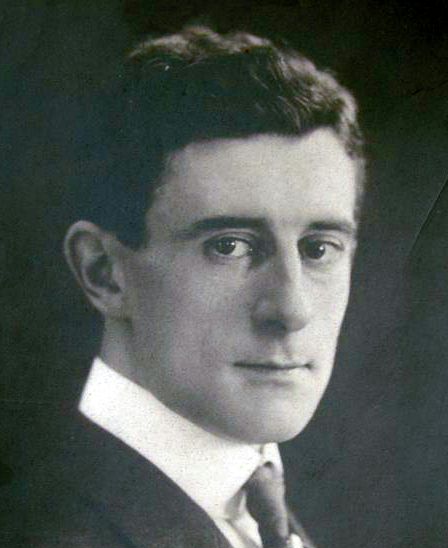
About this source
What it is
Rapsodie espagnole is an orchestral rhapsody by Maurice Ravel, composed between 1907 and 1908 from an earlier Habanera he had written in 1895. It was first performed by the Orchestre des Concerts Colonne, conducted by Édouard Colonne, in Paris on 15 March 1908.
Why it matters
As one of Ravel's first major orchestral works, it shows him developing his skill in orchestration while drawing on his mother's Basque-Spanish heritage. Its four movements use dance rhythms and moods associated with Spain, and its success helped establish Ravel's international reputation, quickly entering the standard orchestral repertoire.
Look closer
- Why might a composer use instruments like castanets and a tambourine to evoke a particular country?
- What does Ravel's decision to date the original Habanera to 1895 in the published score suggest about rivalry among composers?
- How might the mood change across the four movements, from quiet night to festive finale?
This document is part of the curated material that grounds the AI version of Maurice Ravel on Humy.ai — when students ask about related events, the AI can quote it and cite it.
More Maurice Ravel sources
Browse all 42 → Document
Primary source
Boléro
Maurice Ravel · 1928
 Document
Primary source
Daphnis et Chloé
Maurice Ravel · 1906–1912
 Document
Primary source
Pavane pour une infante défunte
Maurice Ravel · 1899
 Document
Primary source
Le tombeau de Couperin
Maurice Ravel · 1914–1917
Free account
Read every Maurice Ravel source
Sign up free →
Ready when you are
Start chatting with Maurice Ravel now.
20 messages free · No credit card · Available in 50+ languages.