


Primary sourceDocument1922
Ravel's Orchestration of Gnomus (Pictures at an Exhibition)
Maurice Ravel (orchestrating Modest Mussorgsky) · 1922
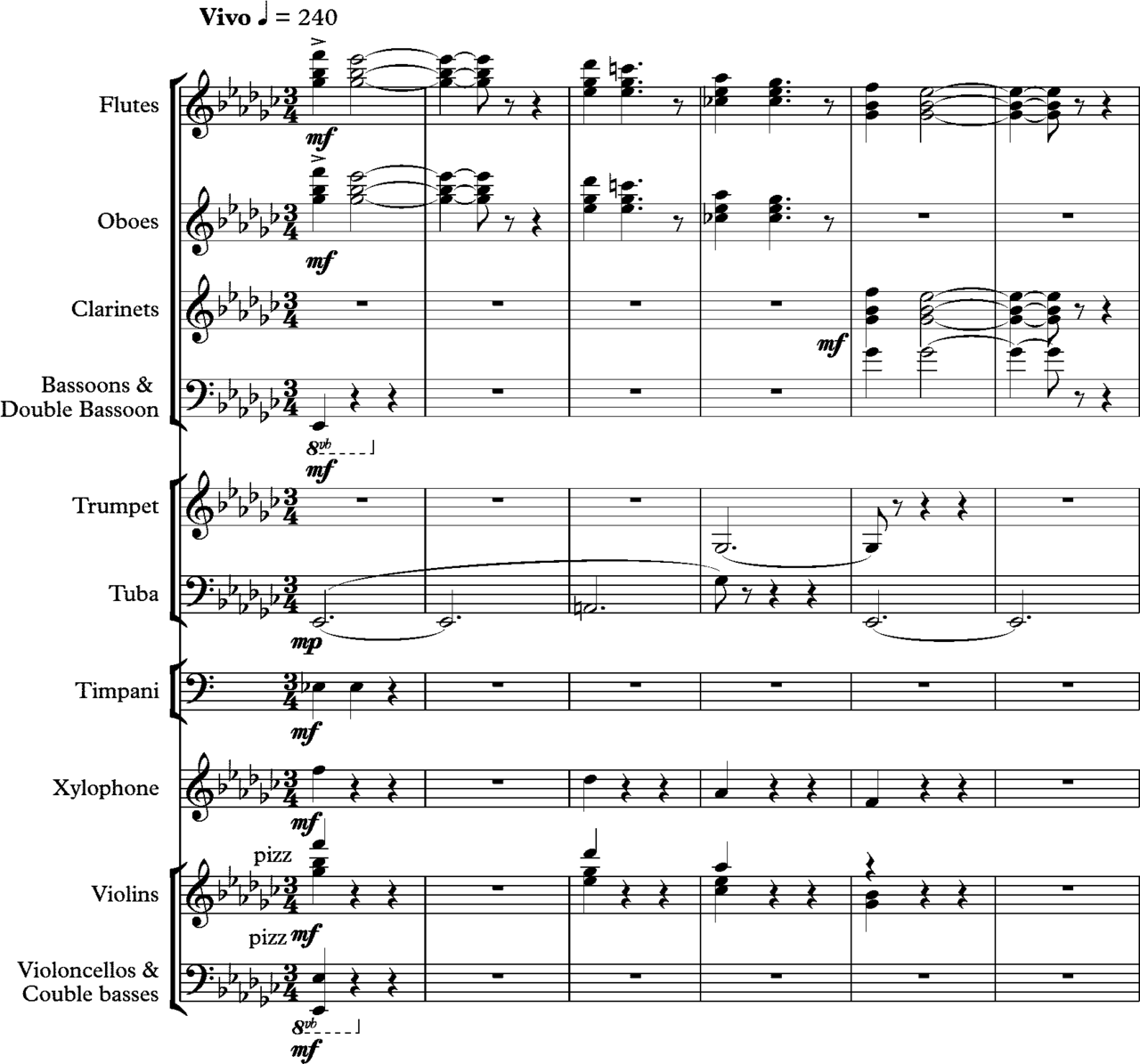
A page from Ravel's 1922 orchestral arrangement of Mussorgsky's piano piece Gnomus, showing his skill as an orchestrator.
Shows Ravel's own handiwork as an orchestrator, demonstrating his musical craft and technical mastery.
Free Humy account · No credit card · 120,912 sources to read
About this source
What it is
This is a page of musical score from Maurice Ravel's 1922 orchestration of Modest Mussorgsky's piano suite Pictures at an Exhibition. The excerpt shows bars 19 to 24 of the movement "Gnomus," scored for a full orchestra including flutes, oboes, clarinets, bassoons, trumpet, tuba, timpani, xylophone and strings.
Why it matters
Ravel did not compose this music himself — it was written originally by Mussorgsky for solo piano — but his orchestration turned it into one of the most famous orchestral works in the repertoire. The page shows Ravel's craftsmanship: how he chose instruments and dynamics to recreate Mussorgsky's ideas in orchestral color.
Look closer
- Which instruments has Ravel chosen for this passage, and what effect might that create?
- Why might a composer want to orchestrate someone else's piano music instead of writing new music?
- What skills does this kind of work require that are different from original composition?
This document is part of the curated material that grounds the AI version of Maurice Ravel on Humy.ai — when students ask about related events, the AI can quote it and cite it.
More Maurice Ravel sources
Browse all 42 →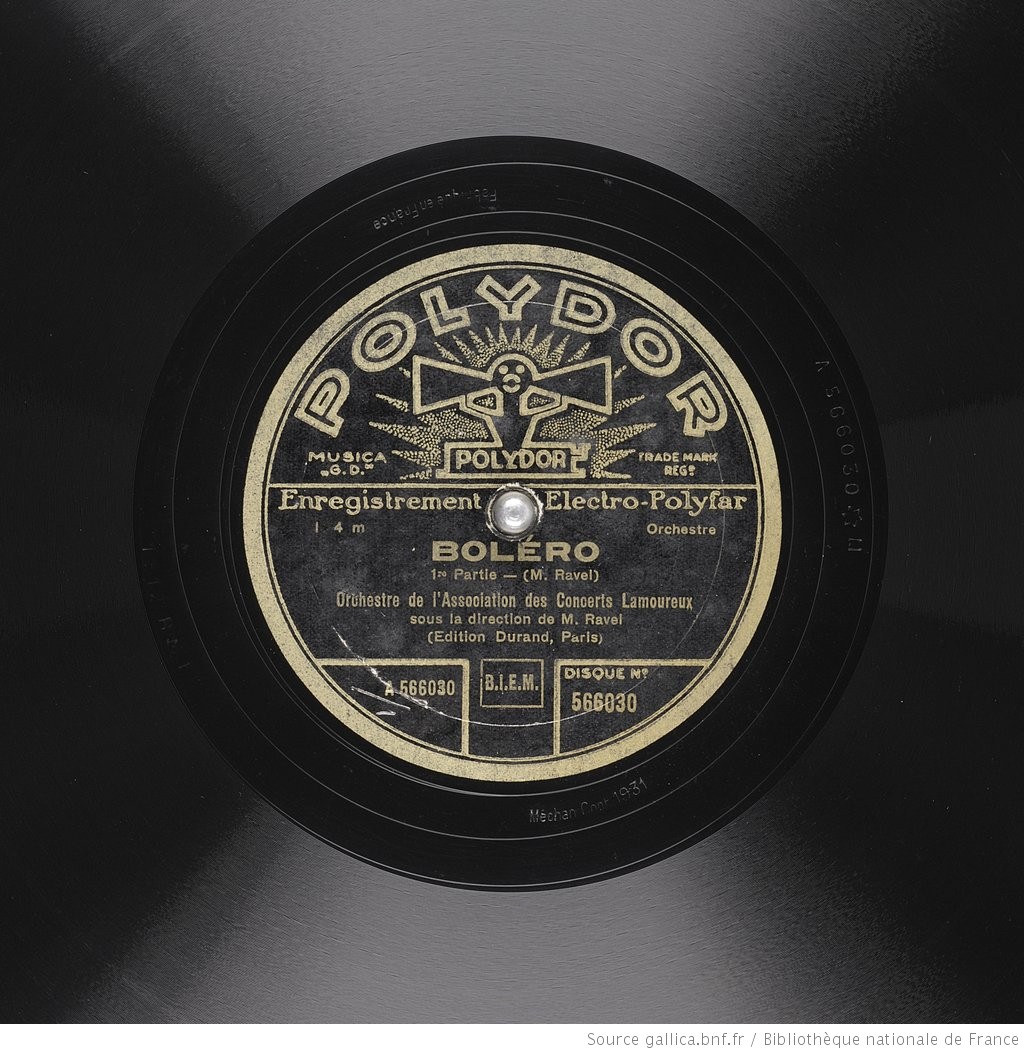 Document
Primary source
Boléro
Maurice Ravel · 1928
 Document
Primary source
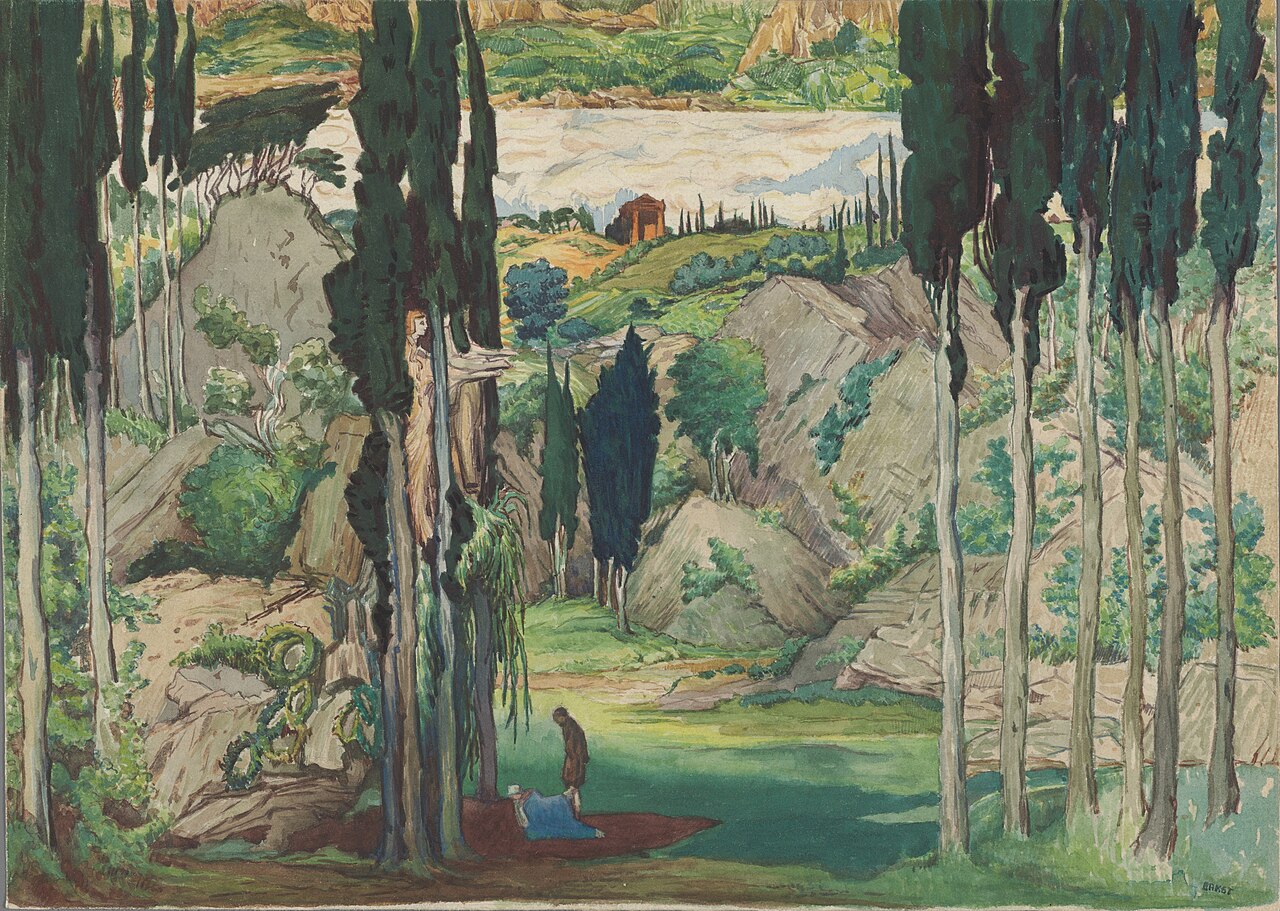
Daphnis et Chloé
Maurice Ravel · 1906–1912
 Document
Primary source
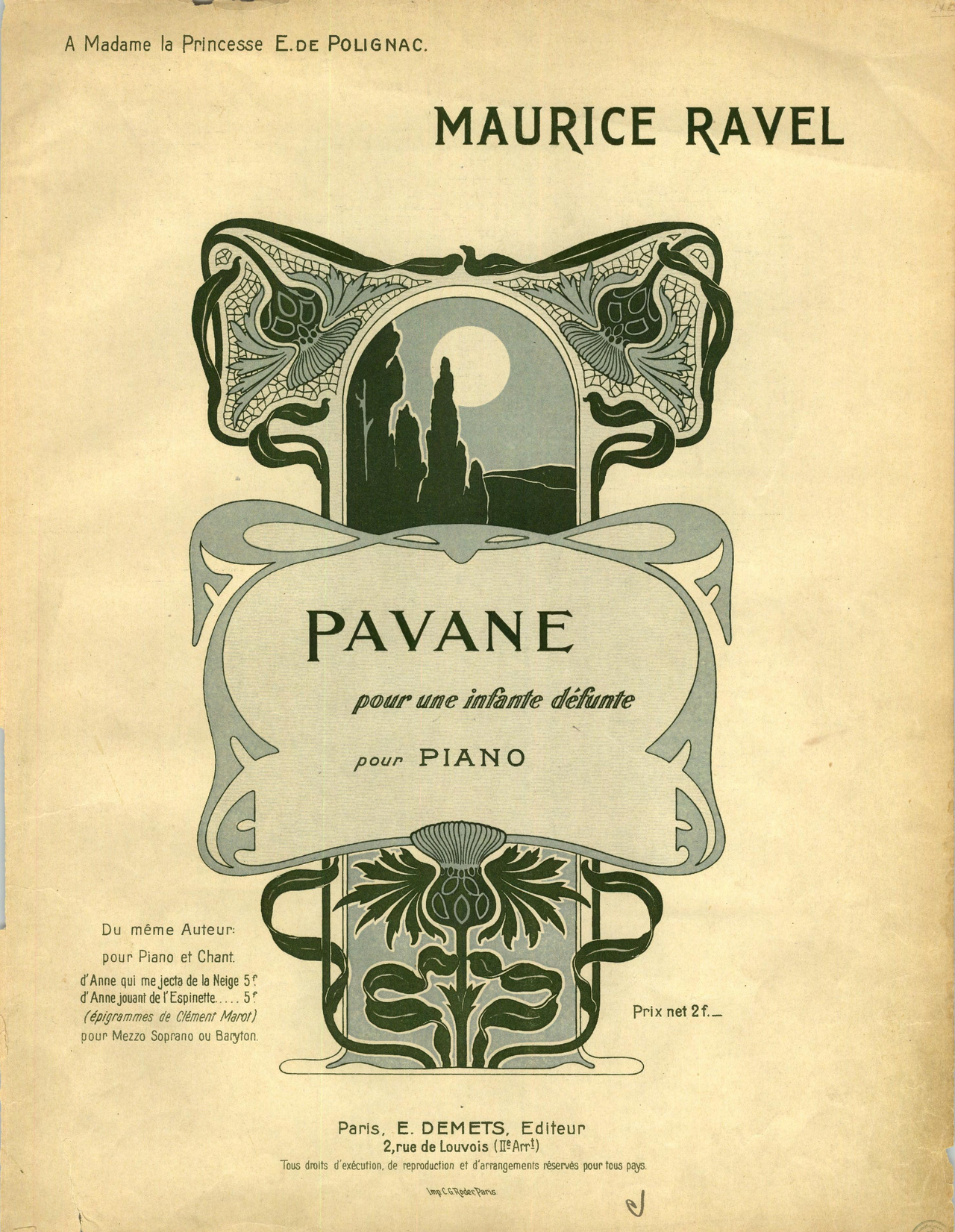
Pavane pour une infante défunte
Maurice Ravel · 1899
 Document
Primary source
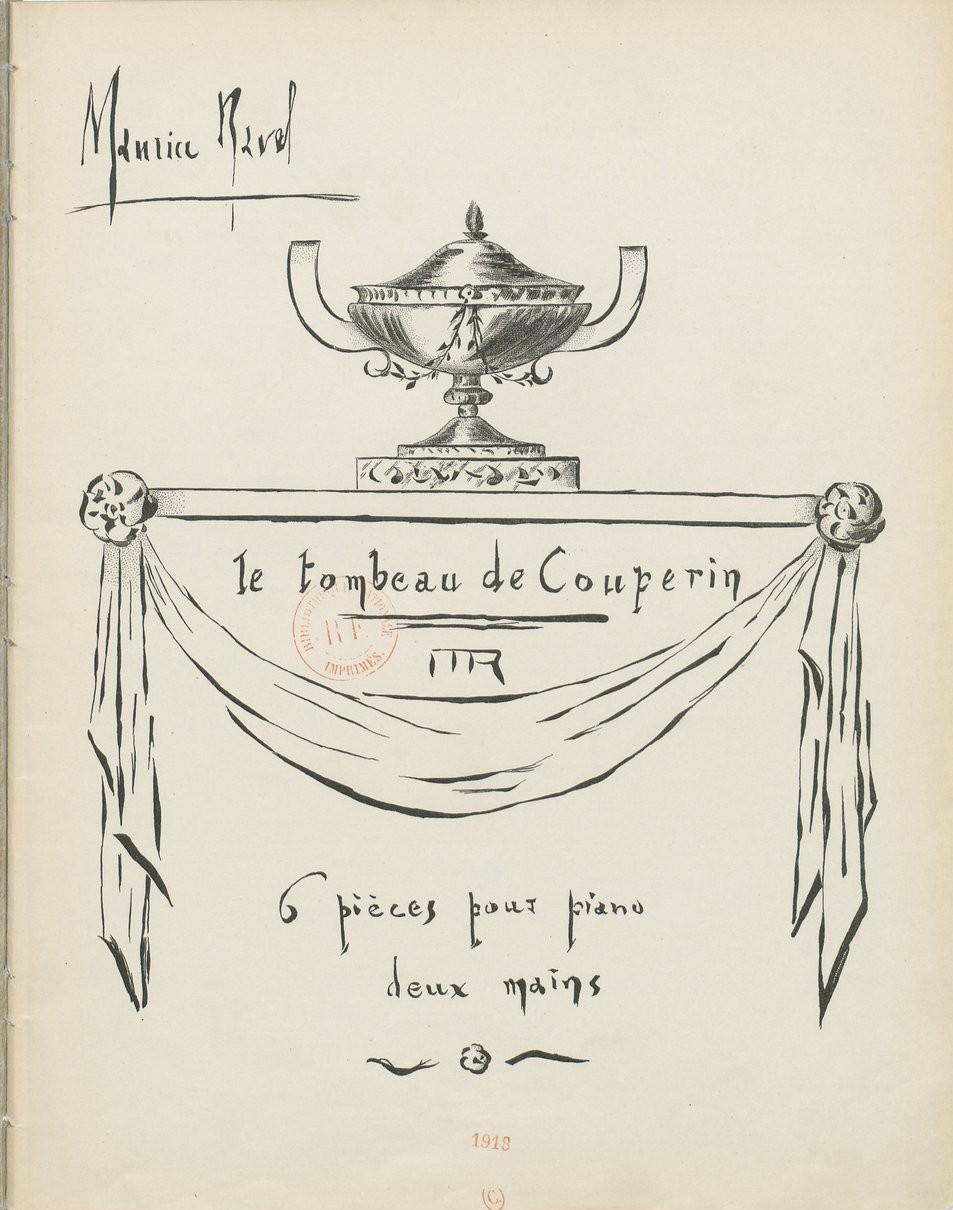
Le tombeau de Couperin
Maurice Ravel · 1914–1917
Free account
Read every Maurice Ravel source
Sign up free →
Ready when you are
Start chatting with Maurice Ravel now.
20 messages free · No credit card · Available in 50+ languages.