


Primary sourceArtifact1664
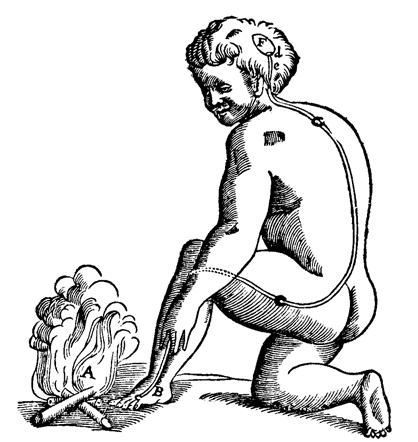
Reflex diagram from Treatise of Man
René Descartes · 1664
Descartes's own diagram from his Treatise of Man showing how pain travels from the foot to the head, illustrating his mechanical theory of the body.
Descartes created this diagram himself to illustrate his mechanical theory of how the body responds to pain.
About this source
What it is
This is a diagram drawn for René Descartes's Treatise of Man, published in 1664, showing how a person kneeling near a fire feels pain. A line runs from the foot, where it touches the fire, up to a cavity in the head, illustrating how Descartes believed the body mechanically responded to heat.
Why it matters
This image shows how Descartes tried to explain the human body as a mechanical system, with fibers and fluids causing automatic reactions like pulling away from fire. It reflects his larger idea that much of the body works like a machine, separate from the mind, which was an influential and controversial idea in the history of science.
Look closer
- What does the simple line from foot to head suggest about how Descartes imagined the nervous system working?
- Why might depicting the body mechanically have been a new or surprising idea at the time?
- What does this diagram leave out compared to what we now know about nerves and pain?
This artifact is part of the curated material that grounds the AI version of Rene Descartes on Humy.ai — when students ask about related events, the AI can quote it and cite it.
More Rene Descartes sources
Meet the AI Rene Descartes →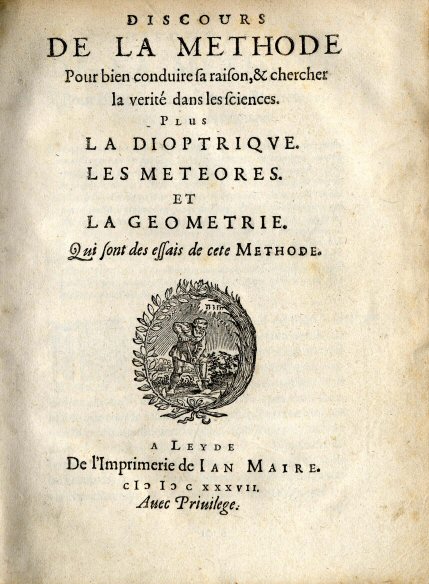 Book
Primary source
Discourse on the Method
René Descartes · 1637
 Book
Primary source
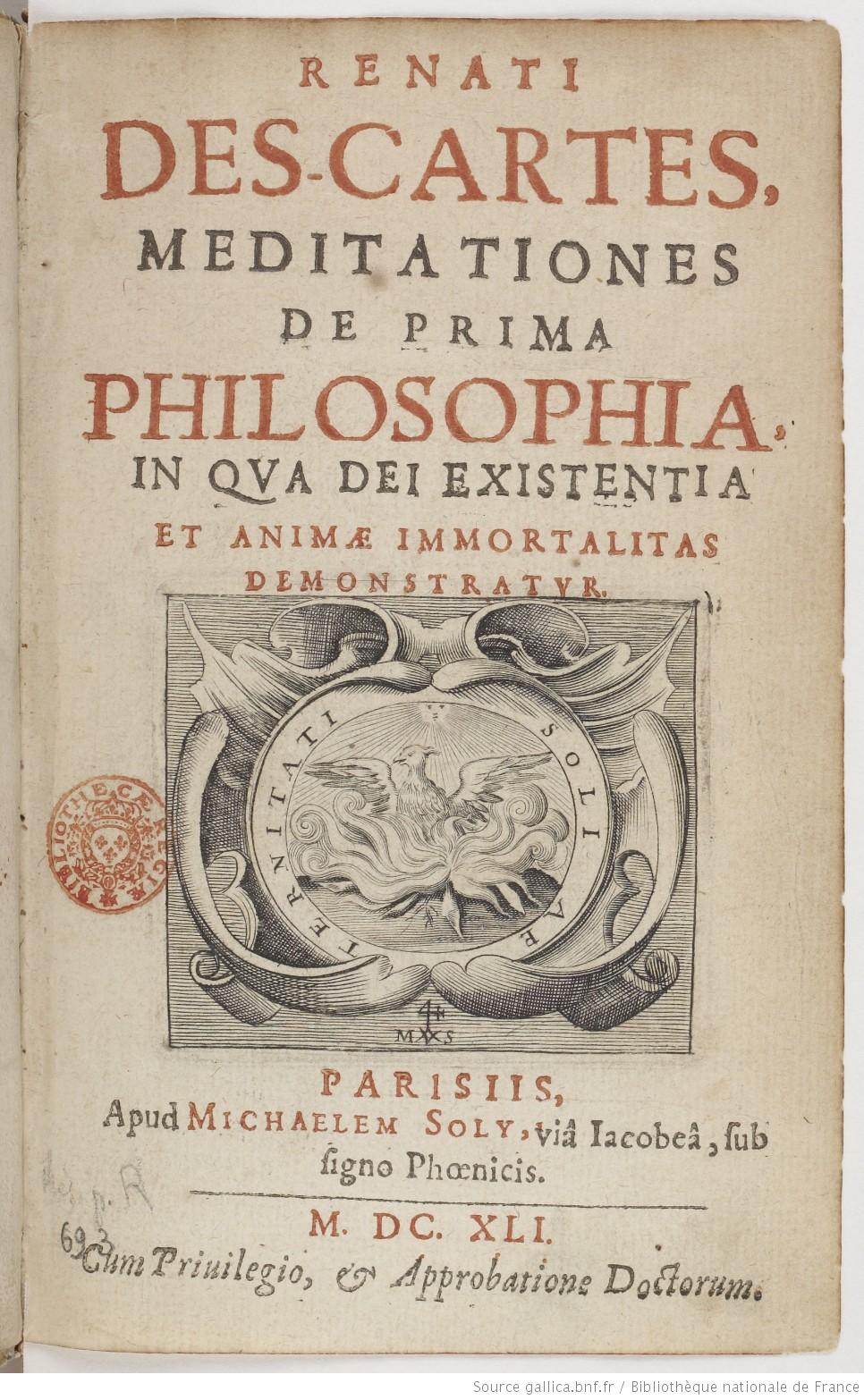
Meditations on First Philosophy
René Descartes · 1641
 Document
Primary source
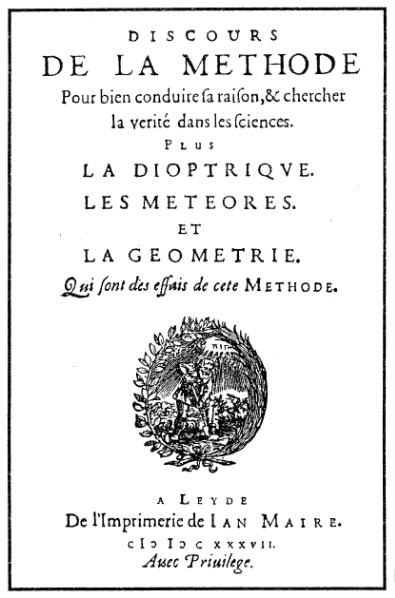
La Géométrie
René Descartes · 1637
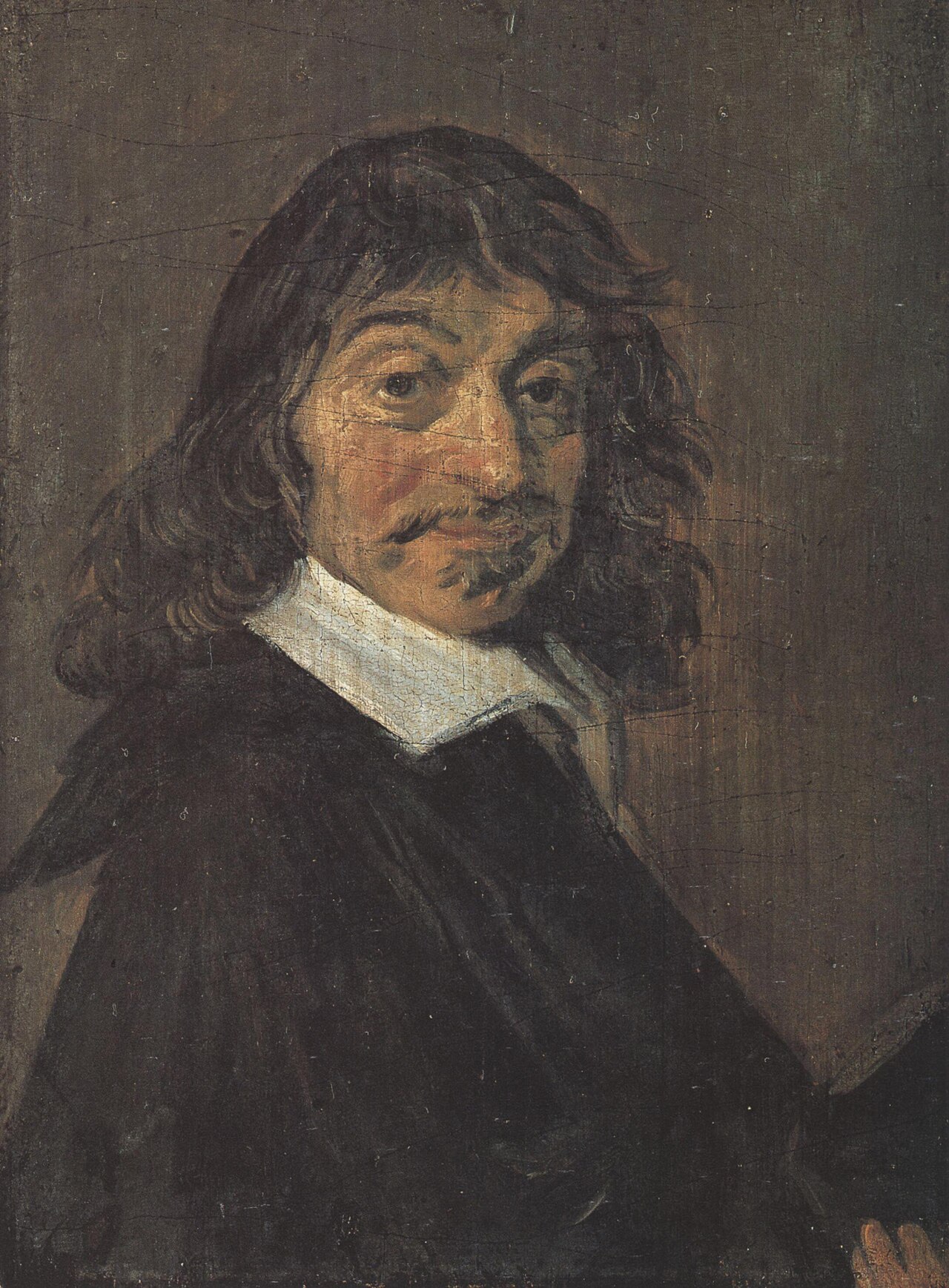 Painting
Primary source
Portrait of René Descartes
Frans Hals · 1649
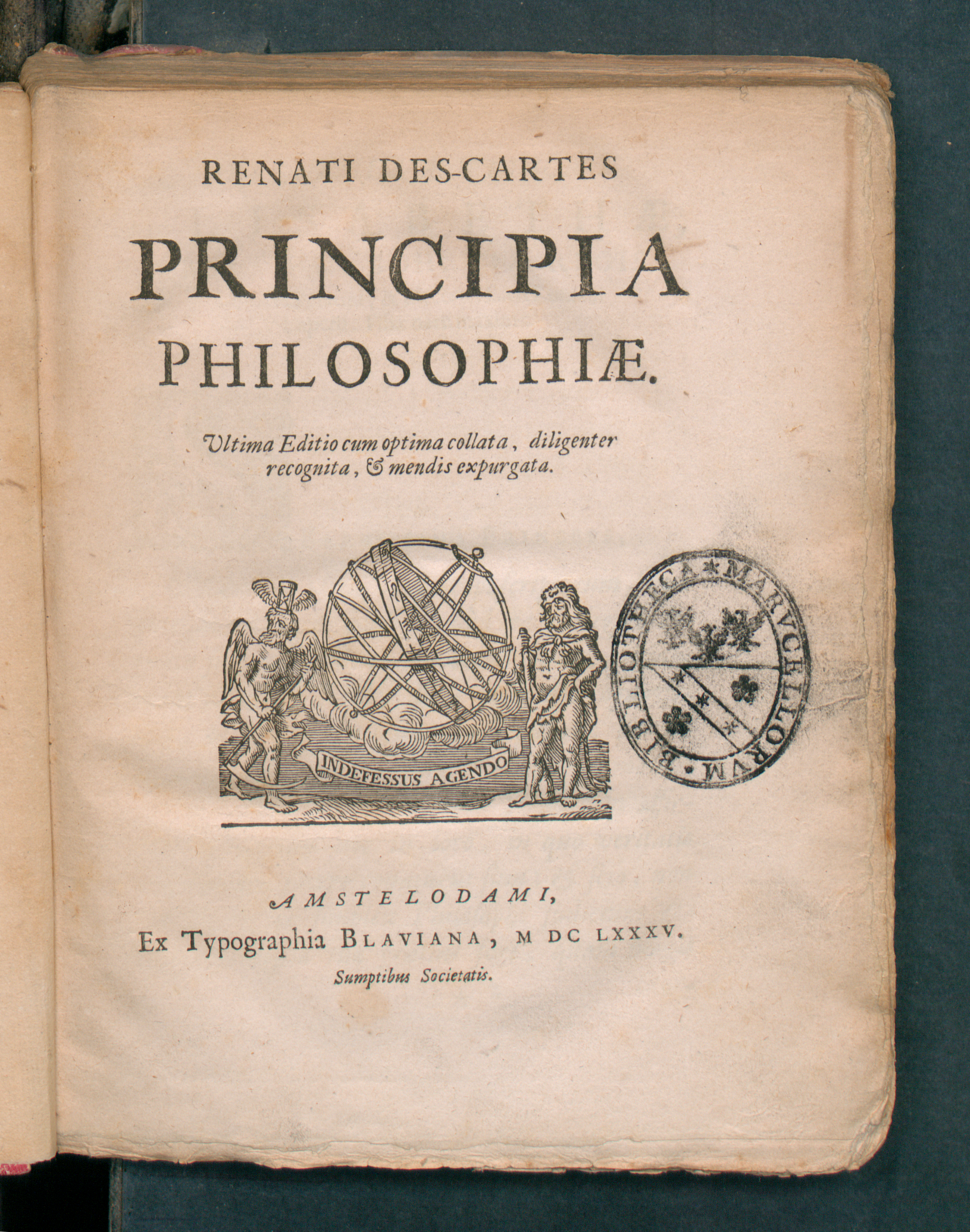 Book
Primary source
Principles of Philosophy
René Descartes · 1644
Ready when you are
Start chatting with Rene Descartes now.
20 messages free · No credit card · Available in 50+ languages.