


Primary sourceSculpturec. 2551 BCE
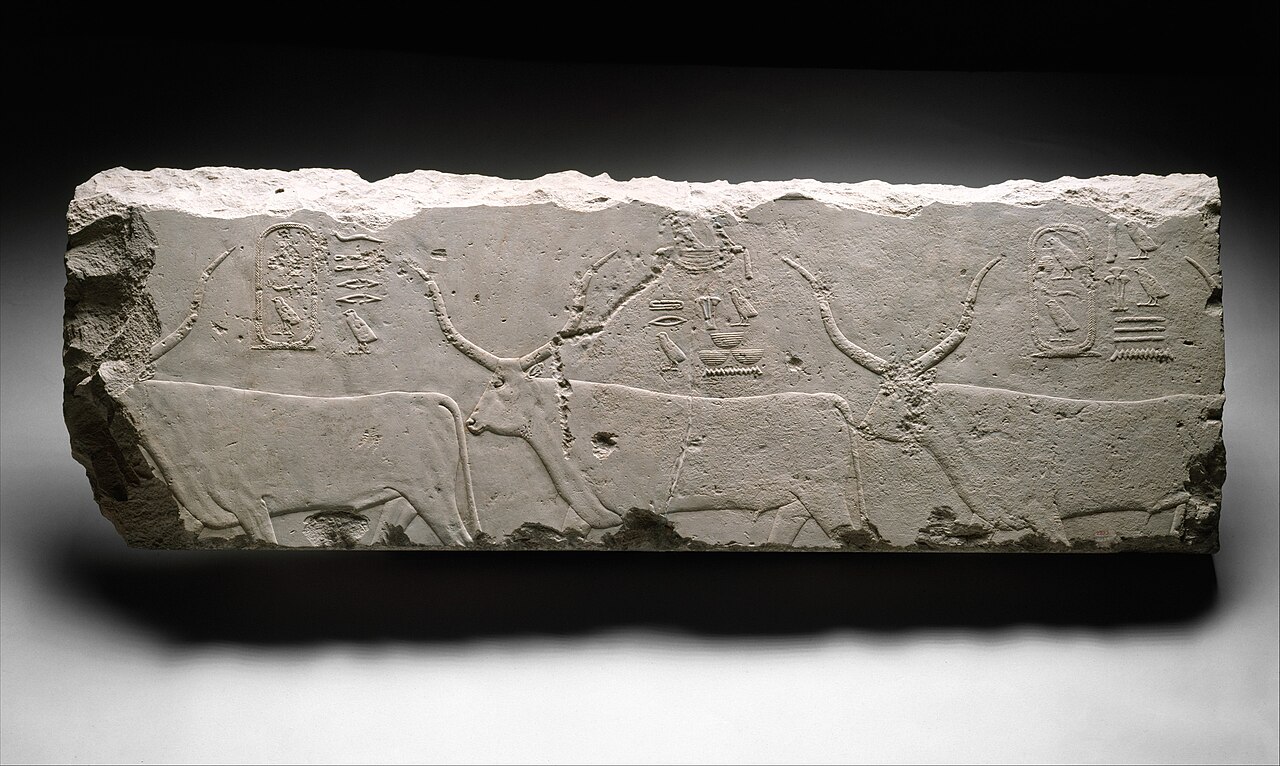
Relief Fragment Showing King Khufu's Cattle
c. 2551 BCE
A limestone relief carved with a row of long-horned cattle and hieroglyphic signs, naming cattle belonging to Khufu.
This relief names cattle belonging to Khufu, showing the resources of his royal estate.
About this source
What it is
This limestone relief fragment, from the Old Kingdom and dated to the Fourth Dynasty, shows three long-horned cattle carved in a row, with cartouches and hieroglyphic signs above them, including a figure of a king and an offering scene.
The collection record dates it to the reign of Khufu.
Why it matters
Scenes of royal herds were common in Old Kingdom tombs and temples, showing the wealth and resources controlled by the pharaoh. This fragment links directly to Khufu by naming his cattle, giving evidence of how royal property was recorded and displayed in art.
Look closer
- Why might an artist carve cattle belonging to the king specifically?
- What do the hieroglyphic signs above the cattle seem to be recording?
- What does this tell us about what ancient Egyptians valued enough to carve in stone?
This sculpture is part of the curated material that grounds the AI version of Pharaoh Khufu (Cheops) on Humy.ai — when students ask about related events, the AI can quote it and cite it.
More Pharaoh Khufu (Cheops) sources
Meet the AI Pharaoh Khufu (Cheops) →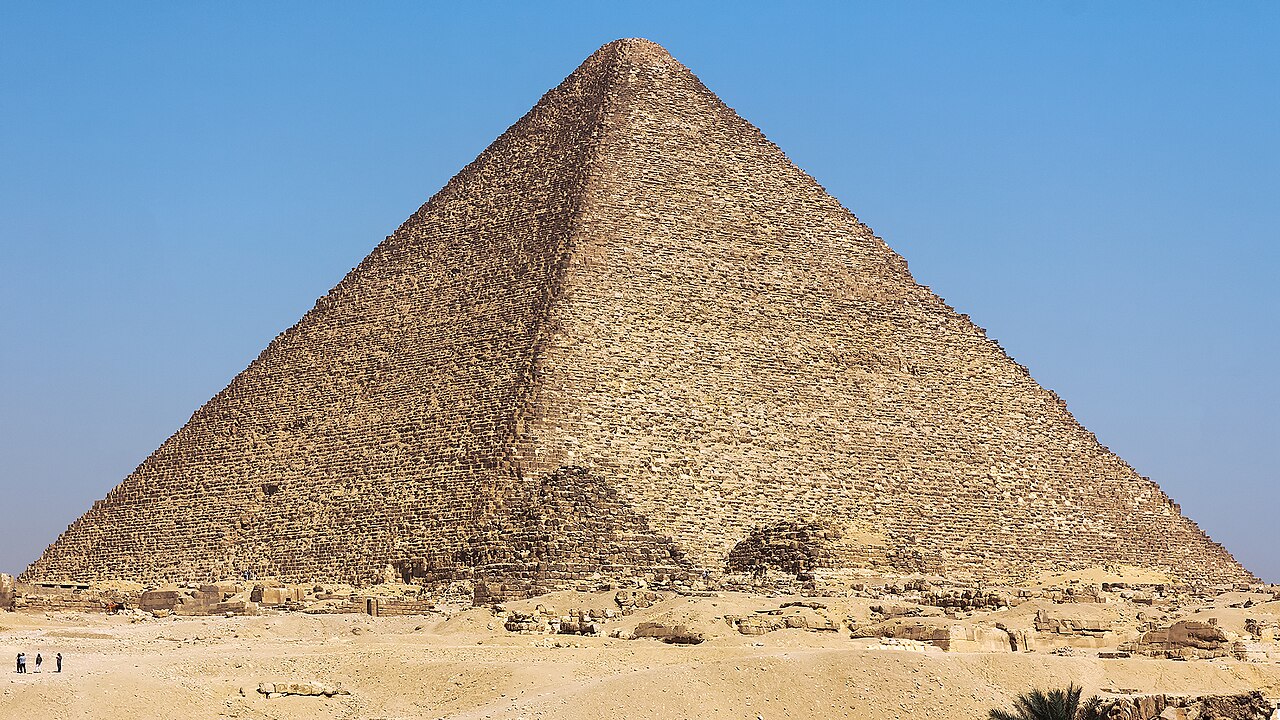 Artifact
Primary source
Great Pyramid of Giza
c. 2560 BCE
 Photograph
Secondary source
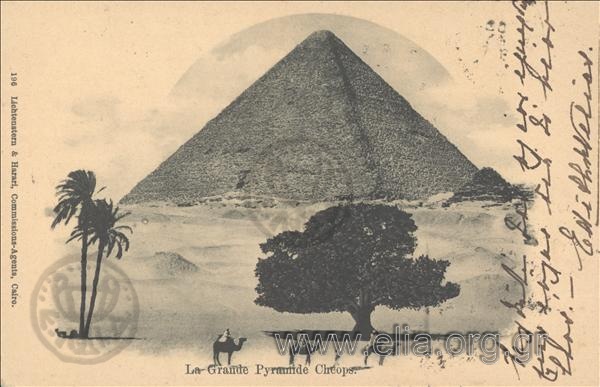
La Grande Pyramide Cheops
1903
 Sculpture
Primary source
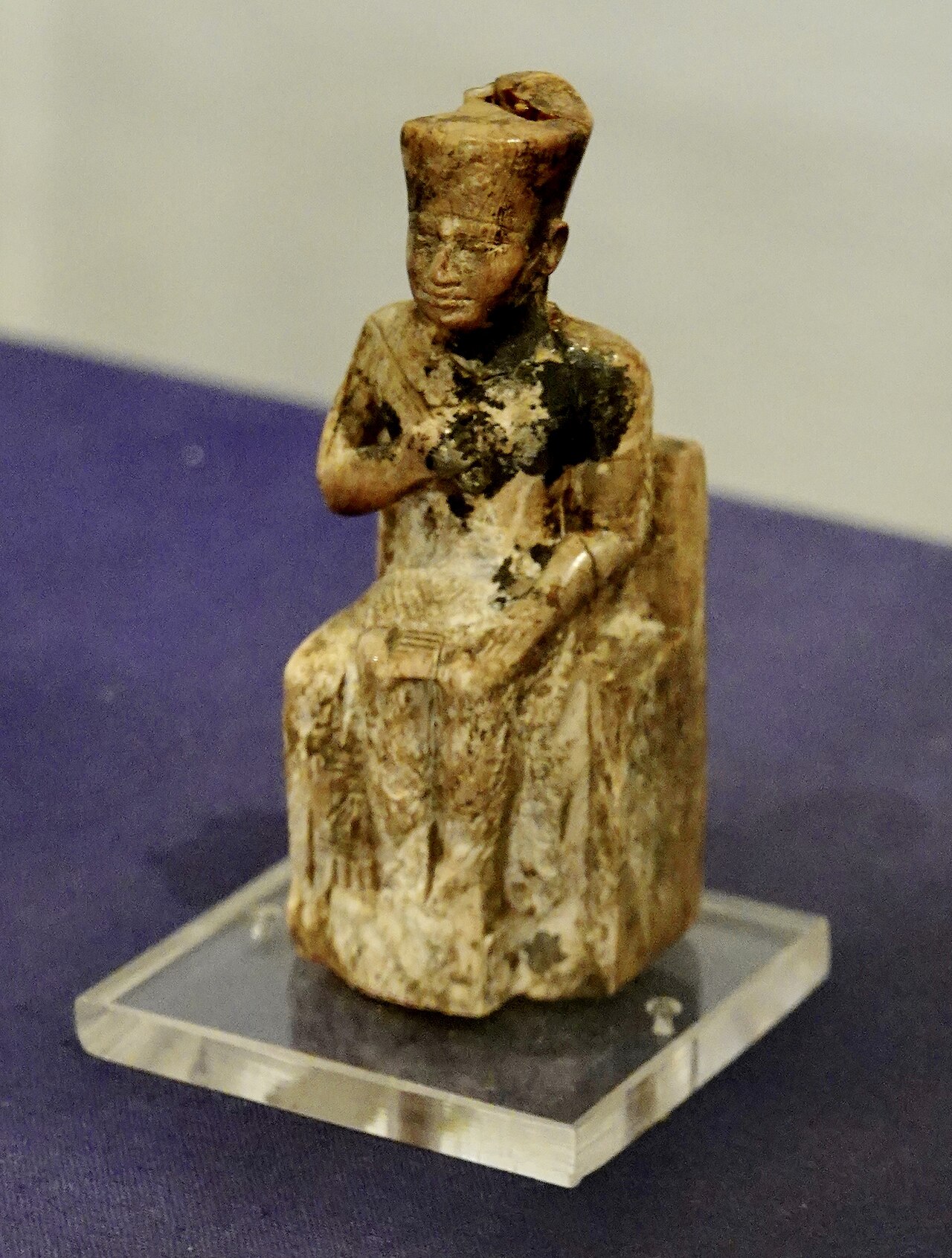
Khufu Statuette
c. 2600–2494 BCE (possibly later, 664–525 BCE)
 Photograph
Secondary source
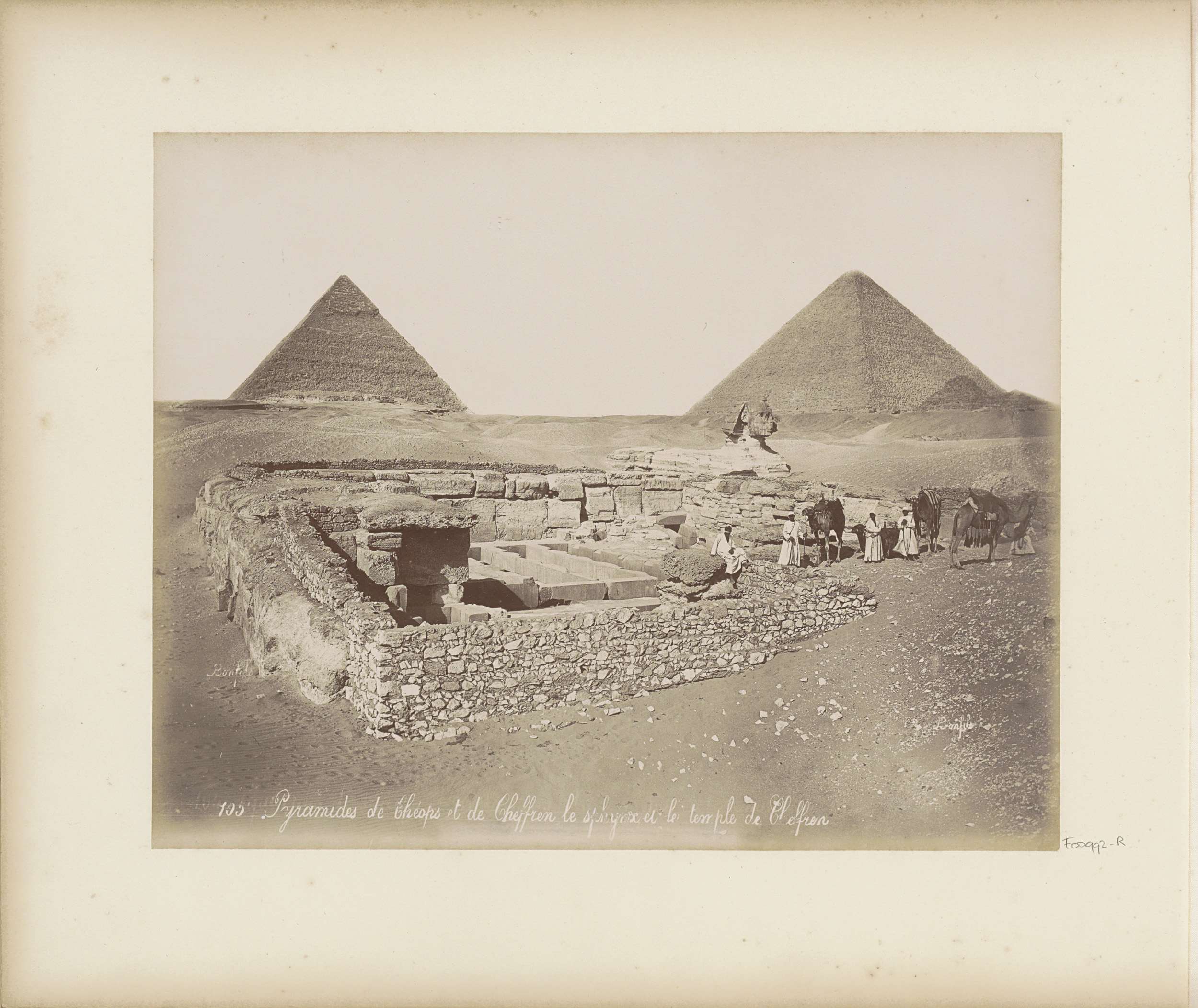
Pyramids of Cheops and Chephren and the Sphinx at Giza
 Artifact
Primary source
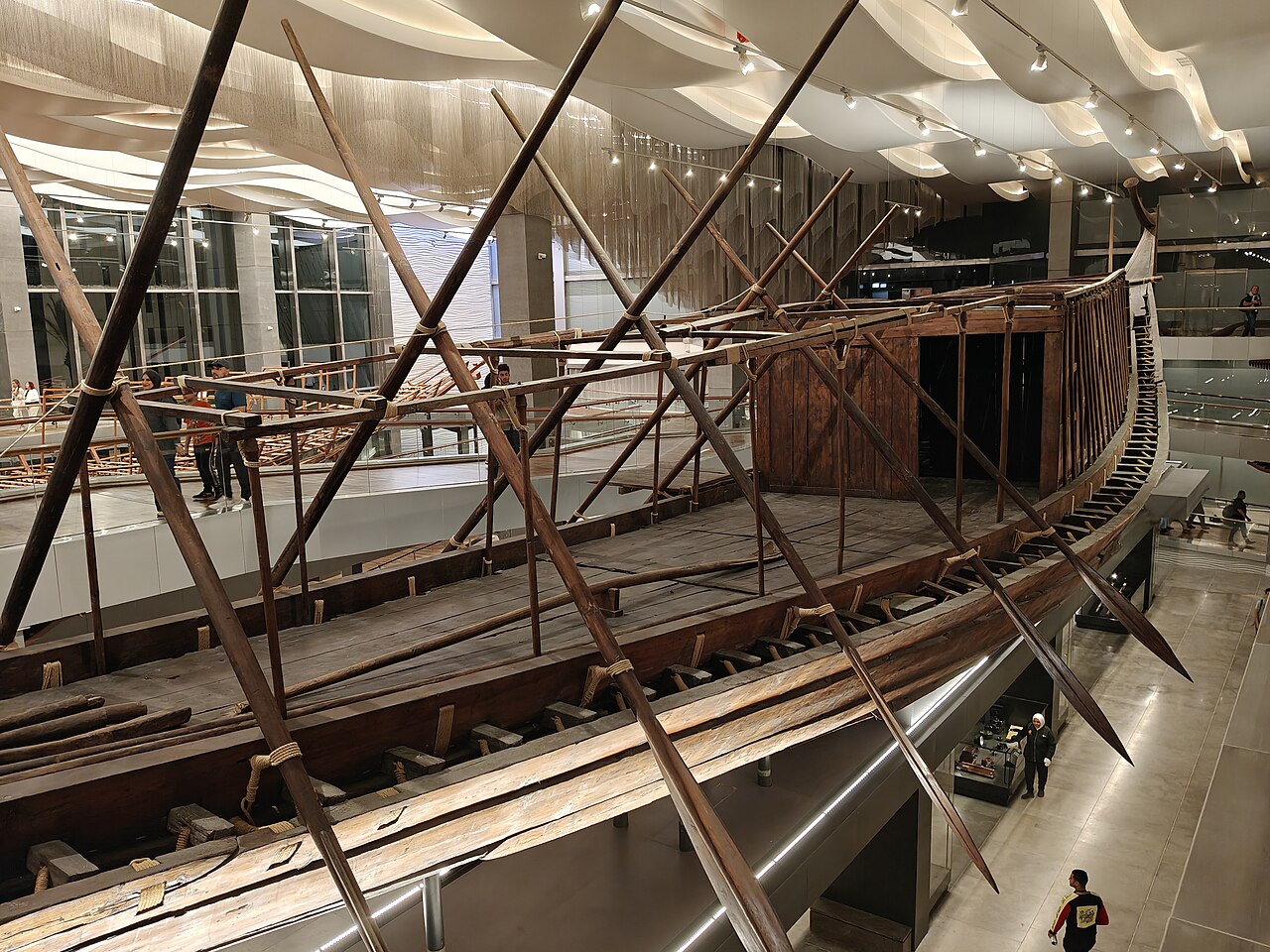
Khufu ship
Royal shipwrights of Khufu · c. 2566 BCE
Ready when you are
Start chatting with Pharaoh Khufu (Cheops) now.
20 messages free · No credit card · Available in 50+ languages.