


Primary sourceSculpturec. 2551–2528 BCE
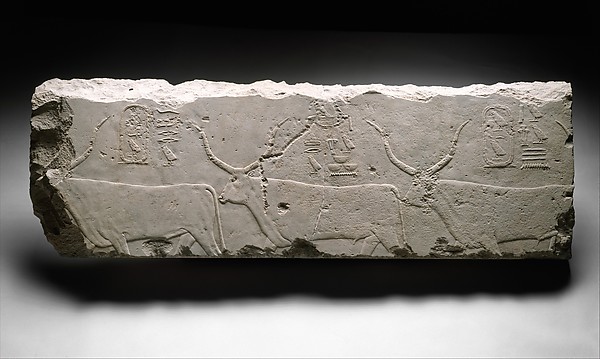
Relief Fragment with King Khufu's Cattle
c. 2551–2528 BCE
A carved limestone fragment showing cattle and offering figures, made during King Khufu's reign and now at the Metropolitan Museum of Art.
A direct survival from Khufu's own reign, showing his cattle and a rare glimpse of imagery from his time.
About this source
What it is
This limestone relief fragment shows carved cattle with curved horns, along with small figures of a seated official and offering stands, with a cartouche-like panel nearby. It dates to the Old Kingdom, Dynasty 4, during the reign of Khufu, and is held at the Metropolitan Museum of Art.
Why it matters
Scenes of cattle and offerings were common in Old Kingdom tomb and temple decoration, showing the wealth and food supplies linked to the king and his officials. As a rare surviving object from Khufu's own reign, it gives a direct glimpse of the imagery used at the time, rather than a later copy or description.
Look closer
- What do the cattle and offering figures suggest about daily life and wealth in this period?
- Why might scenes like this be carved in connection with a king's name?
- What parts of the scene are broken away, and how might that limit what we can learn?
This sculpture is part of the curated material that grounds the AI version of Pharaoh Khufu (Cheops) on Humy.ai — when students ask about related events, the AI can quote it and cite it.
More Pharaoh Khufu (Cheops) sources
Meet the AI Pharaoh Khufu (Cheops) →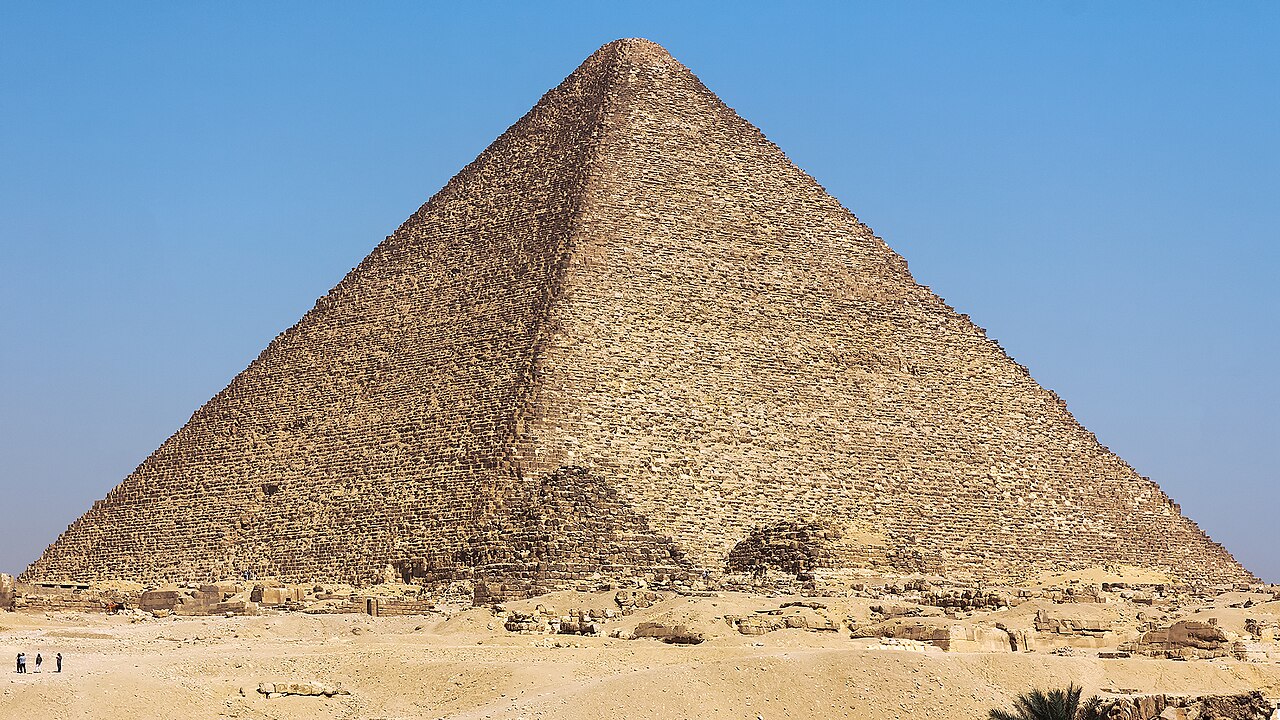 Artifact
Primary source
Great Pyramid of Giza
c. 2560 BCE
 Photograph
Secondary source
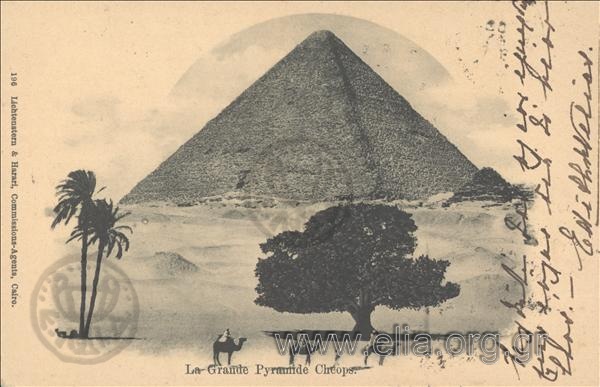
La Grande Pyramide Cheops
1903
 Sculpture
Primary source
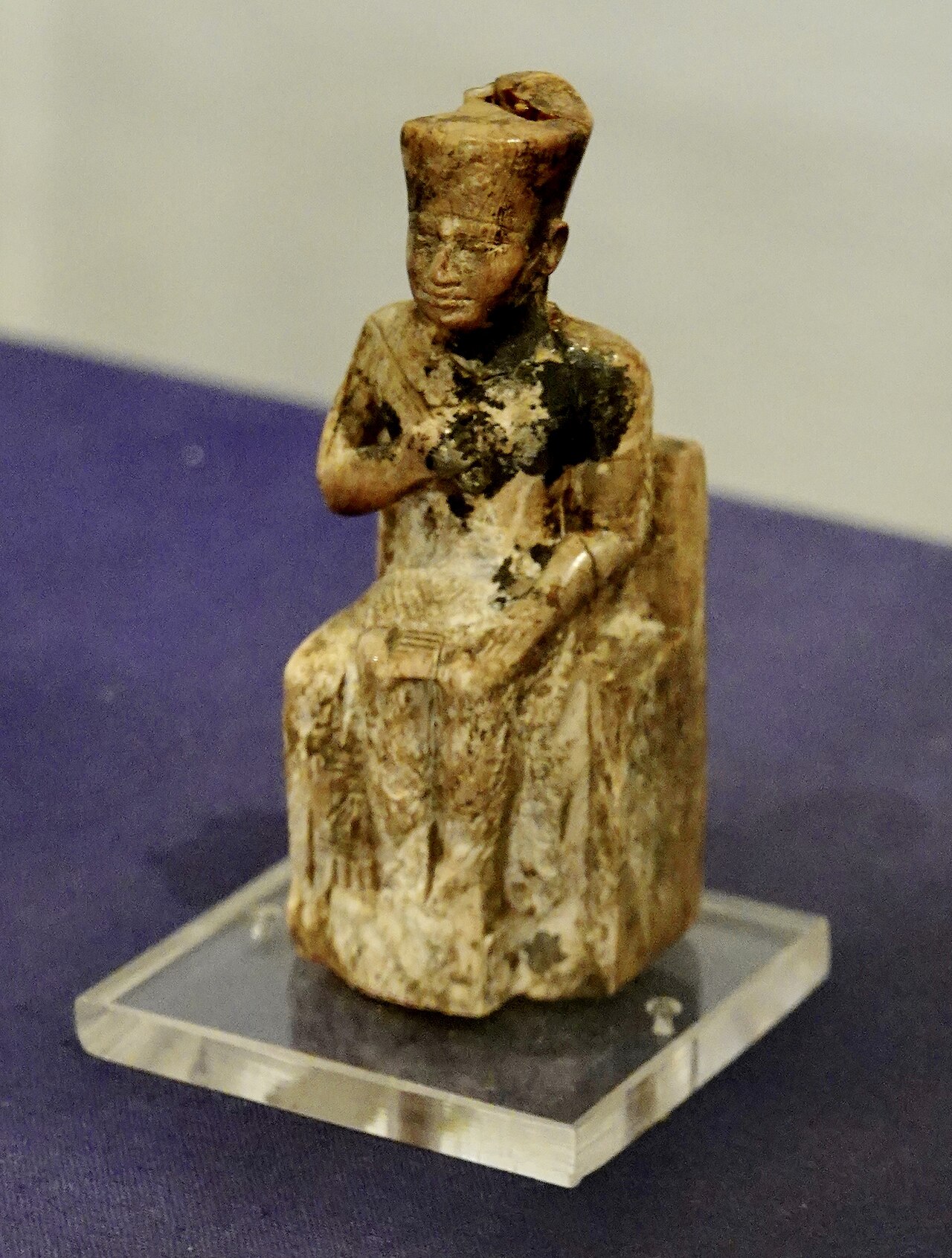
Khufu Statuette
c. 2600–2494 BCE (possibly later, 664–525 BCE)
 Photograph
Secondary source
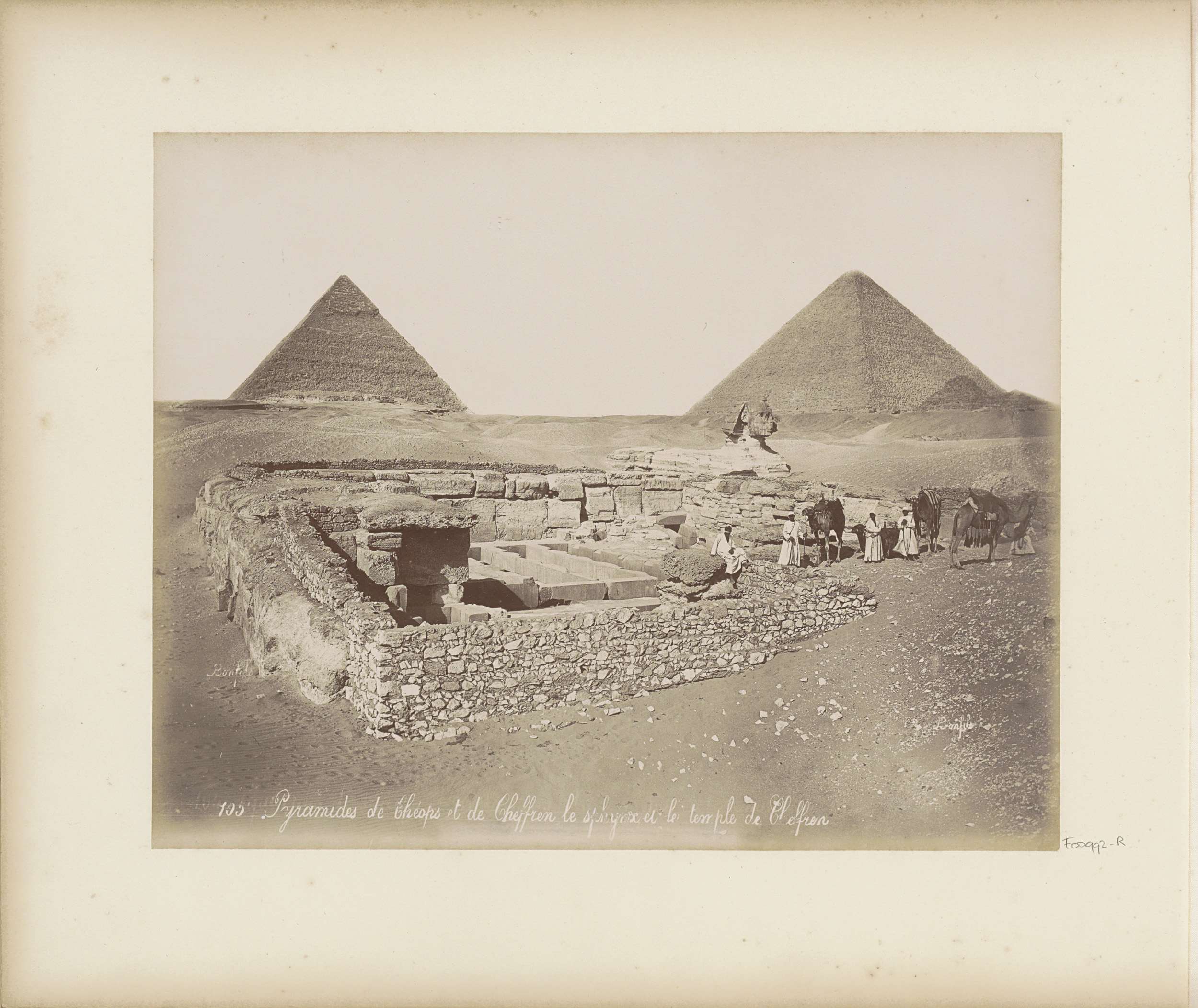
Pyramids of Cheops and Chephren and the Sphinx at Giza
 Artifact
Primary source
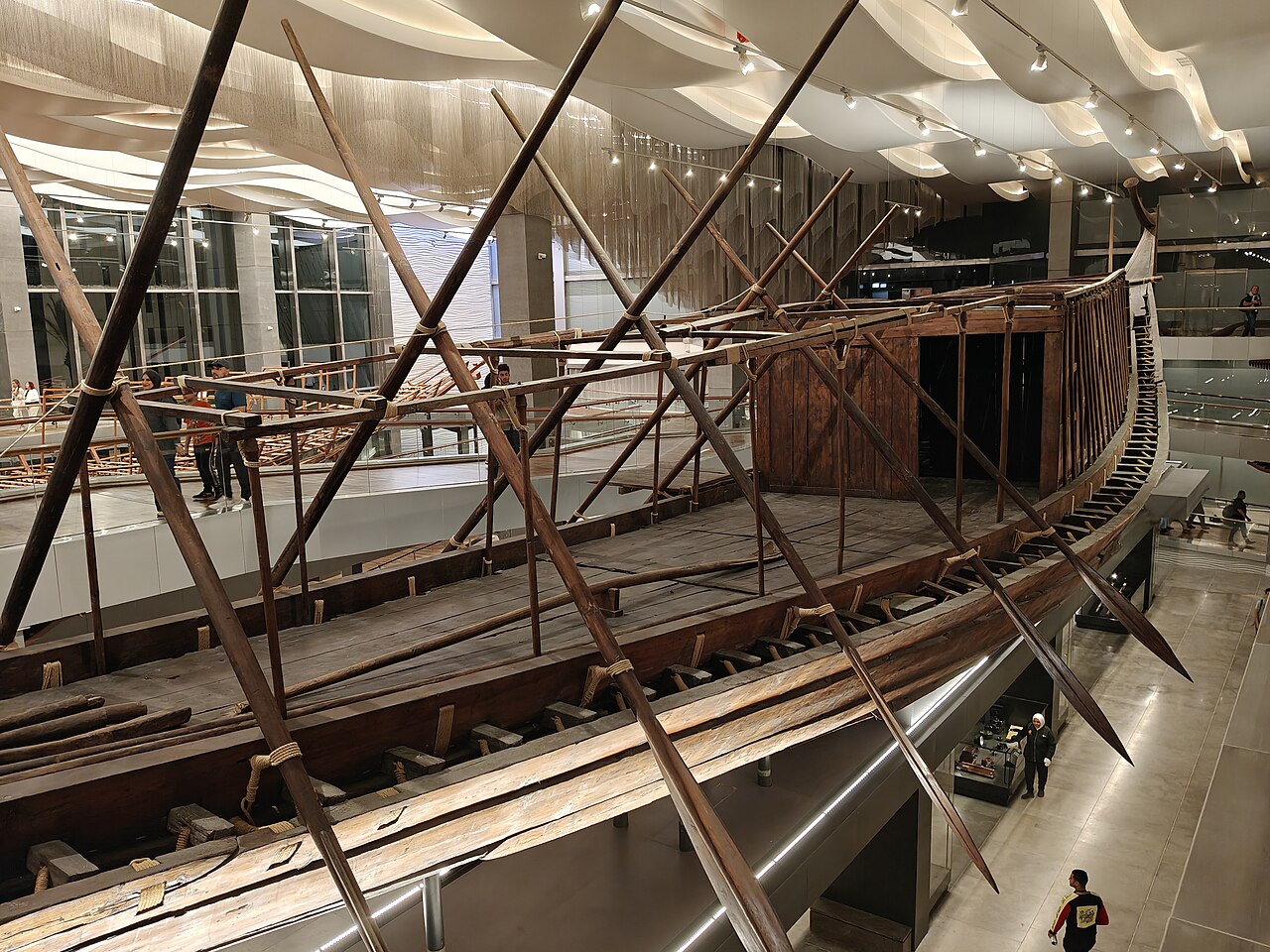
Khufu ship
Royal shipwrights of Khufu · c. 2566 BCE
Ready when you are
Start chatting with Pharaoh Khufu (Cheops) now.
20 messages free · No credit card · Available in 50+ languages.