


Primary sourceArtifactreign of Akhenaten
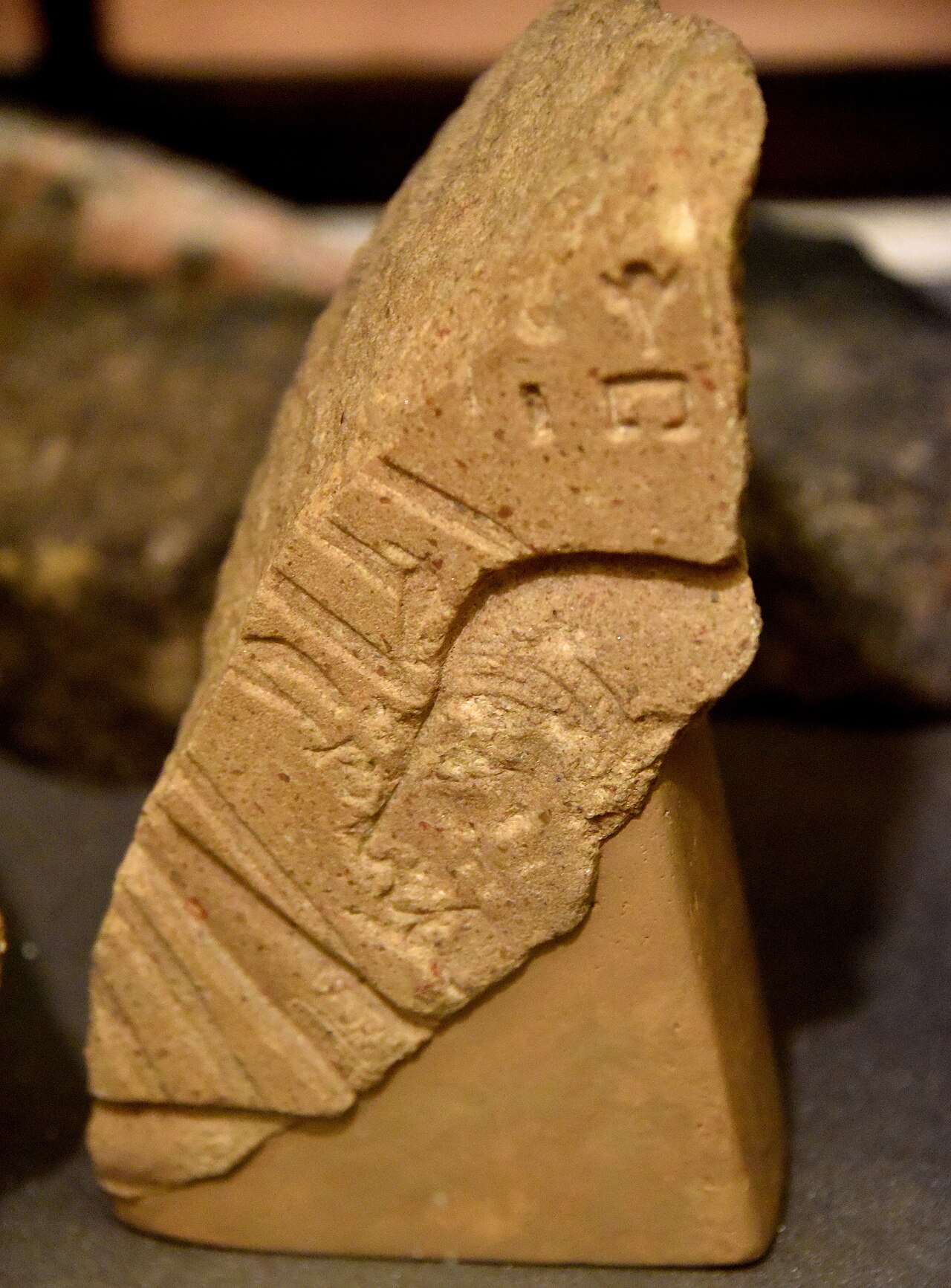
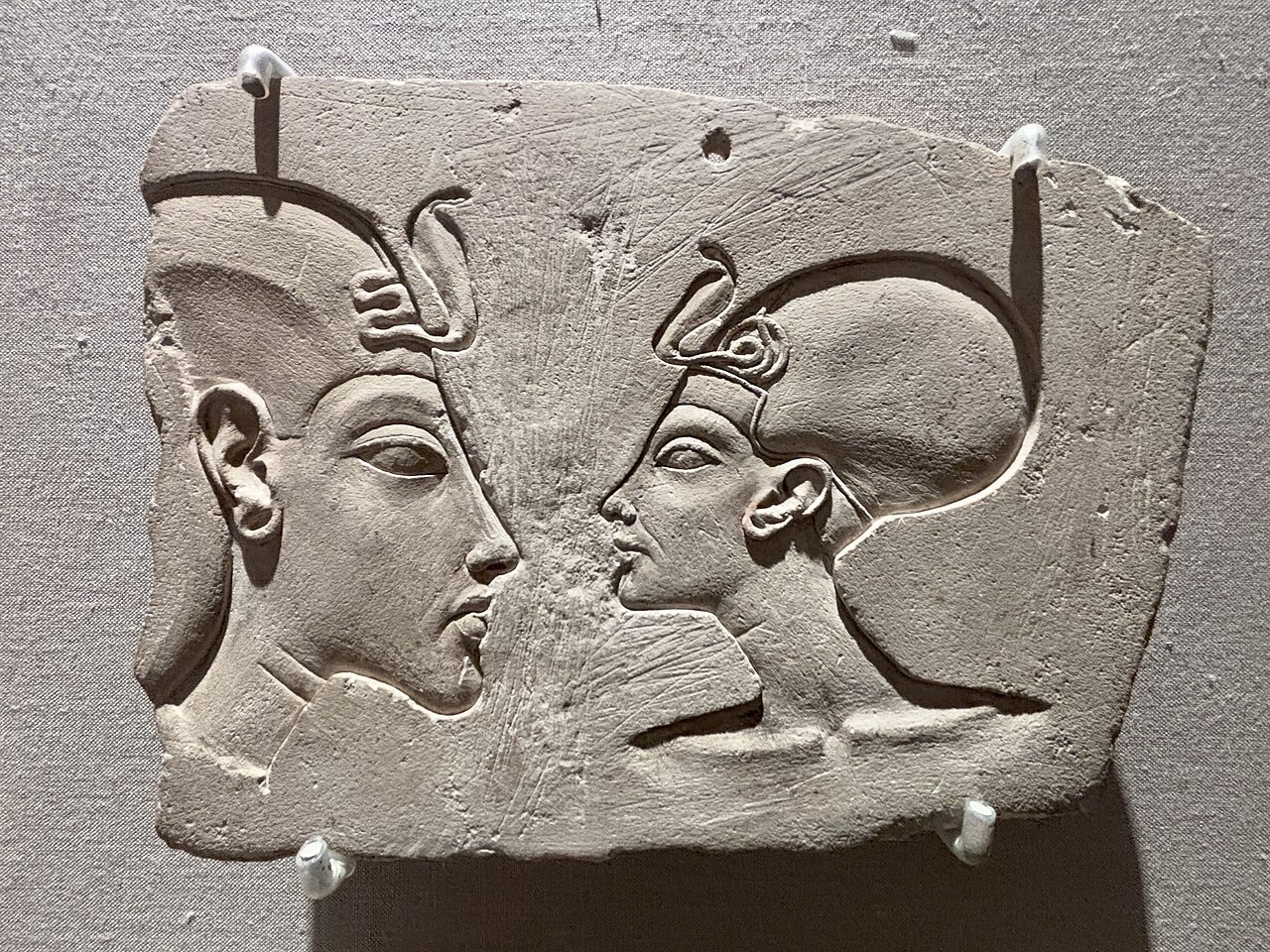
Relief Fragment with Royal Head and Early Aten Cartouches
reign of Akhenaten
A sandstone relief fragment from Amarna showing a royal head, probably Akhenaten, with early cartouches of the god Aten offering him life.
This relief shows Akhenaten receiving life from the god Aten, central to the new religion he promoted as king.
About this source
What it is
This sandstone relief fragment from Amarna, Egypt, dates to the reign of Akhenaten. It shows a royal head, probably Akhenaten, along with early hieroglyphic cartouches naming the god Aten, whose hand extends an ankh, the sign of life, to the king. It is held at the Petrie Museum of Egyptian Archaeology, London, photographed by Osama Shukir Muhammed Amin FRCP(Glasg).
Why it matters
The scene captures the central idea of Akhenaten's religion: a direct, personal bond between the king and the sun god Aten, who grants him life. The early form of the Aten's name shown here helps historians trace how the king's new religion developed and changed over his reign.
- What does it mean that the god's hand reaches directly toward the king?
- Why might the exact wording of a god's name matter to historians?
- What is missing from this fragment that might help us understand the full scene?
This artifact is part of the curated material that grounds the AI version of Akhenaten on Humy.ai — when students ask about related events, the AI can quote it and cite it.
More Akhenaten sources
Browse all 99 →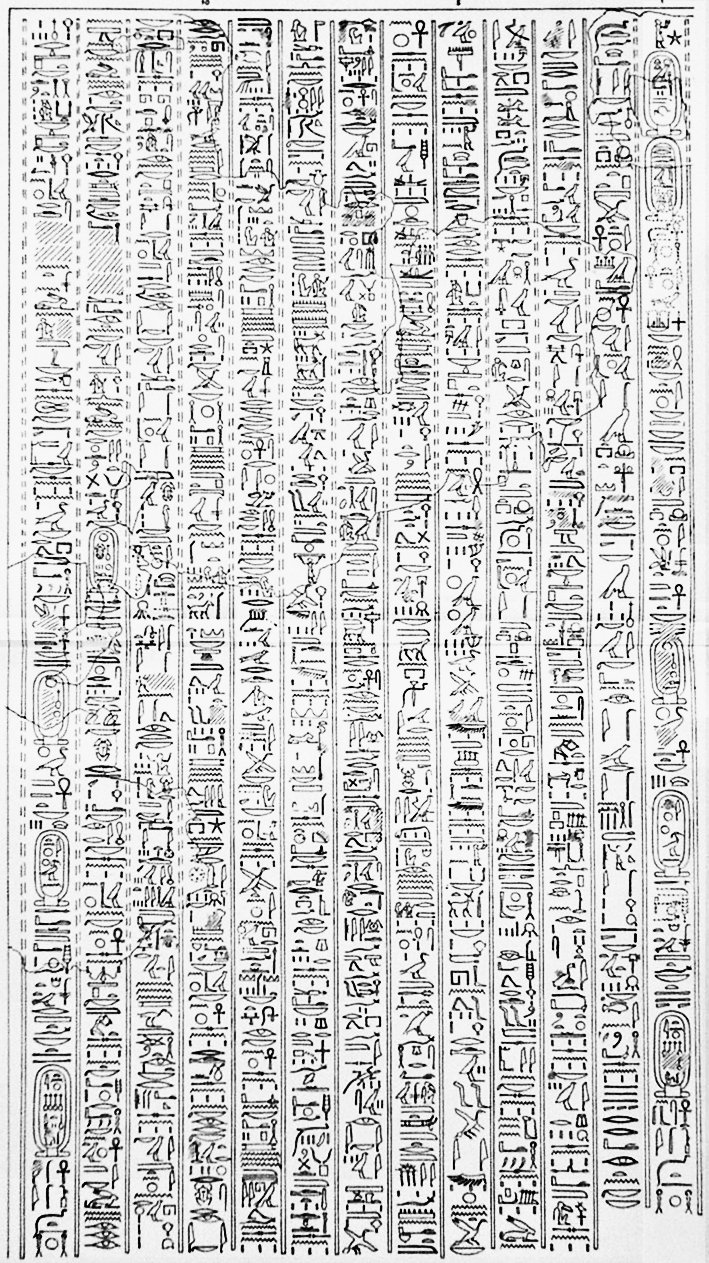 Document
Primary source
Great Hymn to the Aten
Akhenaten · c. 1350 BC
 Document
Primary source
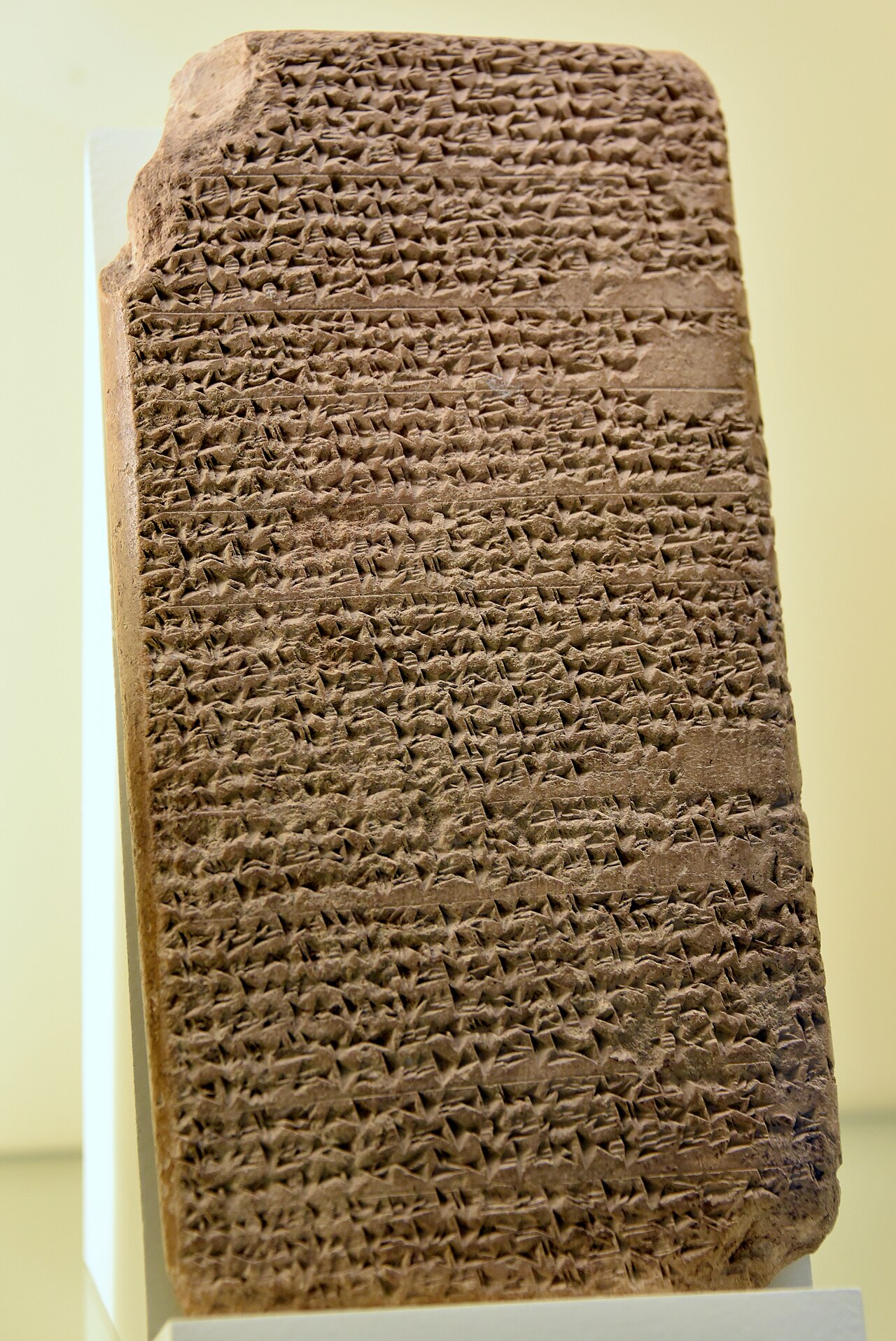
Amarna letters
Foreign rulers and vassals of Egypt; Egyptian chancery · c. 1360–1332 BCE
 Sculpture
Primary source
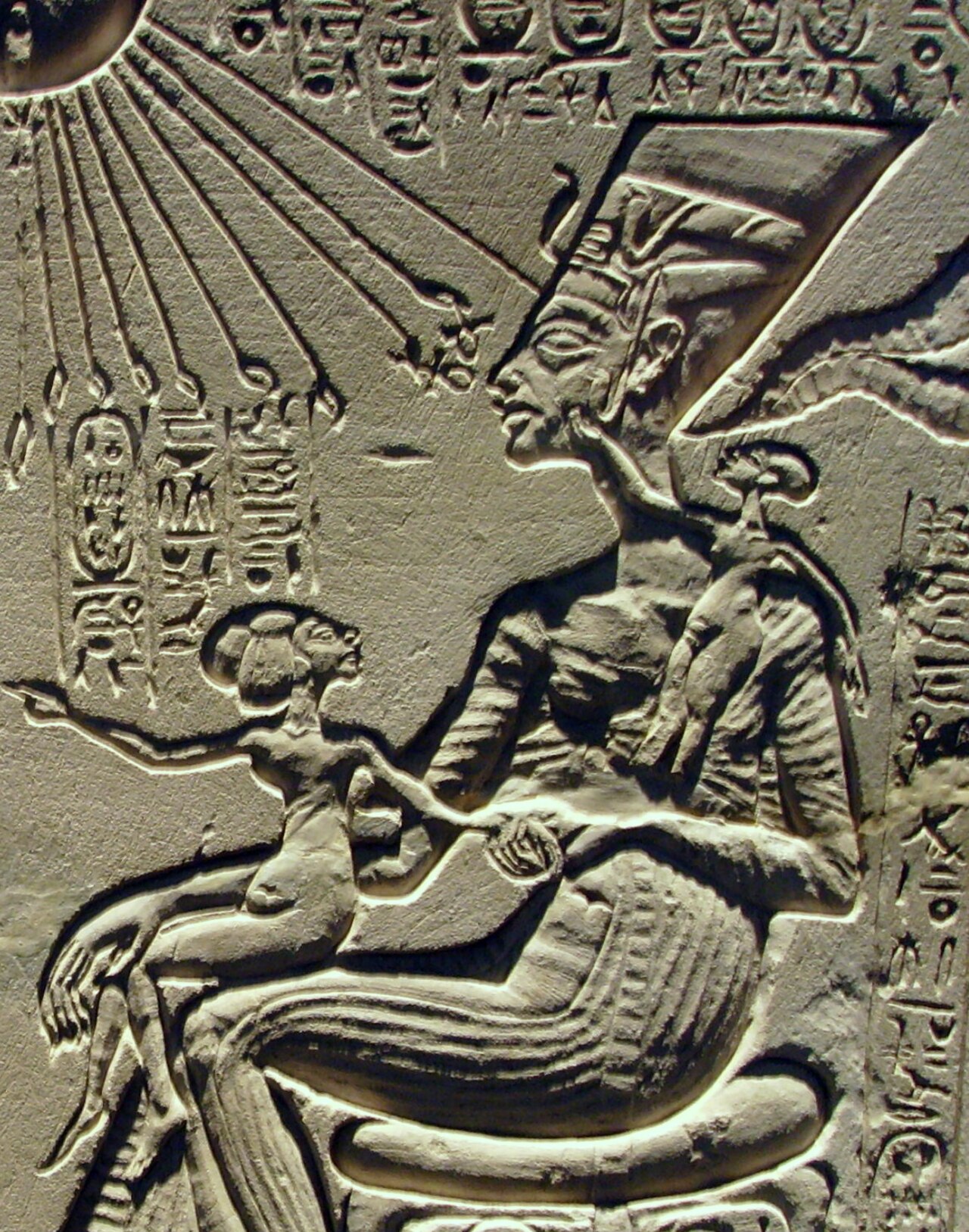
Akhenaten and His Family
c. 1352 BC
 Sculpture
Primary source
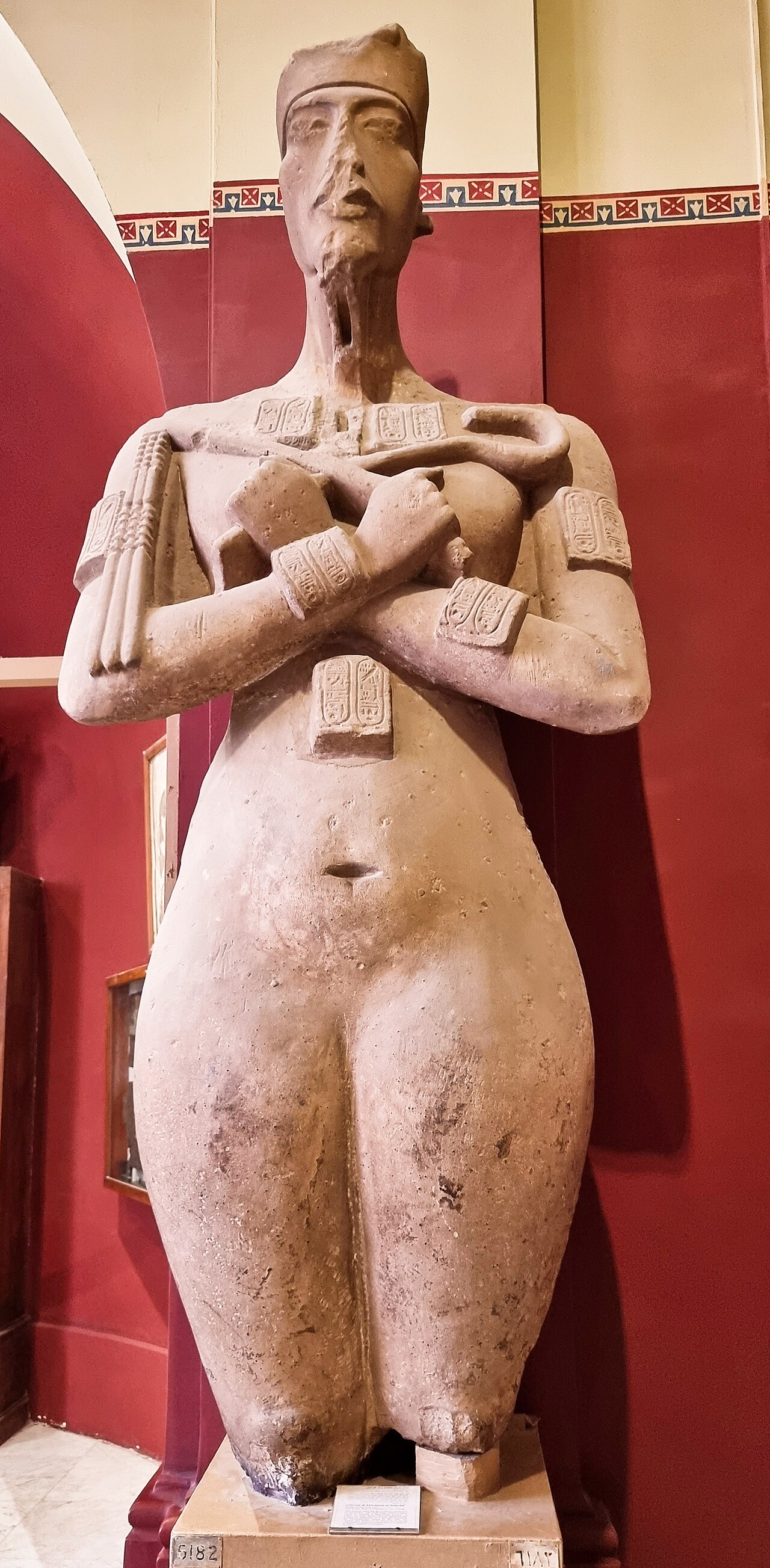
Colossal Statue of Akhenaten or Nefertiti
Free account
Read every Akhenaten source
Sign up free →
Ready when you are
Start chatting with Akhenaten now.
20 messages free · No credit card · Available in 50+ languages.