


Primary sourceSculptureca. 2551–2528 BCE
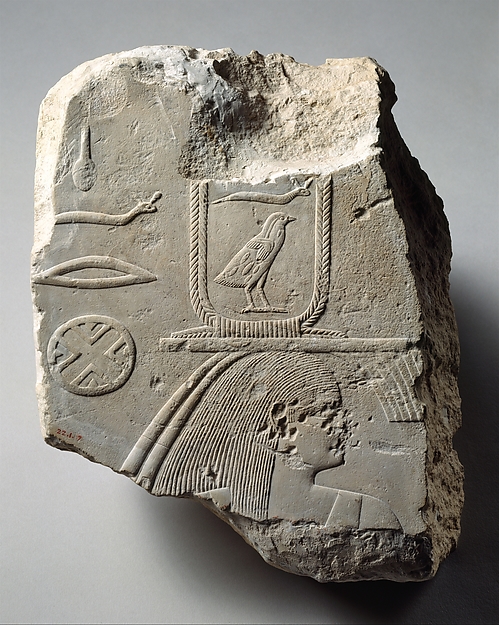
Relief Head of a Female Personification of an Estate
ca. 2551–2528 BCE
A limestone relief fragment from Khufu's reign showing a female figure representing a royal estate.
Made during Khufu's reign, this relief reflects the administration of estates supporting his royal projects.
About this source
What it is
This limestone relief fragment dates to the reign of Khufu, in Egypt's Old Kingdom Fourth Dynasty. It shows the carved head of a woman in profile, wearing a long wig, with a falcon motif above and hieroglyphic signs beside her. It is held today at the Metropolitan Museum of Art.
Why it matters
The figure personifies an estate — a piece of land or property dedicated to supplying a tomb or temple. Such reliefs reveal how the Egyptian state under Khufu organized land and resources to support royal and religious institutions, and show the skill of Old Kingdom sculptors working for the crown.
Look closer
- Why might an estate be represented as a person rather than written only in words?
- What do the hieroglyphs beside the head tell us, and what might be missing from the broken fragment?
- What does this relief suggest about the economy supporting Khufu's monuments?
This sculpture is part of the curated material that grounds the AI version of Pharaoh Khufu (Cheops) on Humy.ai — when students ask about related events, the AI can quote it and cite it.
More Pharaoh Khufu (Cheops) sources
Meet the AI Pharaoh Khufu (Cheops) →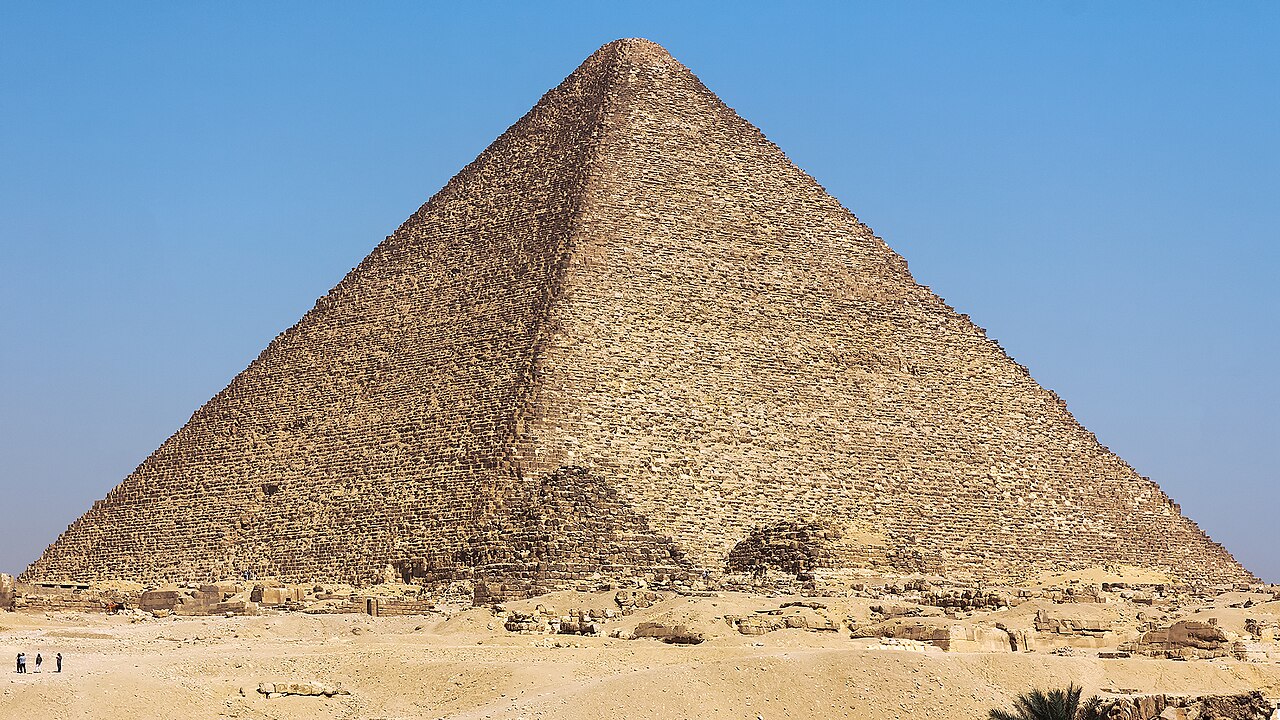 Artifact
Primary source
Great Pyramid of Giza
c. 2560 BCE
 Photograph
Secondary source
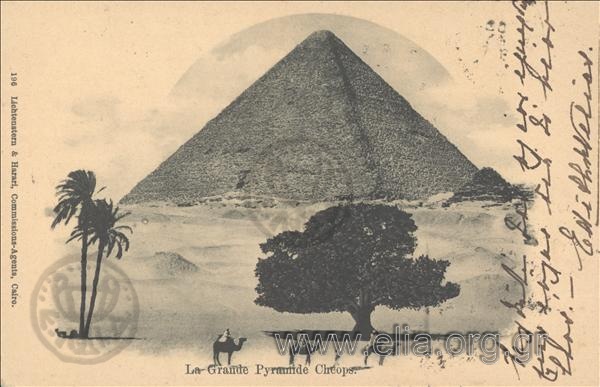
La Grande Pyramide Cheops
1903
 Sculpture
Primary source
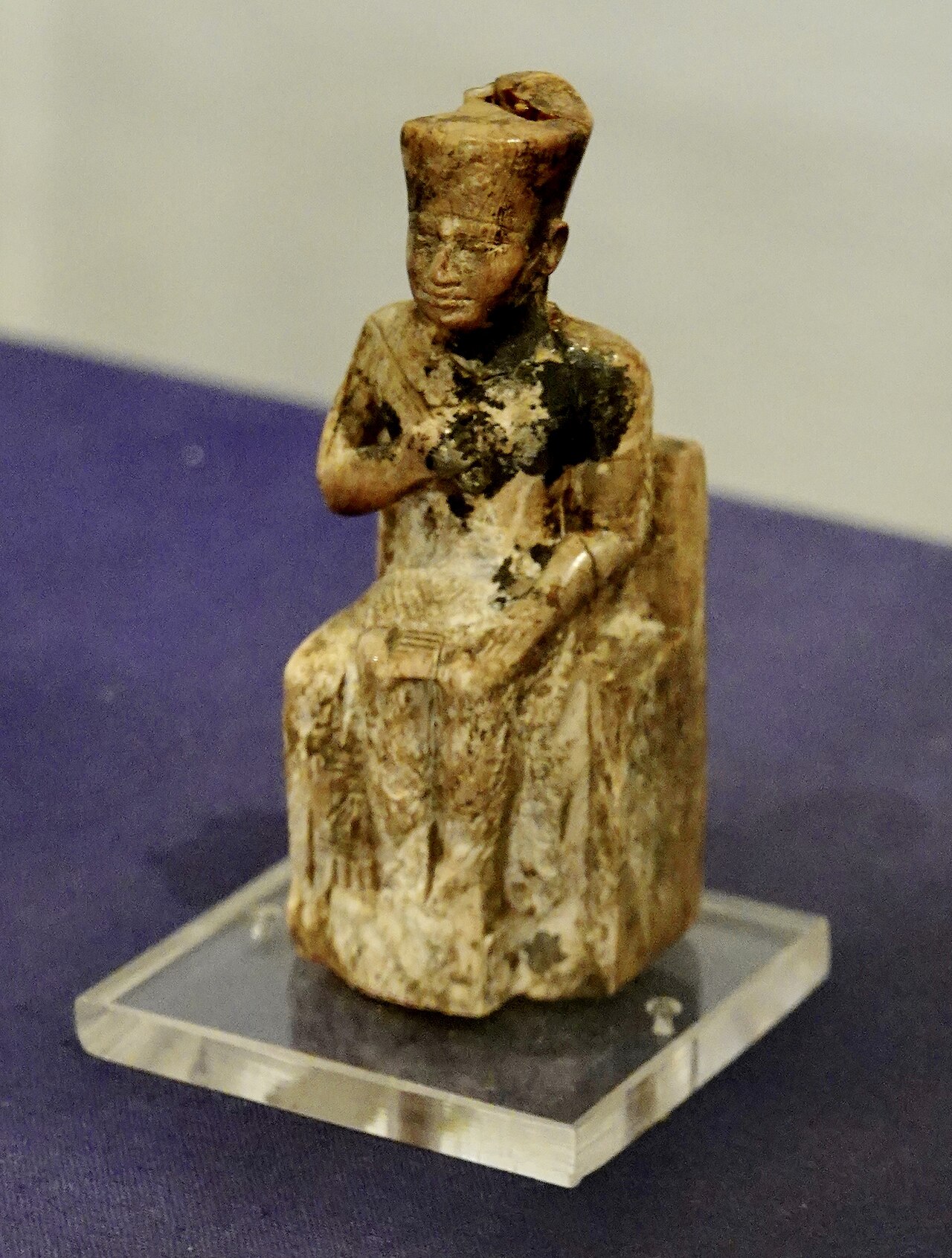
Khufu Statuette
c. 2600–2494 BCE (possibly later, 664–525 BCE)
 Photograph
Secondary source
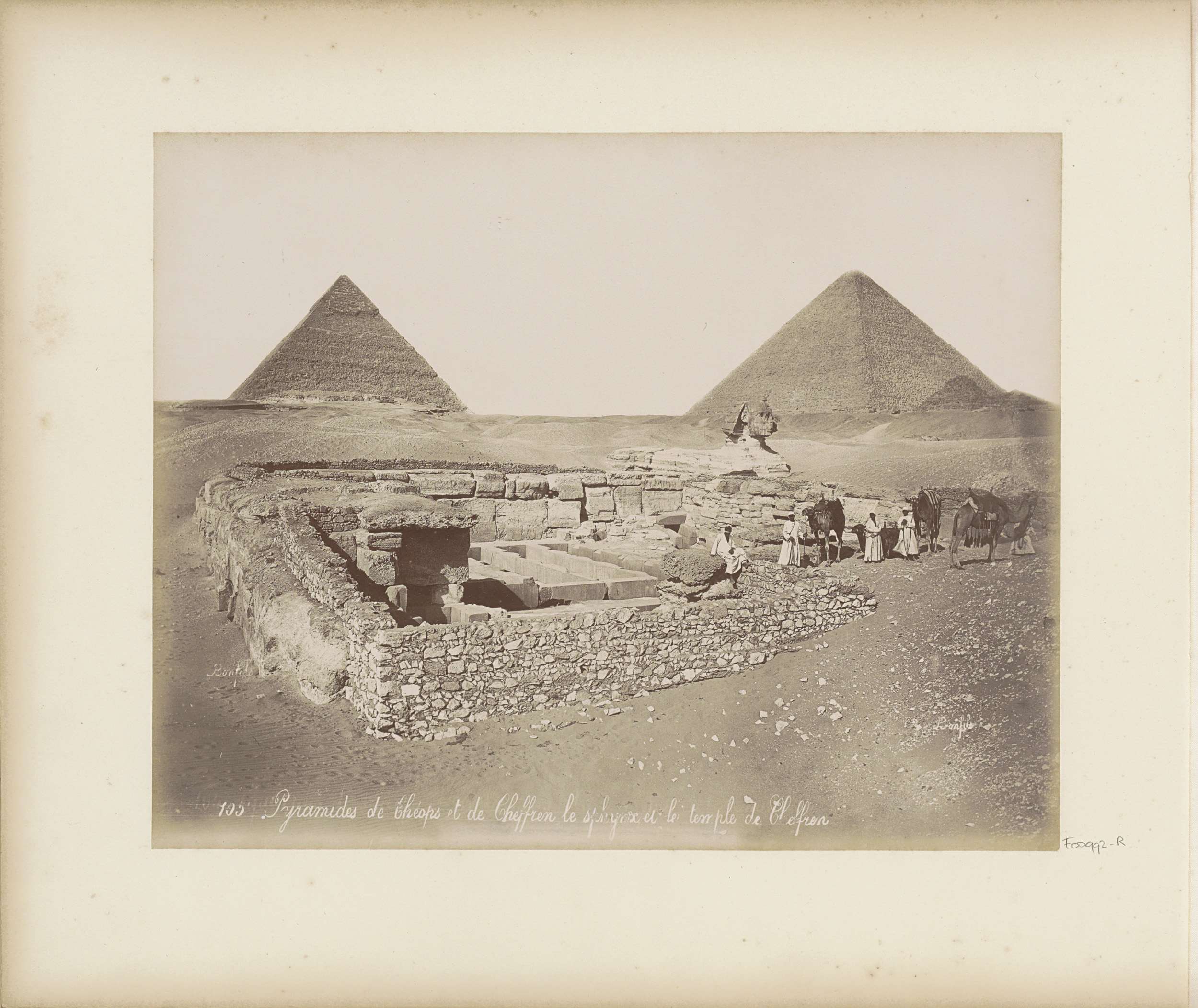
Pyramids of Cheops and Chephren and the Sphinx at Giza
 Artifact
Primary source
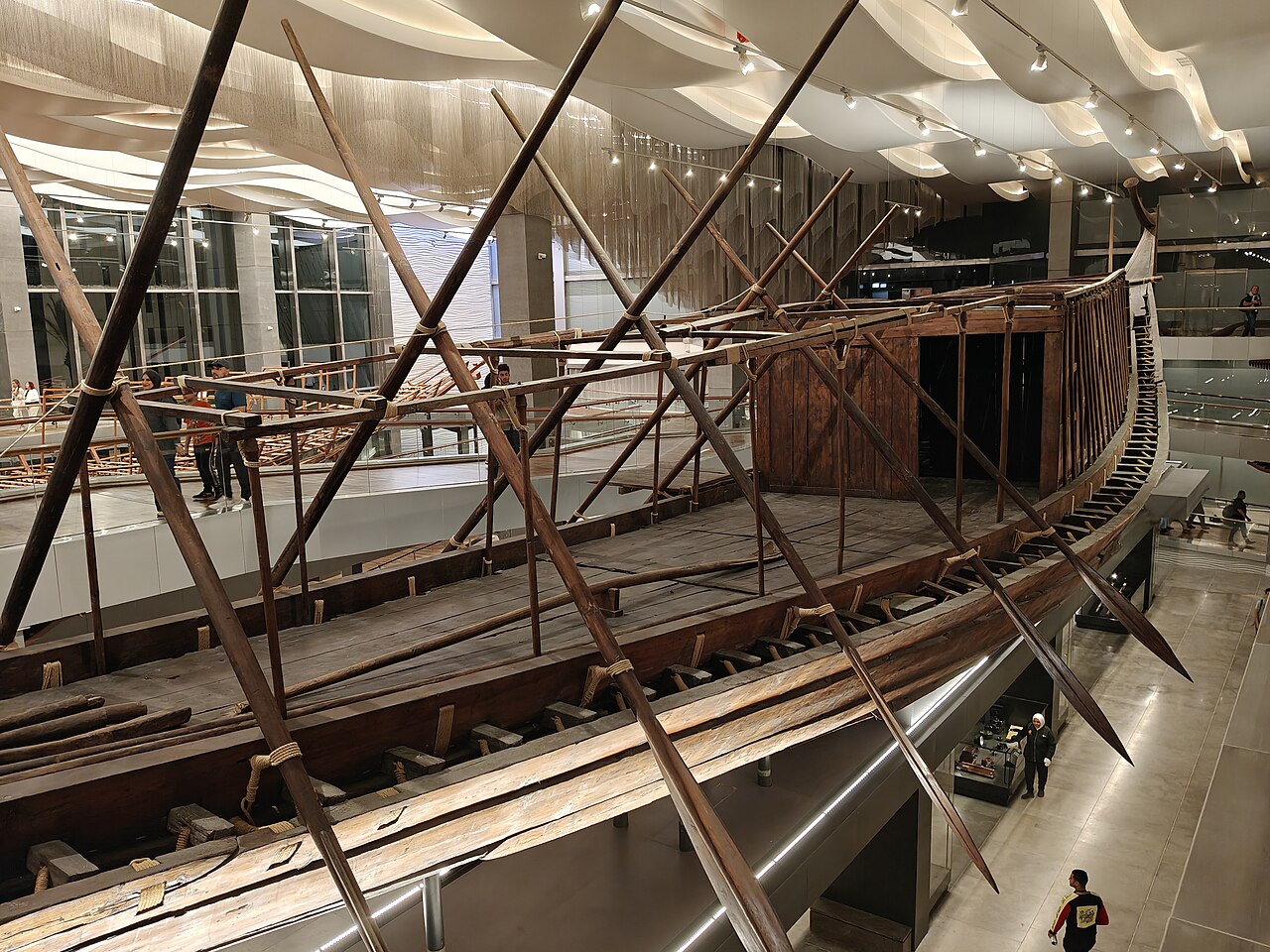
Khufu ship
Royal shipwrights of Khufu · c. 2566 BCE
Ready when you are
Start chatting with Pharaoh Khufu (Cheops) now.
20 messages free · No credit card · Available in 50+ languages.