


Primary sourceSculpture1352–1336 BC
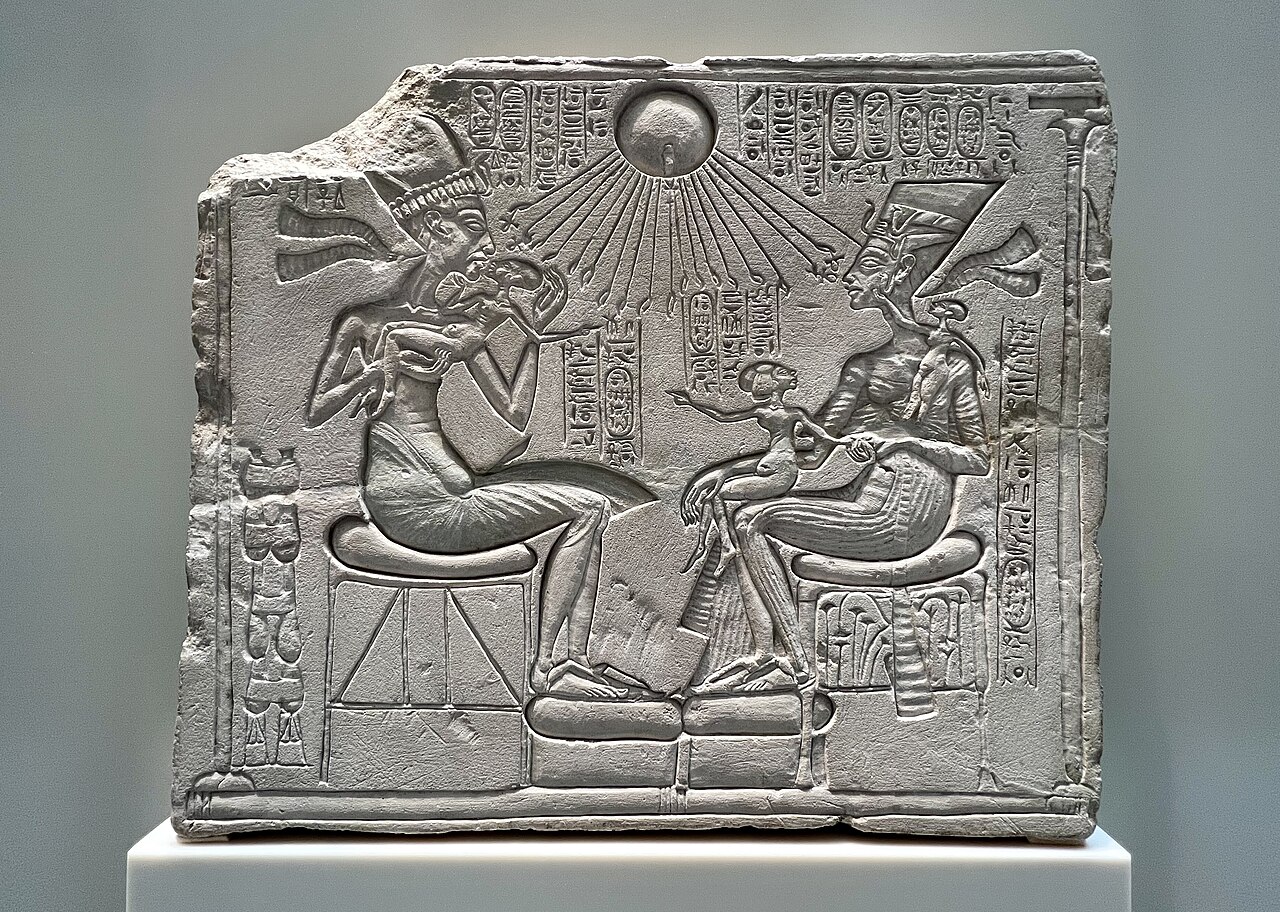
Relief of Akhenaten, Nefertiti and Three Daughters
1352–1336 BC
A painted limestone relief showing the royal family worshiping together, with Nefertiti seated holding a daughter.
Nefertiti appears seated with a daughter in this family scene, showing her prominent place in Amarna royal imagery.
About this source
What it is
This painted limestone relief, dated 1352–1336 BC, shows the royal family: Akhenaten, Nefertiti and their daughters. Akhenaten sits on one side beneath a sun disk with rays, Nefertiti on the other with a small daughter on her lap, and hieroglyphs fill the surrounding space. It is held at the Egyptian Museum of Berlin.
Why it matters
This relief is a classic example of Amarna art, which broke from older Egyptian traditions by showing the royal family in informal, affectionate poses beneath the rays of the sun god Aten. It reflects Akhenaten's religious changes and shows Nefertiti as a central figure in the new royal imagery.
Look closer
- What is the sun disk doing in the scene, and why might it be placed above the family?
- How does Nefertiti's pose with her daughter compare to traditional, more formal royal images?
- What might the hieroglyphs be recording that the picture alone does not tell us?
This sculpture is part of the curated material that grounds the AI version of Queen Nefereti on Humy.ai — when students ask about related events, the AI can quote it and cite it.
More Queen Nefereti sources
Meet the AI Queen Nefereti →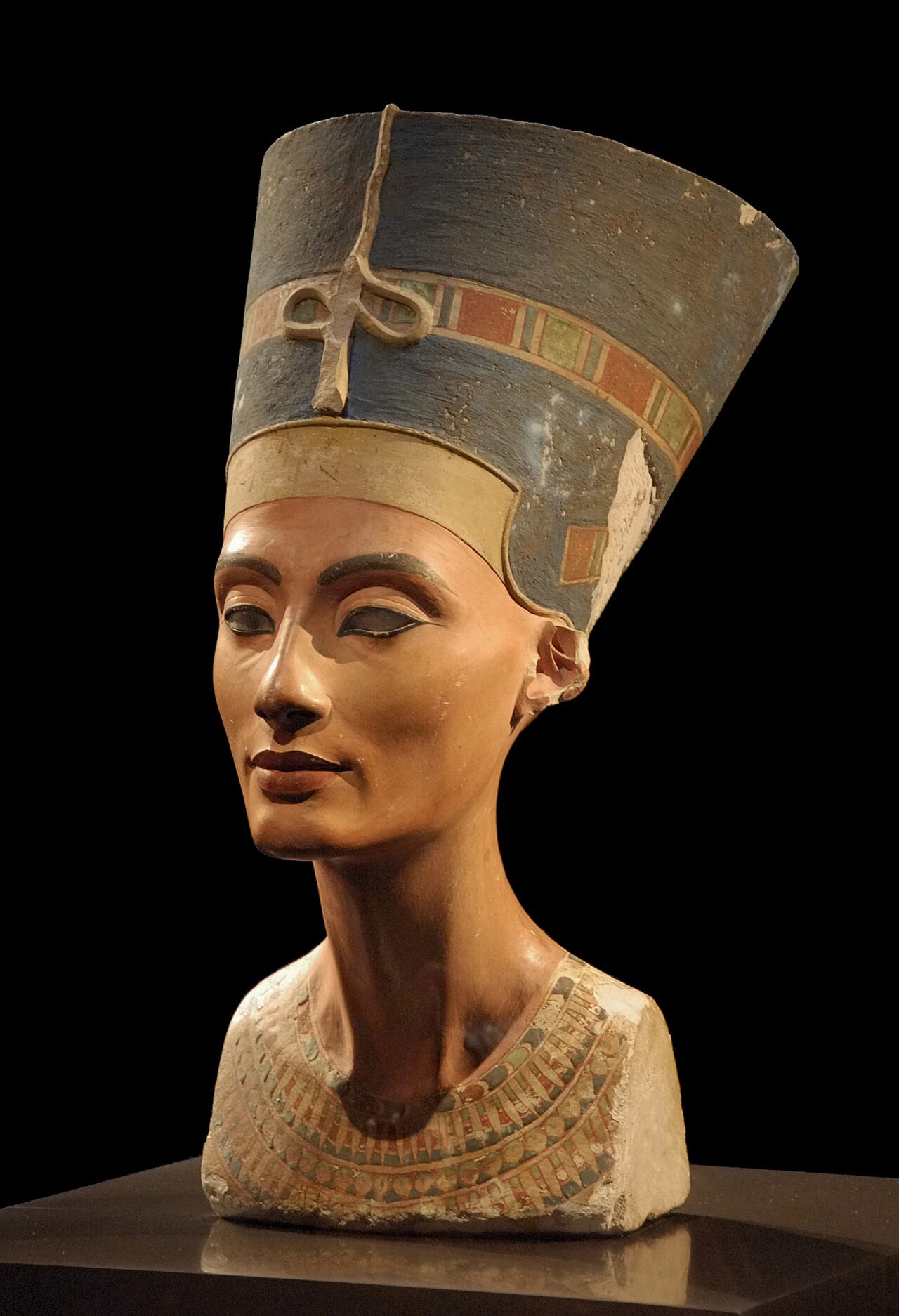 Sculpture
Primary source
Bust of Queen Nefertiti
Thutmose · c. 1345 BC
 Sculpture
Primary source
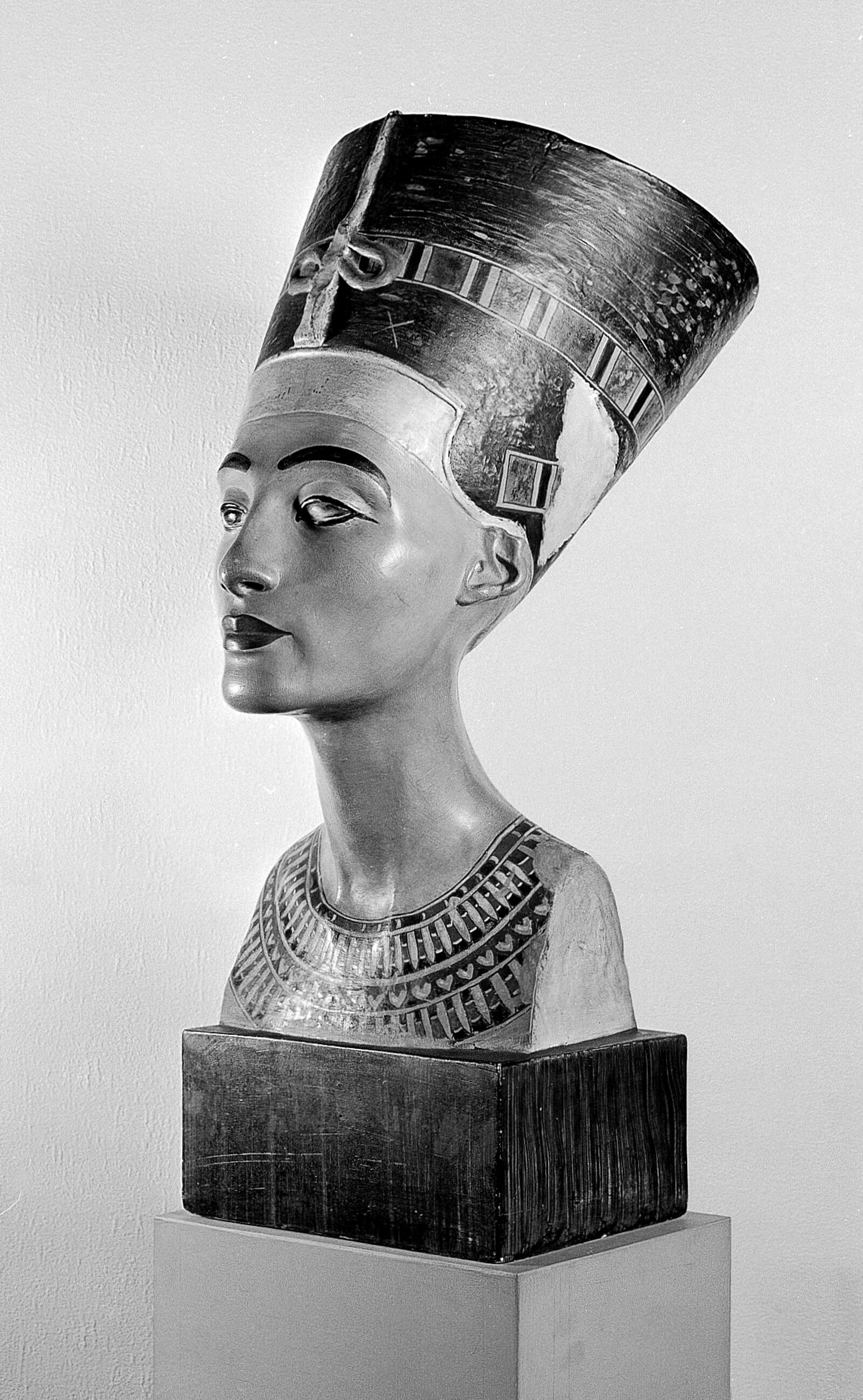
Figure of Nefertiti
 Sculpture
Primary source
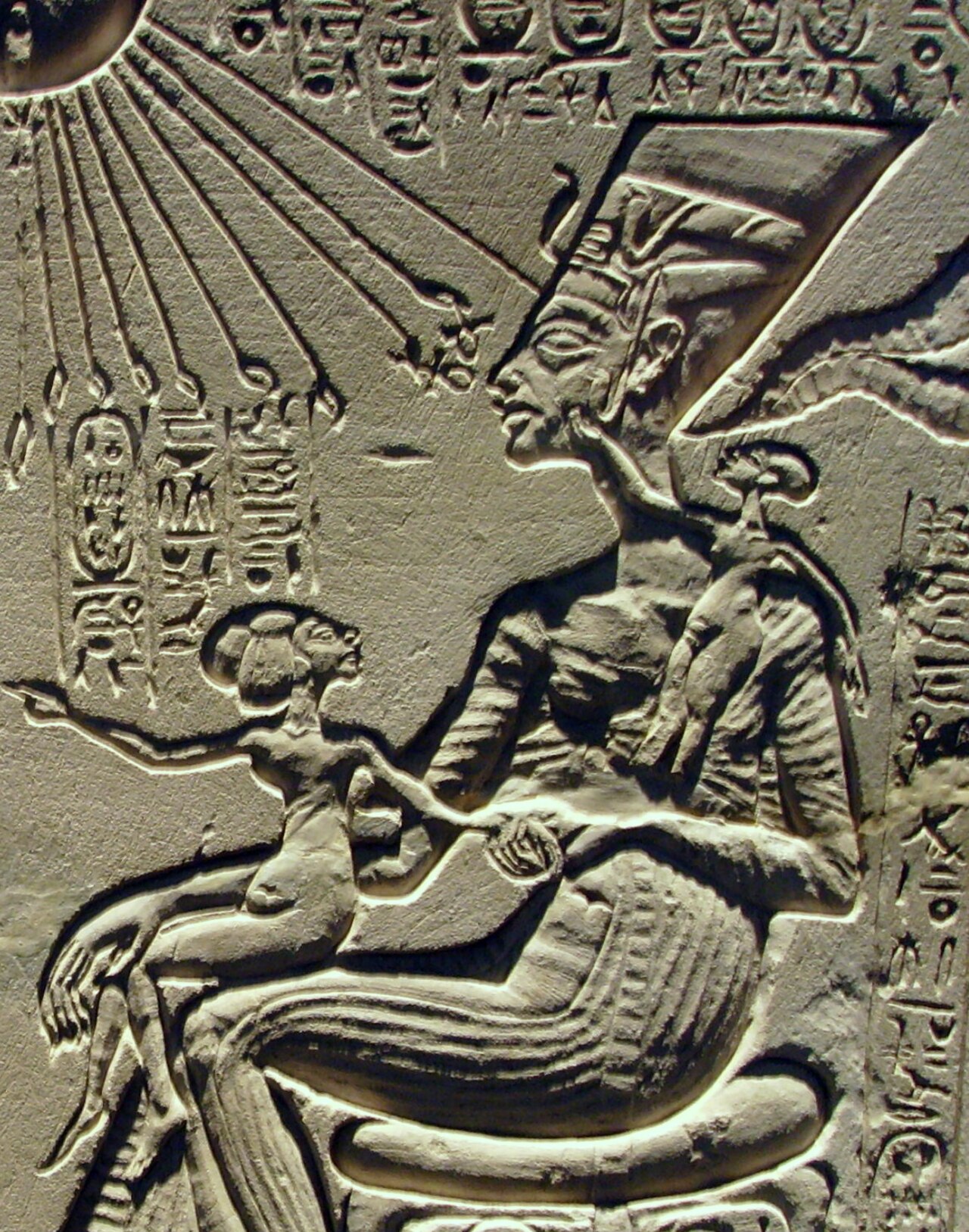
Akhenaten and His Family
c. 1352 BC
 Sculpture
Primary source
Relief Fragment Showing the Blue Crown of Nefertiti
 Document
Primary source
Great Hymn to the Aten
Akhenaten · c. 1350 BC
Ready when you are
Start chatting with Queen Nefereti now.
20 messages free · No credit card · Available in 50+ languages.