


Primary sourceArtifactOld Kingdom, c. 2600-2500 BCE
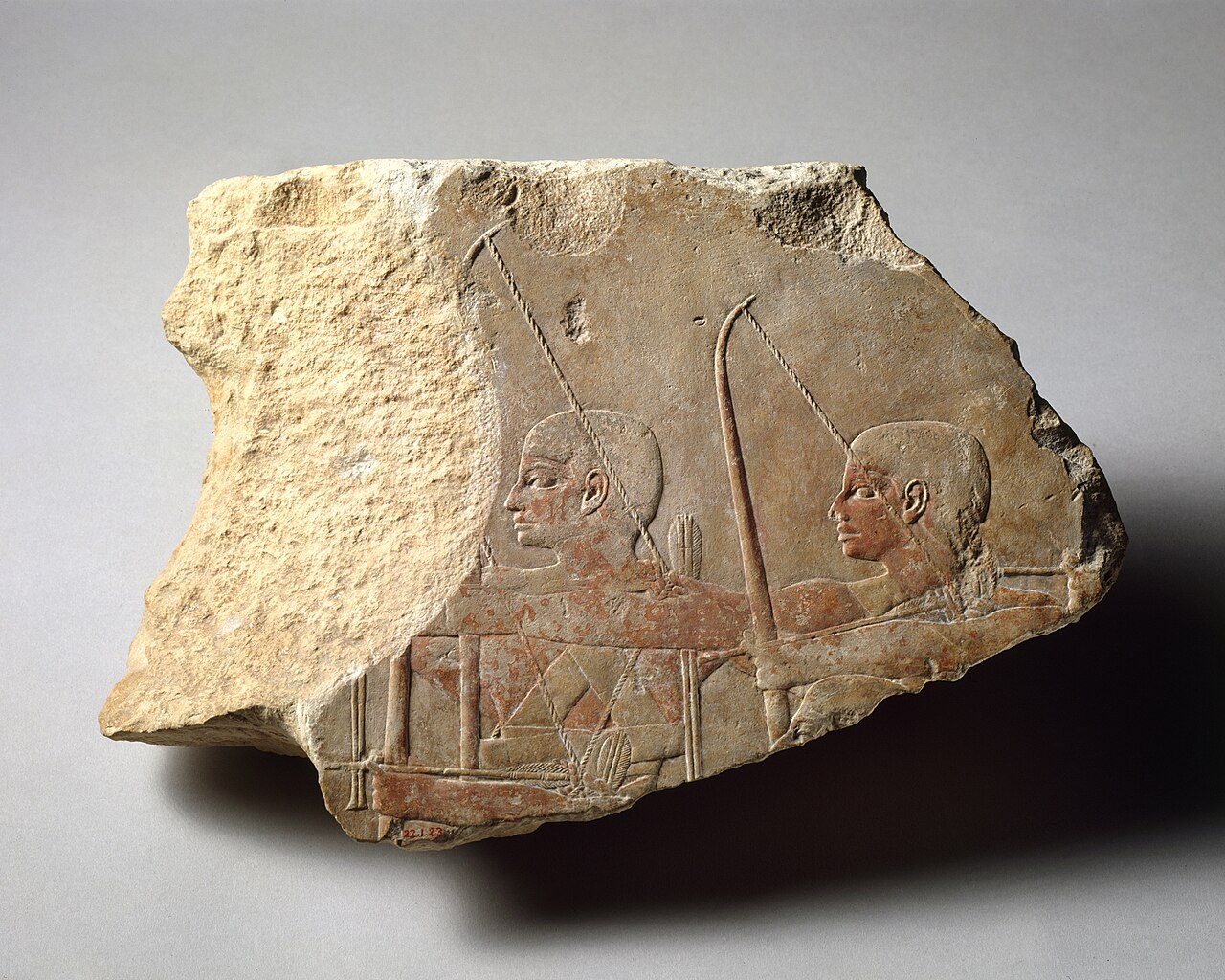
Relief of Archers from Lisht
Unknown Egyptian sculptor · Old Kingdom, c. 2600-2500 BCE
A limestone relief fragment of two archers, reused at Lisht and attributed to the decoration of Khufu's lost pyramid temple.
A relief fragment thought to come from Khufu's pyramid temple, offering rare evidence of its lost decoration.
About this source
What it is
This is a carved limestone relief fragment showing two archers, each with a bow and quiver, carved in profile with traces of red paint. It was found reused at Lisht, a site later built up by Middle Kingdom rulers who recycled stone blocks from older monuments.
Why it matters
Scholars connect this fragment to the lost pyramid temple of Khufu, since later kings often stripped older royal buildings for building material. If the attribution is correct, it is a rare surviving piece of decoration from a monument central to Khufu's reign, showing how Old Kingdom artists depicted warfare and the pharaoh's forces.
Look closer
- What details can you see in the carving despite the weathering?
- Why might a block from one king's monument end up reused somewhere else centuries later?
- What does this fragment NOT tell us about the original building it came from?
This artifact is part of the curated material that grounds the AI version of Pharaoh Khufu (Cheops) on Humy.ai — when students ask about related events, the AI can quote it and cite it.
More Pharaoh Khufu (Cheops) sources
Meet the AI Pharaoh Khufu (Cheops) →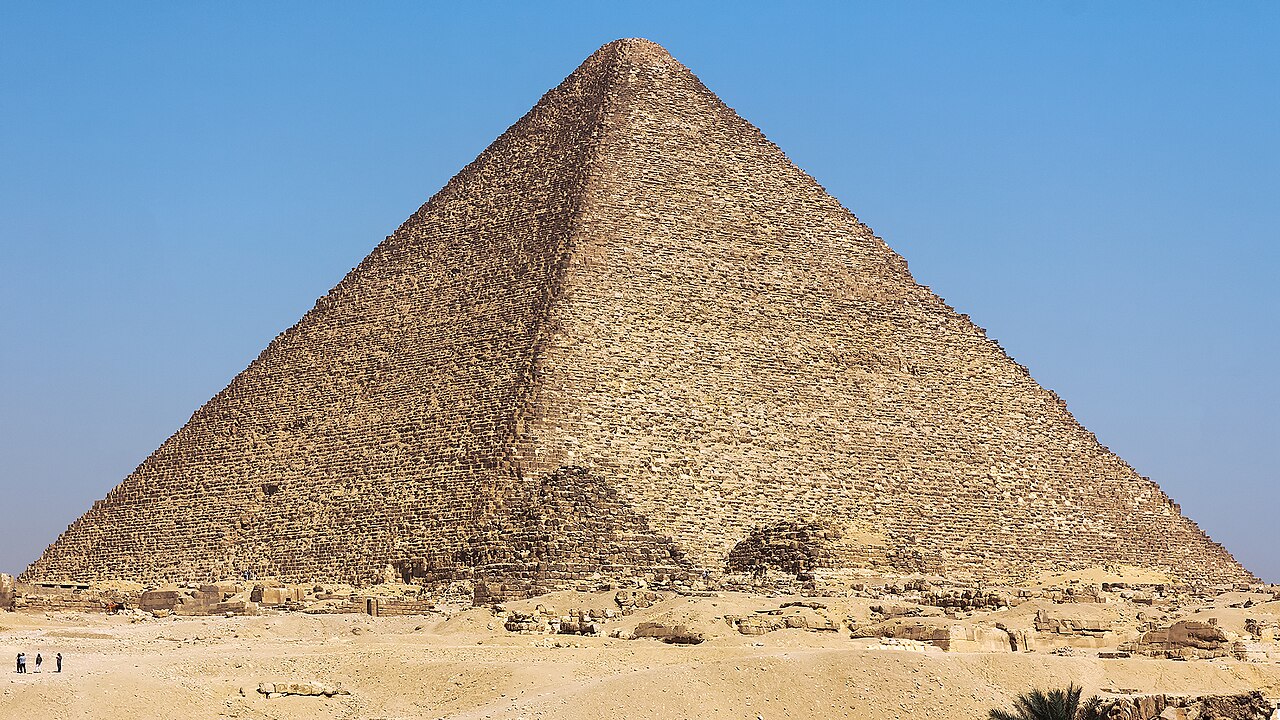 Artifact
Primary source
Great Pyramid of Giza
c. 2560 BCE
 Photograph
Secondary source
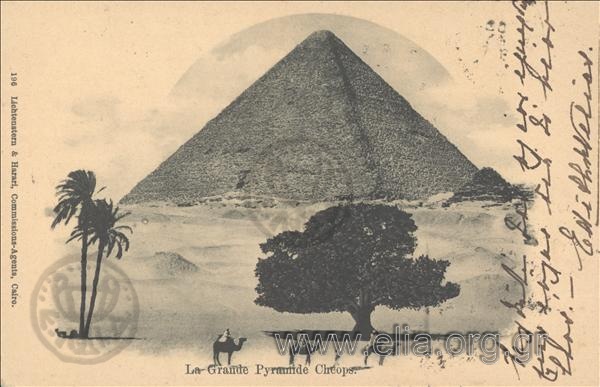
La Grande Pyramide Cheops
1903
 Sculpture
Primary source
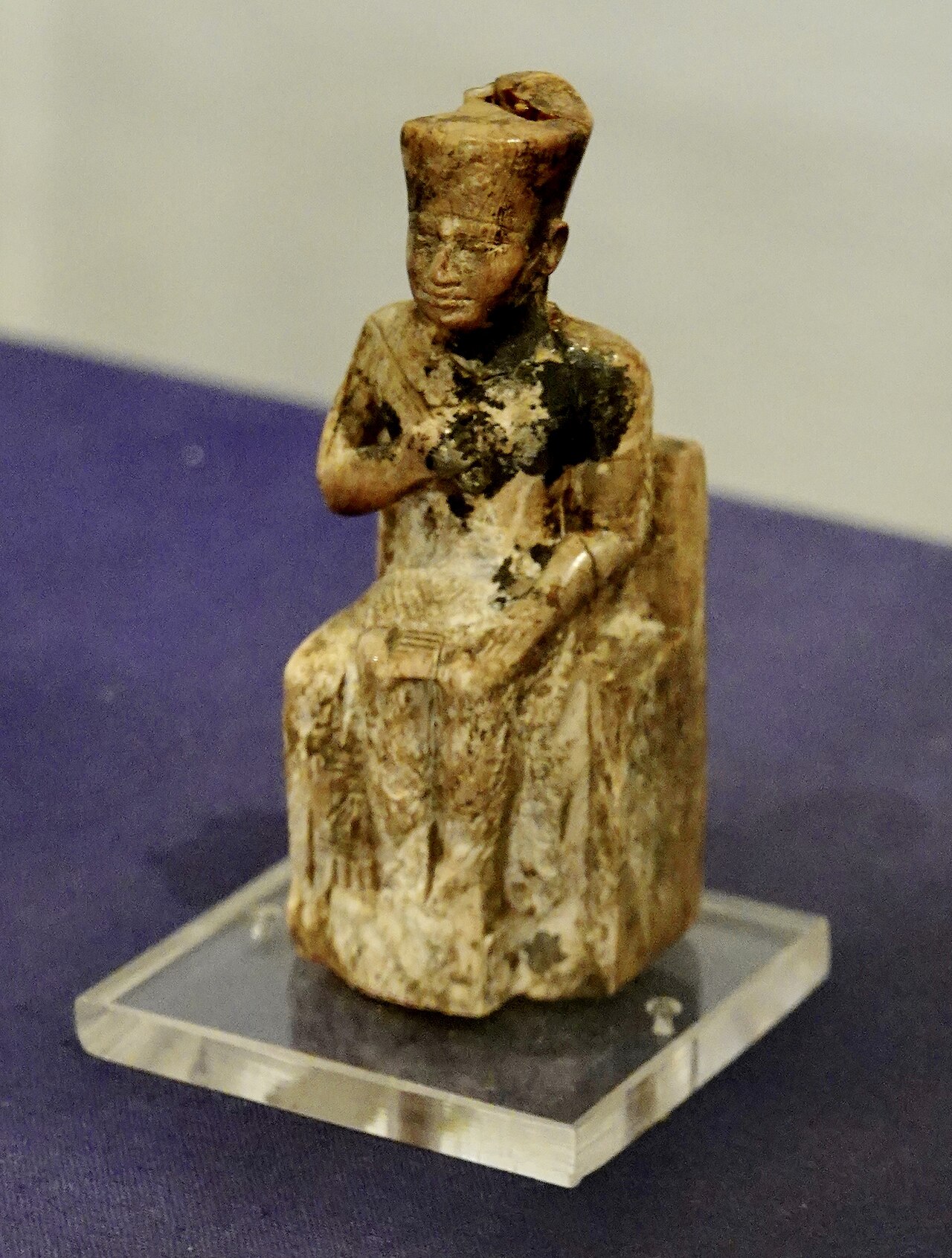
Khufu Statuette
c. 2600–2494 BCE (possibly later, 664–525 BCE)
 Photograph
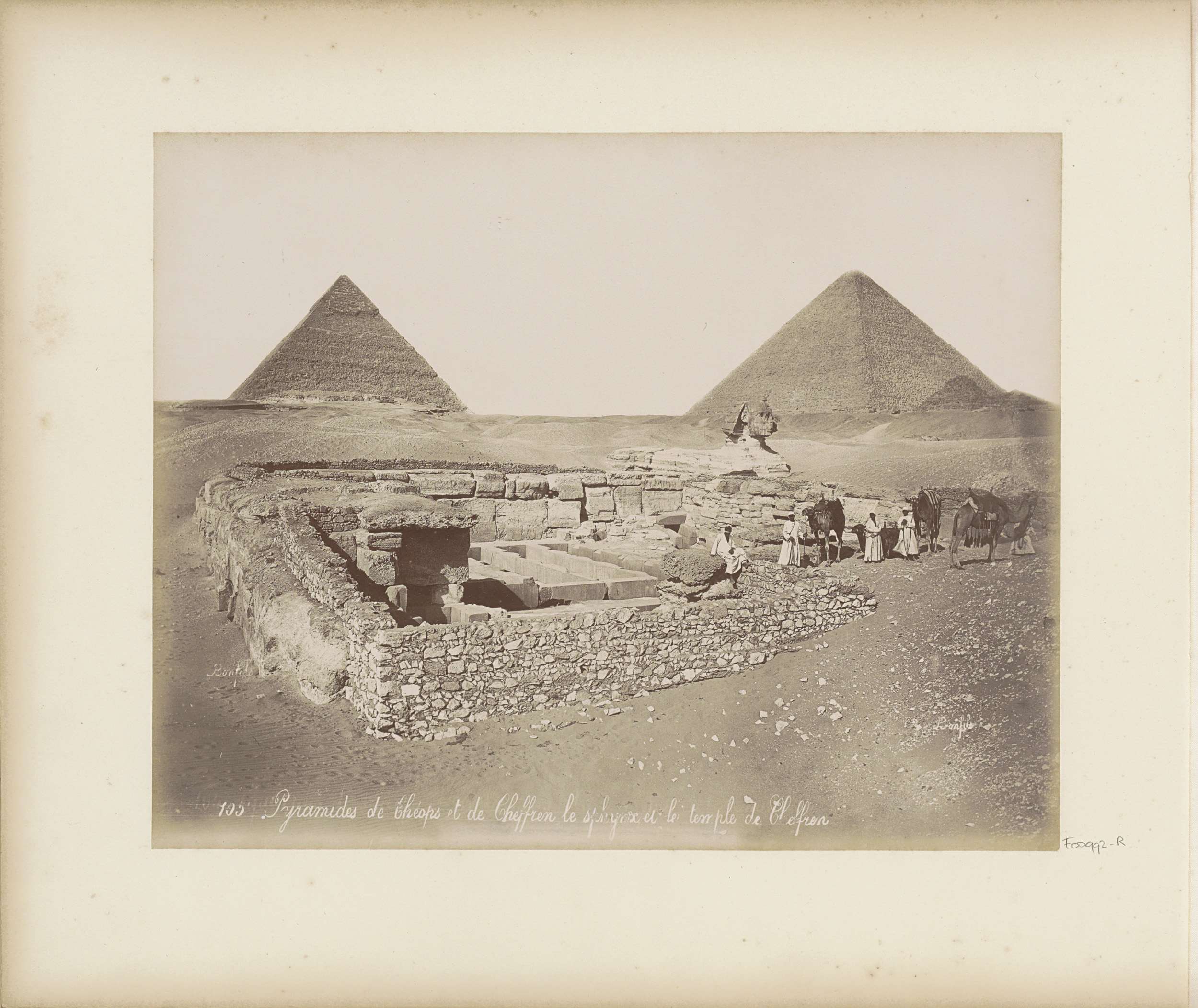
Secondary source
Pyramids of Cheops and Chephren and the Sphinx at Giza
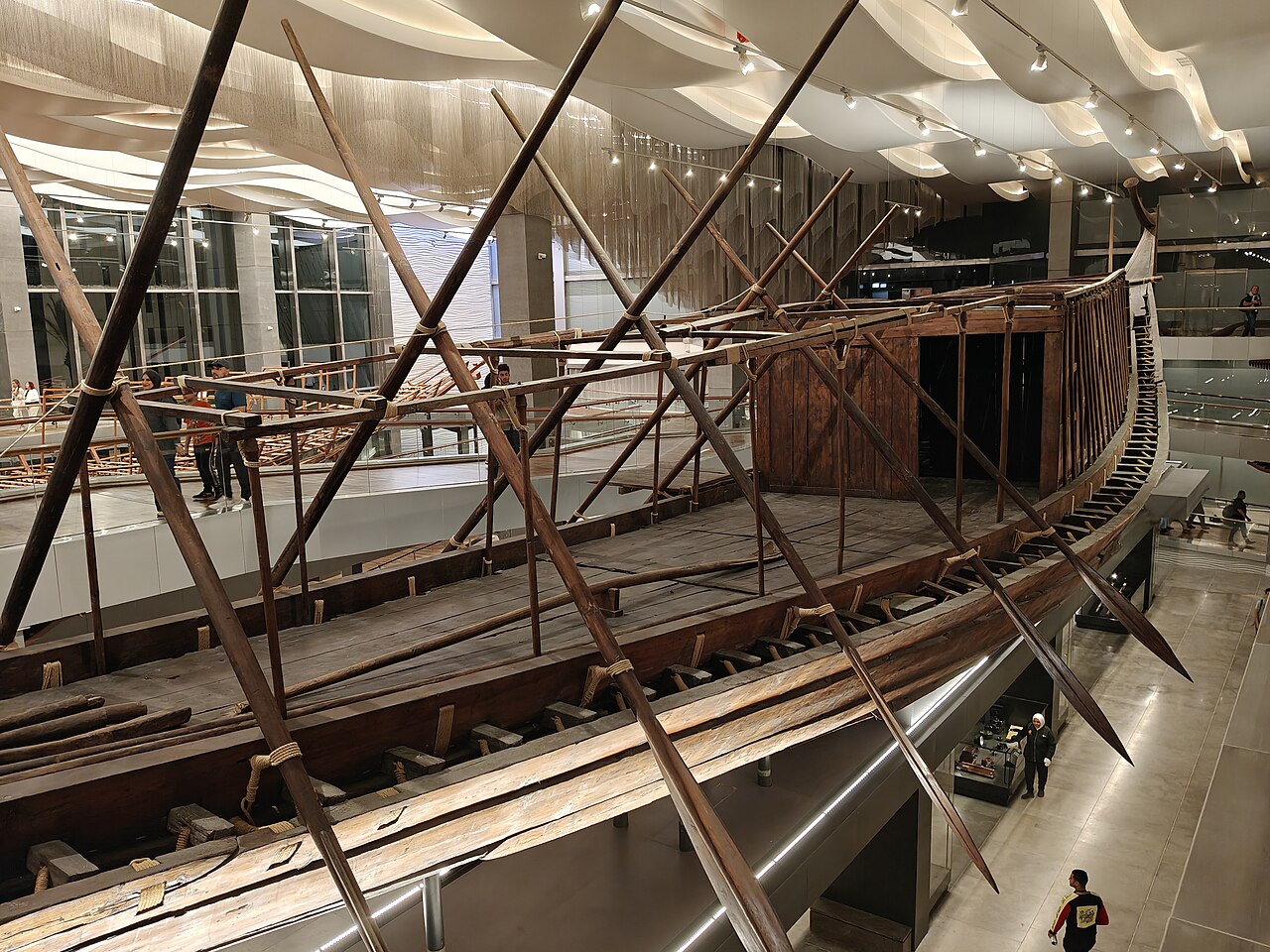 Artifact
Primary source
Khufu ship
Royal shipwrights of Khufu · c. 2566 BCE
Ready when you are
Start chatting with Pharaoh Khufu (Cheops) now.
20 messages free · No credit card · Available in 50+ languages.