


Primary sourceSculpturec. 40–30 BCE
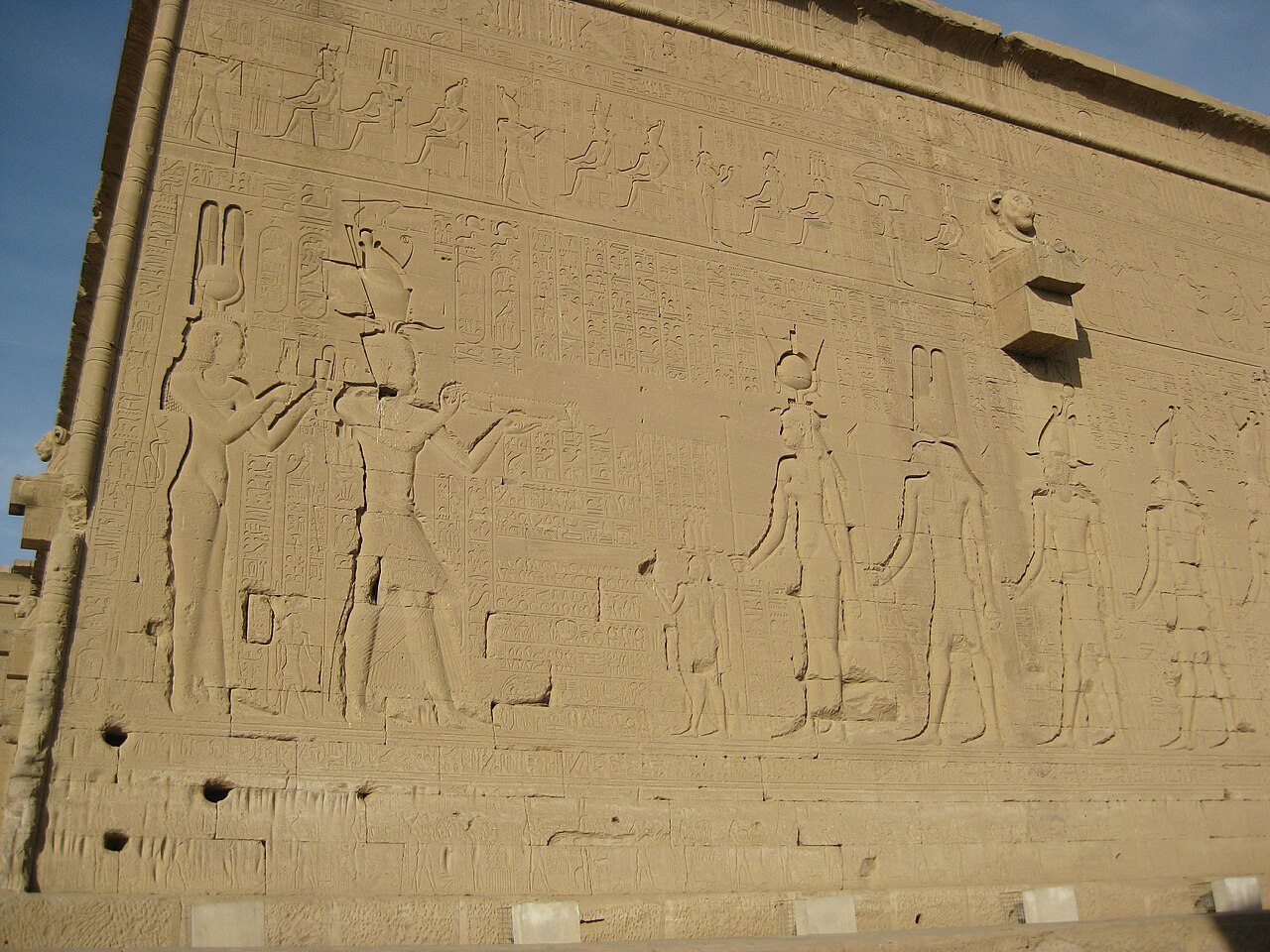
Relief of Cleopatra and Caesarion at Dendera
Ptolemaic temple workshop · c. 40–30 BCE
A large stone relief at the Temple of Hathor showing Cleopatra and her son Caesarion as Egyptian rulers before the gods.
A monumental relief made during Cleopatra's reign showing her as a traditional Egyptian pharaoh with her son.
About this source
What it is
This is a carved stone relief on the rear wall of the Temple of Hathor at Dendera, Egypt, made by a Ptolemaic temple workshop around 40-30 BCE. It shows Cleopatra and Caesarion, her son with Julius Caesar, offering to deities including Harsomtus and Isis.
Why it matters
This relief was chosen because it is the clearest visual statement of Cleopatra's native Egyptian royal identity. Unlike Greek or Roman images of her, it presents her in traditional pharaonic style as a ruler connected to Egyptian gods.
Look closer
- Why might Cleopatra want to be shown in traditional Egyptian style rather than Greek style?
- What does showing her with Caesarion suggest about how she wanted her rule to be seen?
- Temple workshops made this image for the gods and for visitors to the temple — how might that purpose shape what is shown?
This sculpture is part of the curated material that grounds the AI version of Cleopatra on Humy.ai — when students ask about related events, the AI can quote it and cite it.
More Cleopatra sources
Meet the AI Cleopatra →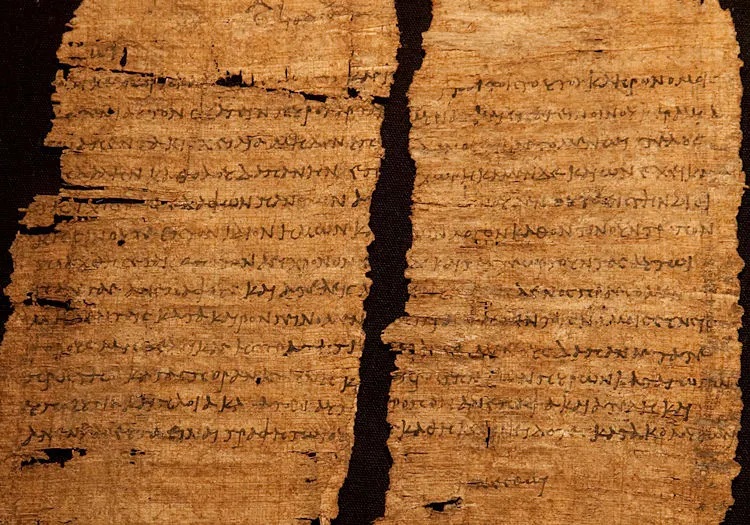 Document
Primary source
Papyrus with Signature of Cleopatra VII
Ptolemaic scribe; possibly countersigned by Cleopatra VII · February 33 BCE
 Painting
Secondary source
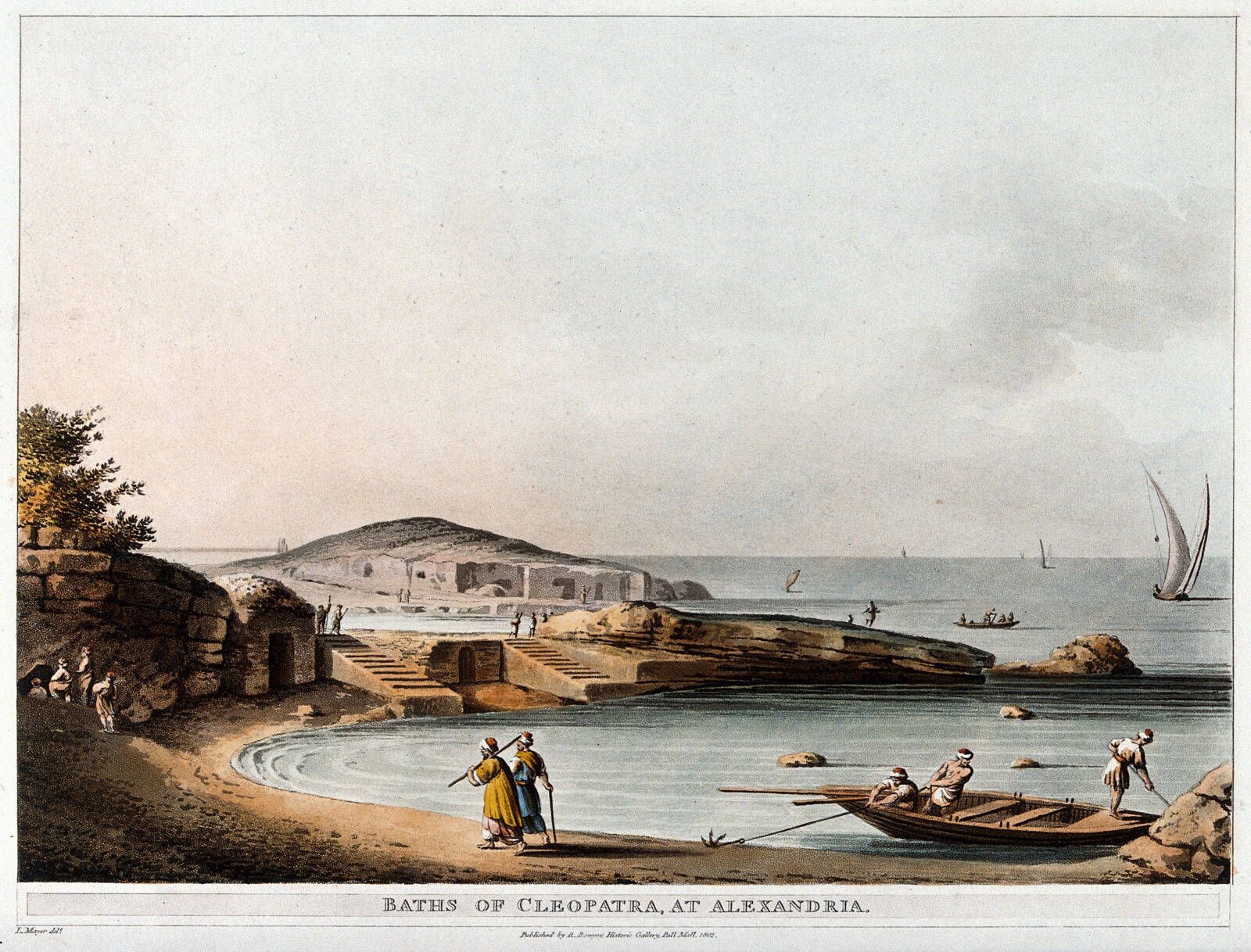
Baths of Cleopatra, at Alexandria
Luigi Mayer · 1802
 Sculpture
Secondary source
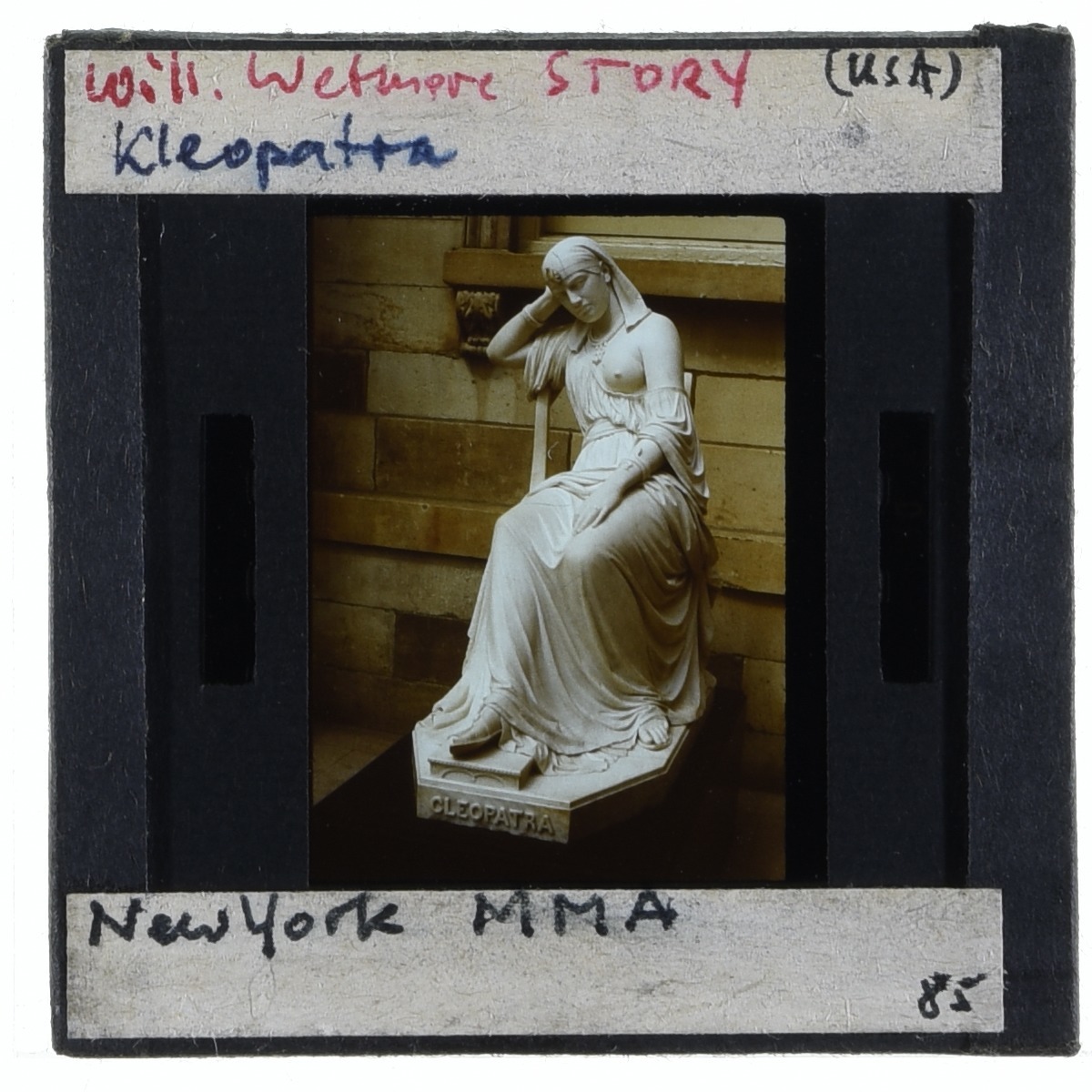
Cleopatra
William Wetmore Story
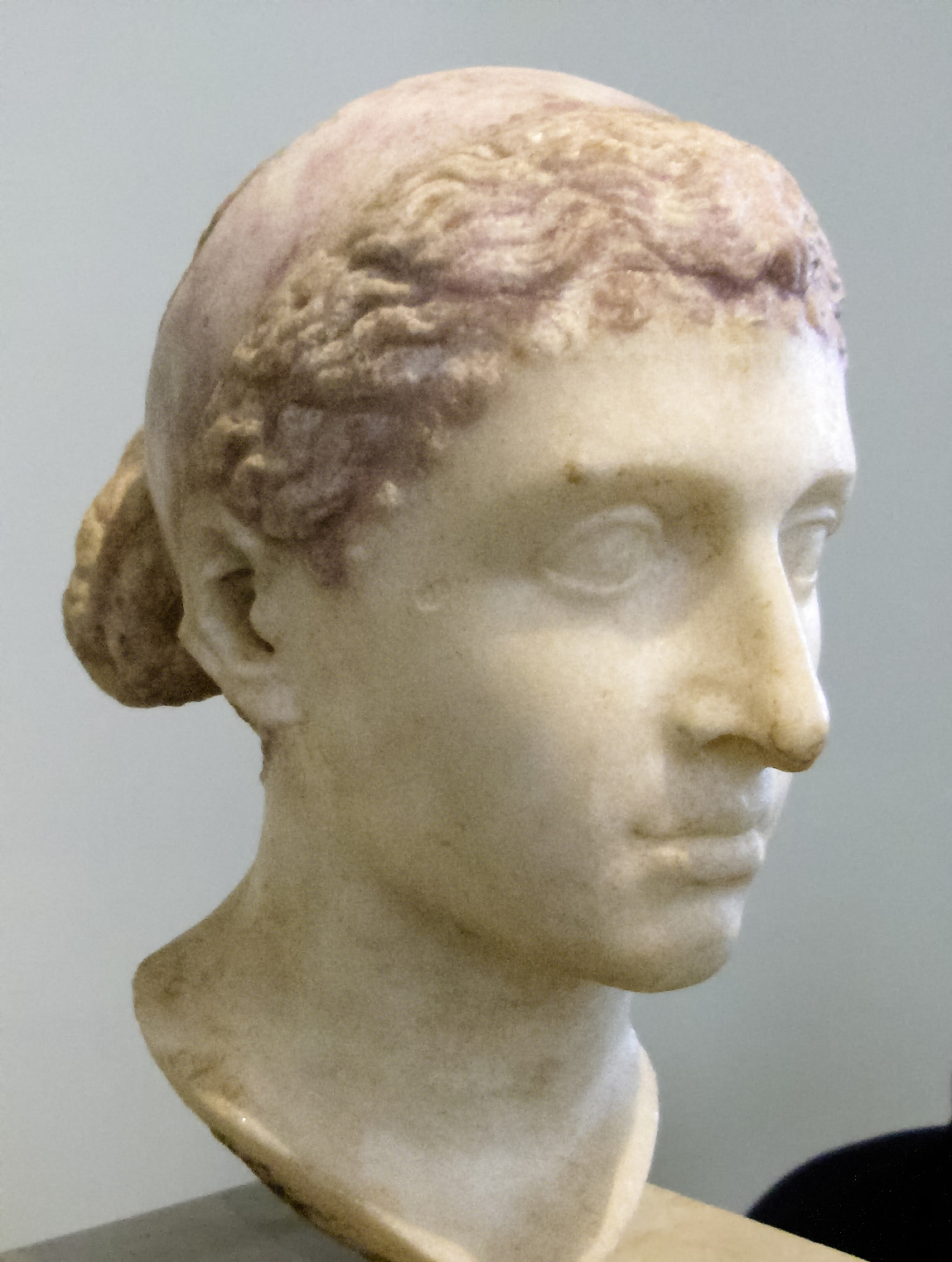 Sculpture
Primary source
Portrait of Cleopatra (Berlin Bust)
c. 40-30 BCE
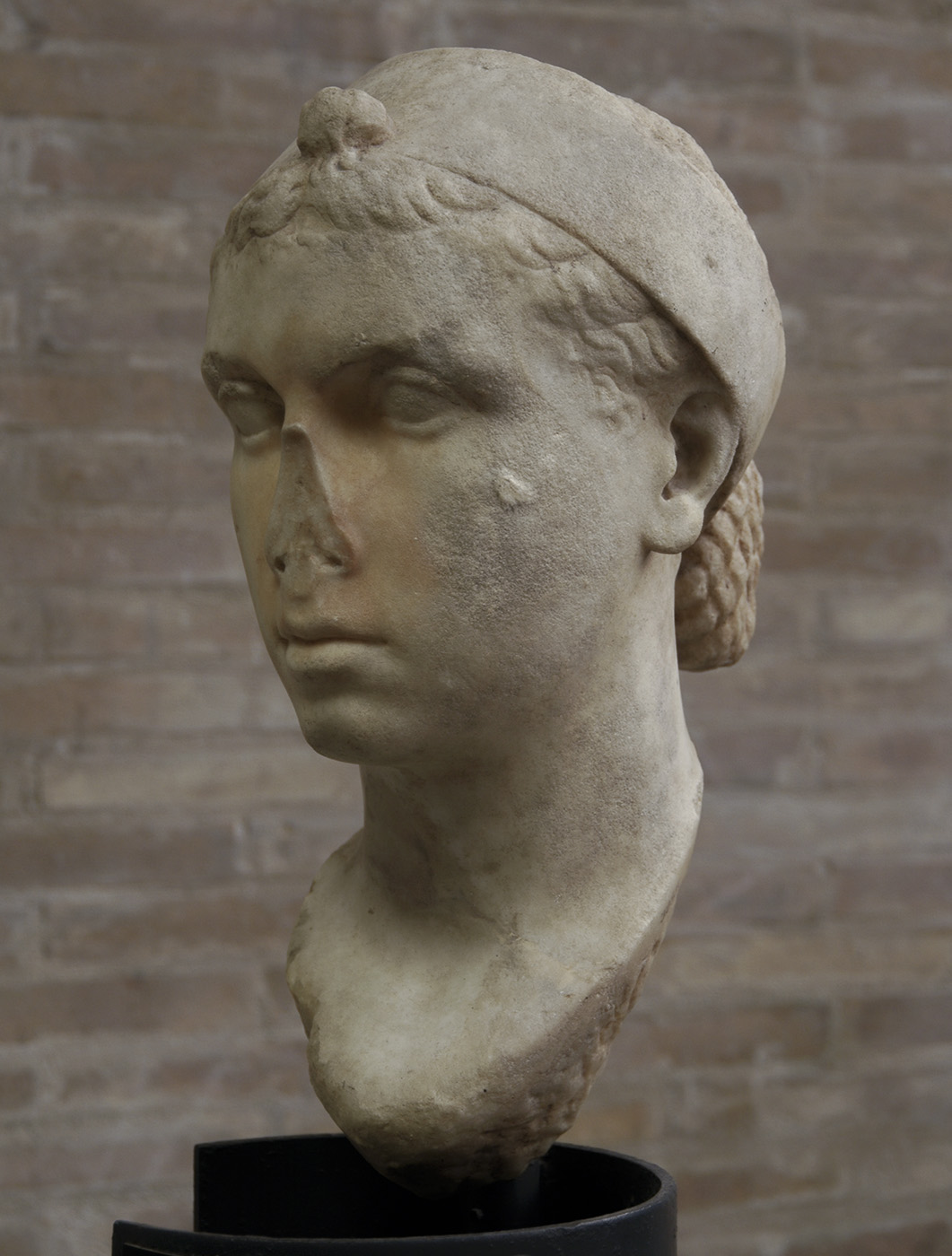 Sculpture
Primary source
Head-Portrait of Cleopatra VII (Vatican Bust)
c. 40-30 BCE
Ready when you are
Start chatting with Cleopatra now.
20 messages free · No credit card · Available in 50+ languages.