


Primary sourcePaintingc. 2560 BCE
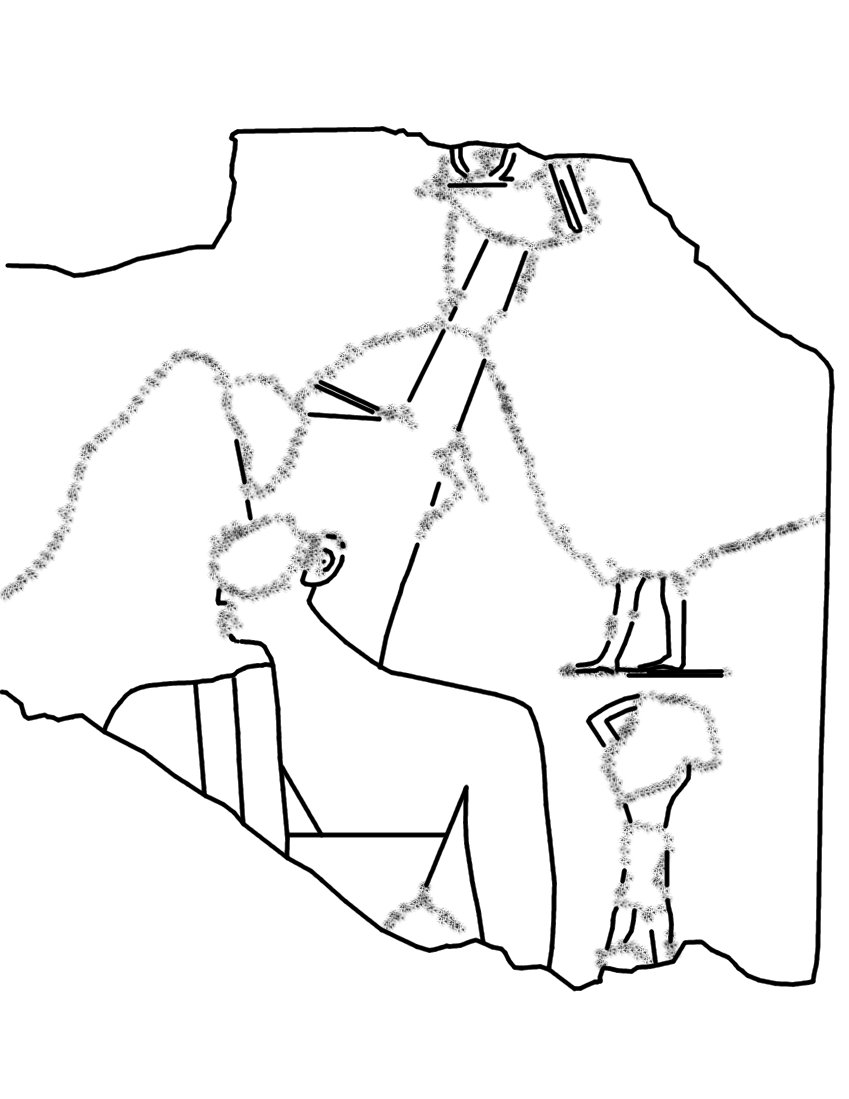
Relief of Khufu from His Funerary Temple
c. 2560 BCE
A weathered carved block showing Khufu himself, from his destroyed funerary temple at Giza, excavated by George Andrew Reisner.
One of the very few surviving relief images actually depicting Khufu himself, from his own funerary temple.
About this source
What it is
This is a drawing of a weathered relief block showing a seated figure believed to be Khufu, wearing a headdress and a long braided beard. It comes from his funerary temple at Giza and was excavated by the archaeologist George Andrew Reisner.
Why it matters
Very few images of Khufu himself survive, since most of his funerary temple was destroyed. This fragment is one of the rare direct depictions of the pharaoh, giving historians and students a glimpse of how he was shown as a living ruler, not just a name in a list.
Look closer
- What details of dress or posture suggest this figure is a king?
- Why do you think so little of Khufu's funerary temple survives today?
- Why is it important that this image was found and recorded by archaeologists rather than being complete and untouched?
This painting is part of the curated material that grounds the AI version of Pharaoh Khufu (Cheops) on Humy.ai — when students ask about related events, the AI can quote it and cite it.
More Pharaoh Khufu (Cheops) sources
Meet the AI Pharaoh Khufu (Cheops) →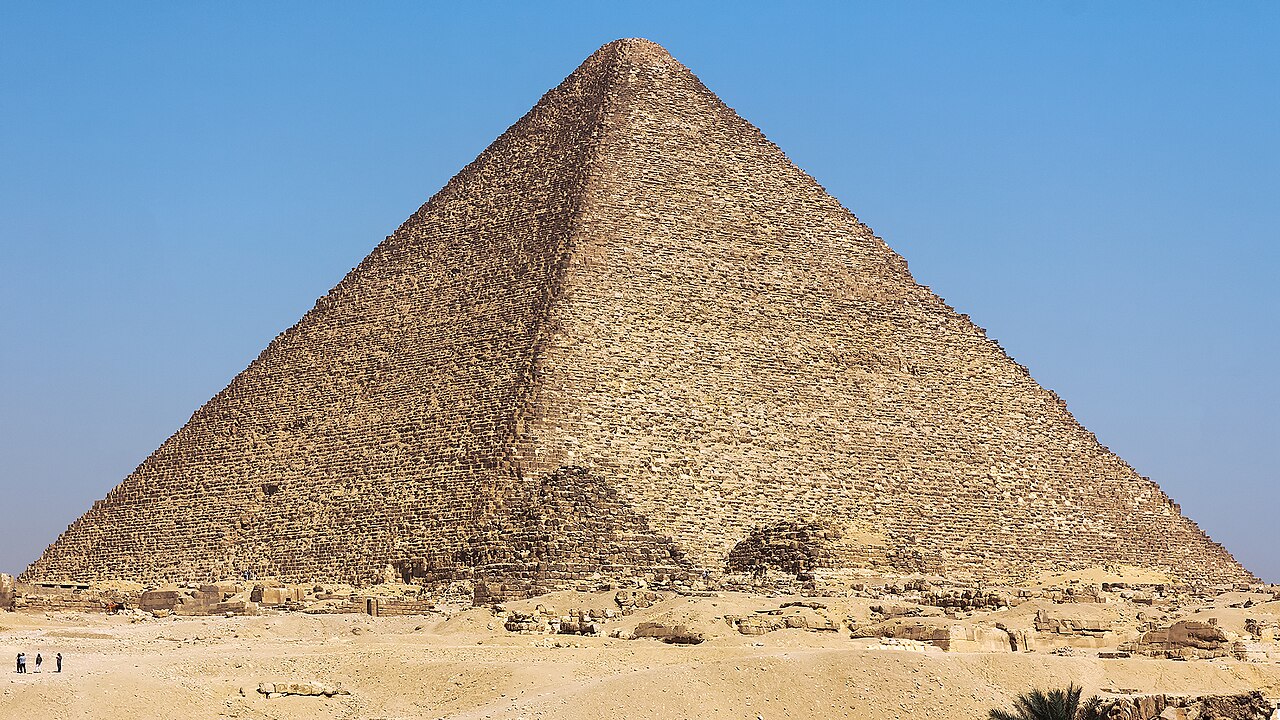 Artifact
Primary source
Great Pyramid of Giza
c. 2560 BCE
 Photograph
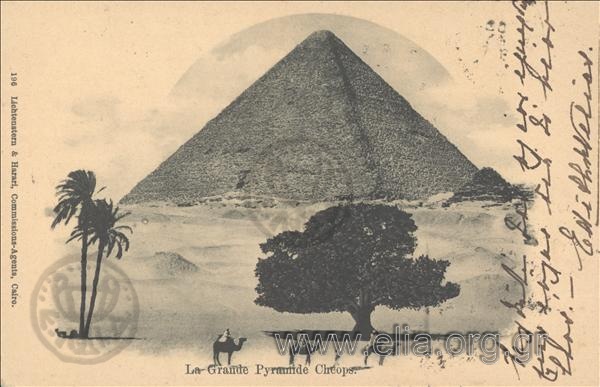
Secondary source
La Grande Pyramide Cheops
1903
 Sculpture
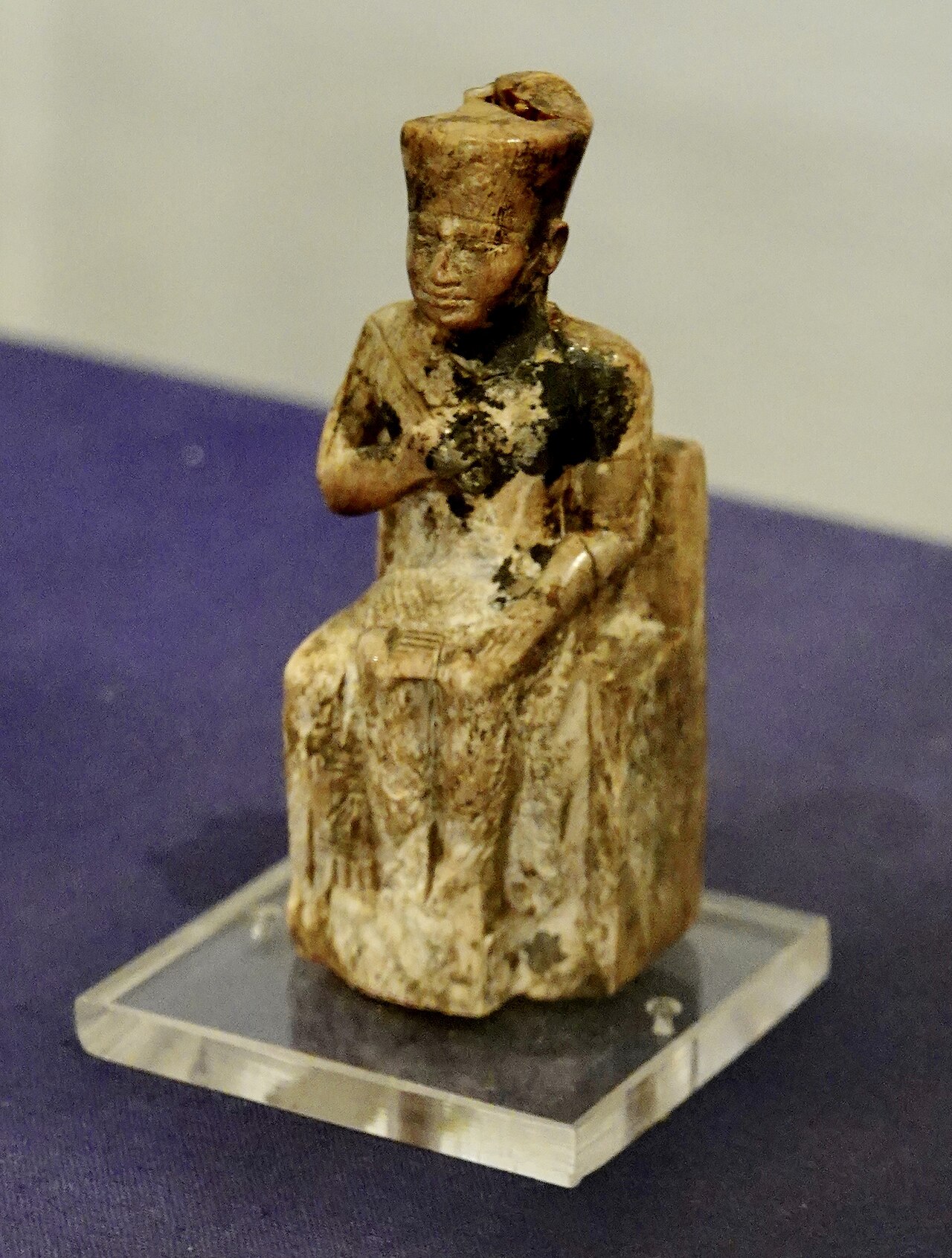
Primary source
Khufu Statuette
c. 2600–2494 BCE (possibly later, 664–525 BCE)
 Photograph
Secondary source
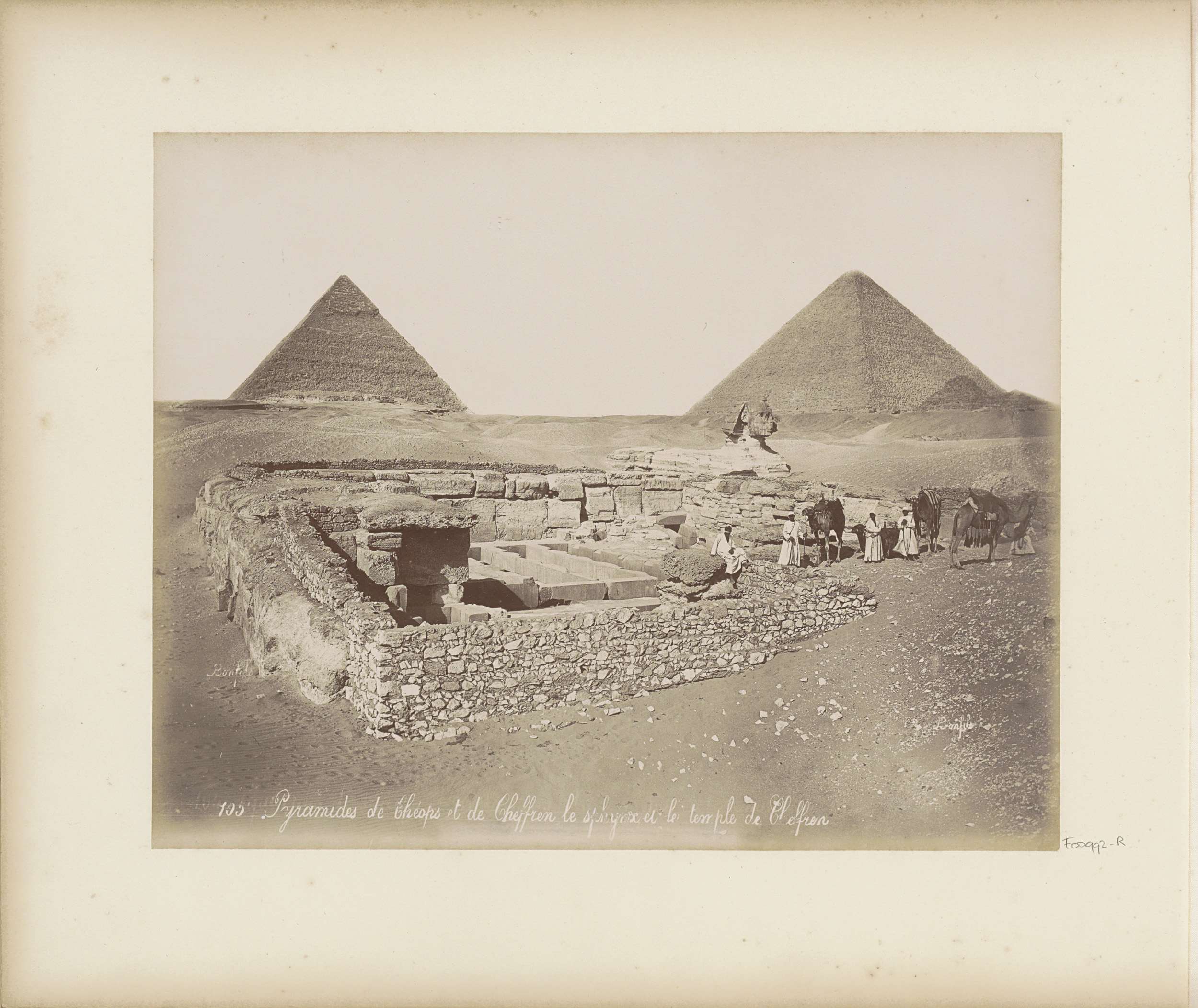
Pyramids of Cheops and Chephren and the Sphinx at Giza
 Artifact
Primary source
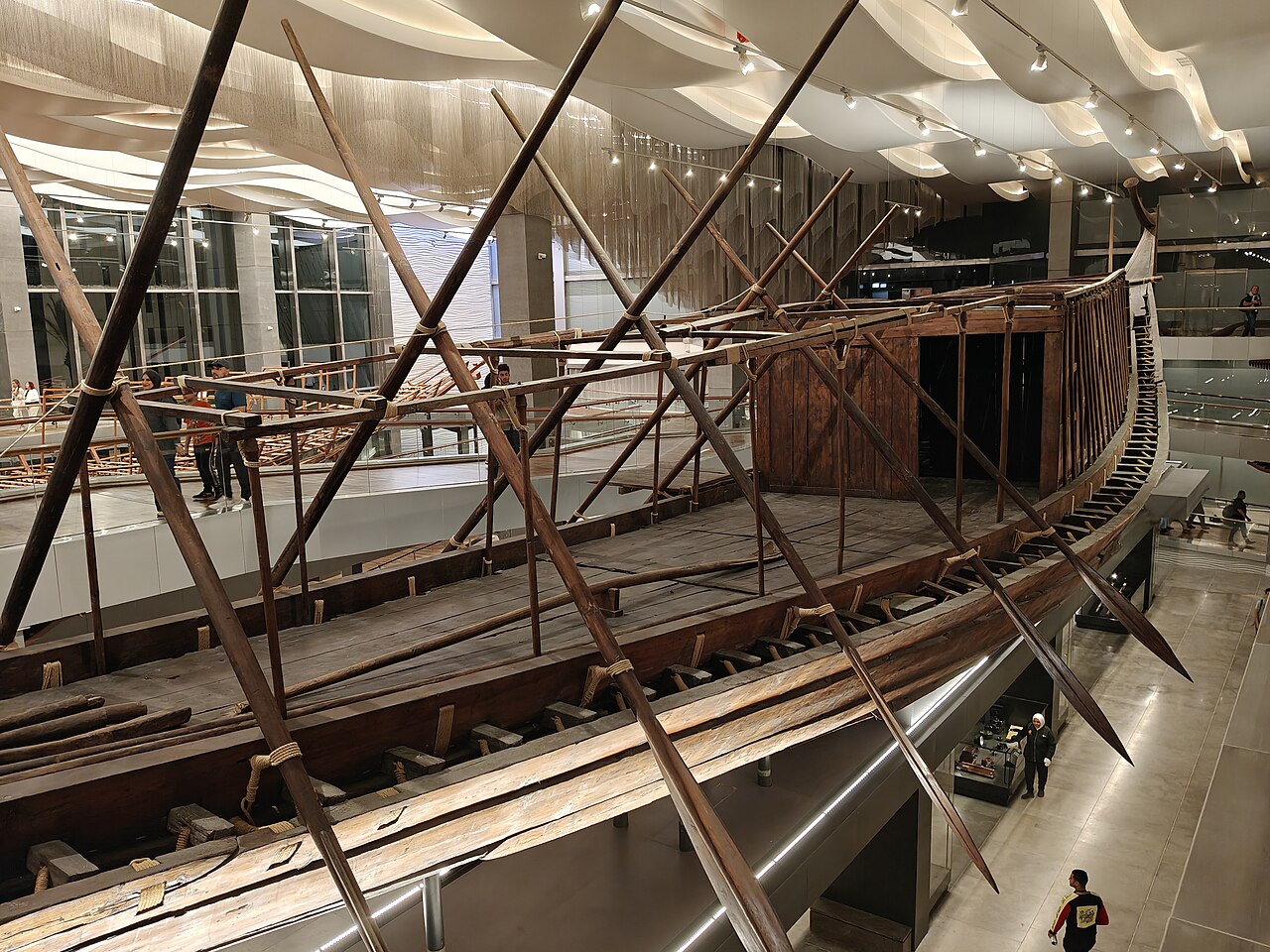
Khufu ship
Royal shipwrights of Khufu · c. 2566 BCE
Ready when you are
Start chatting with Pharaoh Khufu (Cheops) now.
20 messages free · No credit card · Available in 50+ languages.