


Primary sourceArtifactc. 1350 BCE
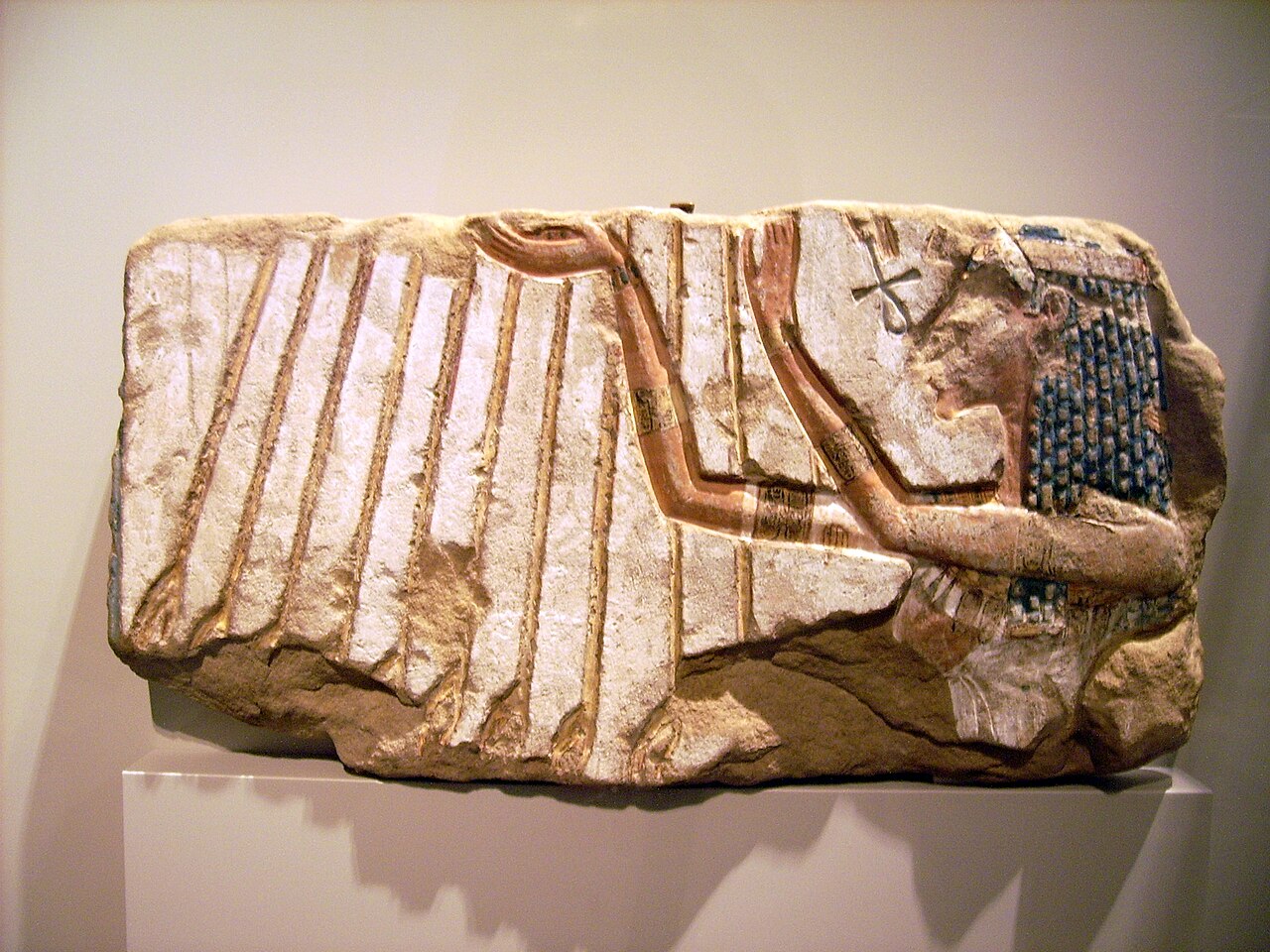
Relief of Nefertiti Before the Aten
c. 1350 BCE
A carved sandstone fragment from the Aten temple at Karnak showing Nefertiti alone before the rayed sun-disk of Aten.
This relief shows Nefertiti standing alone before the Aten, reflecting her unusual religious authority.
About this source
What it is
This is a photograph of a sandstone relief fragment from the Aten temple at Karnak, dating to the New Kingdom's 18th Dynasty. It shows carved raised figures including an arm holding an ankh sign, with traces of blue, red and white paint. It is now held in the Ägyptisches Museum Berlin.
Why it matters
The relief shows Nefertiti standing alone before the Aten, the sun-god promoted by her husband Akhenaten. This kind of direct access to the god was usually shown only for kings, so the image reveals how important Nefertiti was within the new religion centred on the Aten.
Look closer
- What details survive, and what parts of the relief are missing or broken?
- Why might the artist have shown the queen receiving the ankh directly from the sun-disk?
- What does the surviving paint tell you about how colourful these reliefs originally were?
This artifact is part of the curated material that grounds the AI version of Queen Nefereti on Humy.ai — when students ask about related events, the AI can quote it and cite it.
More Queen Nefereti sources
Meet the AI Queen Nefereti →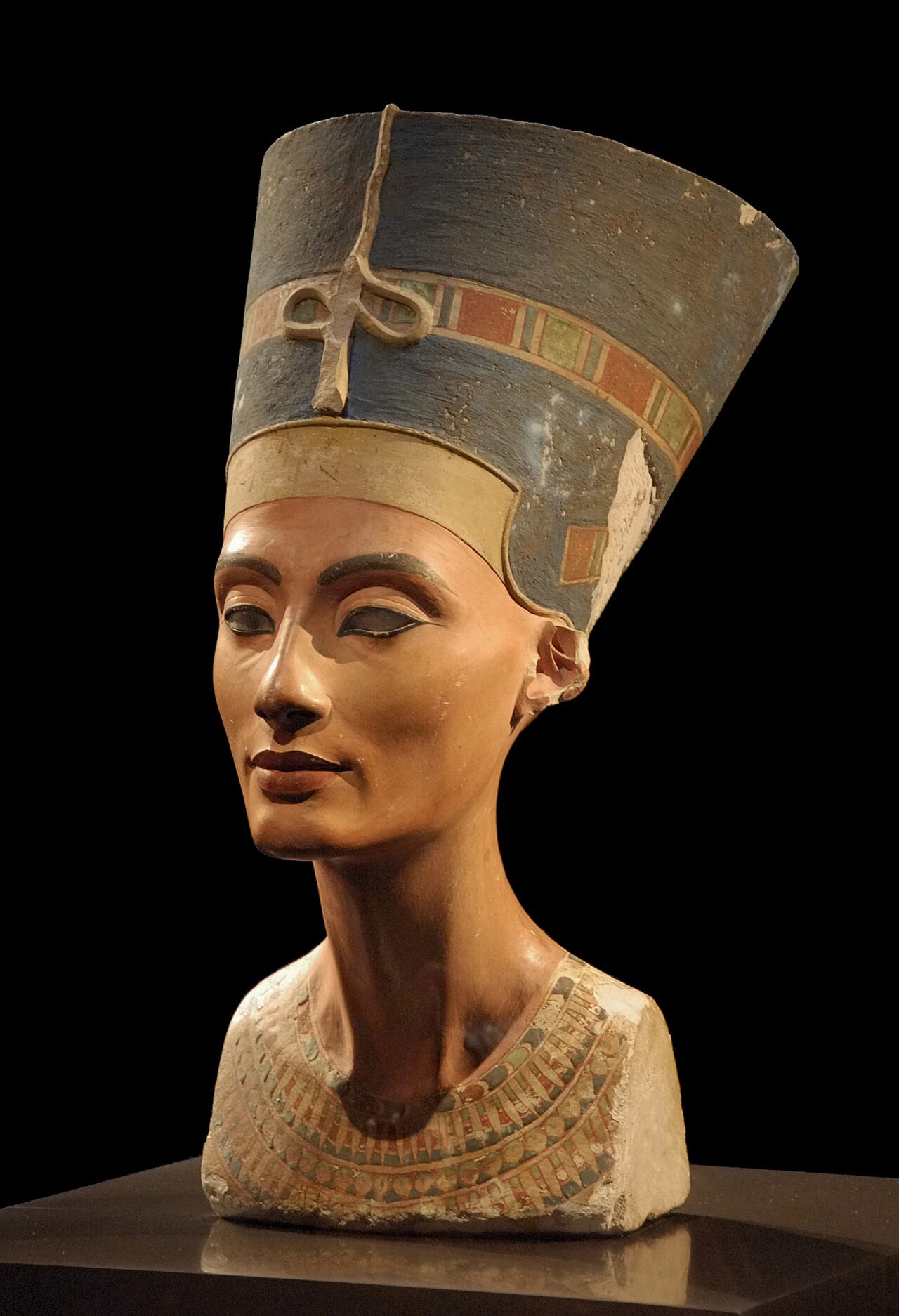 Sculpture
Primary source
Bust of Queen Nefertiti
Thutmose · c. 1345 BC
 Sculpture
Primary source
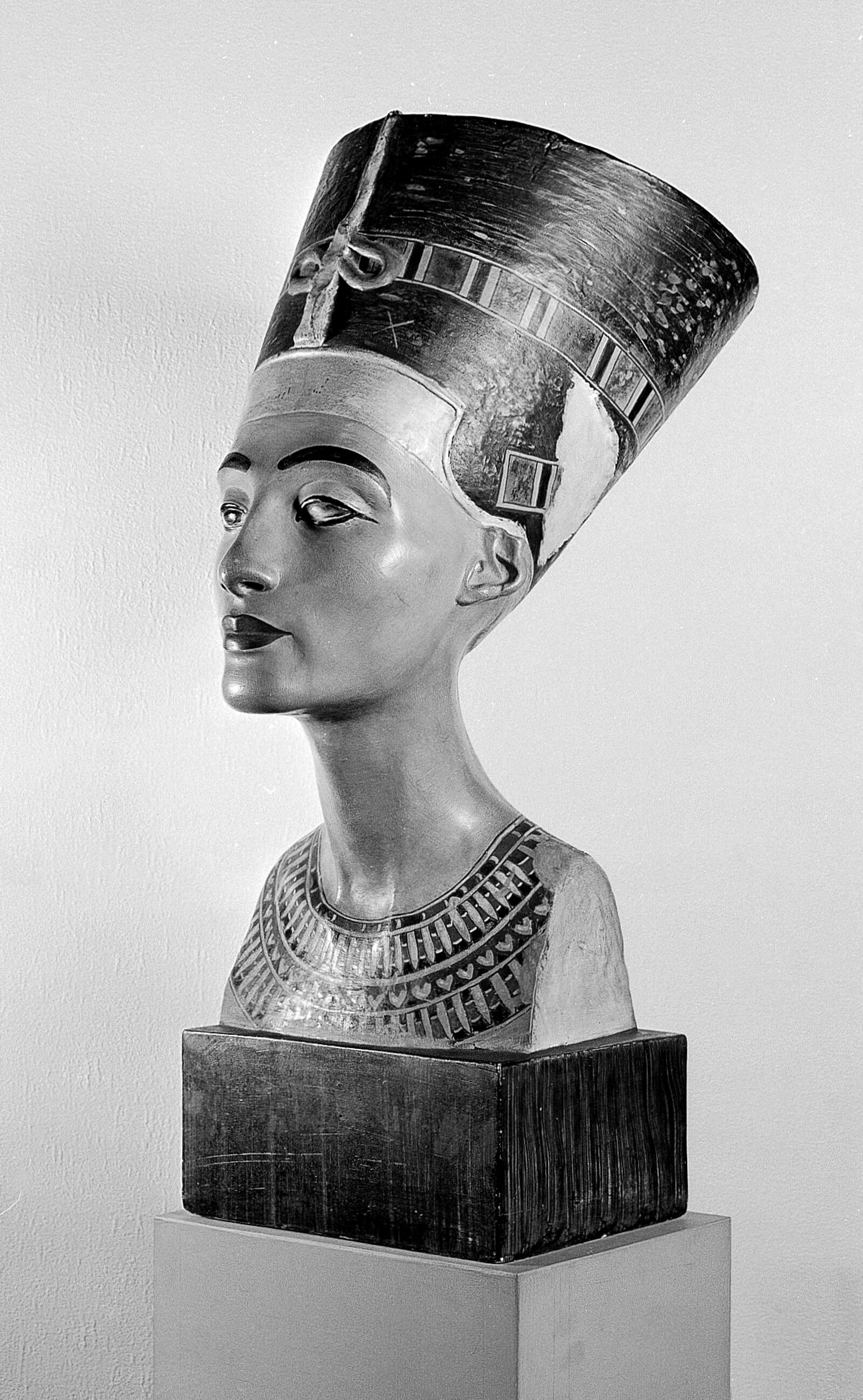
Figure of Nefertiti
 Sculpture
Primary source
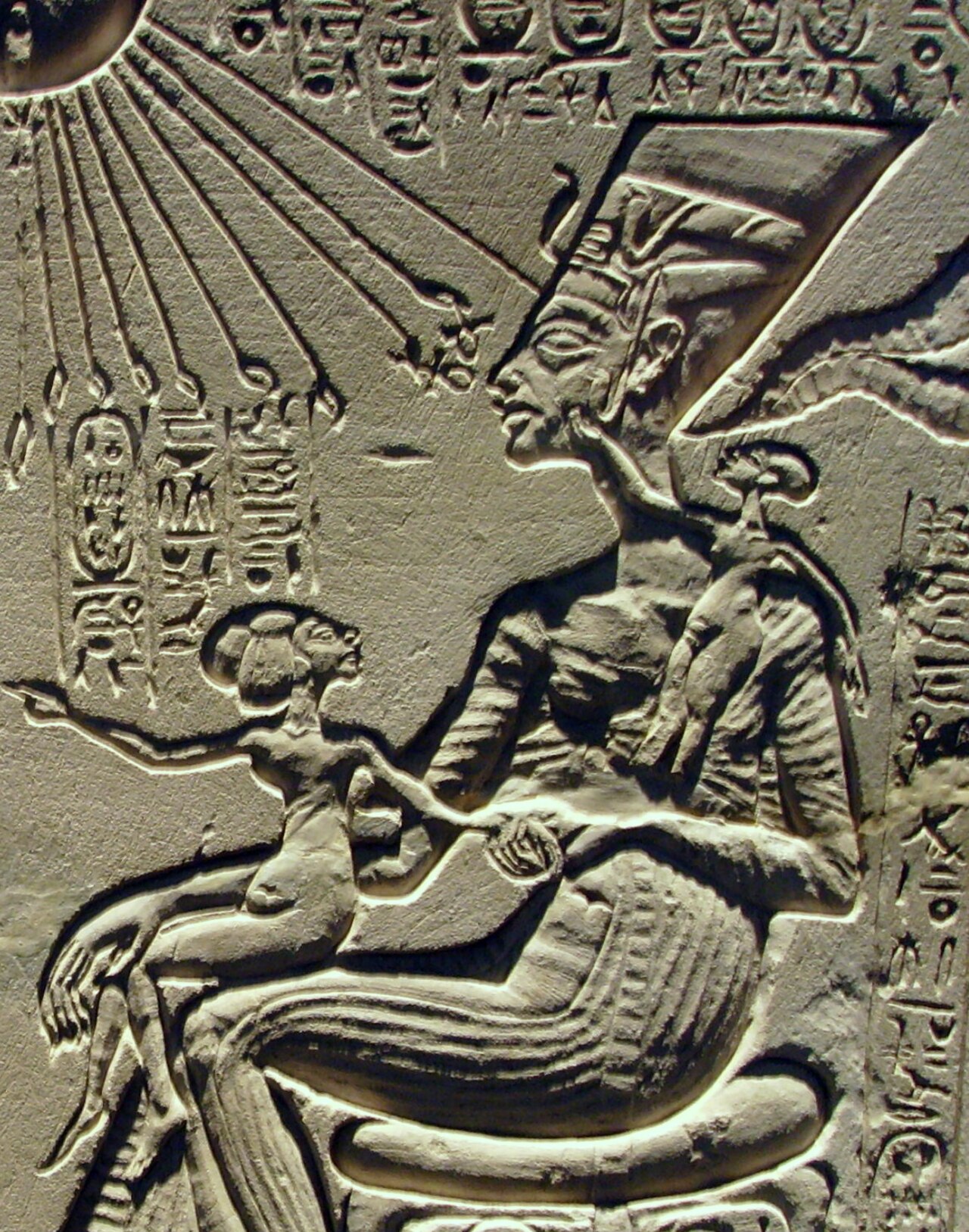
Akhenaten and His Family
c. 1352 BC
 Sculpture
Primary source
Relief Fragment Showing the Blue Crown of Nefertiti
 Document
Primary source
Great Hymn to the Aten
Akhenaten · c. 1350 BC
Ready when you are
Start chatting with Queen Nefereti now.
20 messages free · No credit card · Available in 50+ languages.