


Primary sourceSculpturec. 1353–1336 BCE
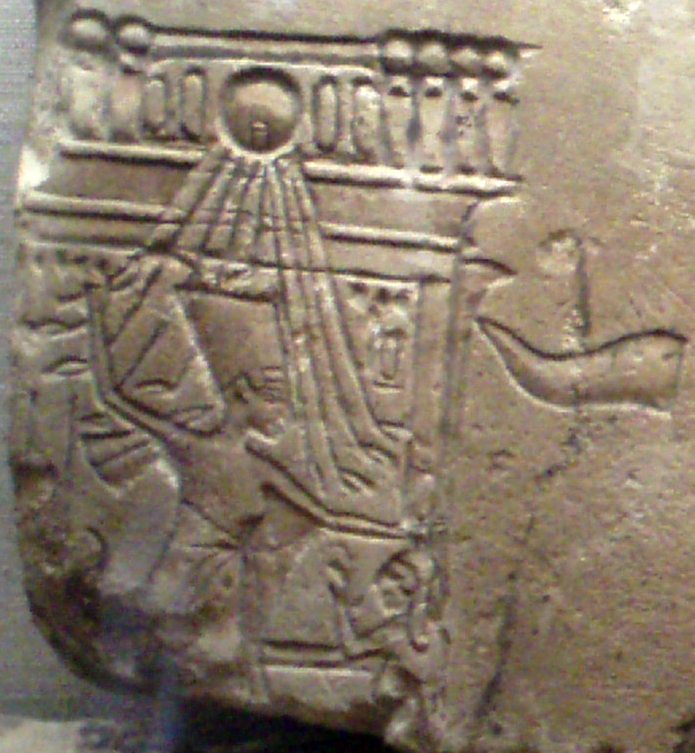
Relief of Nefertiti Smiting a Captive on the Royal Barge
Unknown Amarna-period sculptor · c. 1353–1336 BCE
A limestone relief from Amarna showing Nefertiti smiting a female captive, a pose of royal power usually reserved for kings.
This relief shows Nefertiti performing a kingly act of smiting an enemy, evidence of her unusual quasi-royal power.
About this source
What it is
This limestone relief, carved by an unknown Amarna-period sculptor around 1353–1336 BCE, was found at Hermopolis and dates from the reign of Akhenaten. It shows Nefertiti performing the smiting of a captive on a royal barge, beneath the rays of the Aten. It is held by the Museum of Fine Arts, Boston.
Why it matters
Smiting enemies was a scene traditionally used to show a pharaoh's power. Showing Nefertiti in this pose is unusual evidence that she held authority close to that of a king during the Amarna period, supporting the idea that she had unusually high status for a queen.
Look closer
- Why would an artist give a queen a pose usually used for kings?
- What does this relief suggest about how the Amarna royal family wanted to present themselves?
- What is left out of this violent scene that might change how we understand it?
This sculpture is part of the curated material that grounds the AI version of Queen Nefereti on Humy.ai — when students ask about related events, the AI can quote it and cite it.
More Queen Nefereti sources
Meet the AI Queen Nefereti →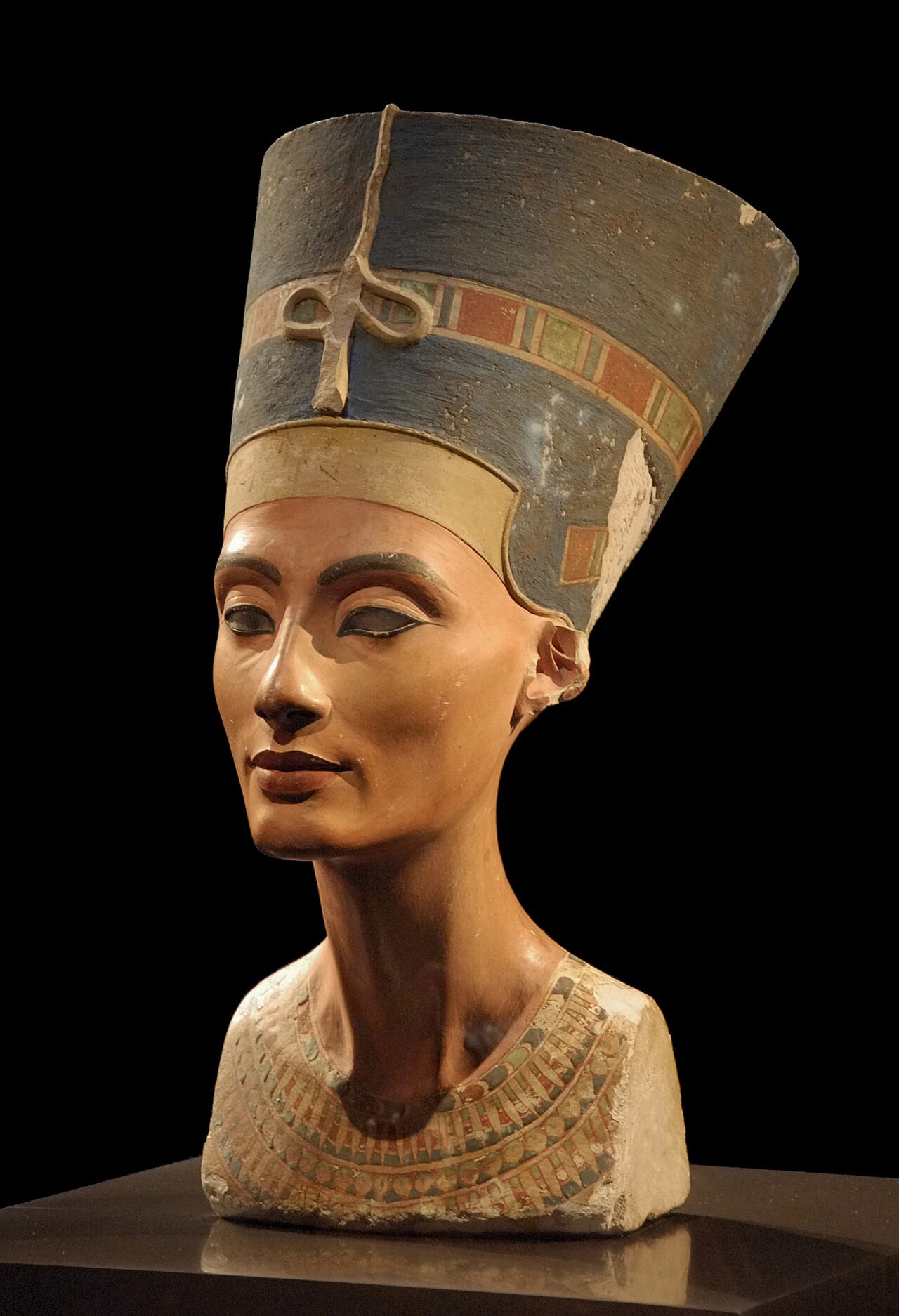 Sculpture
Primary source
Bust of Queen Nefertiti
Thutmose · c. 1345 BC
 Sculpture
Primary source
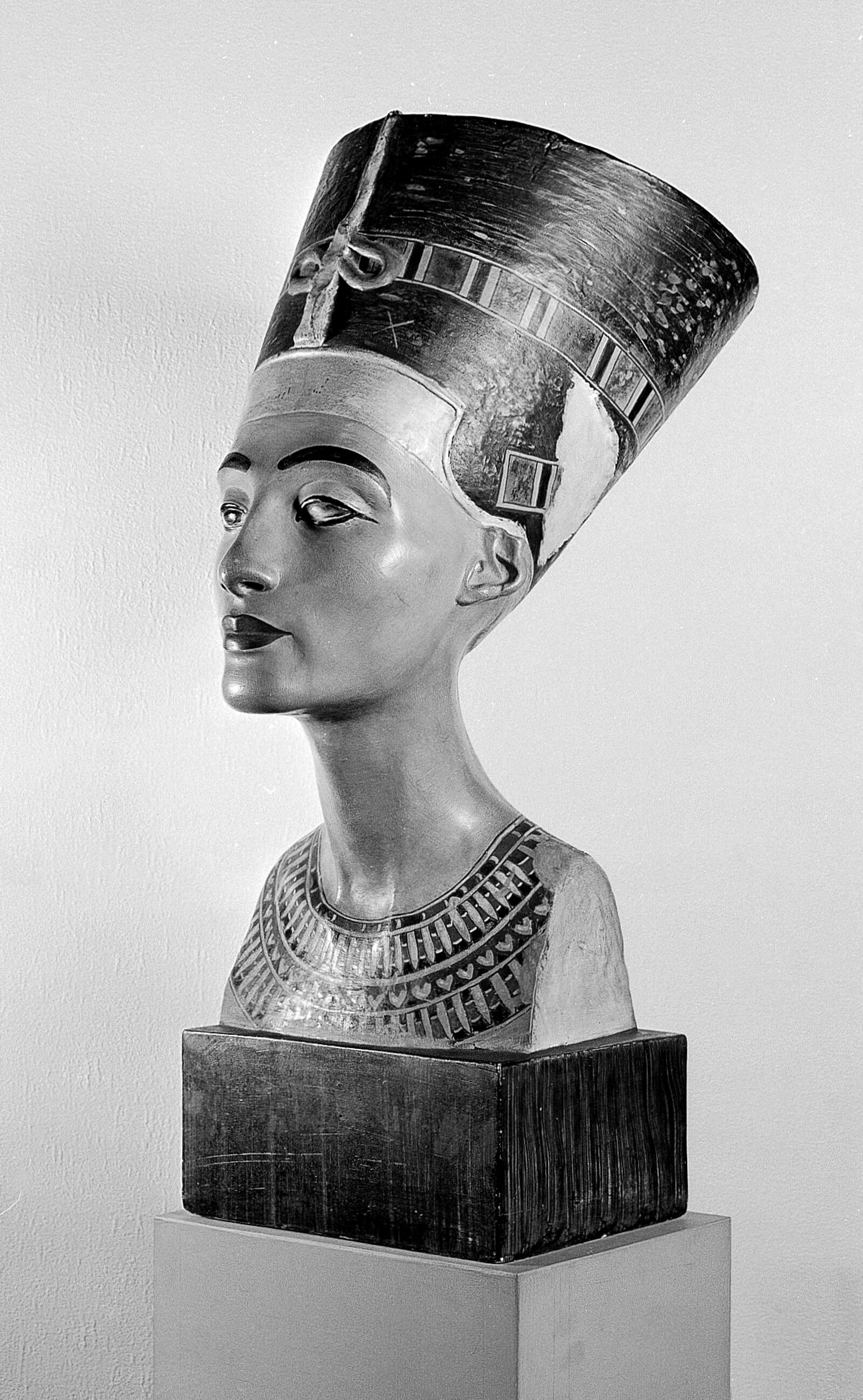
Figure of Nefertiti
 Sculpture
Primary source
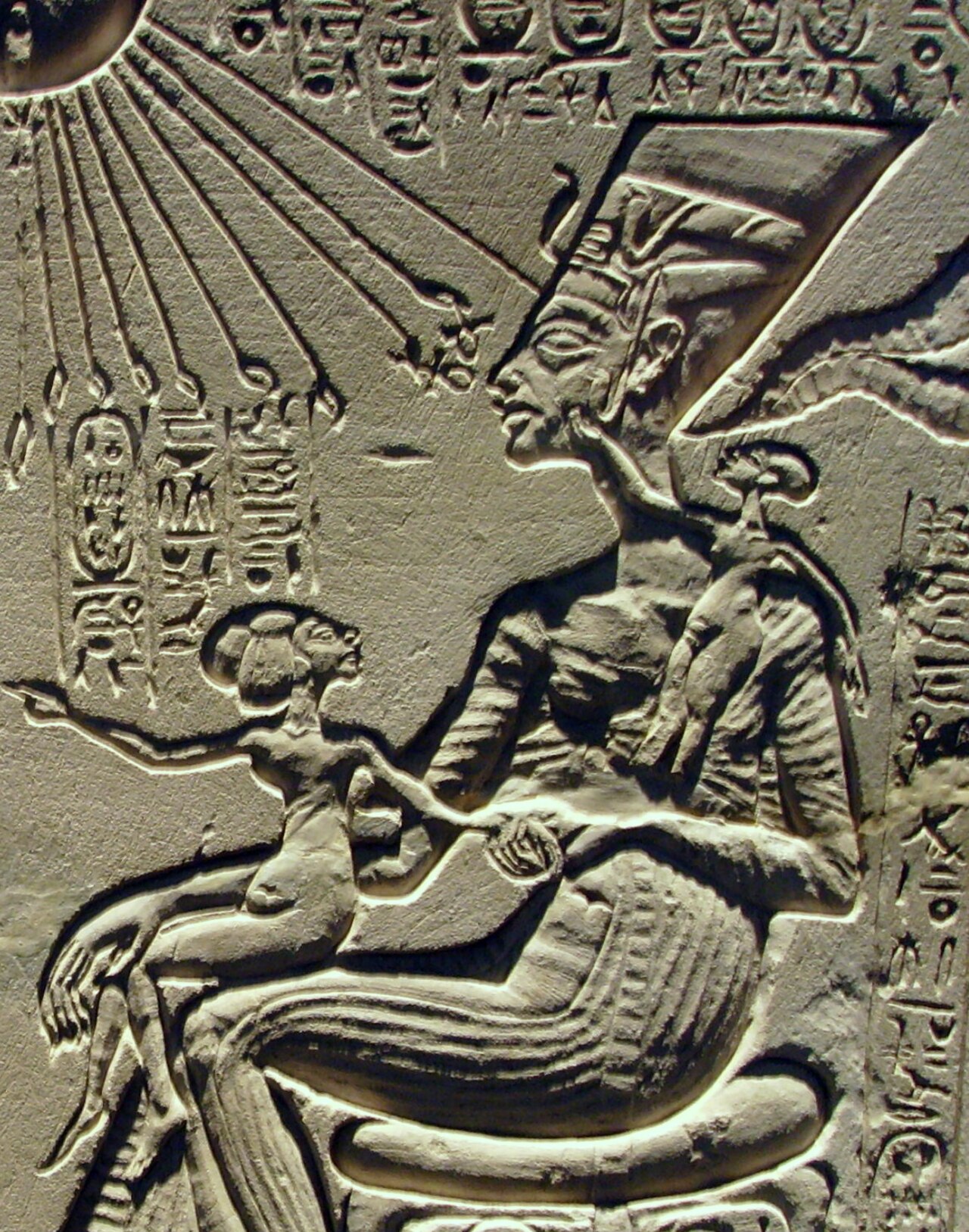
Akhenaten and His Family
c. 1352 BC
 Sculpture
Primary source
Relief Fragment Showing the Blue Crown of Nefertiti
 Document
Primary source
Great Hymn to the Aten
Akhenaten · c. 1350 BC
Ready when you are
Start chatting with Queen Nefereti now.
20 messages free · No credit card · Available in 50+ languages.