


Primary sourceSculpturec. 1347-1330 BCE
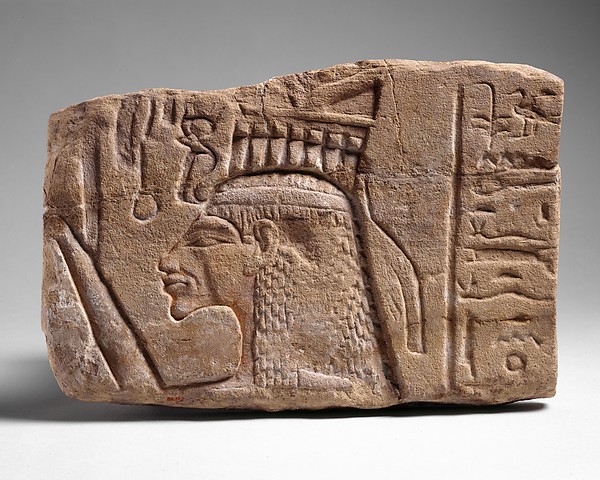
Relief of Queen Nefertiti
c. 1347-1330 BCE
A sandstone relief fragment from the Amarna period depicting Queen Nefertiti in profile, with hieroglyphic inscriptions.
This relief fragment is identified by the museum as a portrait of Nefertiti in formal royal dress.
About this source
What it is
This sandstone relief fragment, dated about 1347-1330 BCE, shows a figure in profile wearing a tall headdress and pleated garment, identified as Queen Nefertiti, with hieroglyphs carved beside her. It dates from the Amarna Period, during Akhenaten's reign, and is held at the Metropolitan Museum of Art.
Why it matters
Reliefs like this were part of the distinctive art style developed under Akhenaten, which showed royal figures, including Nefertiti, with elongated features and in detailed formal dress. As a surviving fragment with her name or title likely recorded in the hieroglyphs, it helps historians identify and study depictions of Nefertiti across different collections.
Look closer
- What details in the headdress and clothing suggest this figure is royal?
- Why might only a fragment of the original relief have survived?
- What might the hieroglyphs next to the figure have originally recorded?
This sculpture is part of the curated material that grounds the AI version of Queen Nefereti on Humy.ai — when students ask about related events, the AI can quote it and cite it.
More Queen Nefereti sources
Meet the AI Queen Nefereti →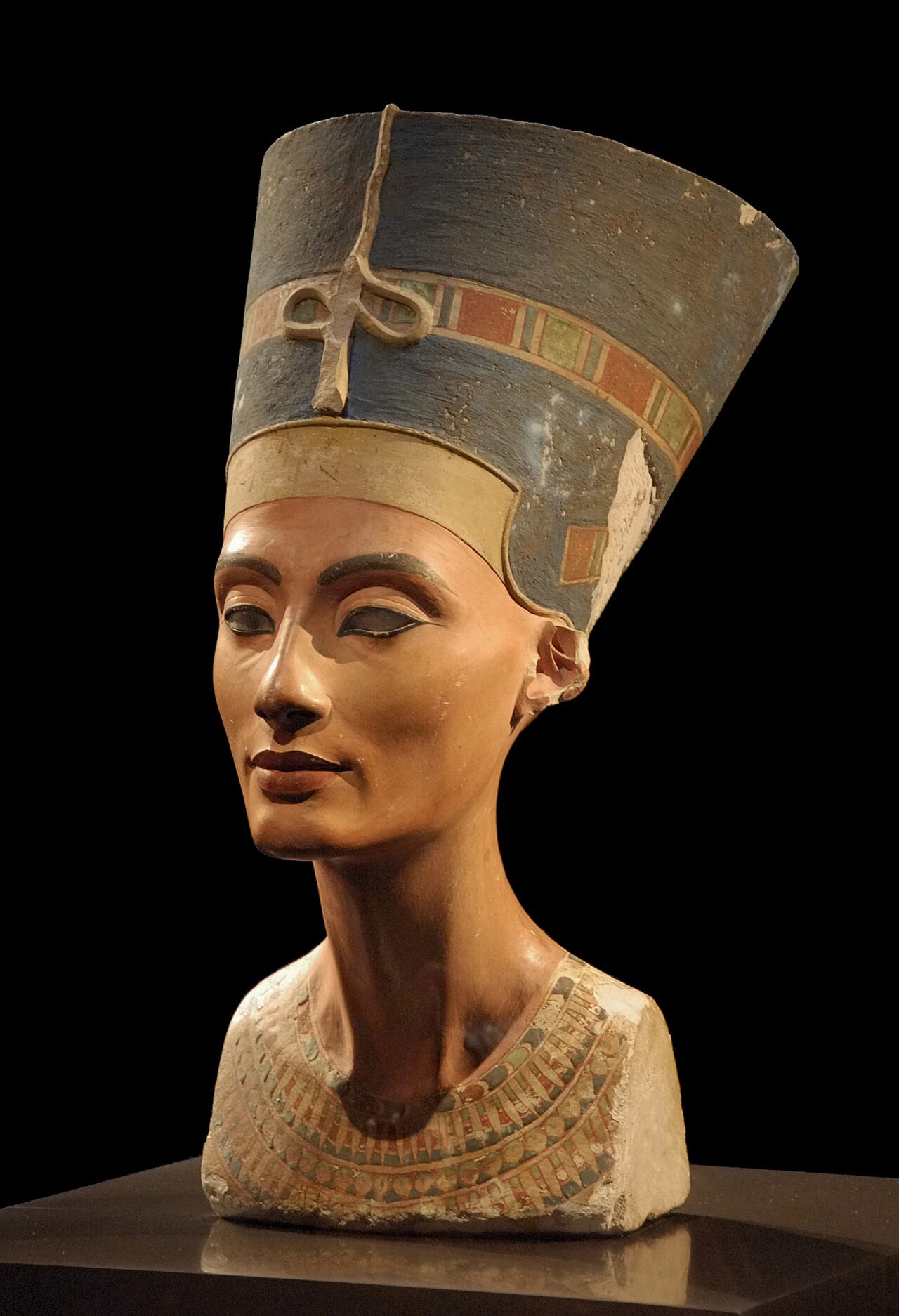 Sculpture
Primary source
Bust of Queen Nefertiti
Thutmose · c. 1345 BC
 Sculpture
Primary source
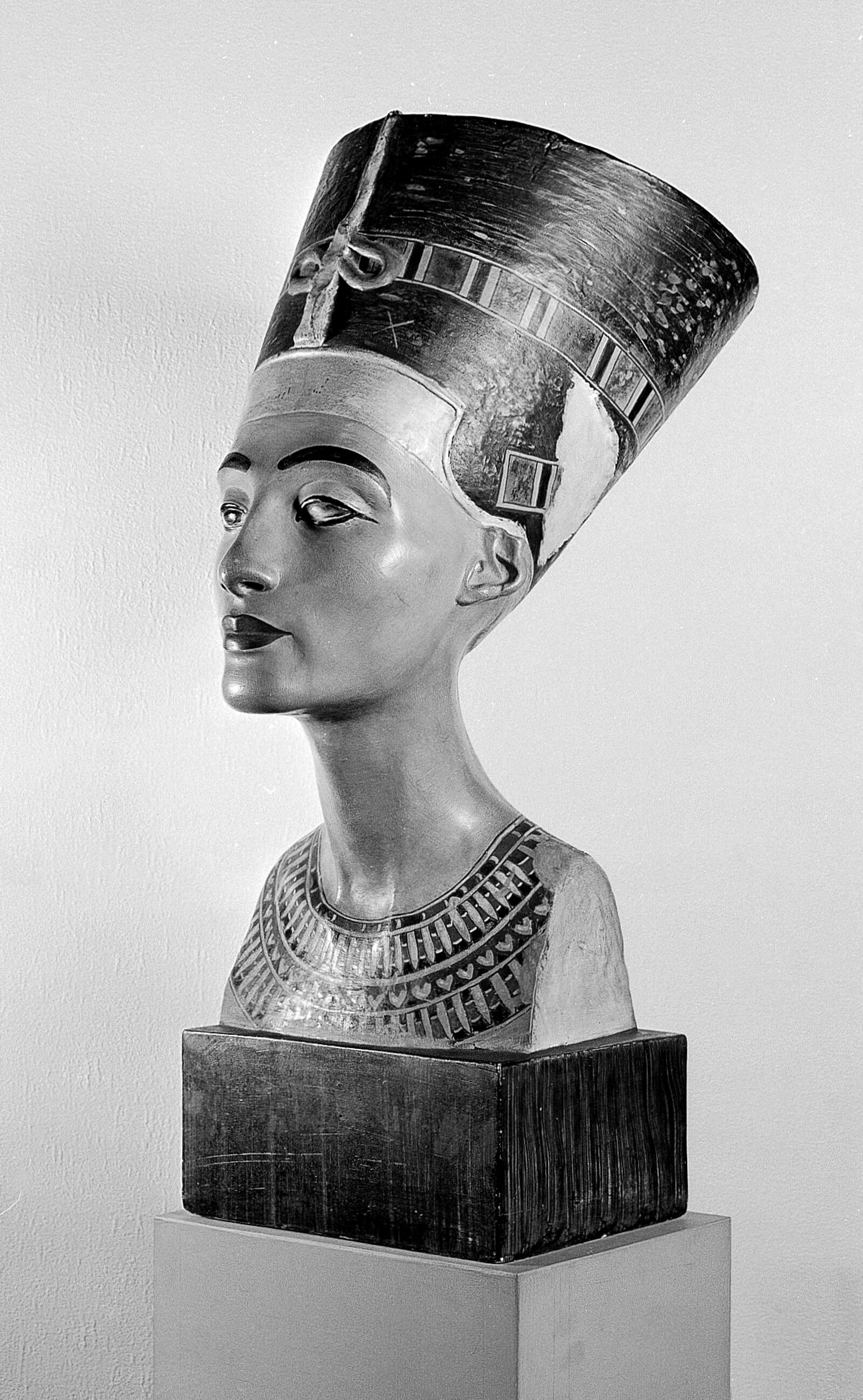
Figure of Nefertiti
 Sculpture
Primary source
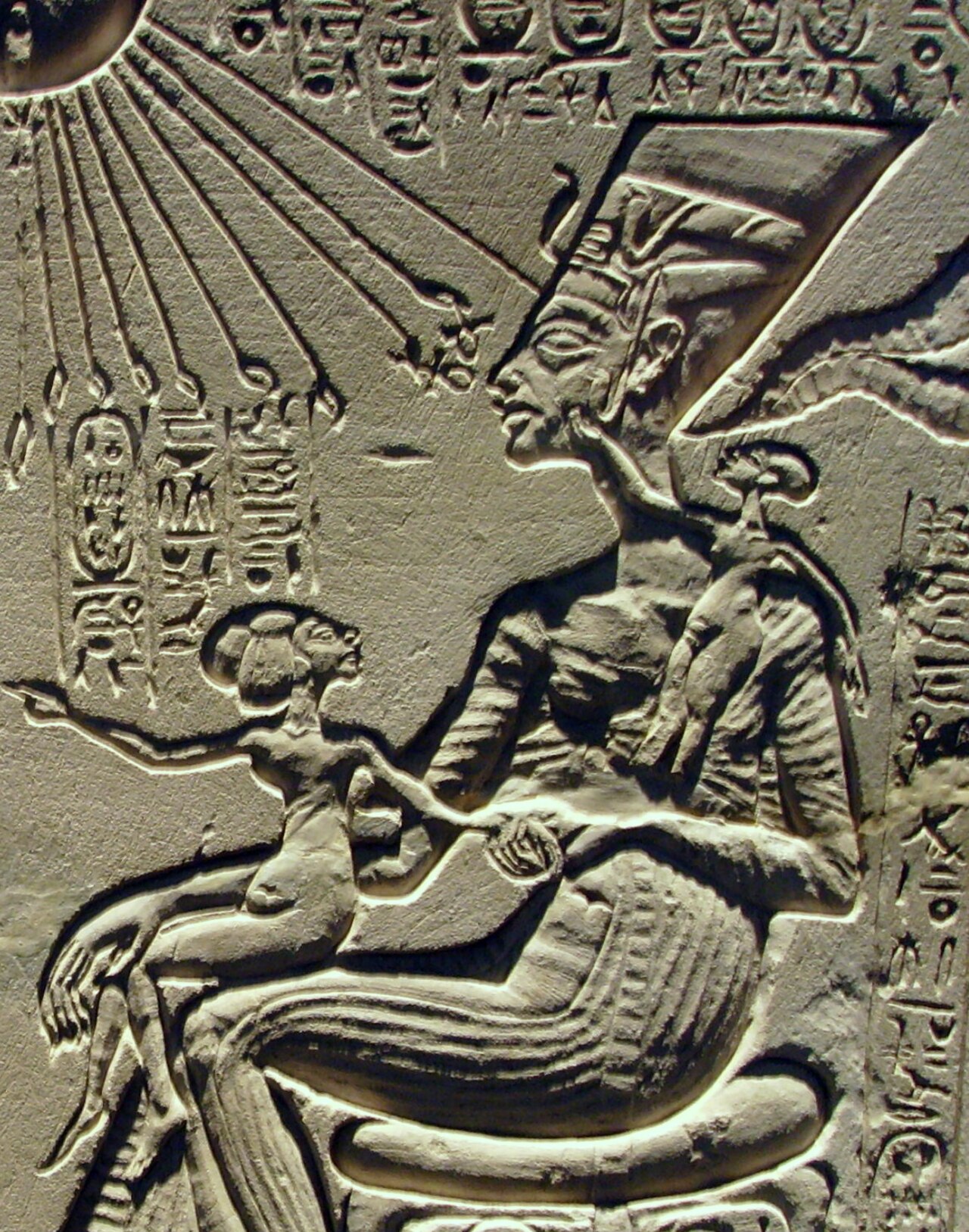
Akhenaten and His Family
c. 1352 BC
 Sculpture
Primary source
Relief Fragment Showing the Blue Crown of Nefertiti
 Document
Primary source
Great Hymn to the Aten
Akhenaten · c. 1350 BC
Ready when you are
Start chatting with Queen Nefereti now.
20 messages free · No credit card · Available in 50+ languages.