


Primary sourceArtifactOld Kingdom, c. 2600-2500 BCE
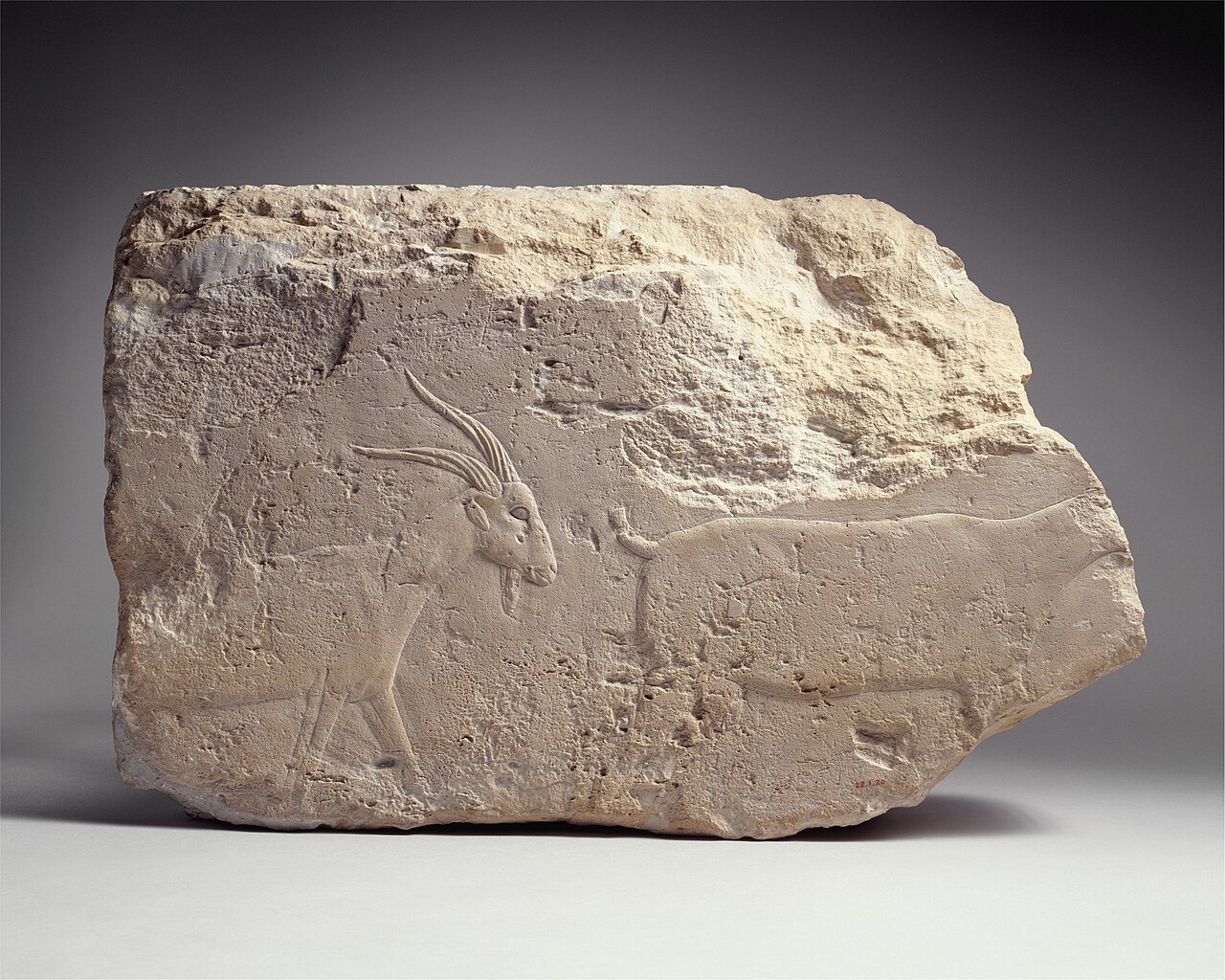
Relief with a Billy Goat from Lisht
Unknown Egyptian sculptor · Old Kingdom, c. 2600-2500 BCE
A limestone relief fragment showing a horned animal, reused at Lisht and likely from an Old Kingdom royal monument possibly linked to Khufu.
A reused relief fragment possibly from a royal monument connected to Khufu's reign.
About this source
What it is
This limestone relief fragment shows a carved horned animal, part of a larger decorative scene, now broken and worn. It was found reused at Lisht, where later builders recycled stone from earlier royal monuments.
Why it matters
Fragments like this one are thought to come from Old Kingdom royal complexes, possibly including structures connected to Khufu. Even small pieces like this help historians reconstruct what decorated the walls of pyramid temples that no longer survive intact.
Look closer
- What can you tell about the original scene from just this small piece?
- Why do you think ancient builders reused stone blocks instead of carving new ones?
- What is lost when we only have a fragment rather than the whole wall?
This artifact is part of the curated material that grounds the AI version of Pharaoh Khufu (Cheops) on Humy.ai — when students ask about related events, the AI can quote it and cite it.
More Pharaoh Khufu (Cheops) sources
Meet the AI Pharaoh Khufu (Cheops) →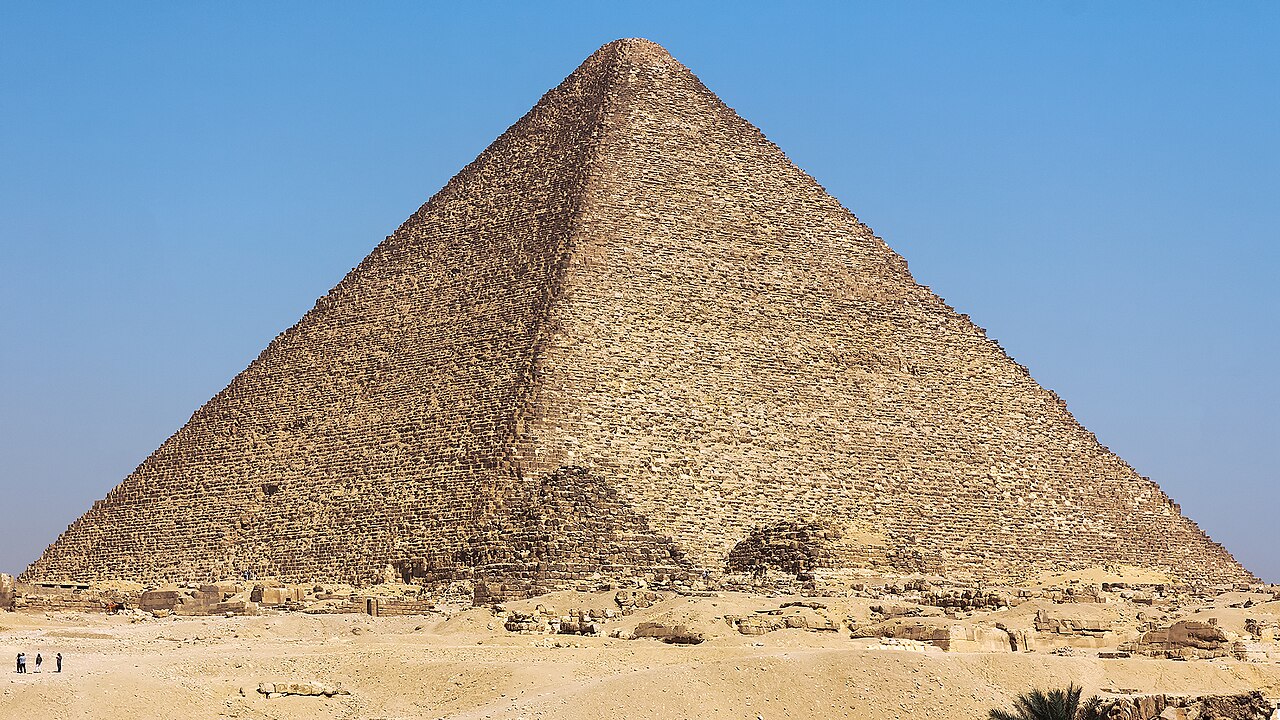 Artifact
Primary source
Great Pyramid of Giza
c. 2560 BCE
 Photograph
Secondary source
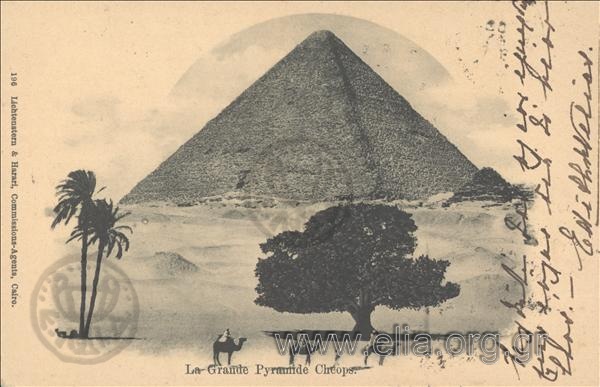
La Grande Pyramide Cheops
1903
 Sculpture
Primary source
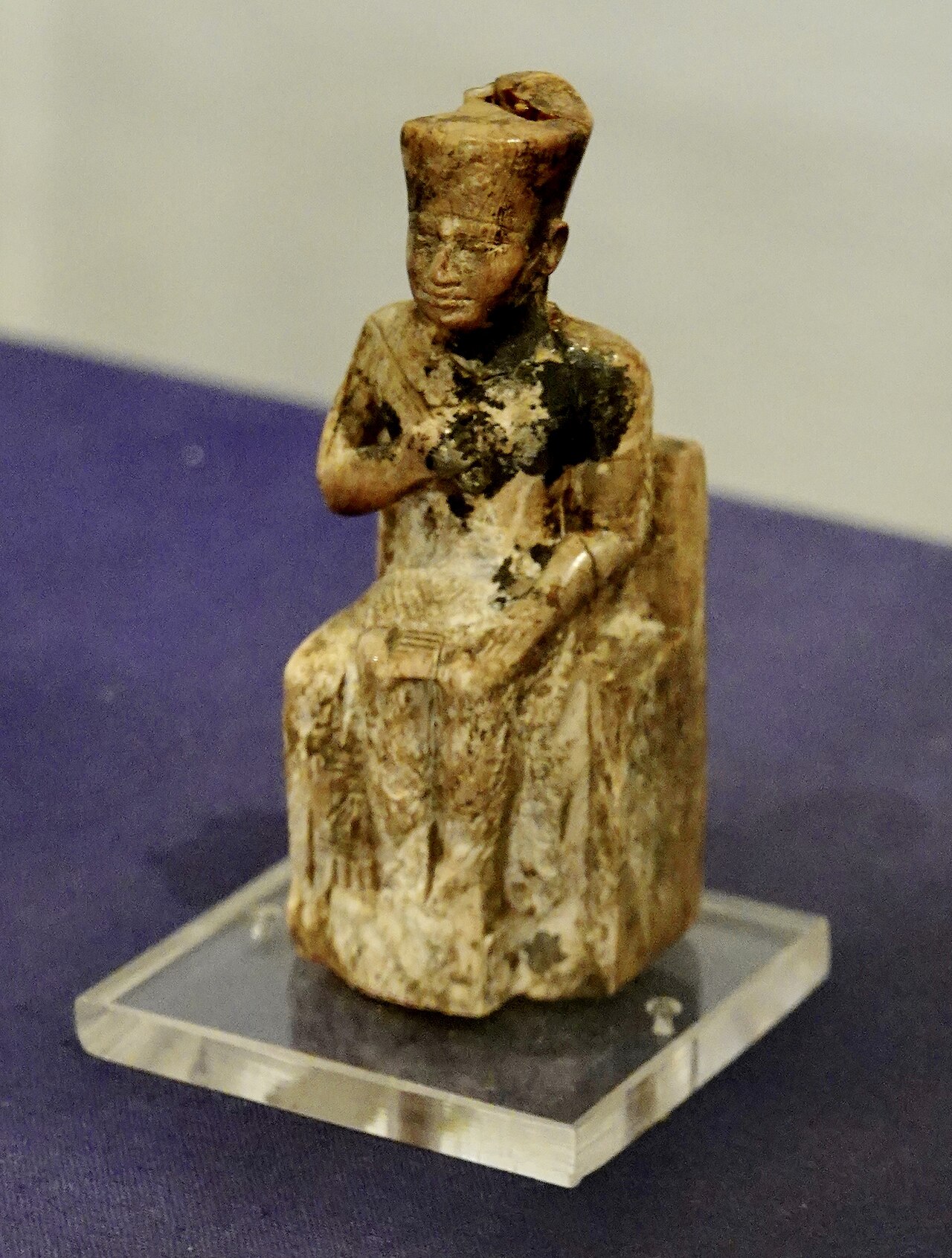
Khufu Statuette
c. 2600–2494 BCE (possibly later, 664–525 BCE)
 Photograph
Secondary source
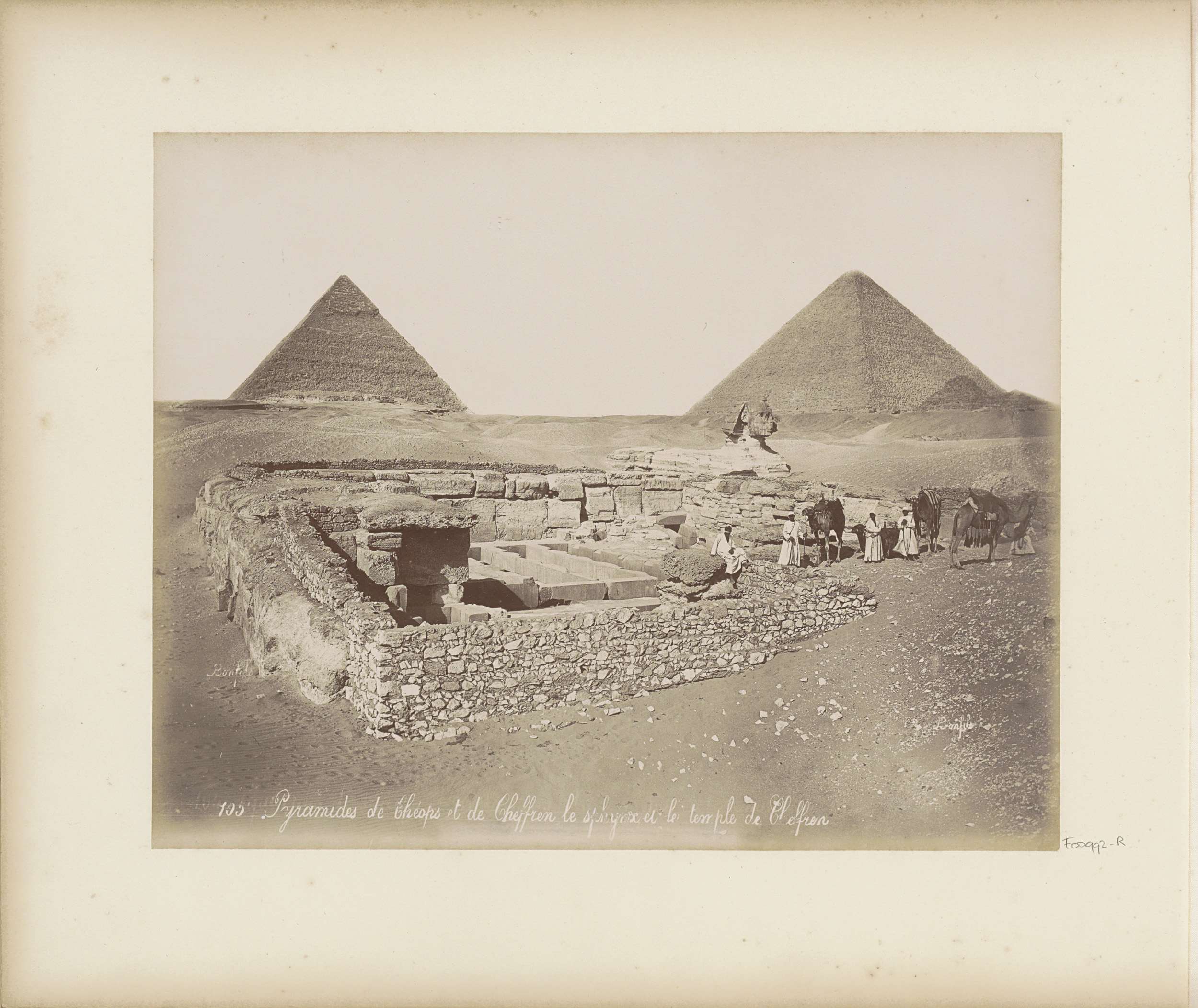
Pyramids of Cheops and Chephren and the Sphinx at Giza
 Artifact
Primary source
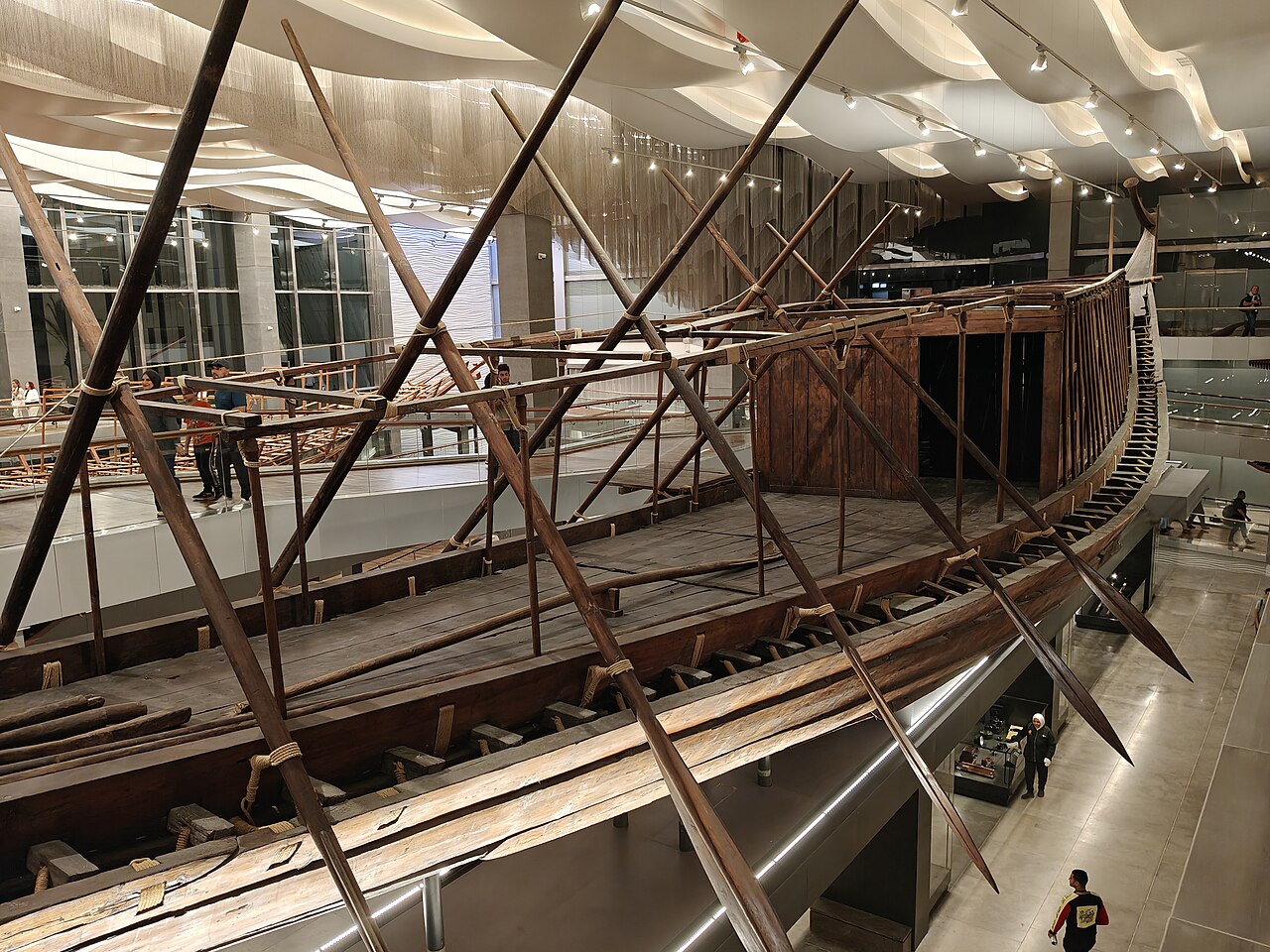
Khufu ship
Royal shipwrights of Khufu · c. 2566 BCE
Ready when you are
Start chatting with Pharaoh Khufu (Cheops) now.
20 messages free · No credit card · Available in 50+ languages.