


Secondary sourceArtifact
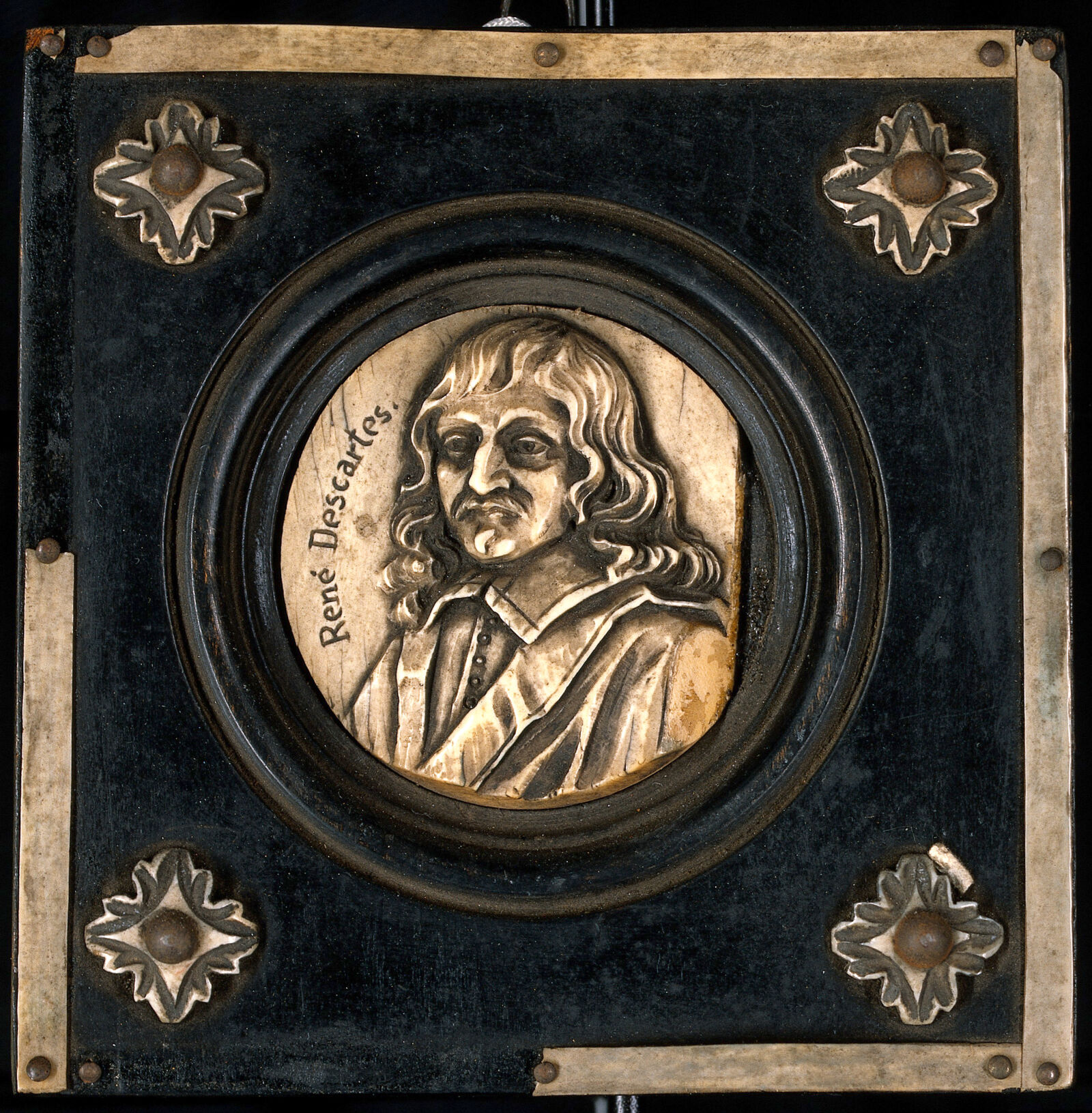
René Descartes ivory relief portrait
A round ivory relief portrait of Descartes, held by the Wellcome Collection in London. It was carved after his death, so it is a later likeness.
Shows a later, posthumous likeness of Descartes made in a decorative material, showing how he was honoured after death.
About this source
What it is
This is a round relief carving in ivory, set into a square black wooden frame with ivory strips and four ivory corner rosettes. It shows a bearded man with long wavy hair, wearing a collared shirt and cloak. The name René Descartes is carved on the left side of the medallion. The object is held by the Wellcome Collection in London. The carver is not named in the facts.
Why it matters
Portrait reliefs like this were made to honour a famous thinker and to keep his likeness after death. Because Descartes died in 1650, this carving reflects how later makers and collectors remembered him. It connects to the wider tradition of portraits of Descartes made from earlier paintings, such as the work of Frans Hals.
Look closer
- What materials and shapes did the maker choose, and how do they make the figure seem important?
- Who would have owned or displayed an object like this, and why?
- How can you tell that this is a later likeness rather than one made from life?
This artifact is part of the curated material that grounds the AI version of Rene Descartes on Humy.ai — when students ask about related events, the AI can quote it and cite it.
More Rene Descartes sources
Meet the AI Rene Descartes →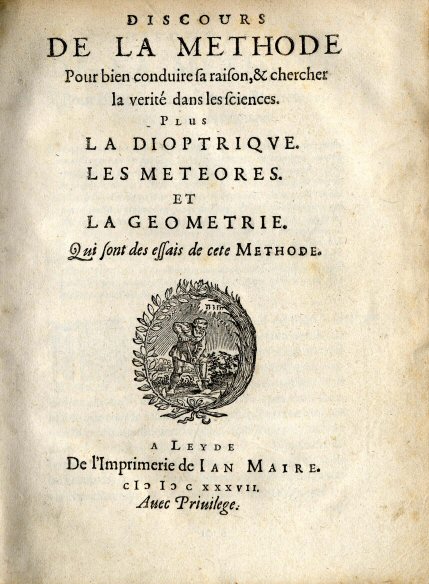 Book
Primary source
Discourse on the Method
René Descartes · 1637
 Book
Primary source
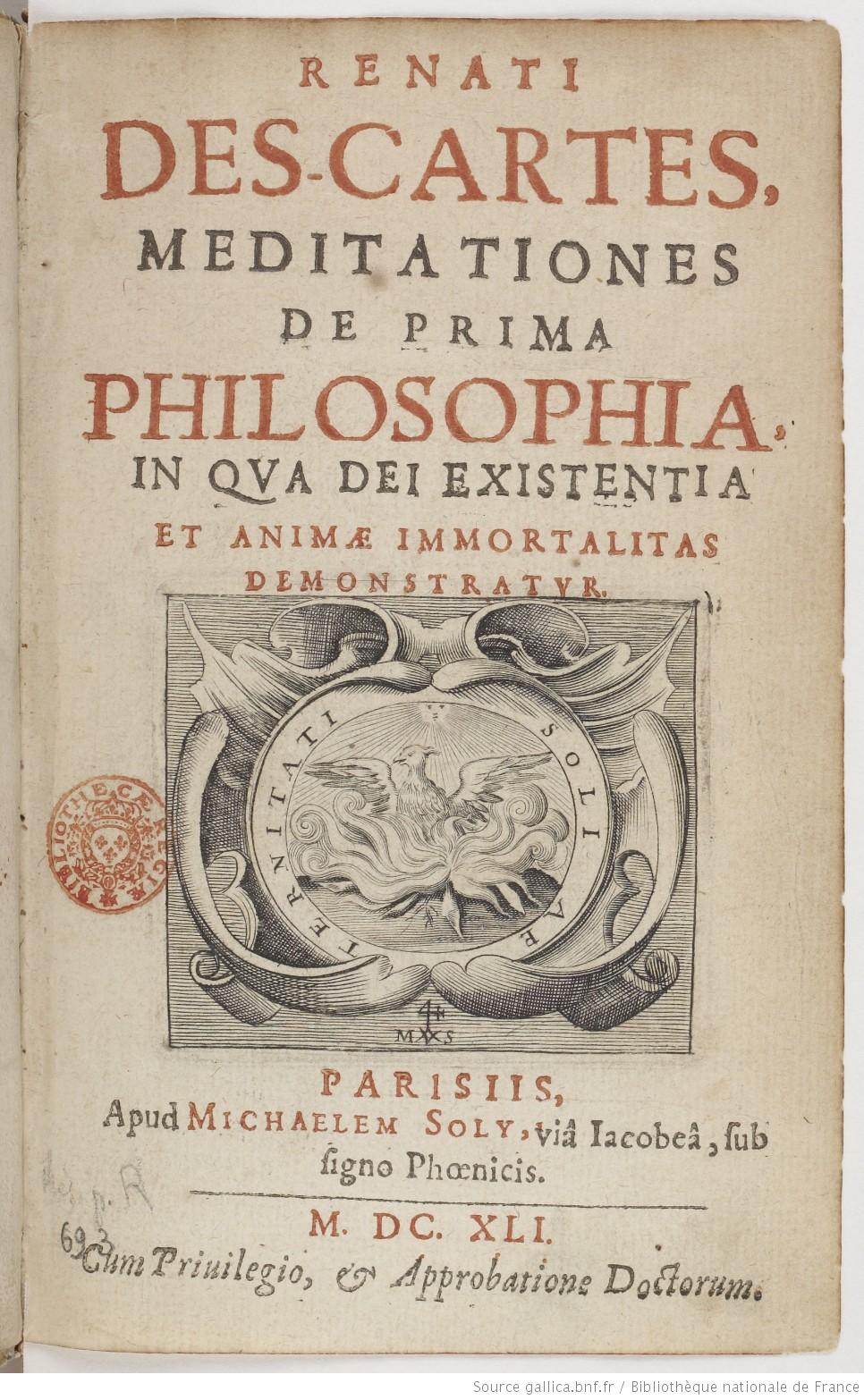
Meditations on First Philosophy
René Descartes · 1641
 Document
Primary source
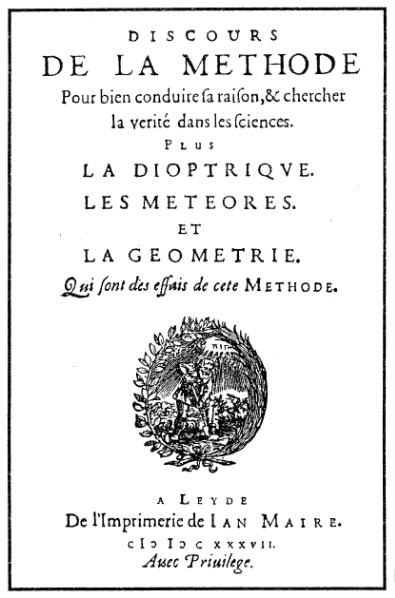
La Géométrie
René Descartes · 1637
 Painting
Primary source
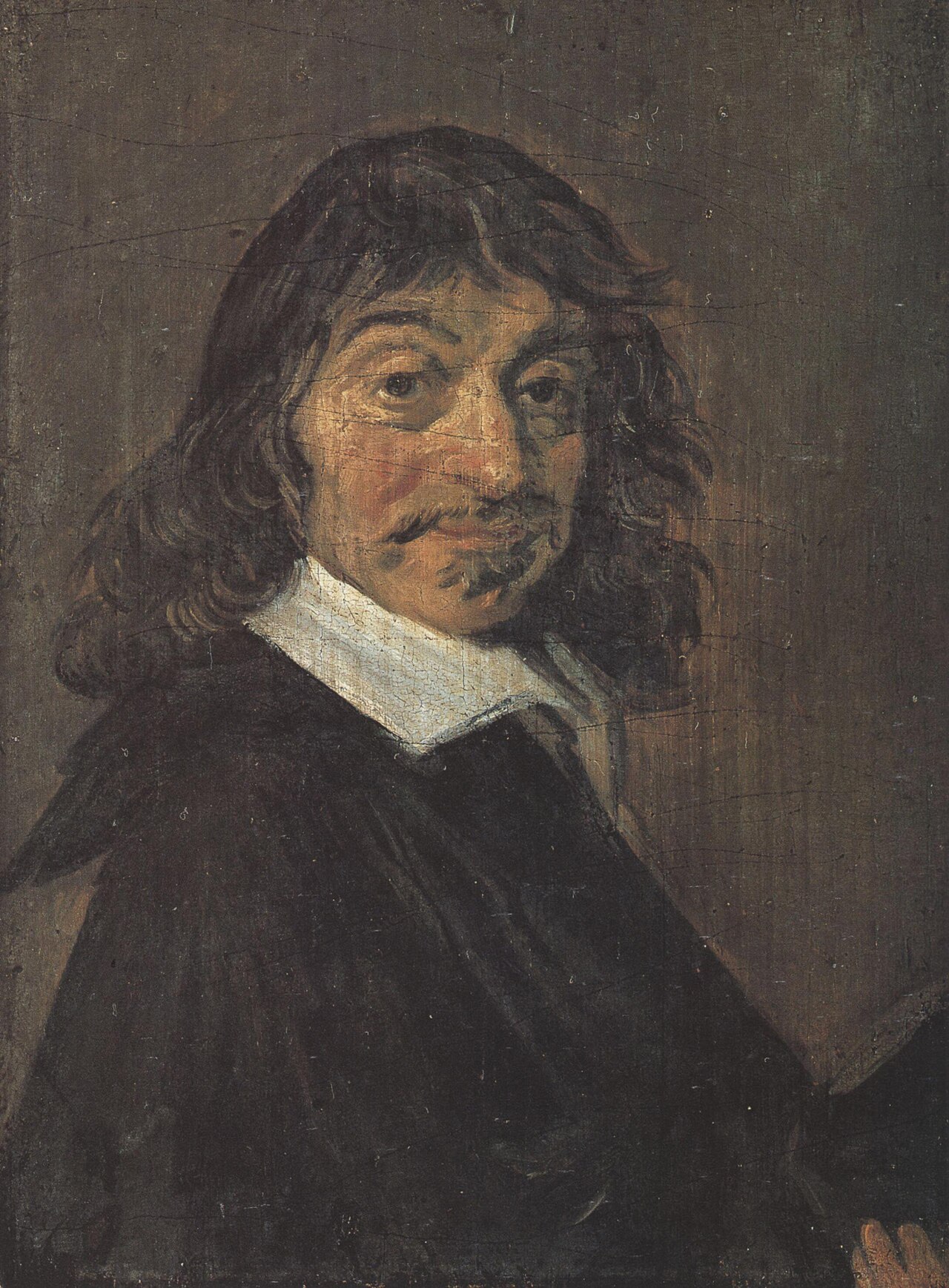
Portrait of René Descartes
Frans Hals · 1649
 Book
Primary source
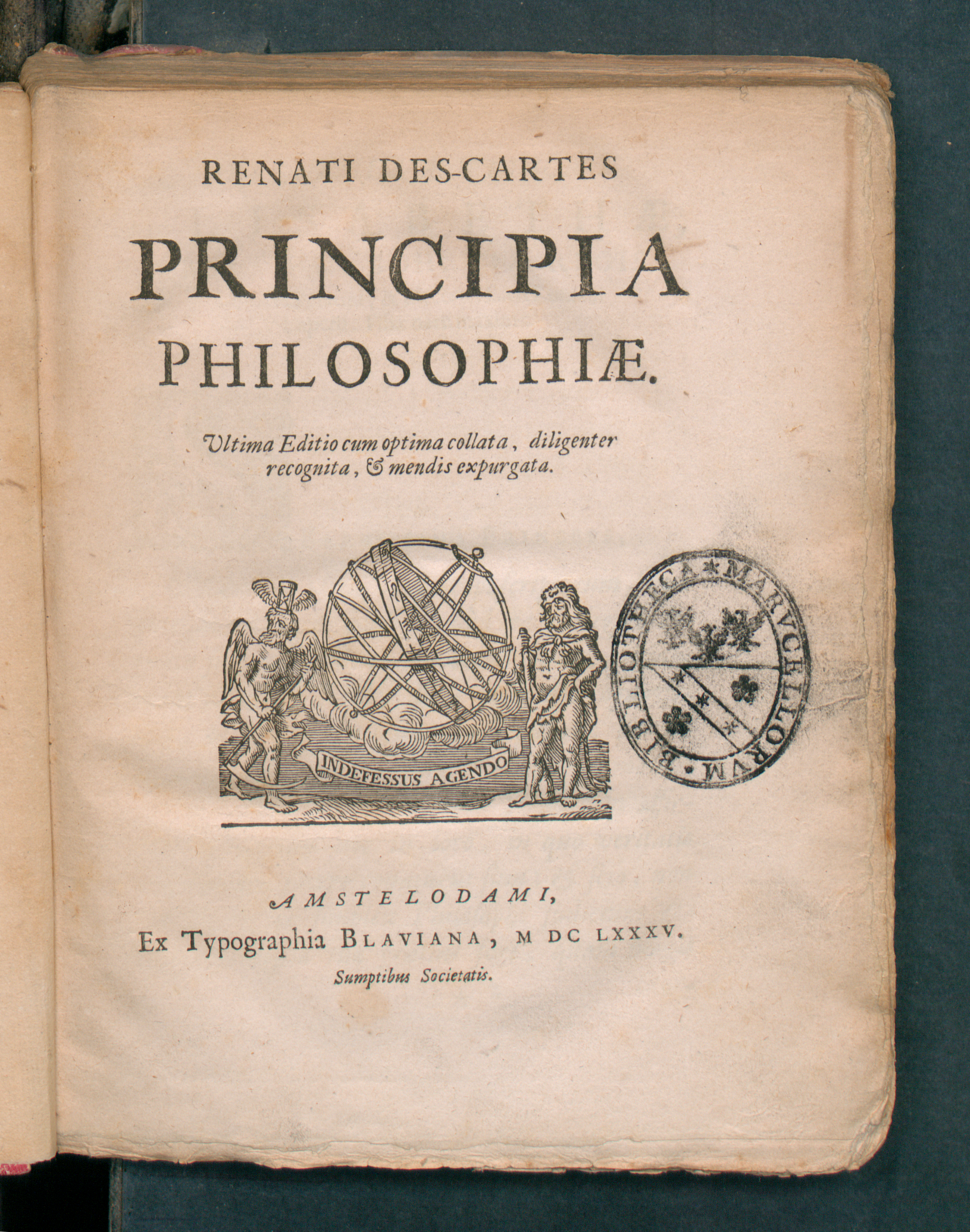
Principles of Philosophy
René Descartes · 1644
Ready when you are
Start chatting with Rene Descartes now.
20 messages free · No credit card · Available in 50+ languages.