


Primary sourceDocumentc. 250 BCE
Rock Edict of Ashoka at Dhauli
Ashoka · c. 250 BCE
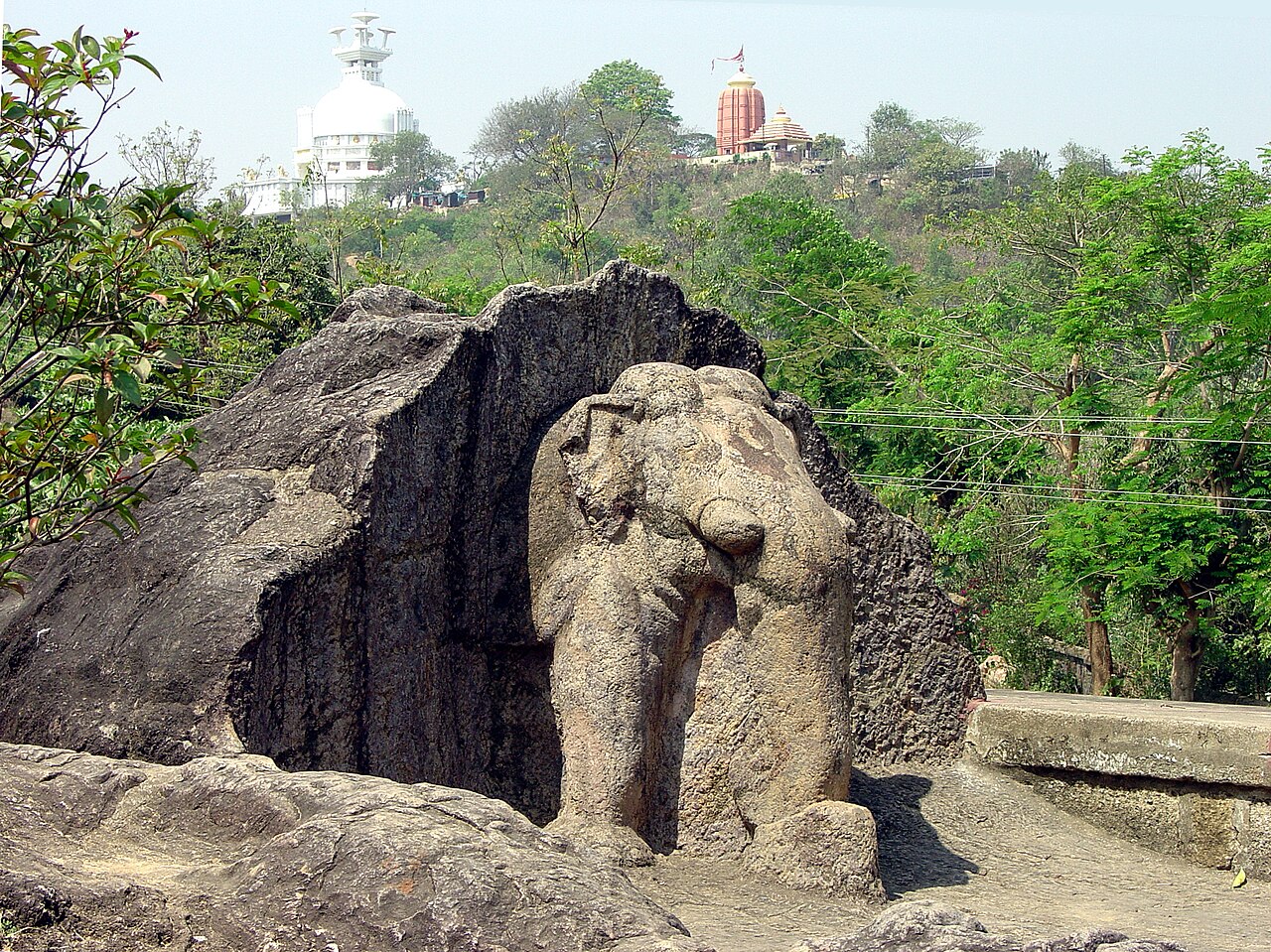
A photo of Ashoka's rock-cut edict at Dhauli, the site of the Kalinga war, where he expressed remorse for the bloodshed.
This is Ashoka's own inscription at the site of the Kalinga war, expressing his remorse and his turn to Buddhist rule.
About this source
What it is
A photograph of the Rock Edict of Ashoka at Dhauli, near Bhubaneshvar, in the ancient territory of Kalinga which Ashoka conquered with great loss of life around 260 BCE. A carved elephant head emerges from the rock face above the inscription, which is cut into the rock below.
Why it matters
At Dhauli, Ashoka had his own words carved into stone expressing remorse for the violence of the Kalinga war and his intention to rule according to Buddhist principles after his conversion. This edict is central evidence for the story of his transformation from a conquering warrior to a ruler guided by Dhamma.
Look closer
- Why might a ruler choose to publicly record his own regret for a war he won?
- What might the carved elephant have meant to people seeing this monument at the time?
- The temple and stupa visible in the photo are modern additions — how does this affect how we read the ancient site today?
This document is part of the curated material that grounds the AI version of Ashoka the Great on Humy.ai — when students ask about related events, the AI can quote it and cite it.
More Ashoka the Great sources
Browse all 98 → Document
Primary source
Major Rock Edicts
Ashoka · c. 257 BCE
 Sculpture
Secondary source
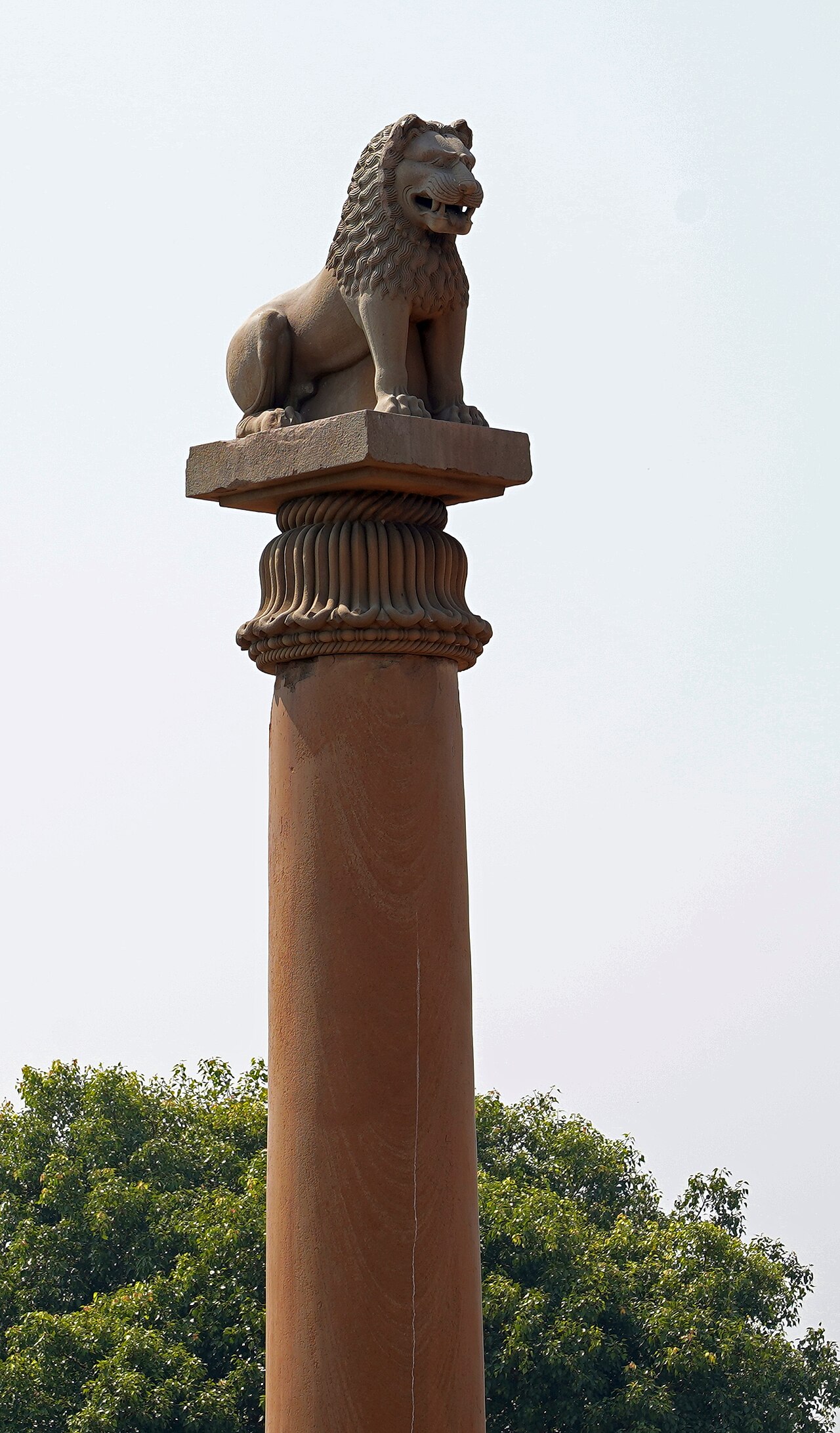
Lion Capital of Ashoka
Commissioned by Ashoka · c. 250 BCE
 Artifact
Secondary source
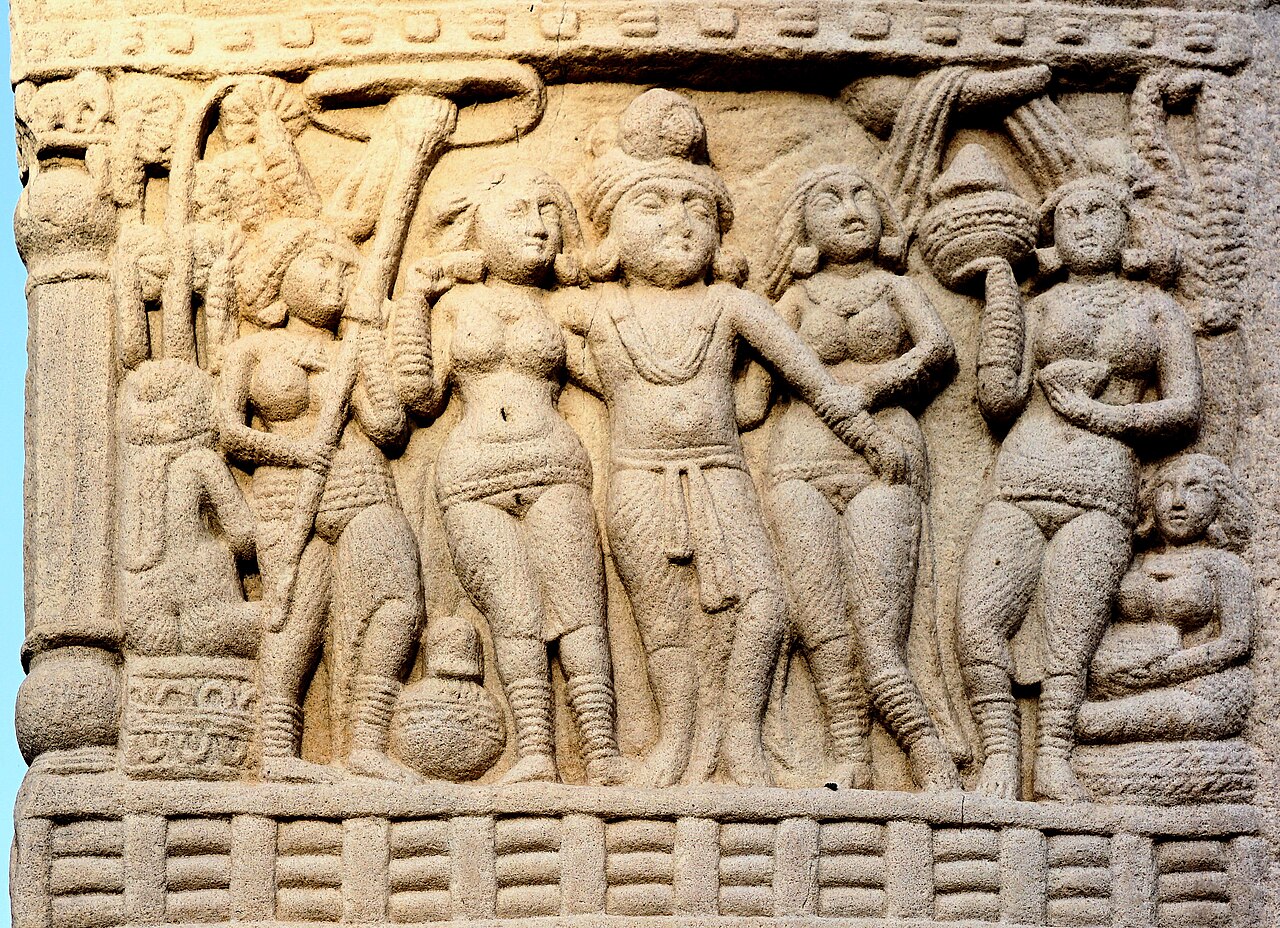
Sanchi Stupa
Commissioned by Ashoka · 3rd century BCE onward
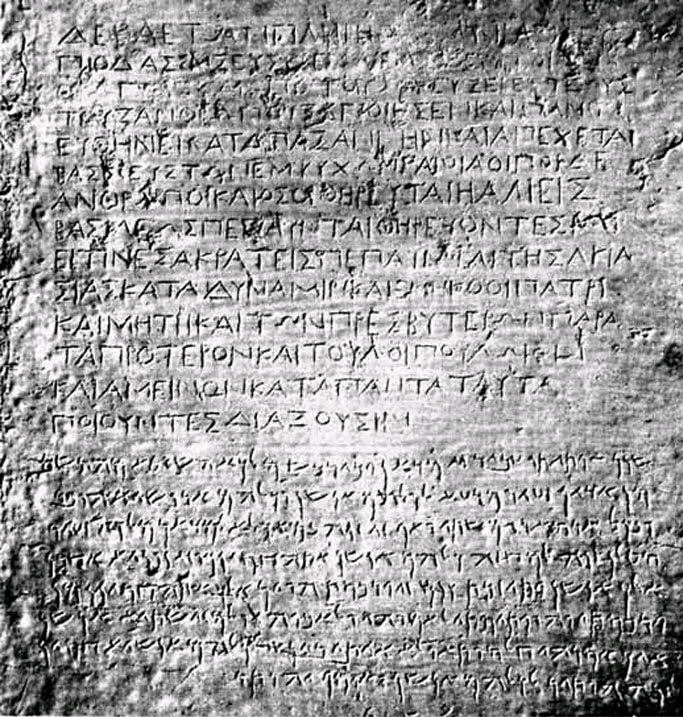 Document
Primary source
Kandahar Bilingual Rock Inscription
Ashoka · c. 260 BCE
Free account
Read every Ashoka the Great source
Sign up free →
Ready when you are
Start chatting with Ashoka the Great now.
20 messages free · No credit card · Available in 50+ languages.