


Secondary sourcePainting1907 (publication)
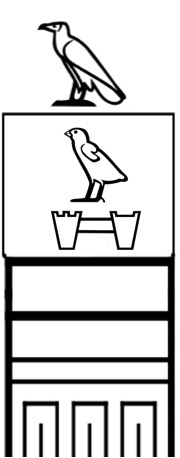
Royal Serekh of Khufu
Zemanst · 1907 (publication)
A line drawing of Khufu's royal serekh, the hieroglyphic frame showing his Horus name, Medjedu.
Shows the royal serekh used to write Khufu's Horus name, a core piece of evidence for identifying him in inscriptions.
About this source
What it is
This is a modern line drawing reproducing the serekh, a rectangular frame topped by a falcon, that contains the Horus name of King Khufu. It is based on an illustration from a 1907 scholarly book listing the kings of Egypt.
Why it matters
The serekh was one of the earliest ways Egyptian kings wrote their names, linking the ruler to the falcon god Horus. Studying Khufu's serekh helps historians identify his monuments and inscriptions, since his name could appear in this form on objects and buildings throughout Egypt.
Look closer
- Why might ancient Egyptians have chosen a falcon to represent royal power?
- How is this symbol different from how we write names today?
- What might be missing if only the symbol survives, without any accompanying text?
This painting is part of the curated material that grounds the AI version of Pharaoh Khufu (Cheops) on Humy.ai — when students ask about related events, the AI can quote it and cite it.
More Pharaoh Khufu (Cheops) sources
Meet the AI Pharaoh Khufu (Cheops) →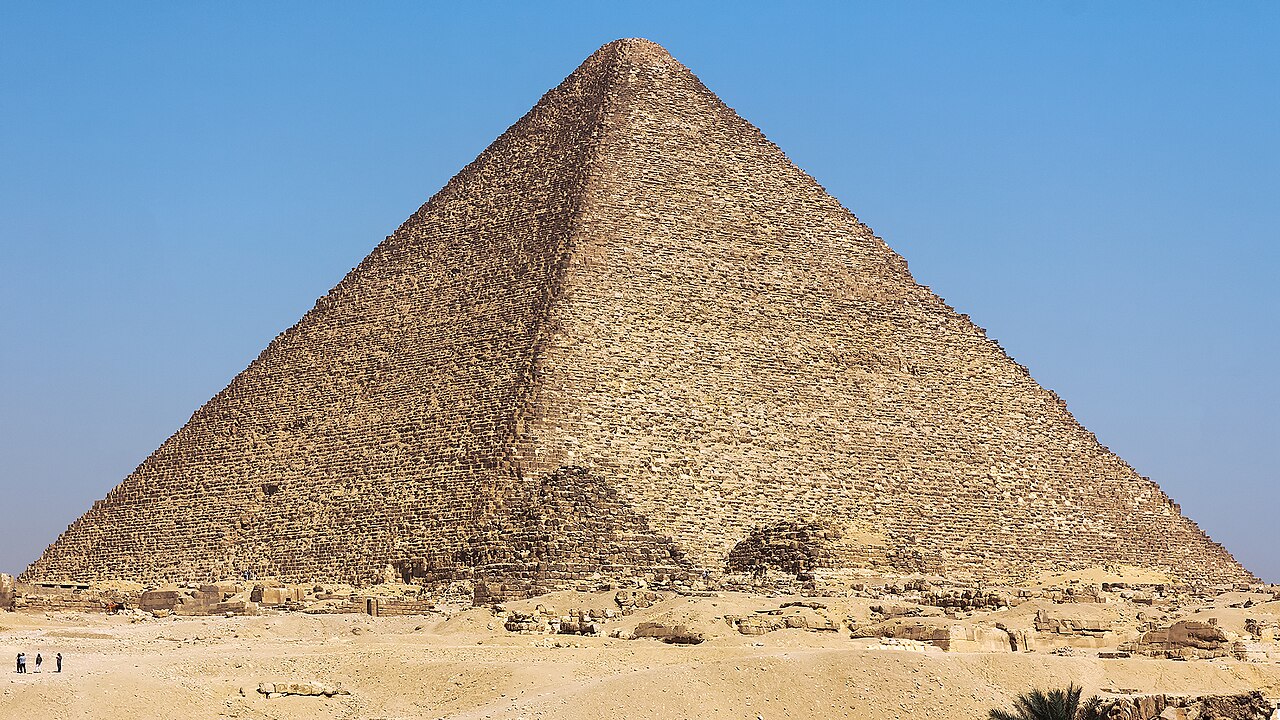 Artifact
Primary source
Great Pyramid of Giza
c. 2560 BCE
 Photograph
Secondary source
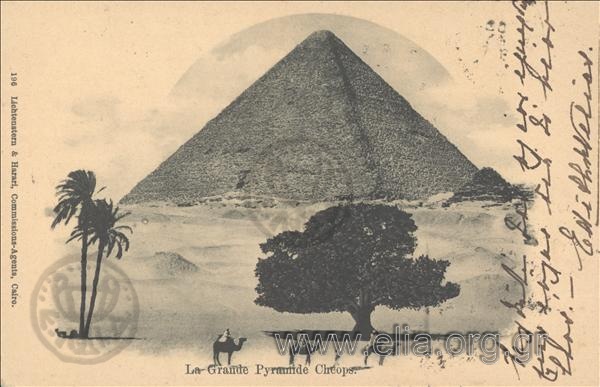
La Grande Pyramide Cheops
1903
 Sculpture
Primary source
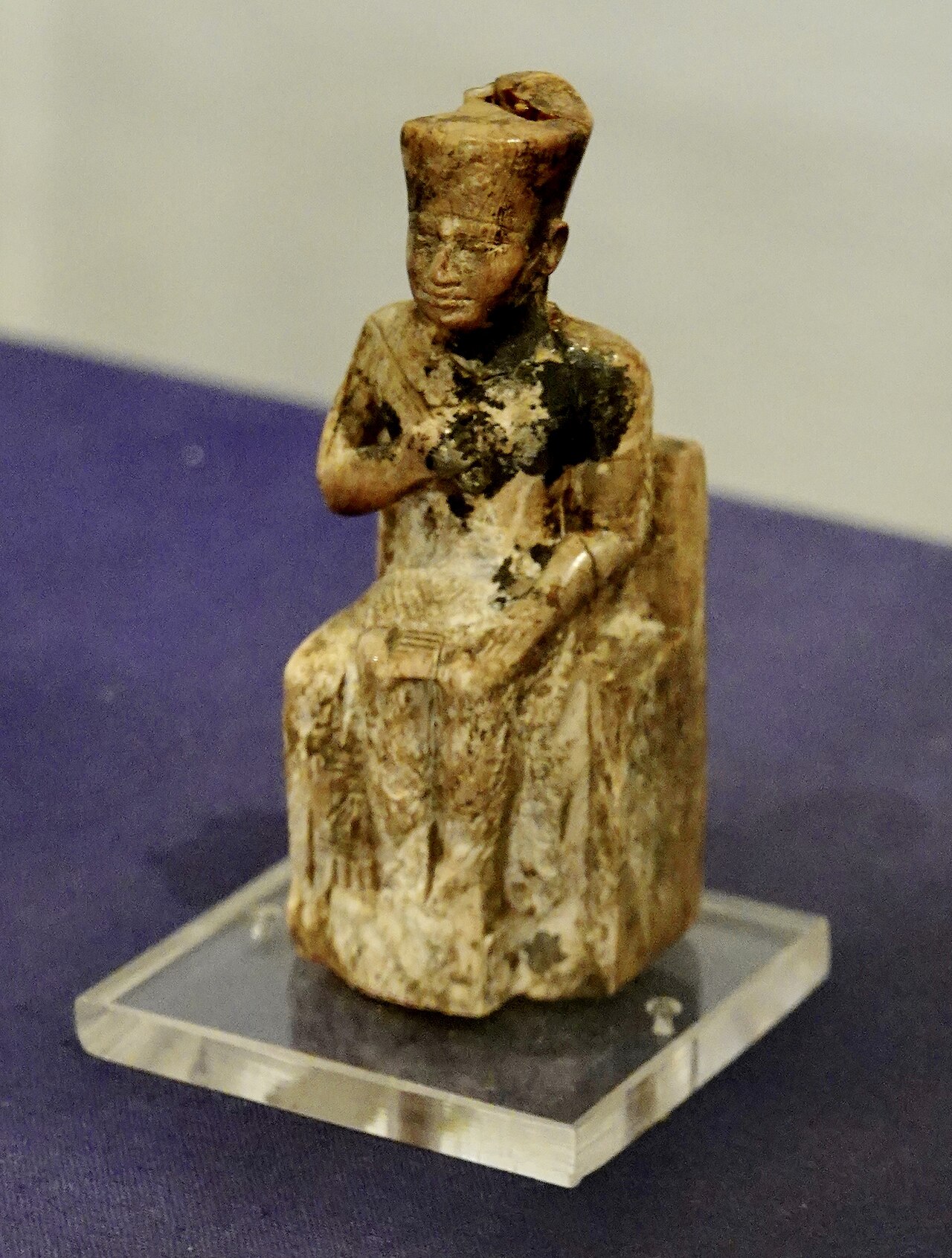
Khufu Statuette
c. 2600–2494 BCE (possibly later, 664–525 BCE)
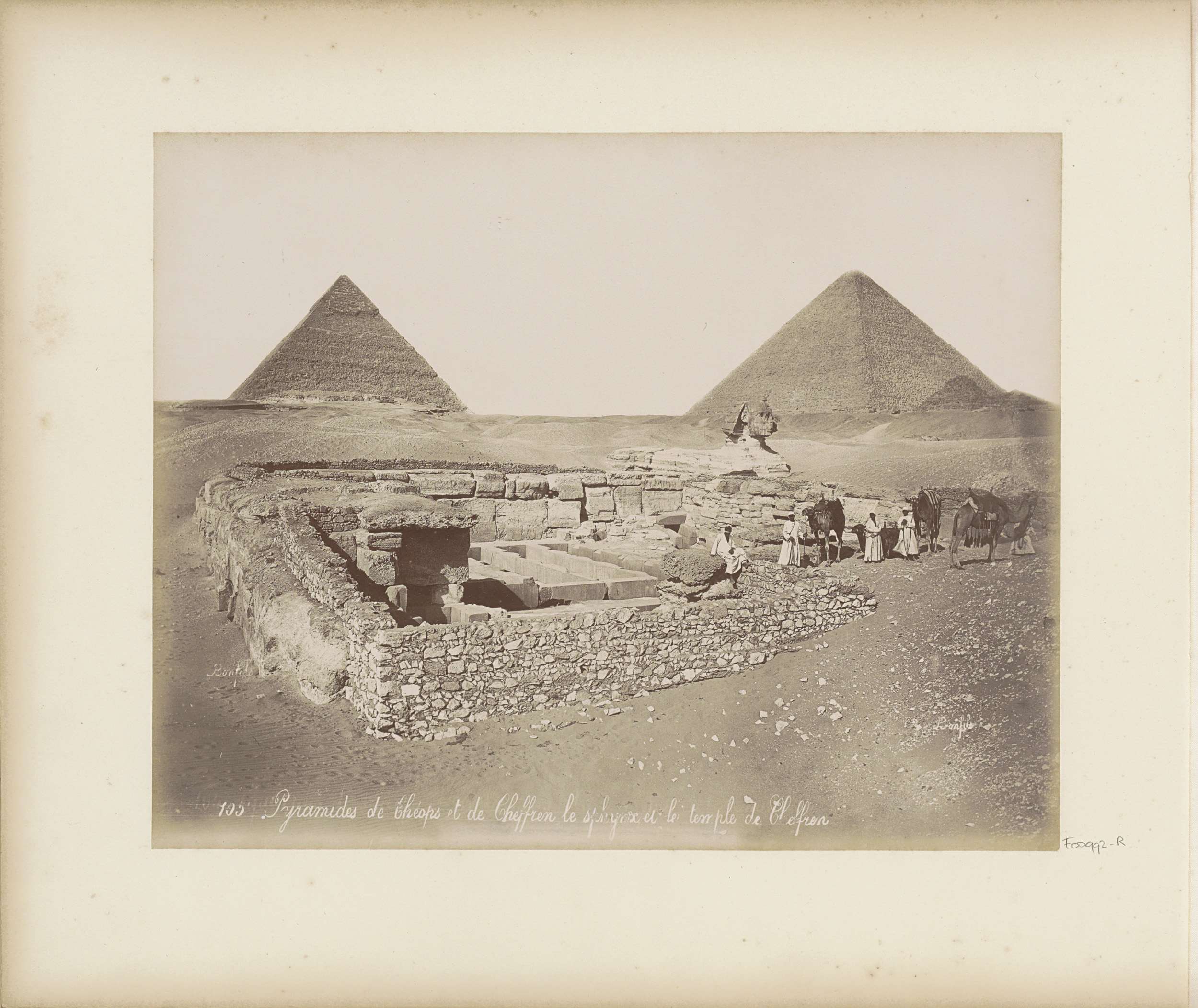 Photograph
Secondary source
Pyramids of Cheops and Chephren and the Sphinx at Giza
 Artifact
Primary source
Khufu ship
Royal shipwrights of Khufu · c. 2566 BCE
Ready when you are
Start chatting with Pharaoh Khufu (Cheops) now.
20 messages free · No credit card · Available in 50+ languages.