


Primary sourceArtifactc. 1345–1336 BCE
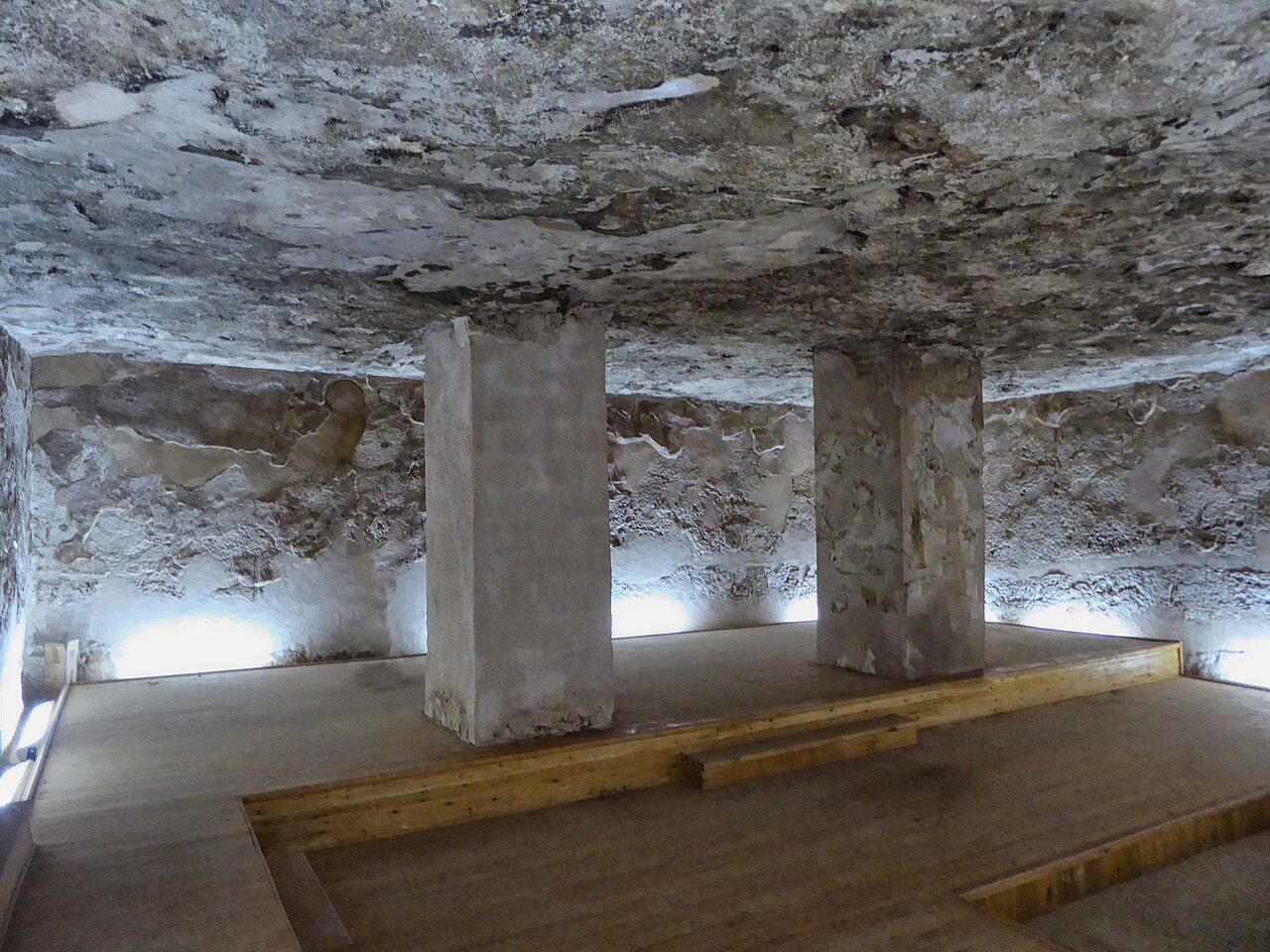
Royal Tomb of Akhenaten at Amarna
Commissioned by Akhenaten · c. 1345–1336 BCE
The tomb Akhenaten built for himself and his family in the Royal Wadi at Amarna, including scenes of royal mourning.
This is the tomb Akhenaten built for his own burial and for his family at his new capital, Amarna.
Free Humy account · No credit card · 120,912 sources to read
About this source
What it is
This multichambered tomb in the Royal Wadi east of Amarna was commissioned by Akhenaten around 1345–1336 BCE. It remains in situ. Most of it was left unfinished, though the burial chamber itself was completed and used.
Why it matters
The tomb was meant for Akhenaten and his family, including his queen Nefertiti, but work stopped after his death when the royal court under his son Tutankhamun abandoned Amarna. Reliefs inside show the royal family mourning the princess Meketaten, a rare depiction of personal grief in Egyptian royal art. Many objects found inside were later damaged or destroyed.
Look closer
- Why might so much of the tomb have been left unfinished?
- What does a scene of mourning tell us about how this royal family wanted to be remembered?
- Why were objects in the tomb deliberately destroyed after Akhenaten's death?
This artifact is part of the curated material that grounds the AI version of Akhenaten on Humy.ai — when students ask about related events, the AI can quote it and cite it.
More Akhenaten sources
Browse all 99 →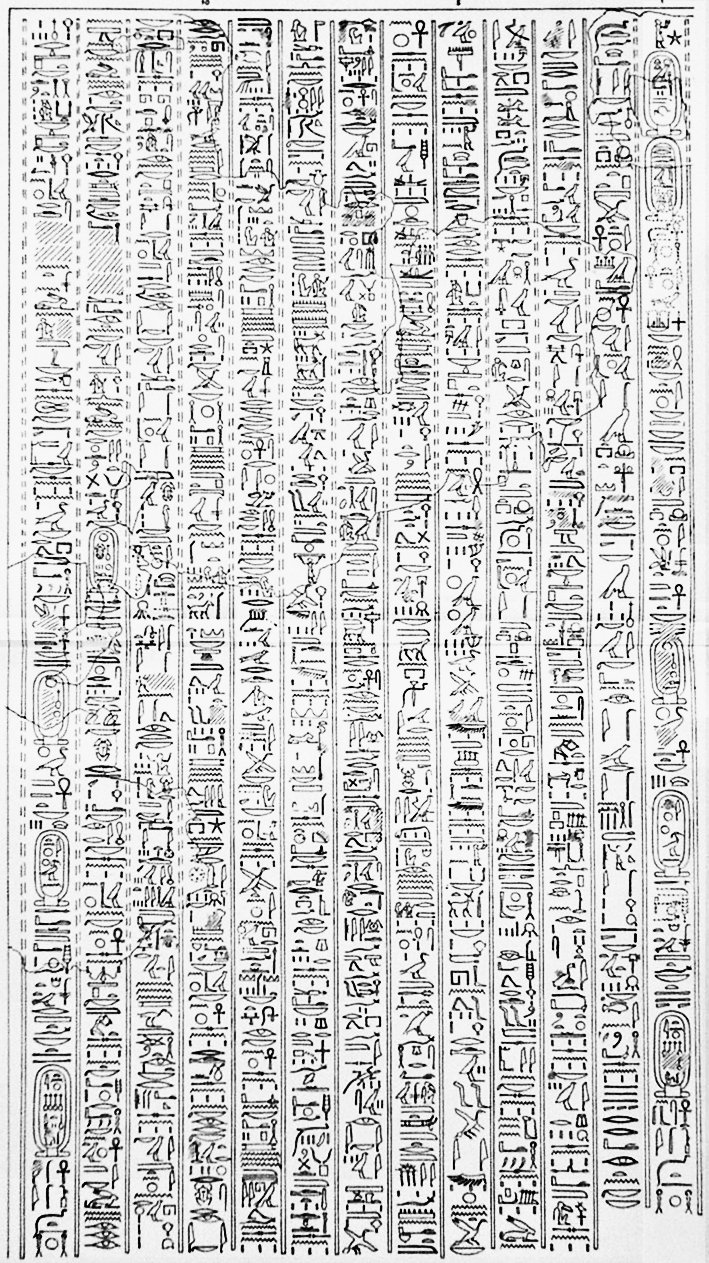 Document
Primary source
Great Hymn to the Aten
Akhenaten · c. 1350 BC
 Document
Primary source
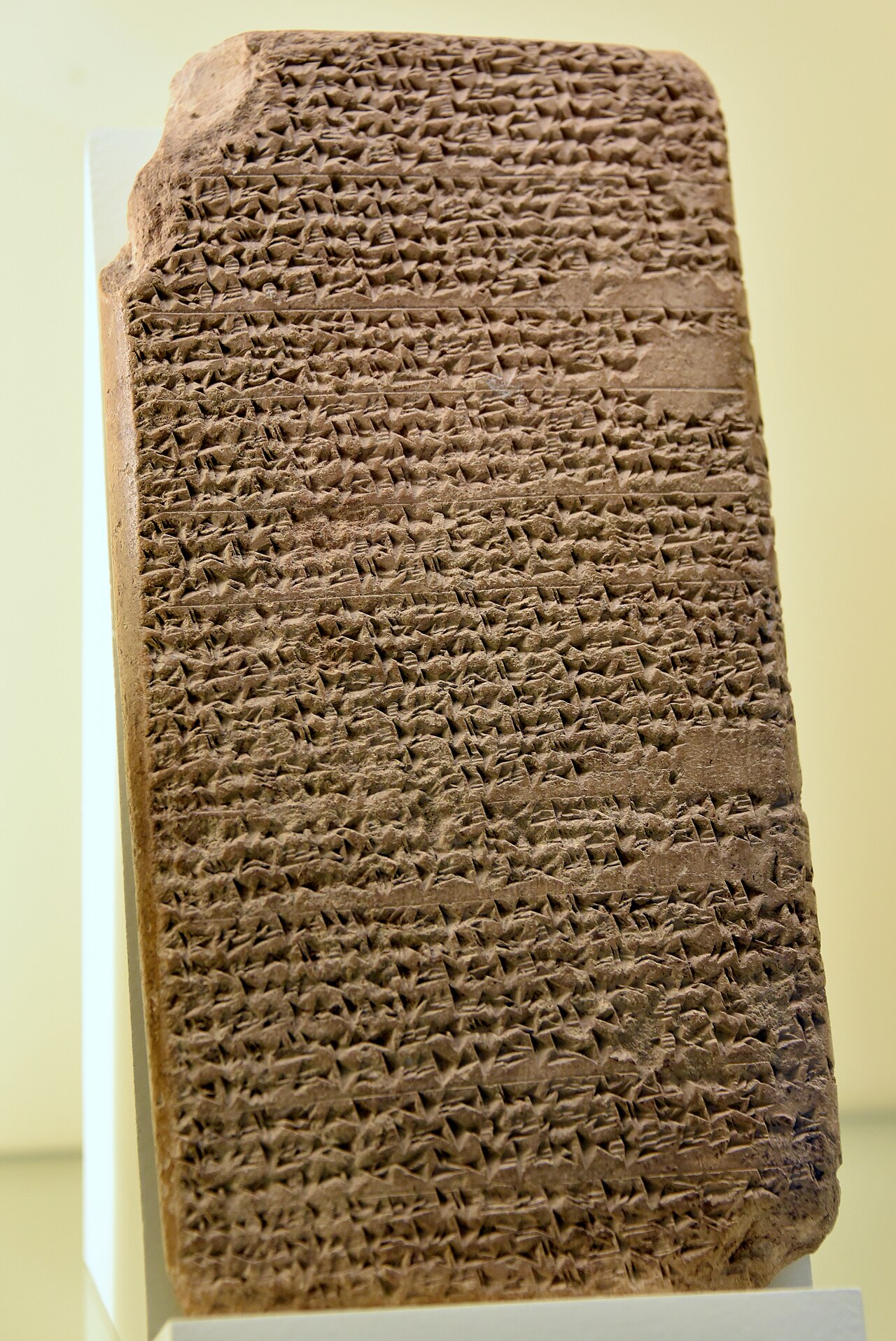
Amarna letters
Foreign rulers and vassals of Egypt; Egyptian chancery · c. 1360–1332 BCE
 Sculpture
Primary source
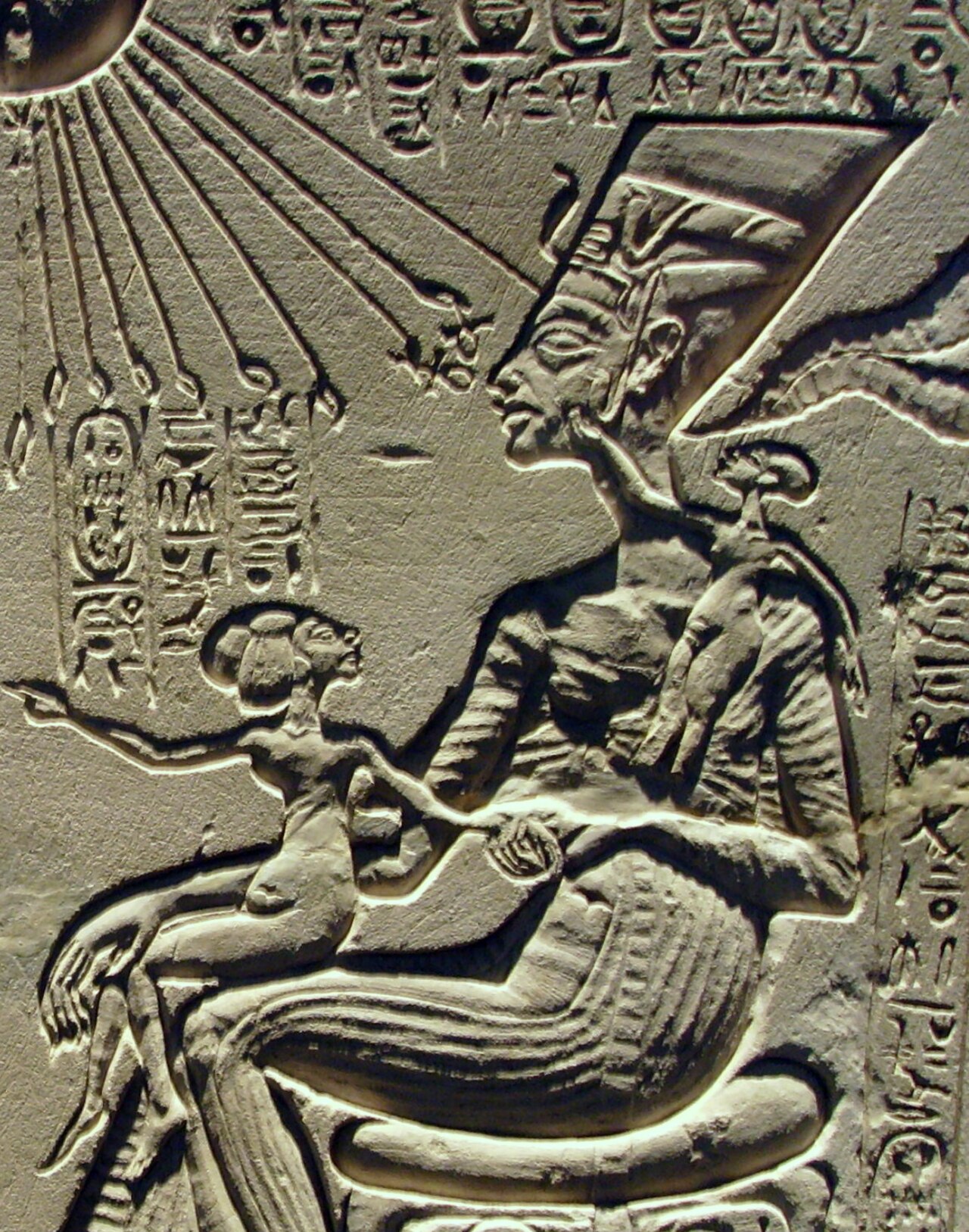
Akhenaten and His Family
c. 1352 BC
 Sculpture
Primary source
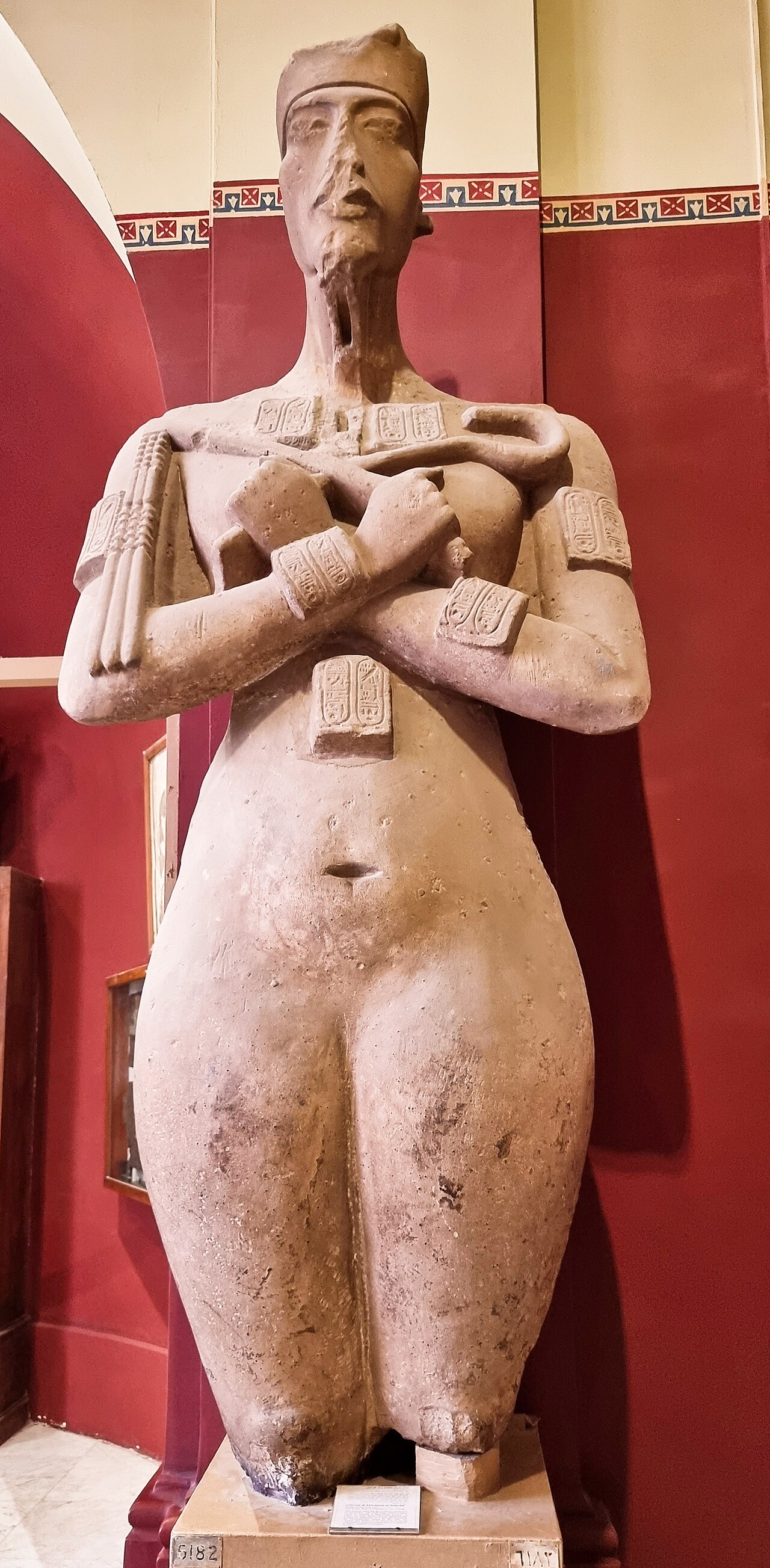
Colossal Statue of Akhenaten or Nefertiti
Free account
Read every Akhenaten source
Sign up free →
Ready when you are
Start chatting with Akhenaten now.
20 messages free · No credit card · Available in 50+ languages.