


Primary sourceBookwritten c. 1628, published 1701
Rules for the Direction of the Mind
René Descartes · written c. 1628, published 1701
Descartes' unfinished early treatise on scientific and philosophical method, written in the late 1620s and published long after his death.
Descartes wrote this early treatise on method, which underlies his later philosophical and scientific work.
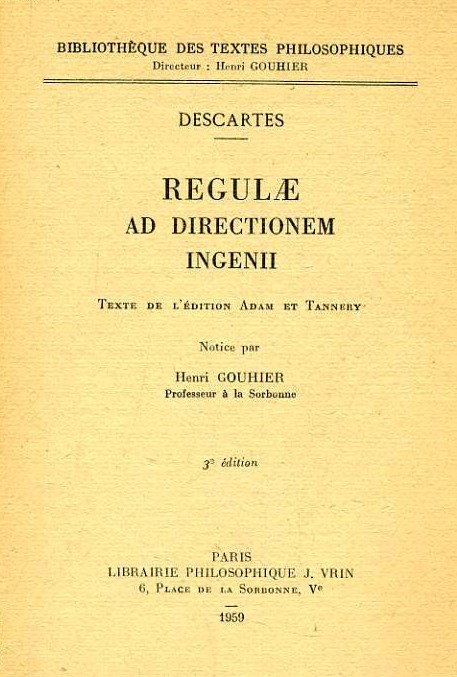
About this source
What it is
Regulae ad directionem ingenii (Rules for the Direction of the Mind) is an unfinished treatise by René Descartes, begun around 1628 and published in 1701, after his death.
Why it matters
Descartes planned 36 rules for proper scientific and philosophical thinking but the work breaks off at rule 21. The early rules define science and set out intuition, deduction and enumeration as the main operations of the mind; later rules deal with mathematical and natural-philosophy problems. The treatise is seen as a 'scrapbook' that shaped Descartes' later, more famous works on method, geometry and philosophy, showing his thinking still taking shape.
Look closer
- Why might an unfinished work still be valuable to historians studying how an idea developed?
- What do Descartes' rules suggest he thought was the safest way to gain true knowledge?
- Why do you think this text was not published until decades after Descartes' death?
This book is part of the curated material that grounds the AI version of Rene Descartes on Humy.ai — when students ask about related events, the AI can quote it and cite it.
More Rene Descartes sources
Meet the AI Rene Descartes →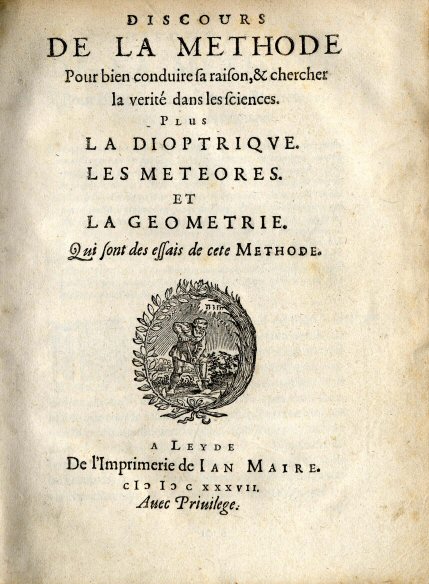 Book
Primary source
Discourse on the Method
René Descartes · 1637
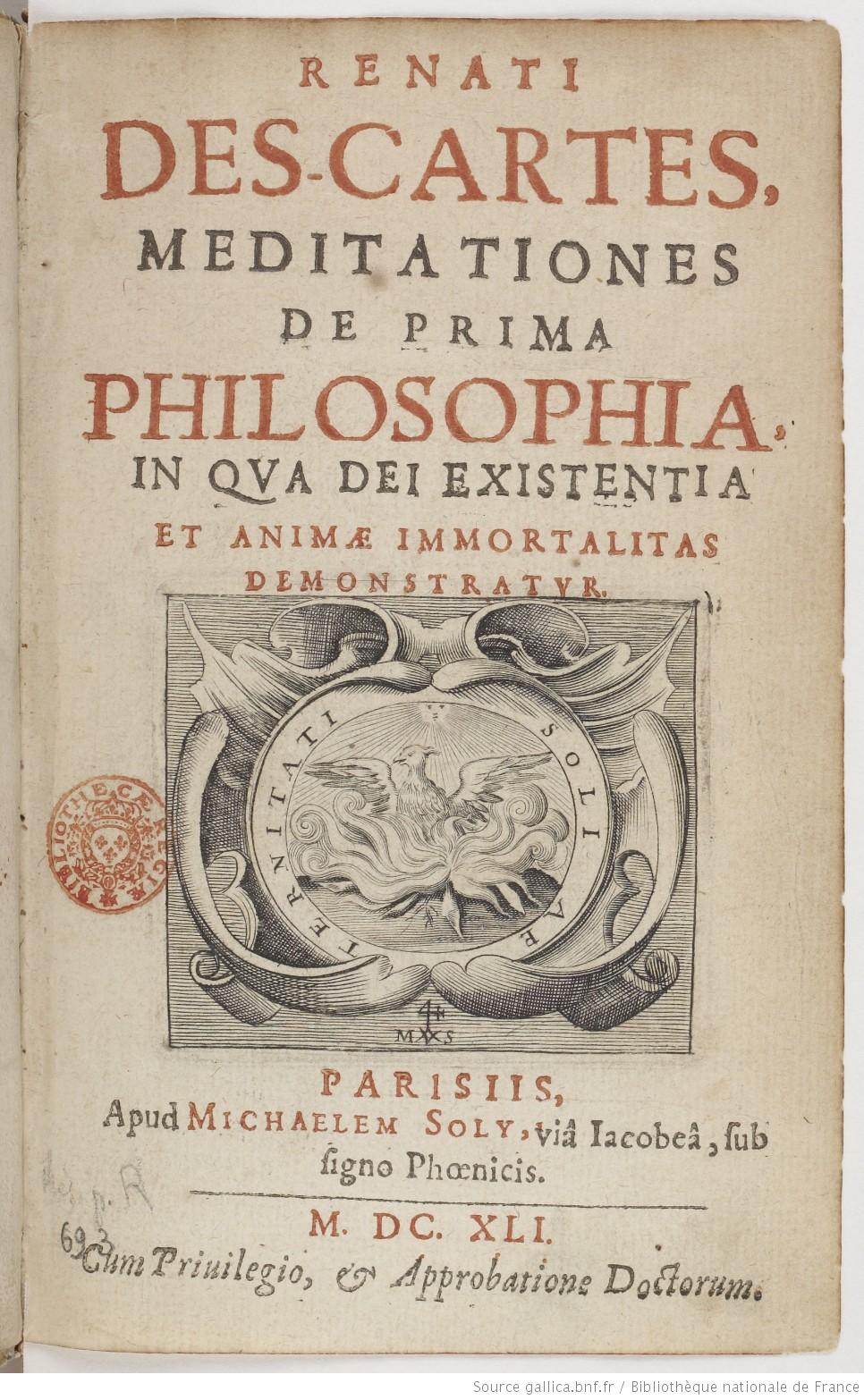 Book
Primary source
Meditations on First Philosophy
René Descartes · 1641
 Document
Primary source
La Géométrie
René Descartes · 1637
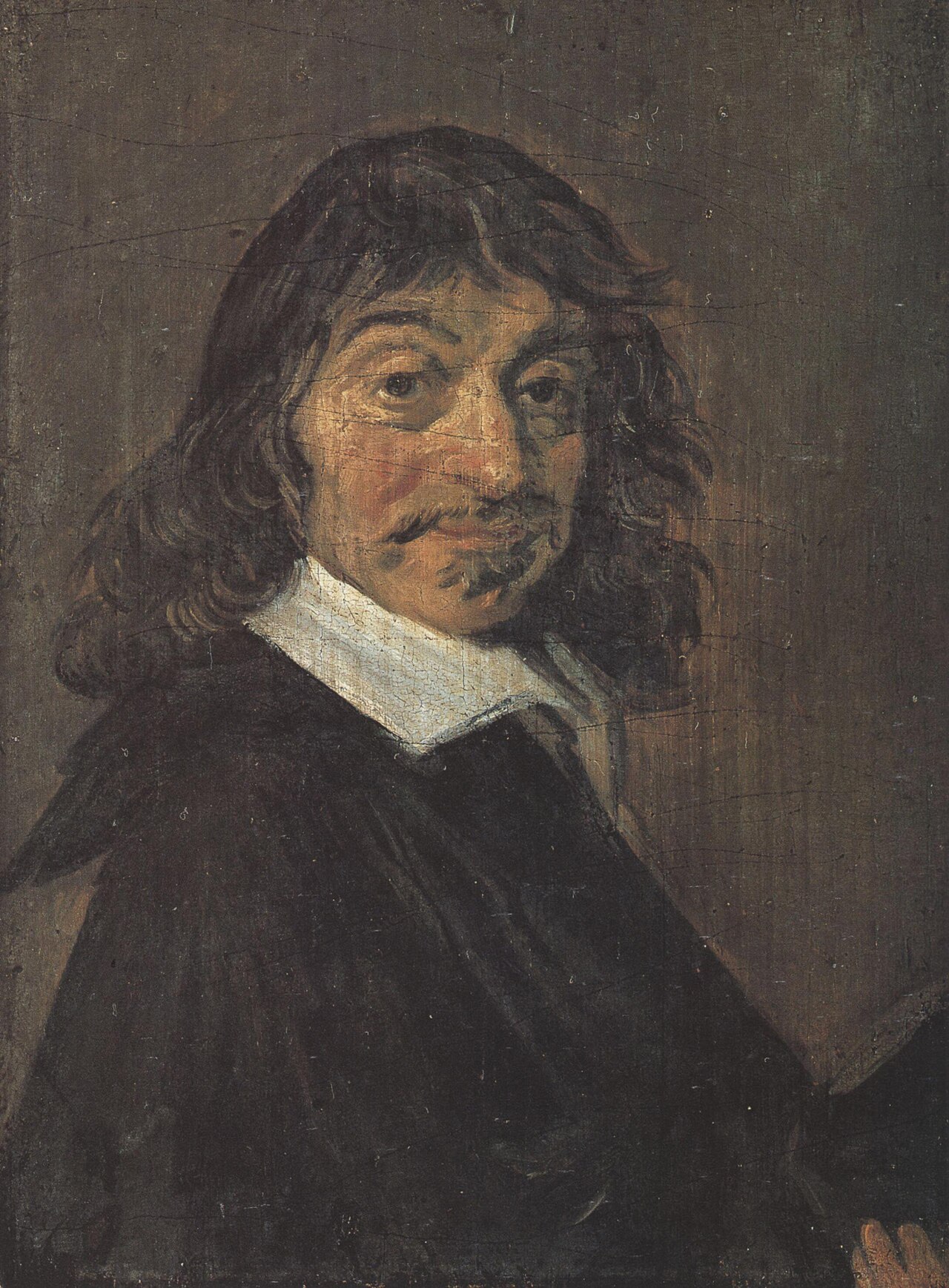 Painting
Primary source
Portrait of René Descartes
Frans Hals · 1649
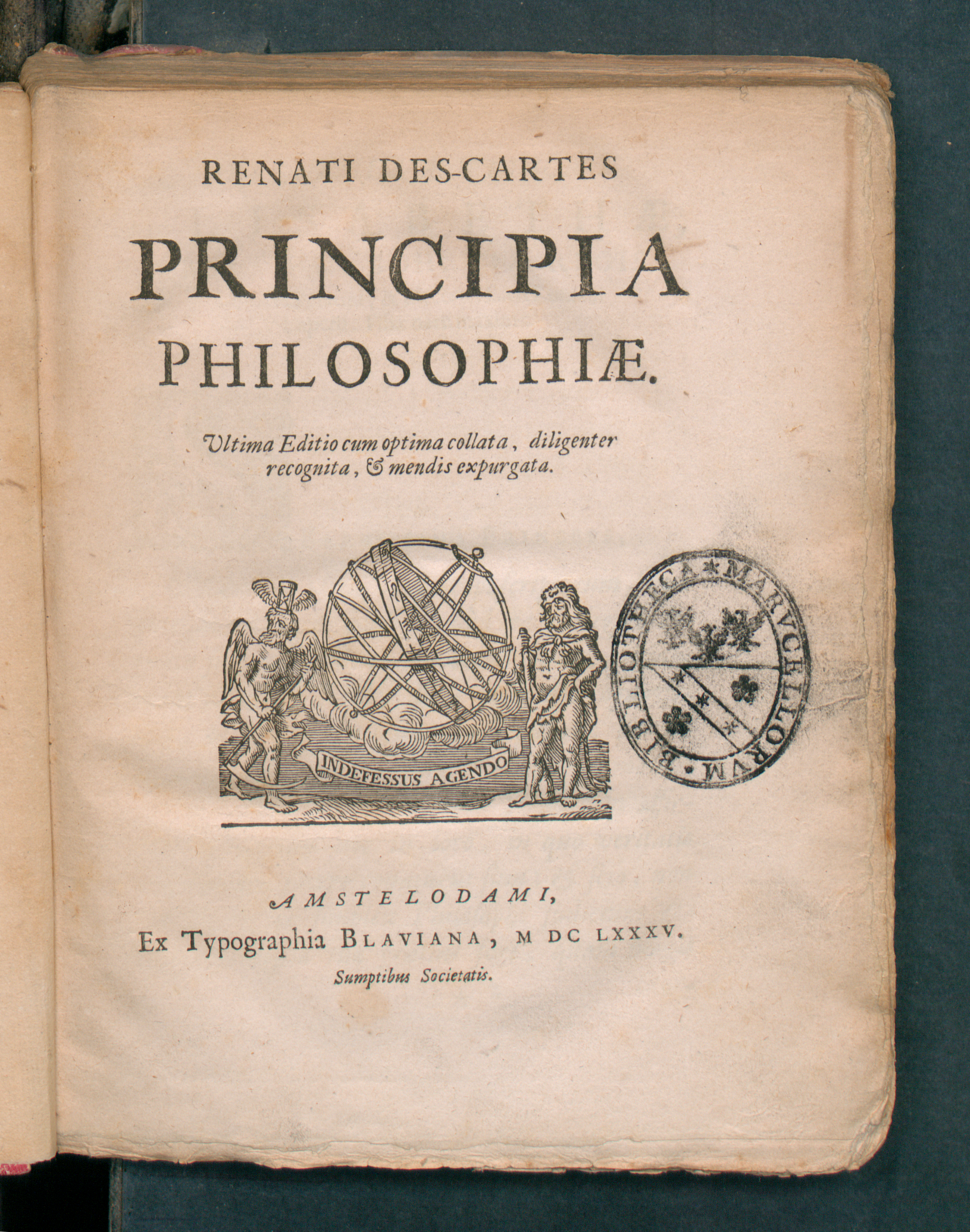 Book
Primary source
Principles of Philosophy
René Descartes · 1644
Ready when you are
Start chatting with Rene Descartes now.
20 messages free · No credit card · Available in 50+ languages.