


Primary sourceBookc. 1628
Rules for the Direction of the Mind
René Descartes · c. 1628
Descartes's unfinished Latin treatise on method, written around 1628, setting out rules for guiding reasoning toward true judgments.
Descartes wrote this treatise himself, revealing the early development of his method of reasoning.
About this source
What it is
This is an unfinished treatise written by René Descartes in Latin around 1628, known as the Regulae ad directionem ingenii. It sets out rules meant to guide the mind toward solid and true judgments on any subject.
Why it matters
This work shows Descartes working out, early in his career, the method of reasoning that would later shape his more famous writings. It reveals his belief that all knowledge comes from the same basic human reasoning, whatever the subject, and gives insight into how he thought science and philosophy should be organized.
Look closer
- Why might Descartes compare different sciences to different crafts or skills?
- What does it suggest about his thinking that he left this treatise unfinished?
- How might writing in Latin, rather than French, affect who could read this work at the time?
This book is part of the curated material that grounds the AI version of Rene Descartes on Humy.ai — when students ask about related events, the AI can quote it and cite it.
More Rene Descartes sources
Meet the AI Rene Descartes →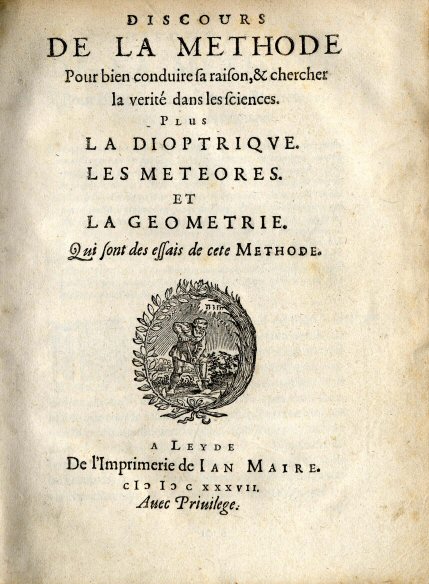 Book
Primary source
Discourse on the Method
René Descartes · 1637
 Book
Primary source
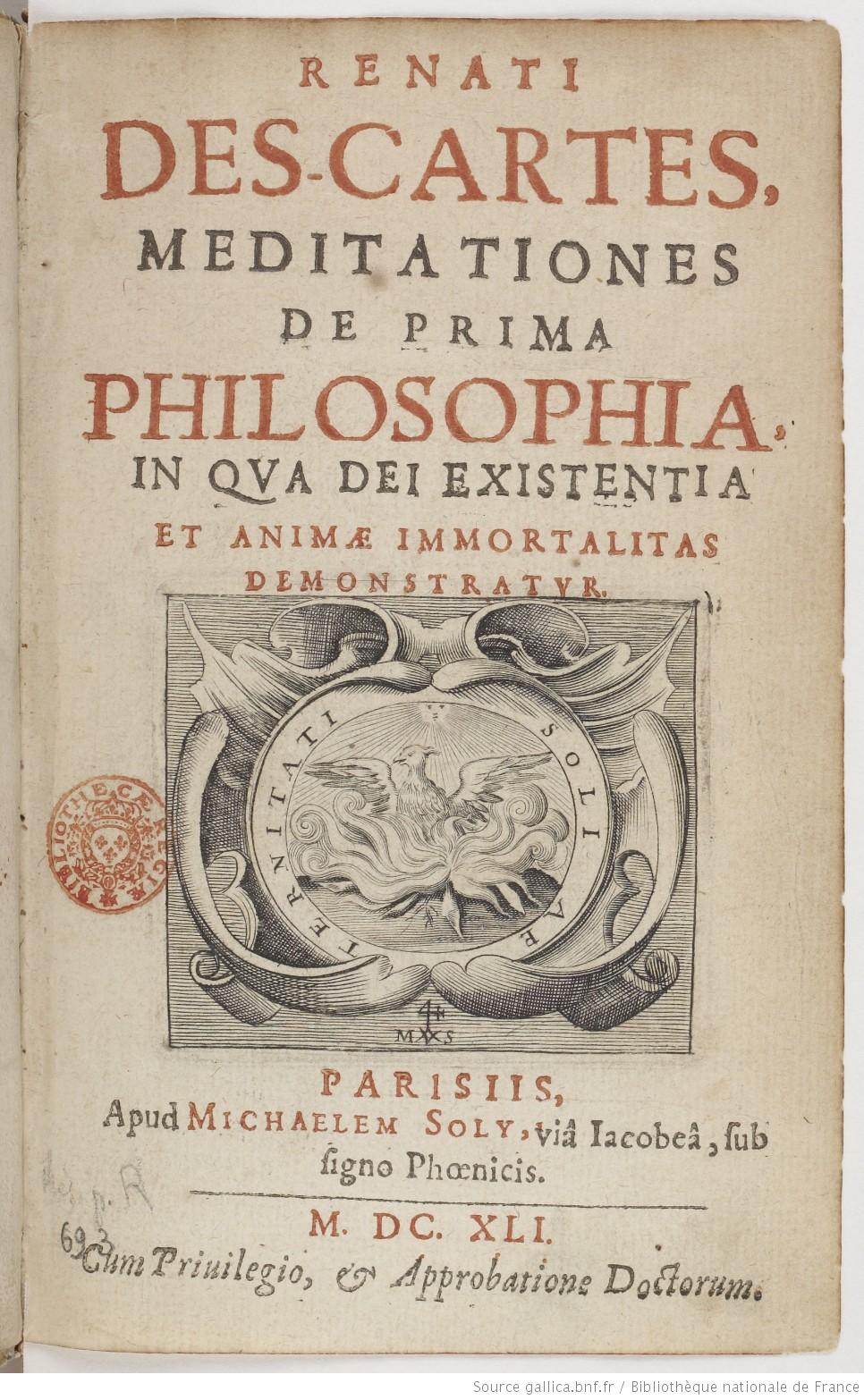
Meditations on First Philosophy
René Descartes · 1641
 Document
Primary source
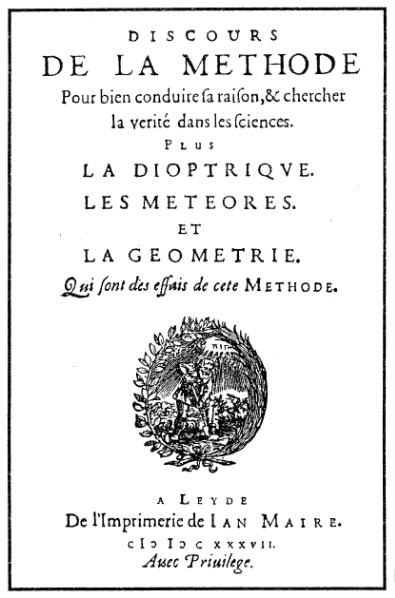
La Géométrie
René Descartes · 1637
 Painting
Primary source
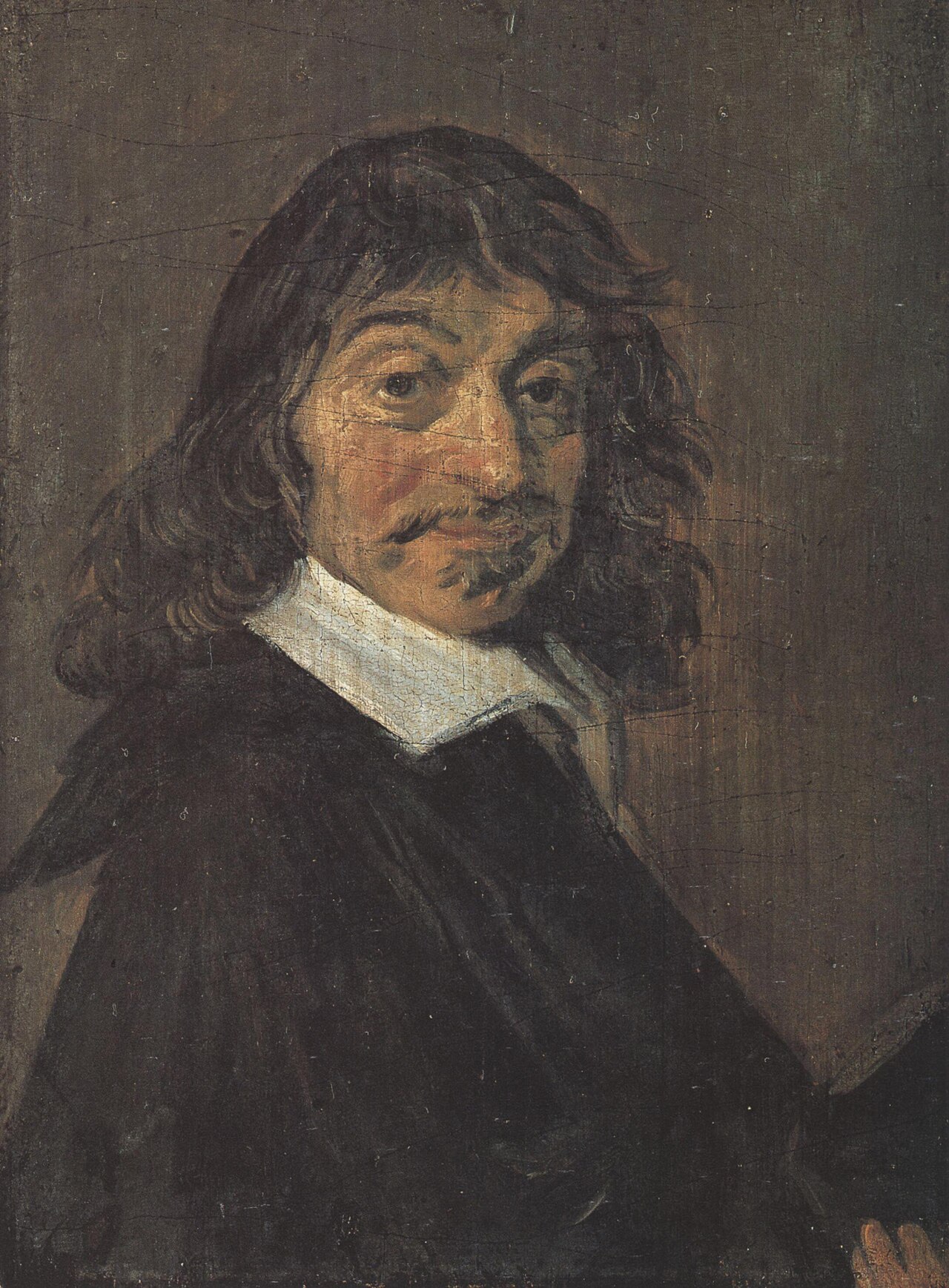
Portrait of René Descartes
Frans Hals · 1649
 Book
Primary source
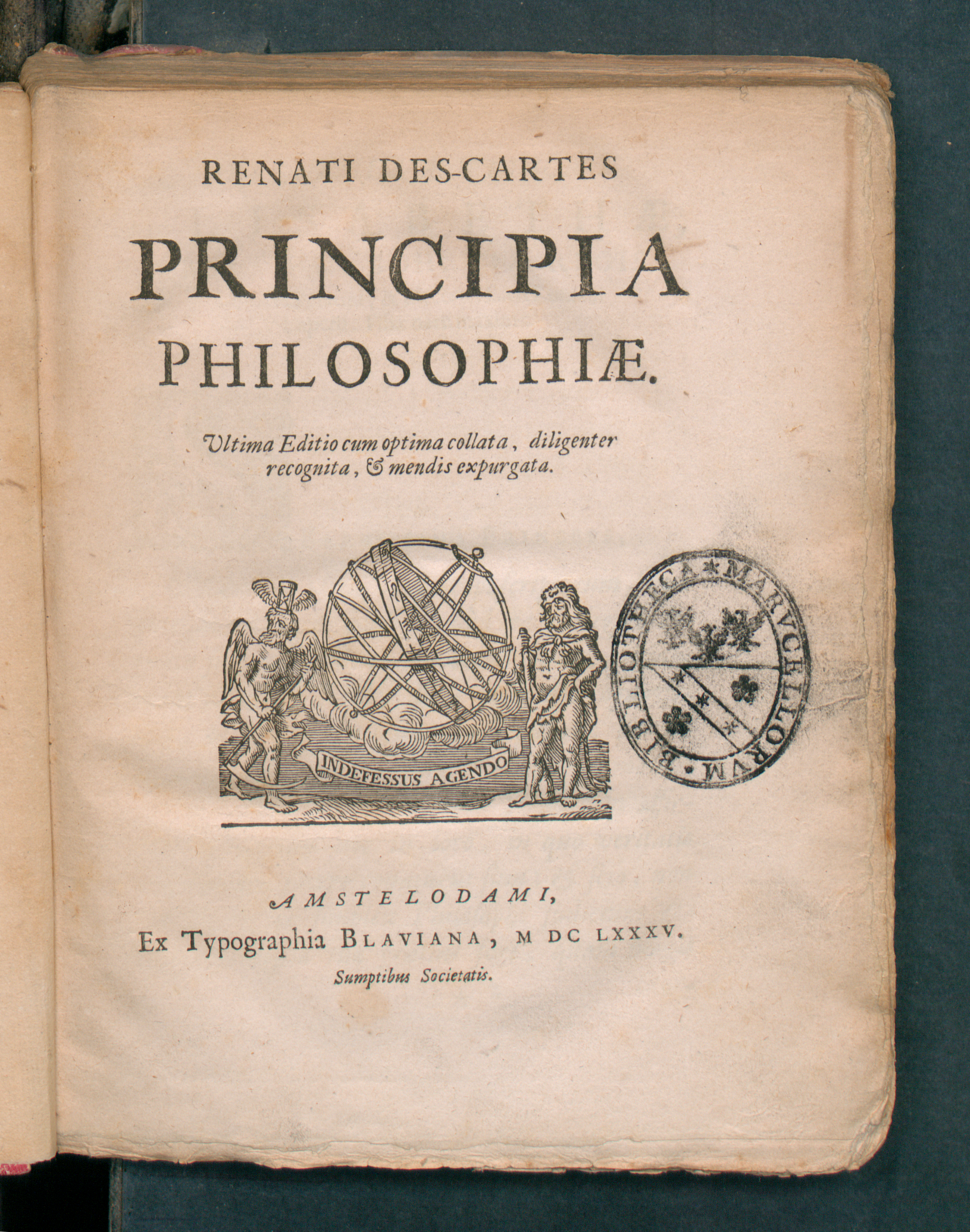
Principles of Philosophy
René Descartes · 1644
Ready when you are
Start chatting with Rene Descartes now.
20 messages free · No credit card · Available in 50+ languages.