


Primary sourceDocumentc. 258 BCE
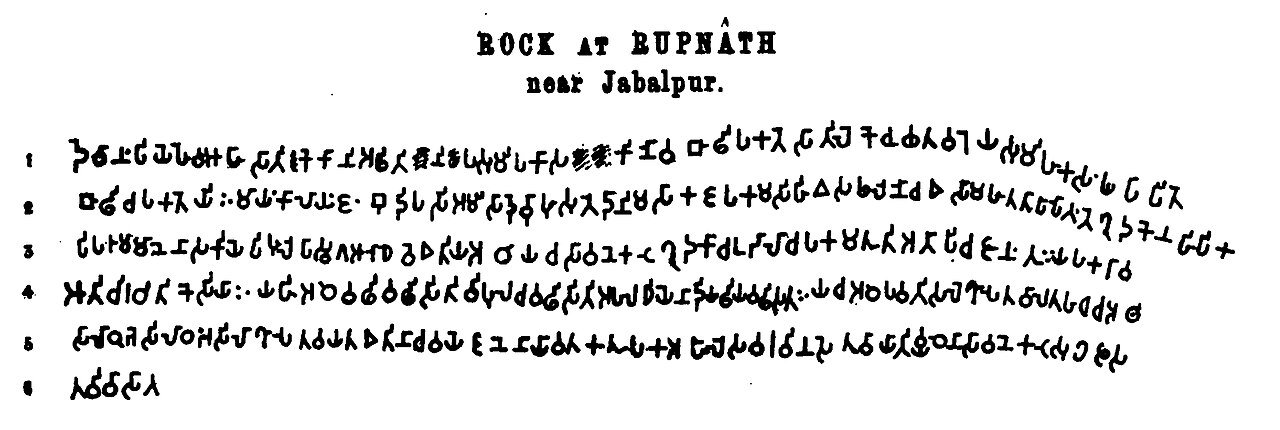
Rupnath Minor Rock Edict
Ashoka · c. 258 BCE
A rock inscription by Ashoka in which he describes his growing devotion to Buddhism after a period as a lax follower.
Ashoka himself composed this edict, giving his own timeline of becoming a devoted Buddhist.
Free Humy account · No credit card · 120,912 sources to read
About this source
What it is
This is a rock inscription carved at Rupnath in present-day Madhya Pradesh, India, around 258 BCE. It is one of the Minor Rock Edicts, the earliest group of Ashoka's inscriptions, and remains in its original location.
Why it matters
In this edict Ashoka says he was a lax lay follower of Buddhism for more than a year before becoming zealous in his practice. This makes it an unusually personal record, giving his own account of how his religious commitment developed over time, rather than a later writer's summary of it.
Look closer
- Why might a ruler choose to admit a personal failing in a public inscription?
- What does the choice of a rock face, rather than a building or document, suggest about how the message was meant to reach people?
- What is missing from this account that a modern biography might include?
This document is part of the curated material that grounds the AI version of Ashoka the Great on Humy.ai — when students ask about related events, the AI can quote it and cite it.
More Ashoka the Great sources
Browse all 98 →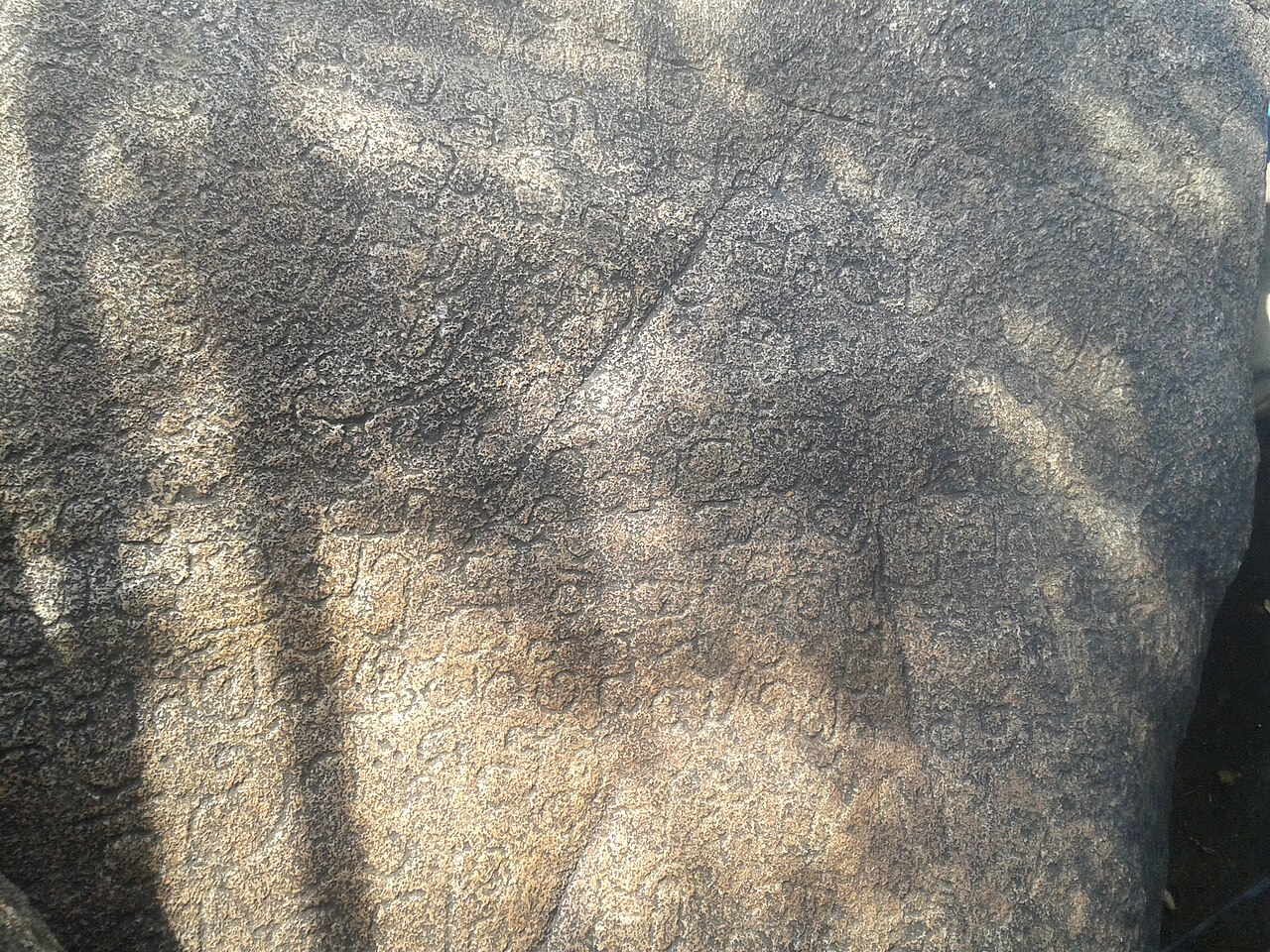 Document
Primary source
Major Rock Edicts
Ashoka · c. 257 BCE
 Sculpture
Secondary source
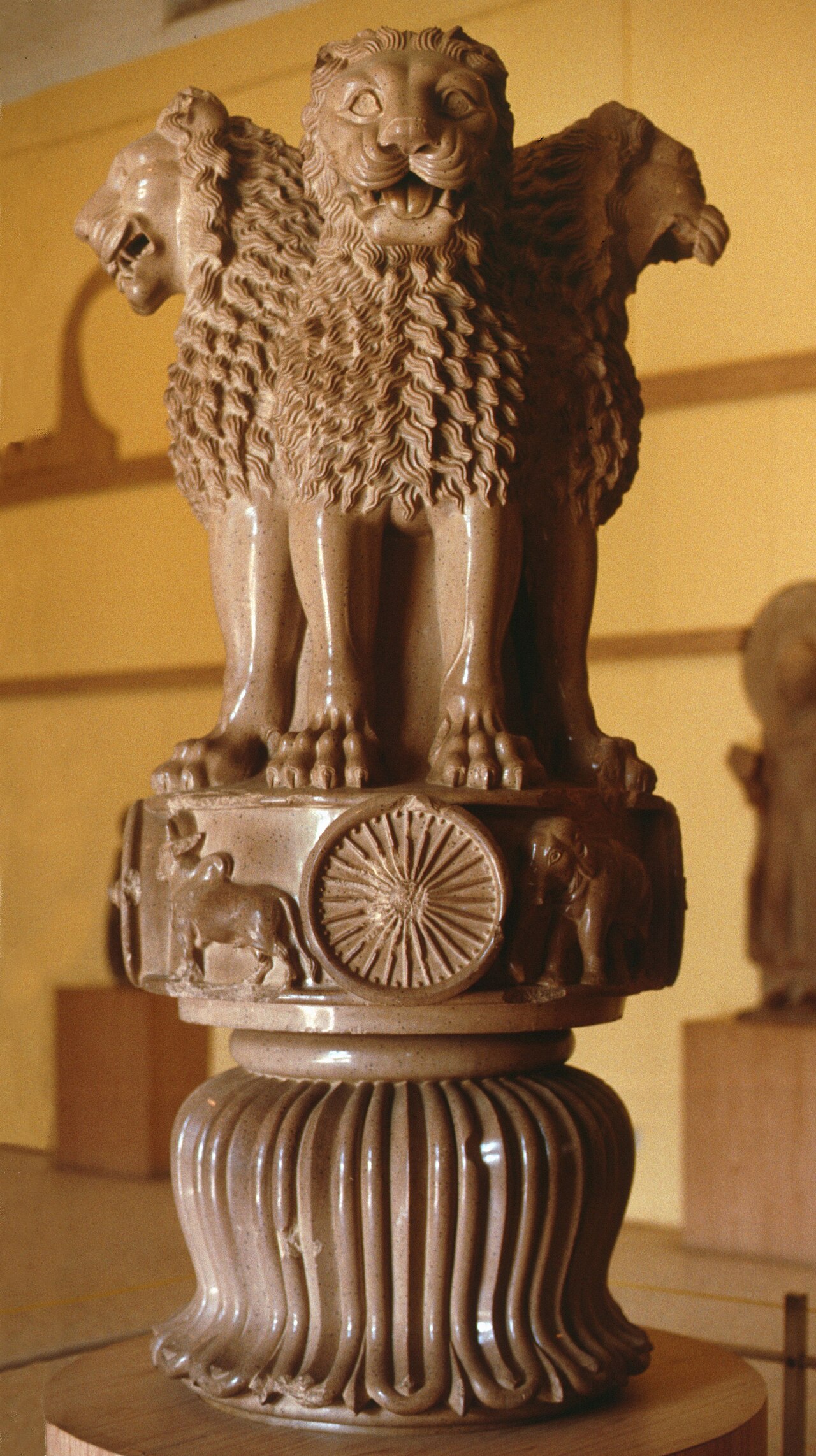
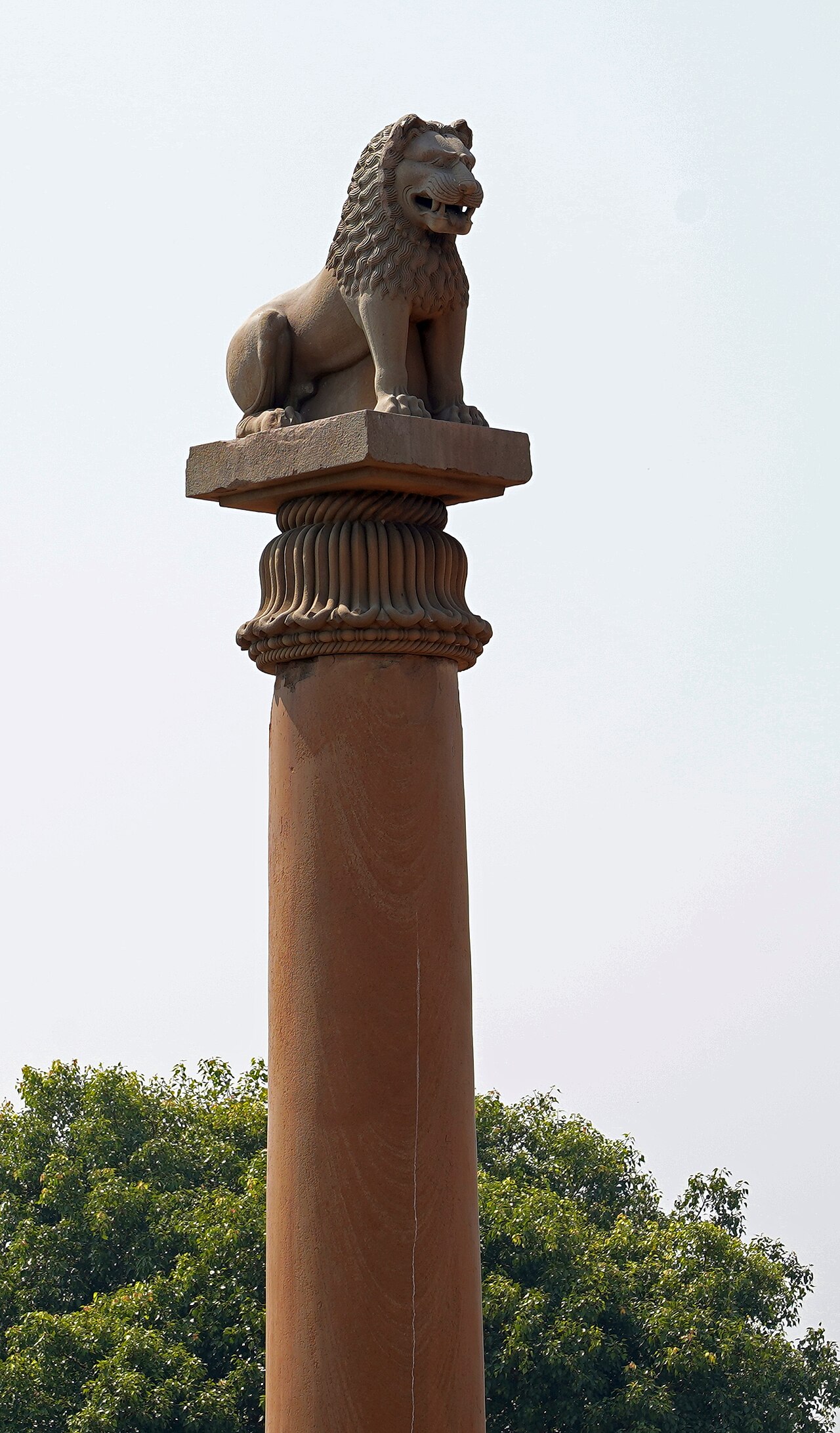
Lion Capital of Ashoka
Commissioned by Ashoka · c. 250 BCE
 Artifact
Secondary source
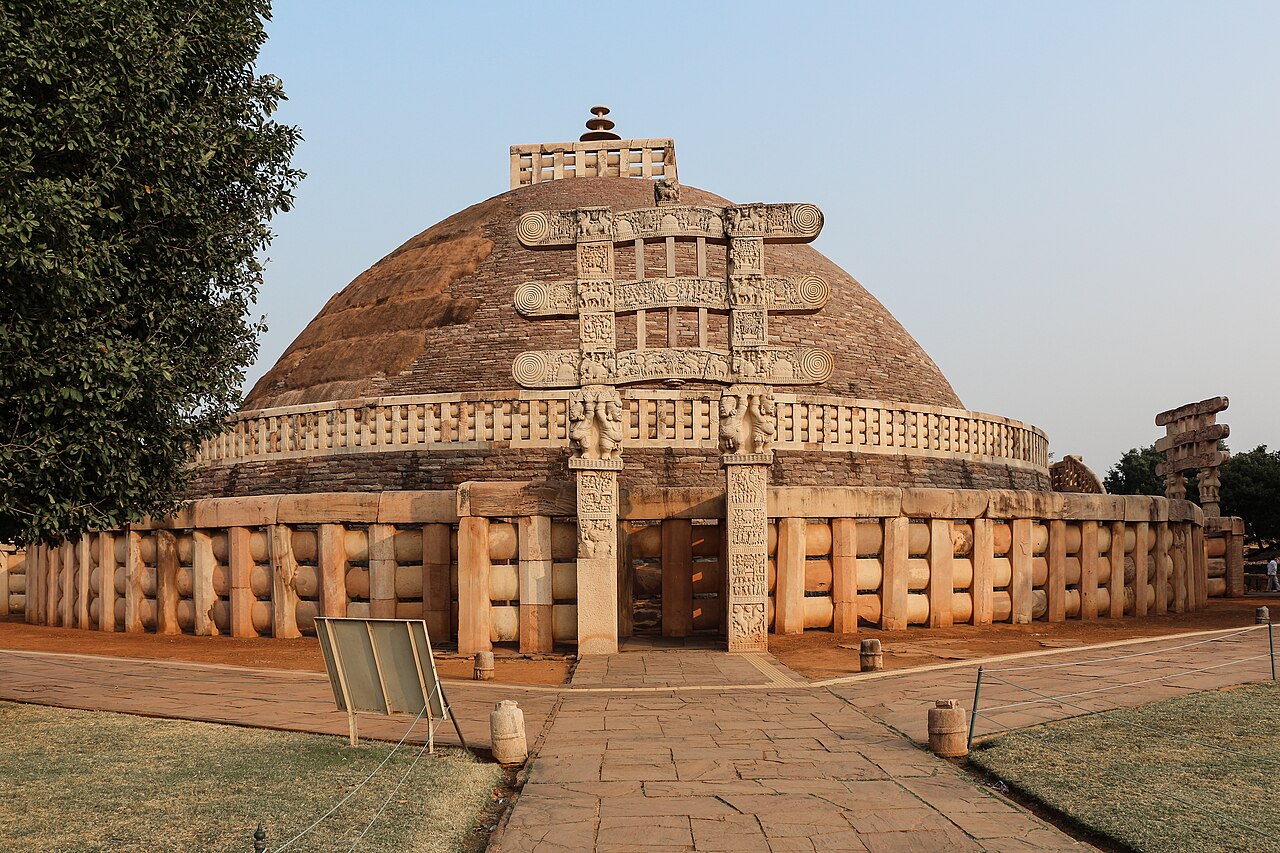
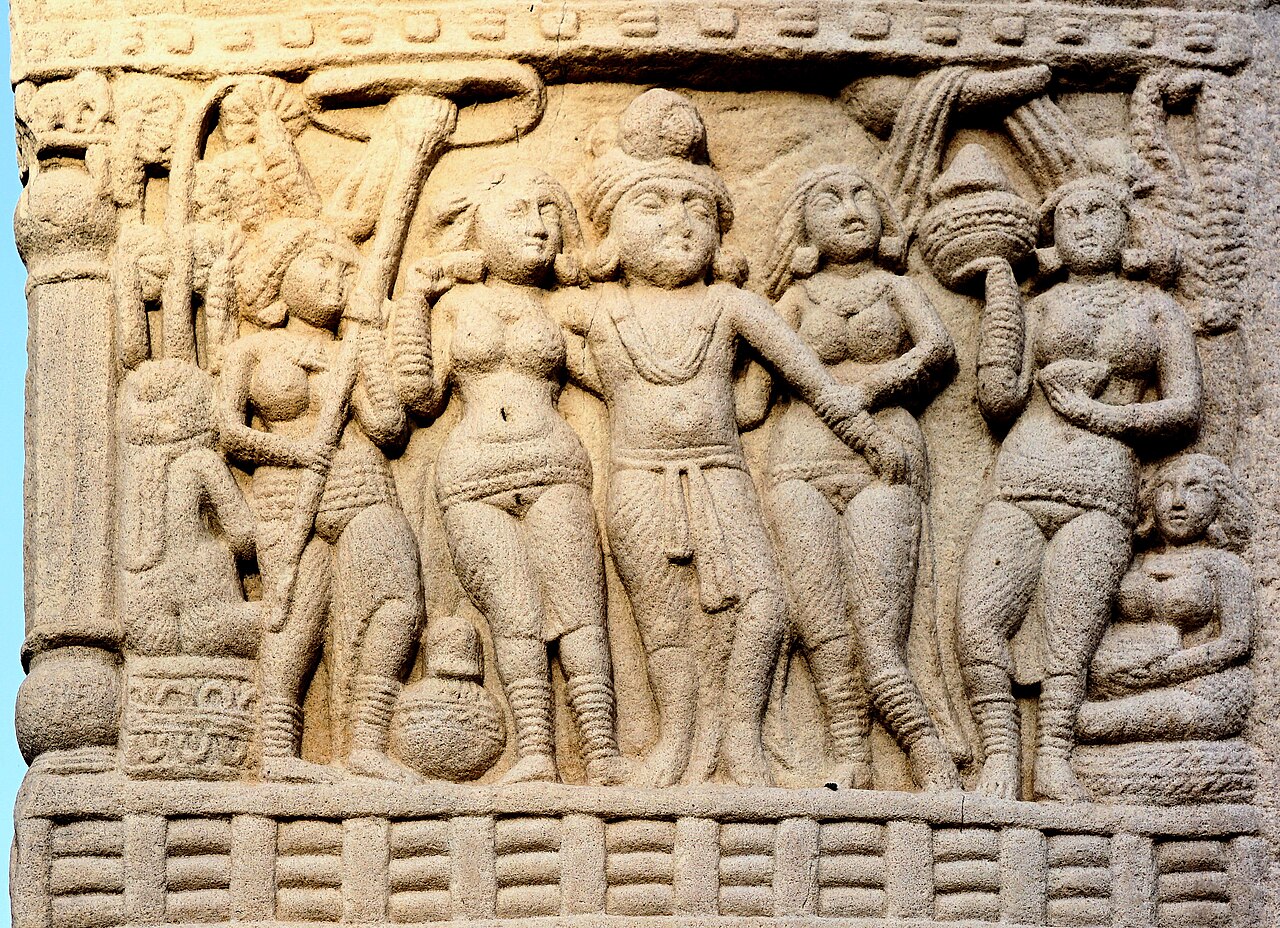
Sanchi Stupa
Commissioned by Ashoka · 3rd century BCE onward
 Document
Primary source
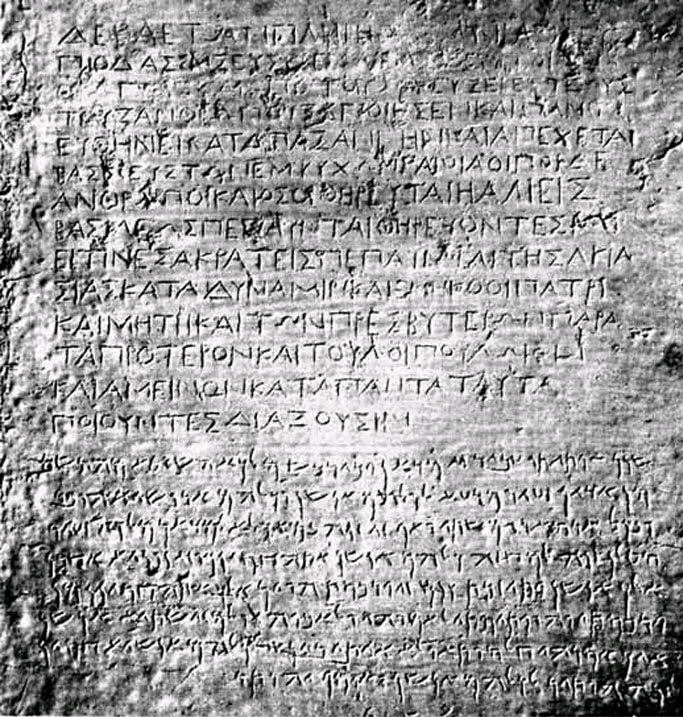
Kandahar Bilingual Rock Inscription
Ashoka · c. 260 BCE
Free account
Read every Ashoka the Great source
Sign up free →
Ready when you are
Start chatting with Ashoka the Great now.
20 messages free · No credit card · Available in 50+ languages.