


Secondary sourcePaintingc. 1619
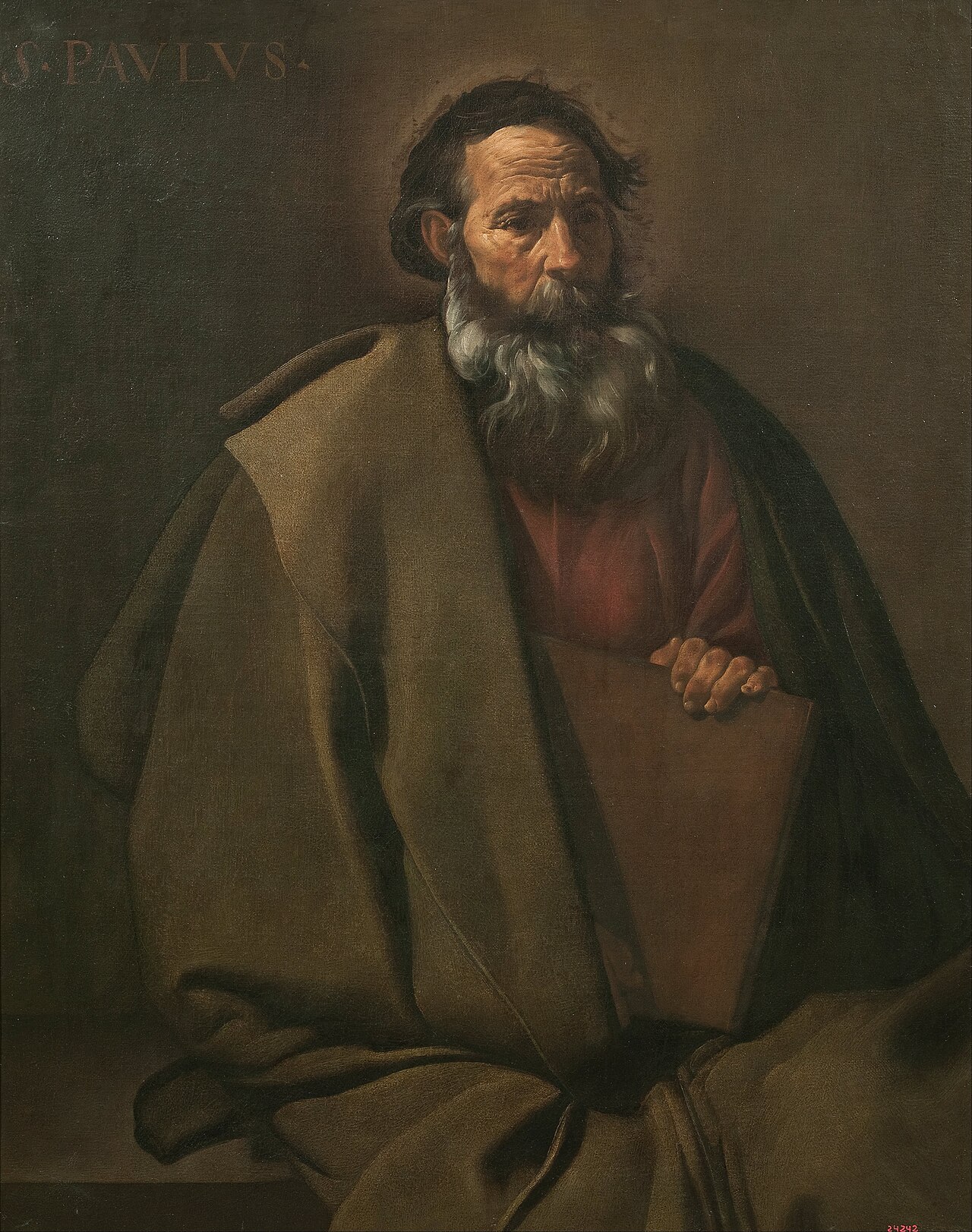
Saint Paul
Diego Velázquez · c. 1619
An early portrait by Diego Velázquez showing Paul as a weathered man holding a book, painted around 1619.
An early portrait imagining Paul holding his Gospel book rather than the sword of his martyrdom.
About this source
What it is
This oil painting was created by the Spanish artist Diego Velázquez around 1619, early in his career, and is held today at the Museu Nacional d'Art de Catalunya in Barcelona. An inscription in the upper corner identifies the figure as 'S. PAVLVS', Latin for Saint Paul.
Why it matters
The work shows Velázquez's early style, shaped by the dramatic lighting of Caravaggio. Instead of the usual sword associated with Paul's martyrdom, the painter gives him a large book, symbolizing his role as a writer and spreader of the Christian faith. Some historians believe this painting may have been part of a lost series of the twelve apostles.
Look closer
- Why might Velázquez have chosen a book instead of a sword to represent Paul?
- What mood does the dark background and dramatic light create?
- What details suggest the painter wanted a realistic, rather than an idealized, figure?
This painting is part of the curated material that grounds the AI version of Saint Paul on Humy.ai — when students ask about related events, the AI can quote it and cite it.
More Saint Paul sources
Meet the AI Saint Paul →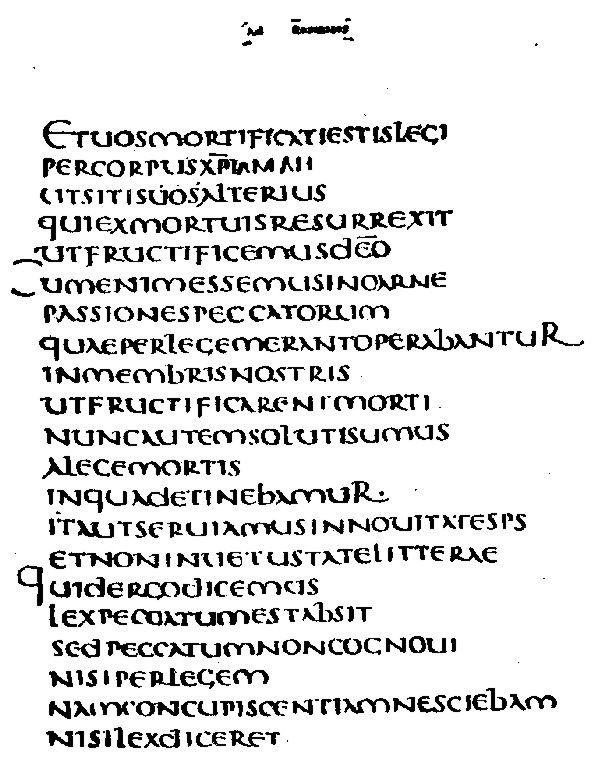 Letter
Primary source
Epistle to the Romans
Paul the Apostle · c. AD 57
 Painting
Secondary source
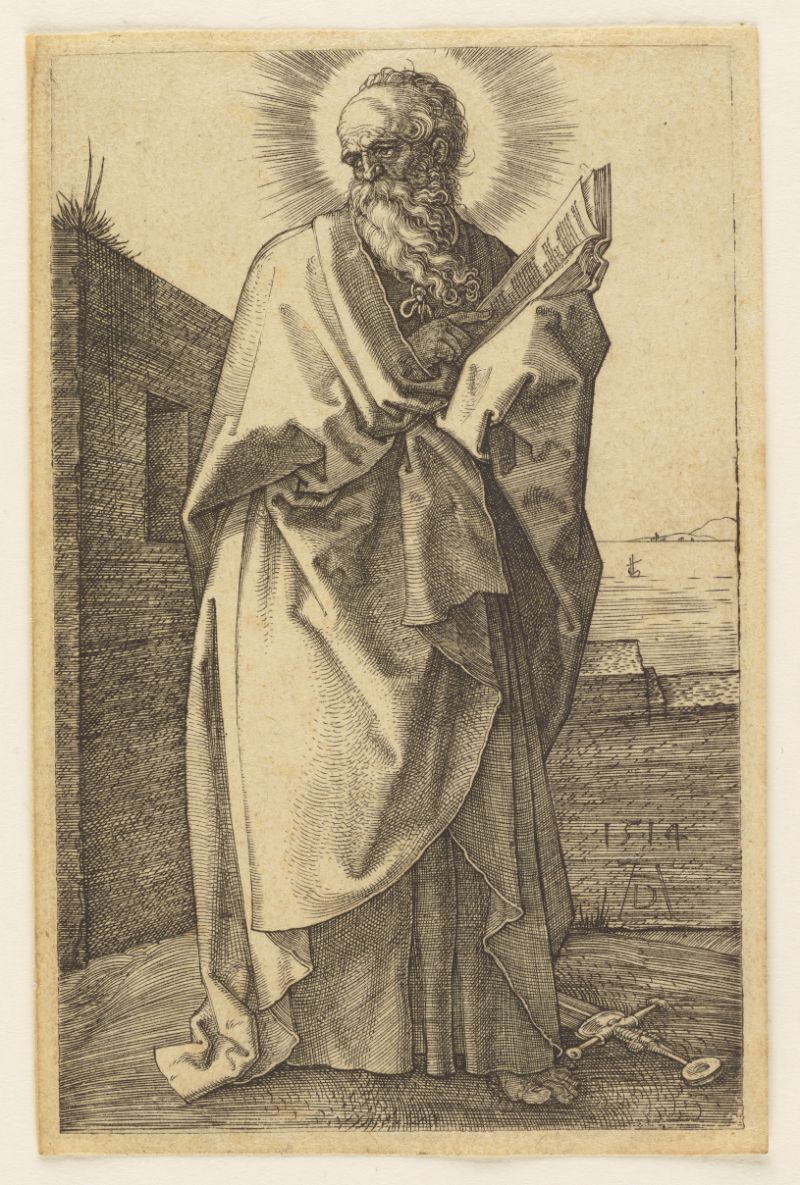
Saint Paul
Albrecht Dürer · 1514
 Letter
Secondary source
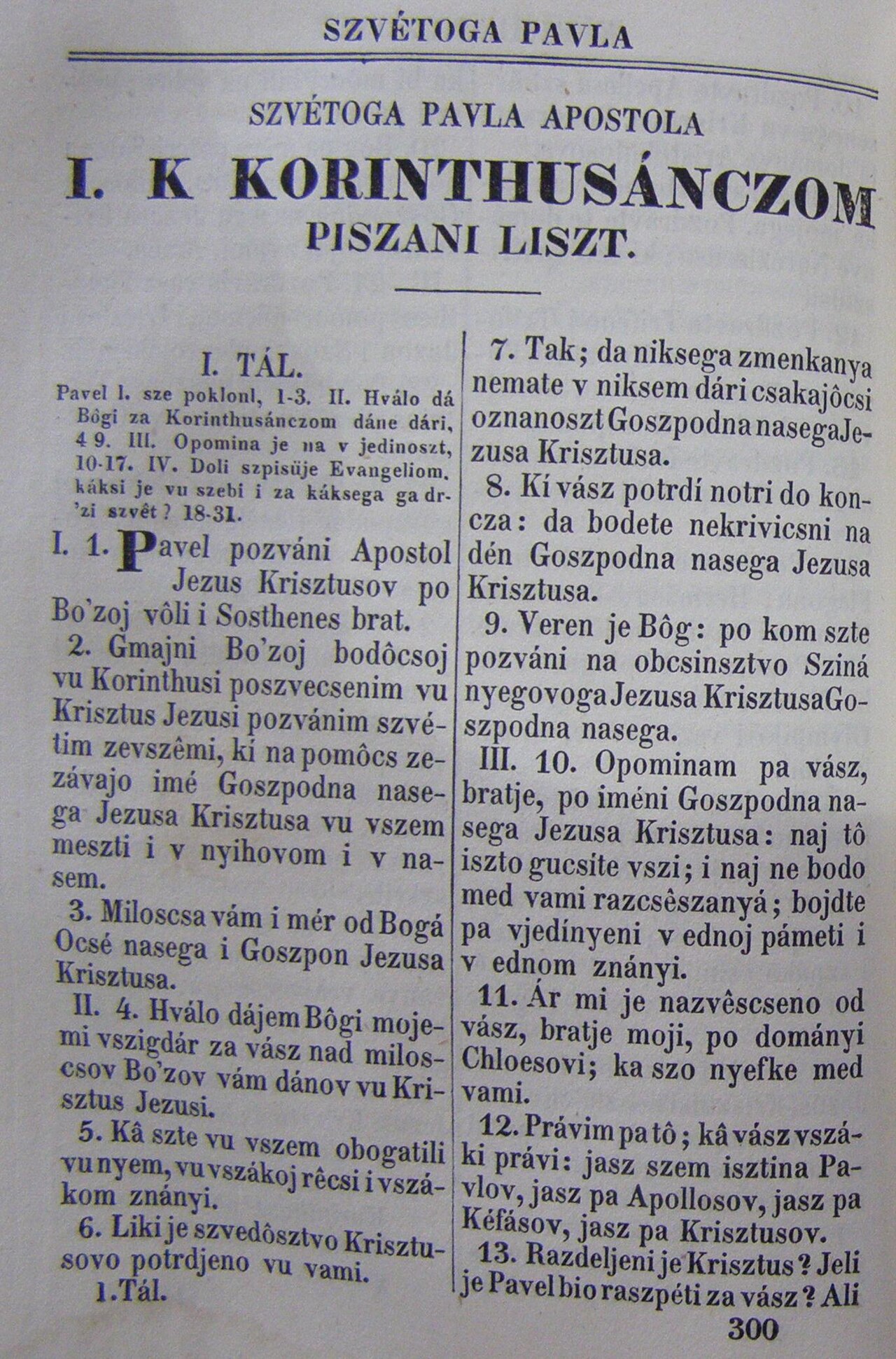
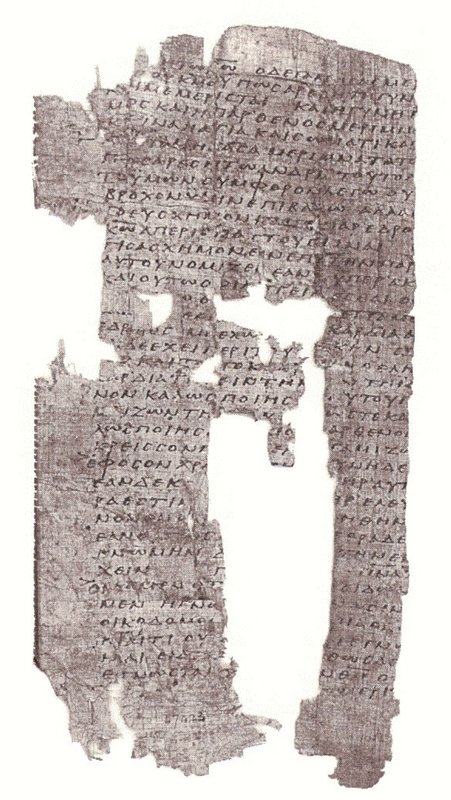
First Epistle to the Corinthians
Paul the Apostle · c. 54 AD
 Book
Primary source
1 Corinthians 13
Paul the Apostle · c. AD 53-57
 Document
Secondary source
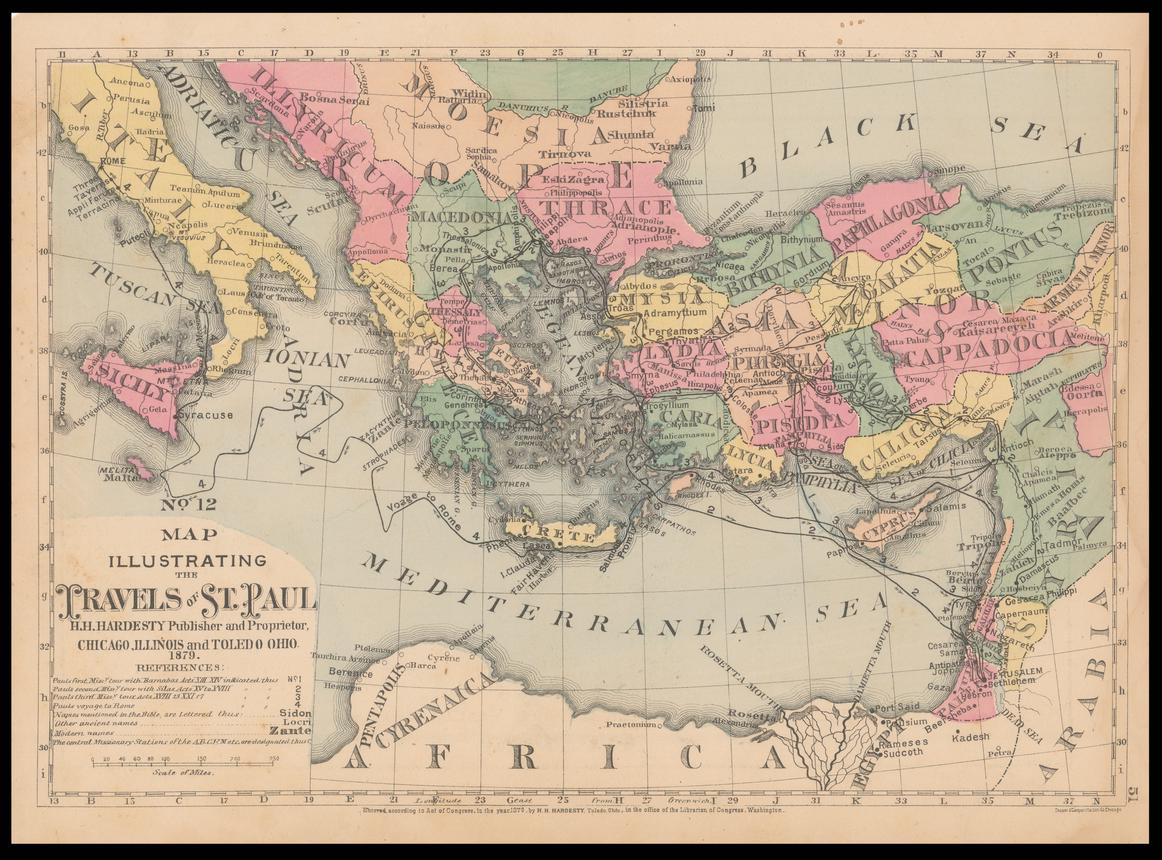
Map Illustrating the Travels of St. Paul
H.H. Hardesty · 1879
Ready when you are
Start chatting with Saint Paul now.
20 messages free · No credit card · Available in 50+ languages.