


Secondary sourcePainting1600-1699
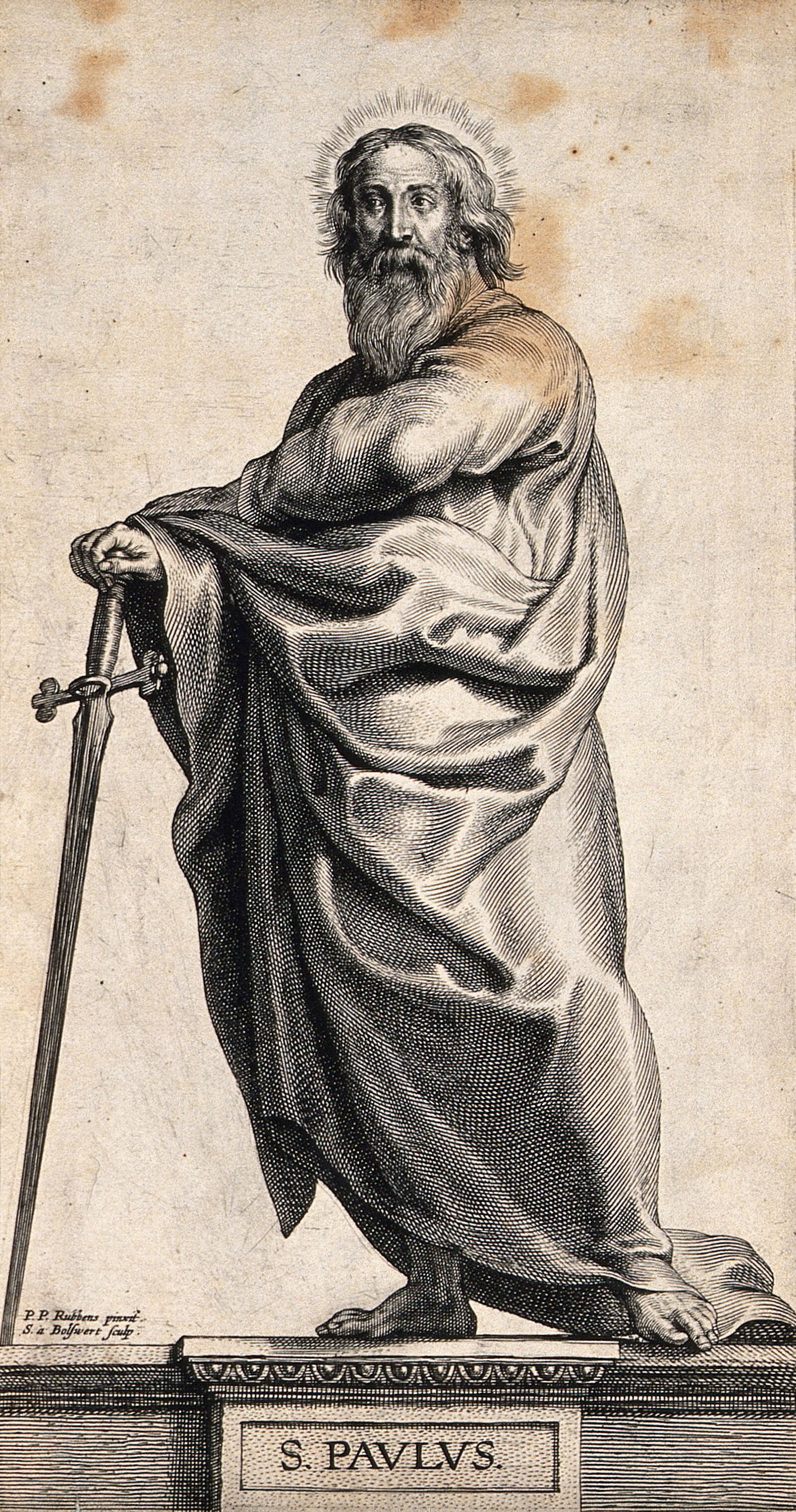
Saint Paul
Peter Paul Rubens · 1600-1699
A 17th-century engraving by S.A. Bolswert after Peter Paul Rubens, portraying Saint Paul with a sword and halo.
A later artistic imagining of Paul as a sainted figure, showing how he was remembered and venerated centuries after his death.
About this source
What it is
This engraving, made sometime in the 1600s by S.A. Bolswert, is based on a painting by Peter Paul Rubens. It shows Saint Paul as a bearded, haloed figure leaning on a sword, standing on a pedestal labelled with his name in Latin. It is kept by the Wellcome Collection in London.
Why it matters
The sword is a traditional symbol linked to Paul's martyrdom, and the halo marks him as a saint. This image reflects how 17th-century European artists like Rubens imagined and honoured early Christian figures long after their lifetimes, shaping popular ideas of what Paul looked like even though no contemporary portrait of him exists.
Look closer
- What symbols in the image tell you this is meant to be a saint rather than an ordinary man?
- Since no one alive when Paul lived painted his portrait, where might Rubens have gotten his idea of Paul's appearance?
- What does the pedestal inscription add to how we are meant to see this figure?
This painting is part of the curated material that grounds the AI version of Saint Paul on Humy.ai — when students ask about related events, the AI can quote it and cite it.
More Saint Paul sources
Meet the AI Saint Paul →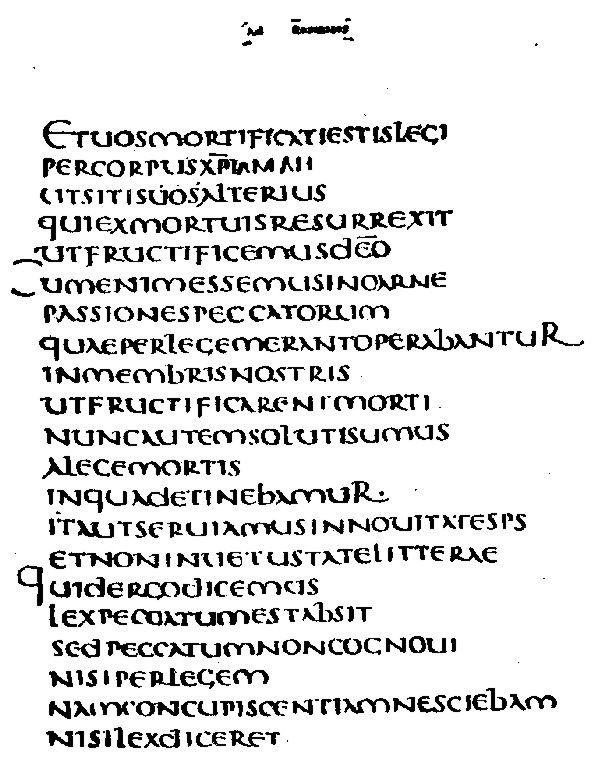 Letter
Primary source
Epistle to the Romans
Paul the Apostle · c. AD 57
 Painting
Secondary source
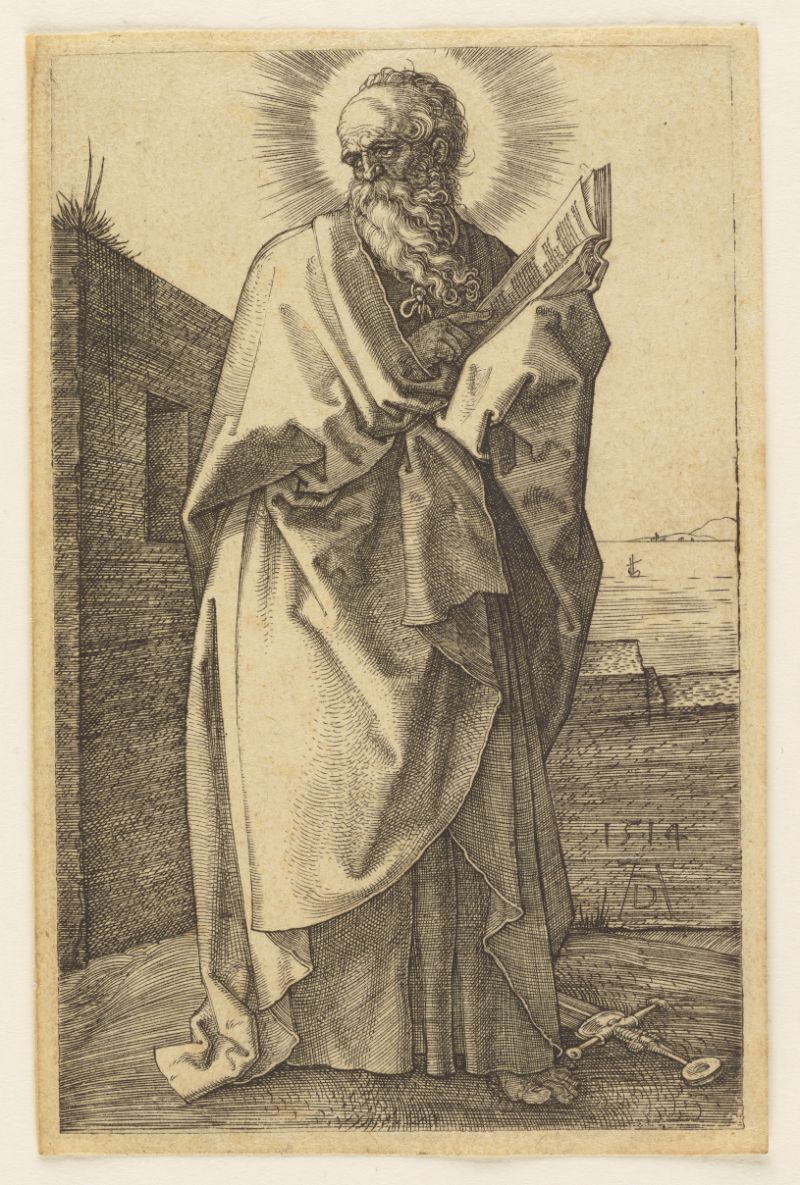
Saint Paul
Albrecht Dürer · 1514
 Letter
Secondary source
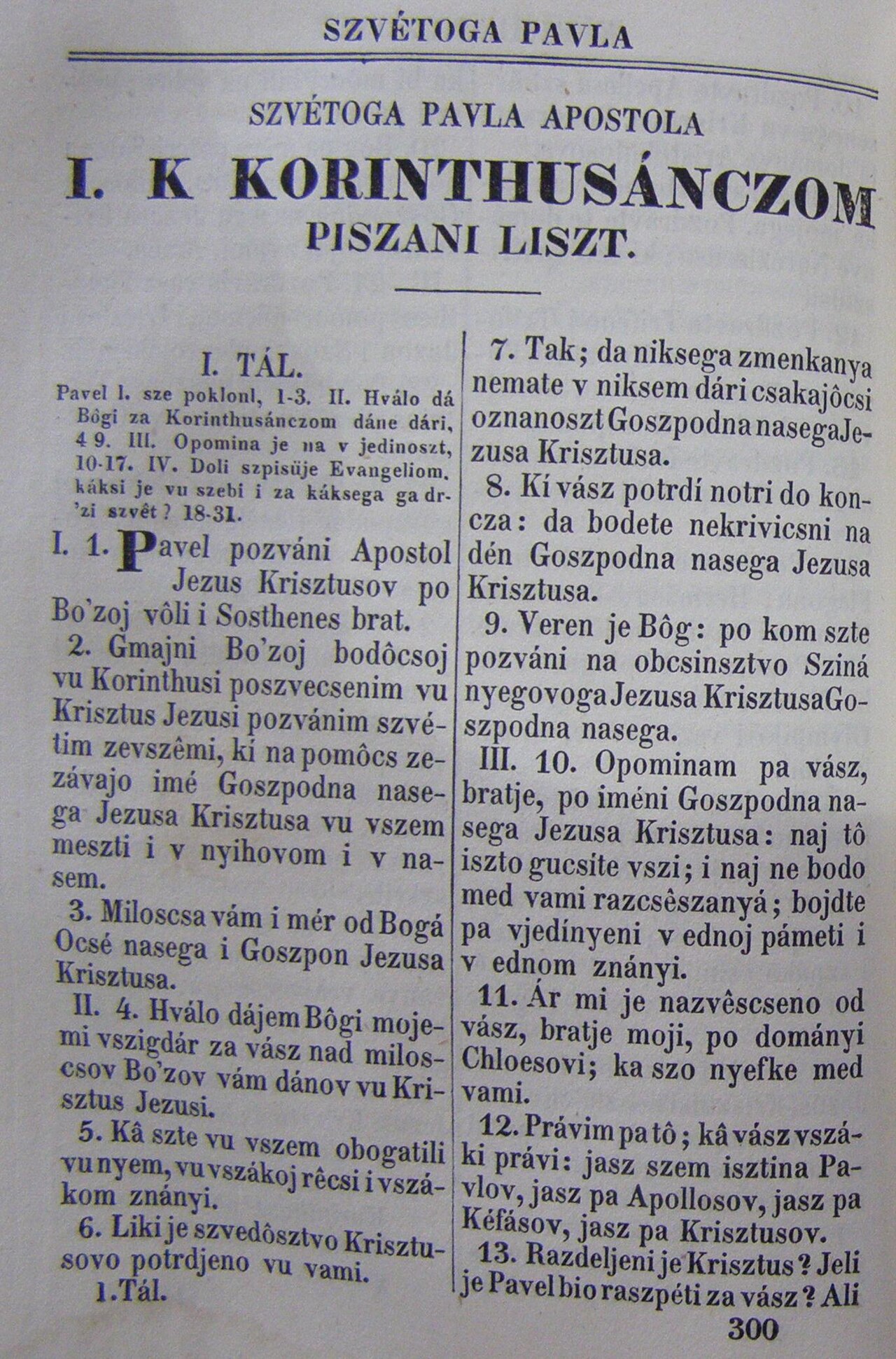
First Epistle to the Corinthians
Paul the Apostle · c. 54 AD
 Book
Primary source
1 Corinthians 13
Paul the Apostle · c. AD 53-57
 Document
Secondary source
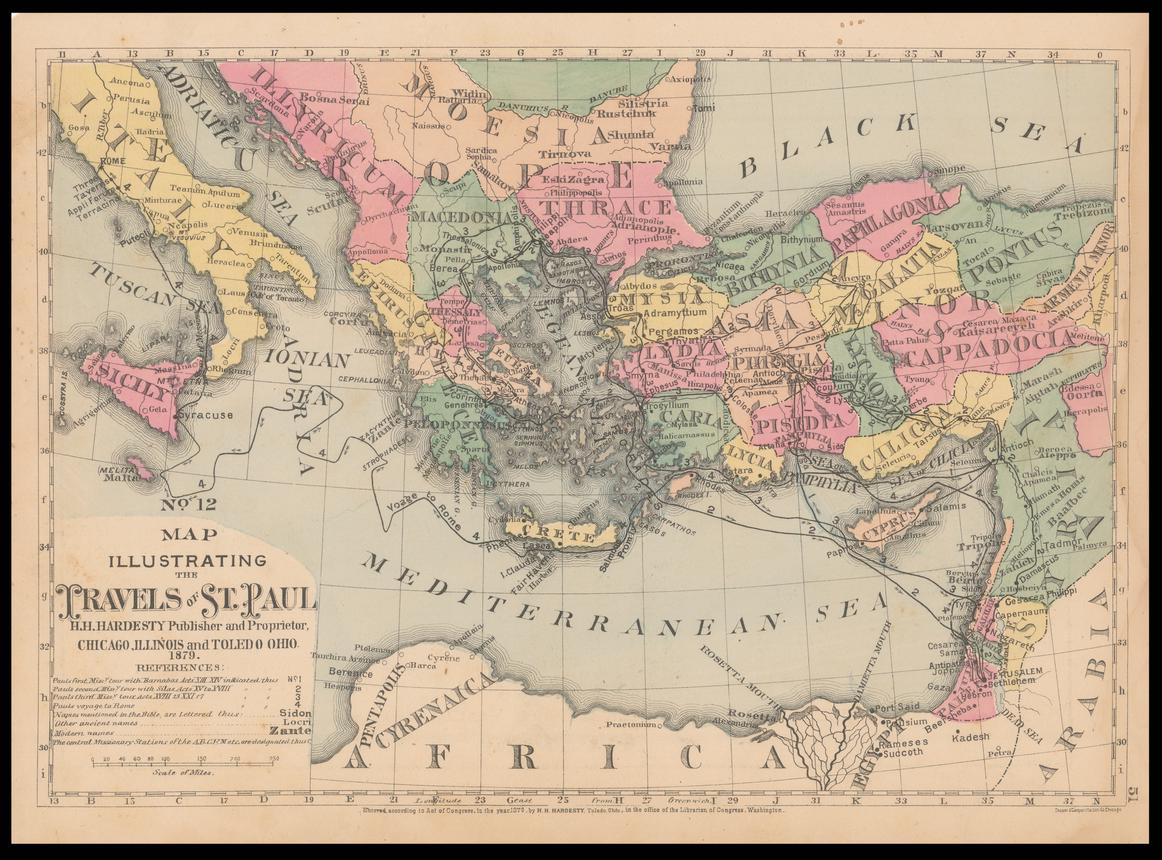
Map Illustrating the Travels of St. Paul
H.H. Hardesty · 1879
Ready when you are
Start chatting with Saint Paul now.
20 messages free · No credit card · Available in 50+ languages.