


Primary sourceDocument3rd century BCE (edict); photograph published 1925
Sanchi Pillar Edict
Ashoka · 3rd century BCE (edict); photograph published 1925
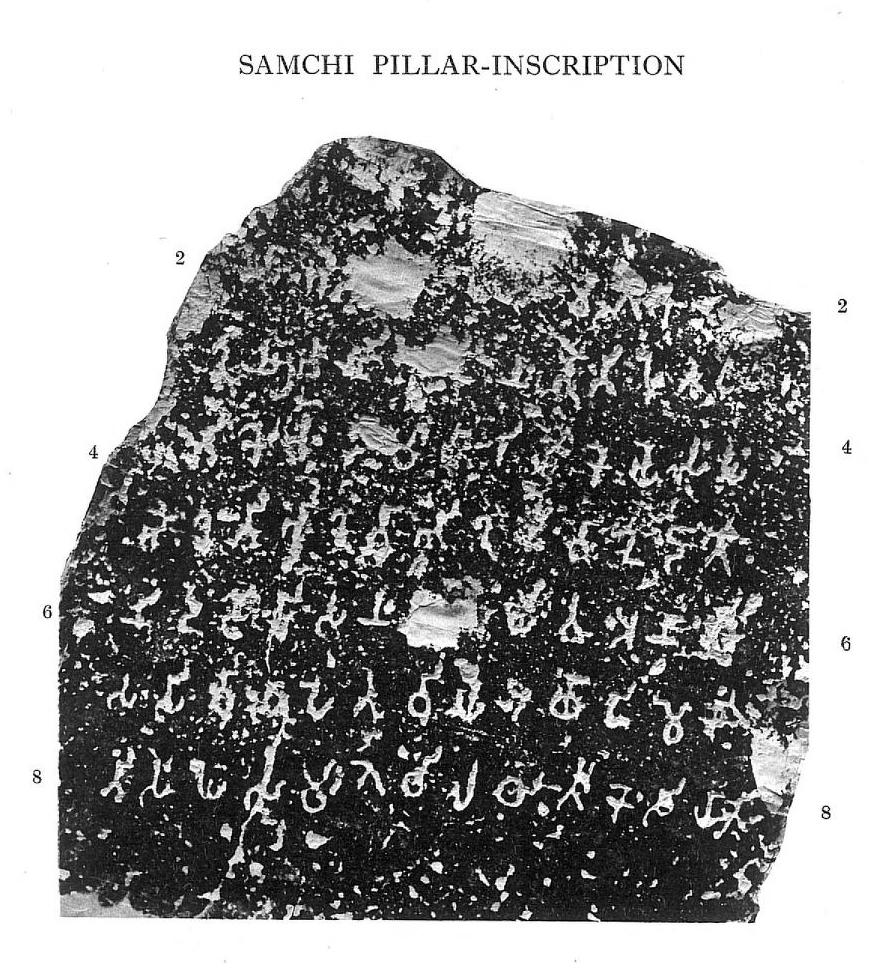
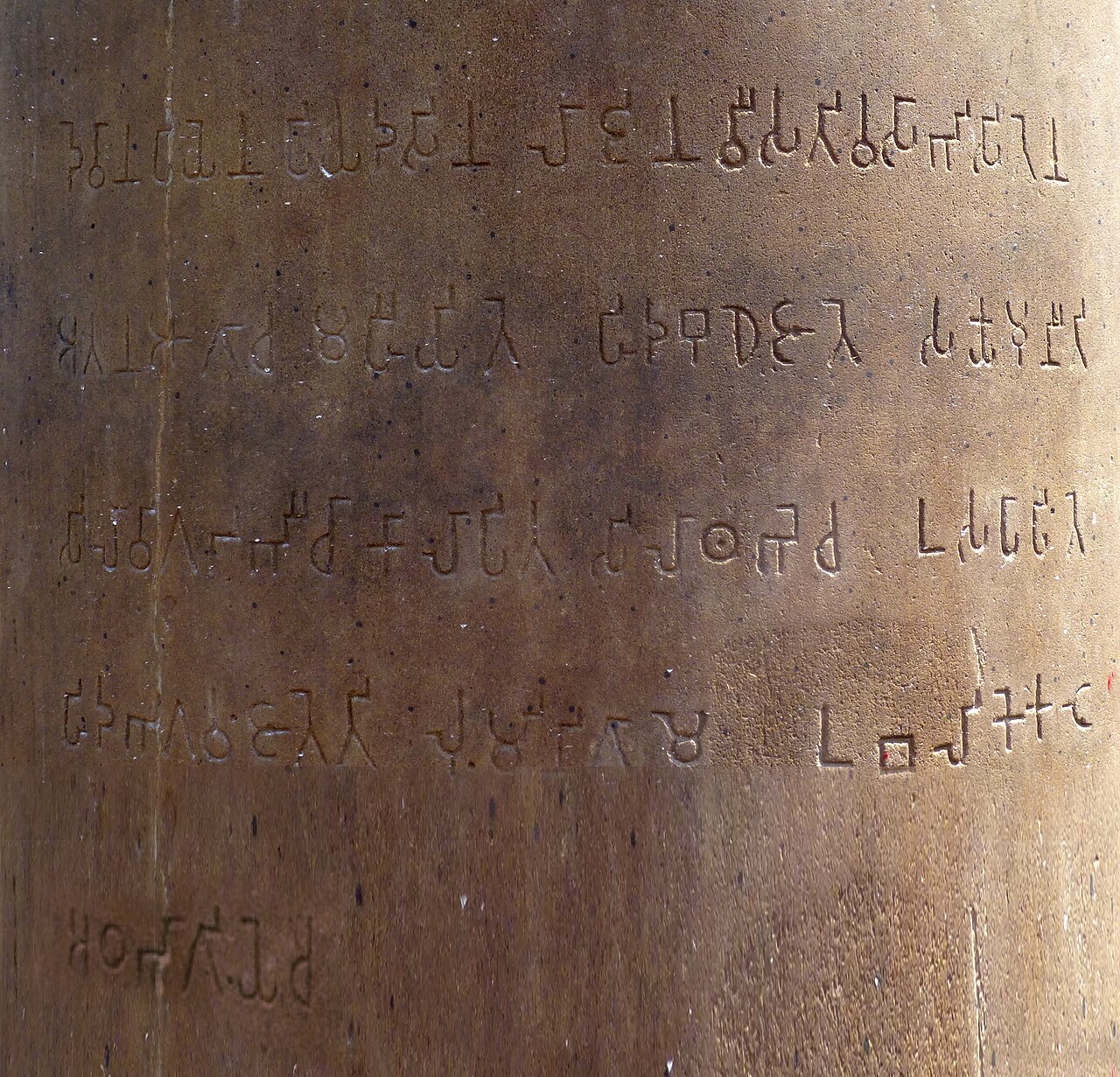
A photographic plate of Ashoka's inscription on the Sanchi pillar, warning against division within the Buddhist monastic community.
This is Ashoka's own edict, carved on his order, directly expressing his authority over the Buddhist monastic community.
About this source
What it is
This is a photographic plate of an inscription carved into the stone pillar at Sanchi, ordered by the emperor Ashoka. The Brahmi-script text is shown alongside an English translation published in 1925 by the scholar Eugen Hultzsch in his edition of Ashoka's inscriptions.
Why it matters
The edict addresses the Buddhist Samgha, the community of monks and nuns, and insists that it must remain united. Ashoka states his wish that this unity last as long as his descendants rule and as long as the sun and moon shine. It reveals Ashoka as a ruler deeply concerned with religious order and using his authority to settle disputes within the monastic community, not just governing through law but through moral and religious instruction carved in stone for all to see.
Look closer
- Why might an emperor want to prevent divisions within a religious community?
- What does the punishment described (wearing white robes, living apart) suggest about how seriously this issue was treated?
- How does translating ancient script, with gaps and uncertain words, affect how confidently we can read the emperor's intentions?
This document is part of the curated material that grounds the AI version of Ashoka the Great on Humy.ai — when students ask about related events, the AI can quote it and cite it.
More Ashoka the Great sources
Browse all 98 → Document
Primary source
Major Rock Edicts
Ashoka · c. 257 BCE
 Sculpture
Secondary source
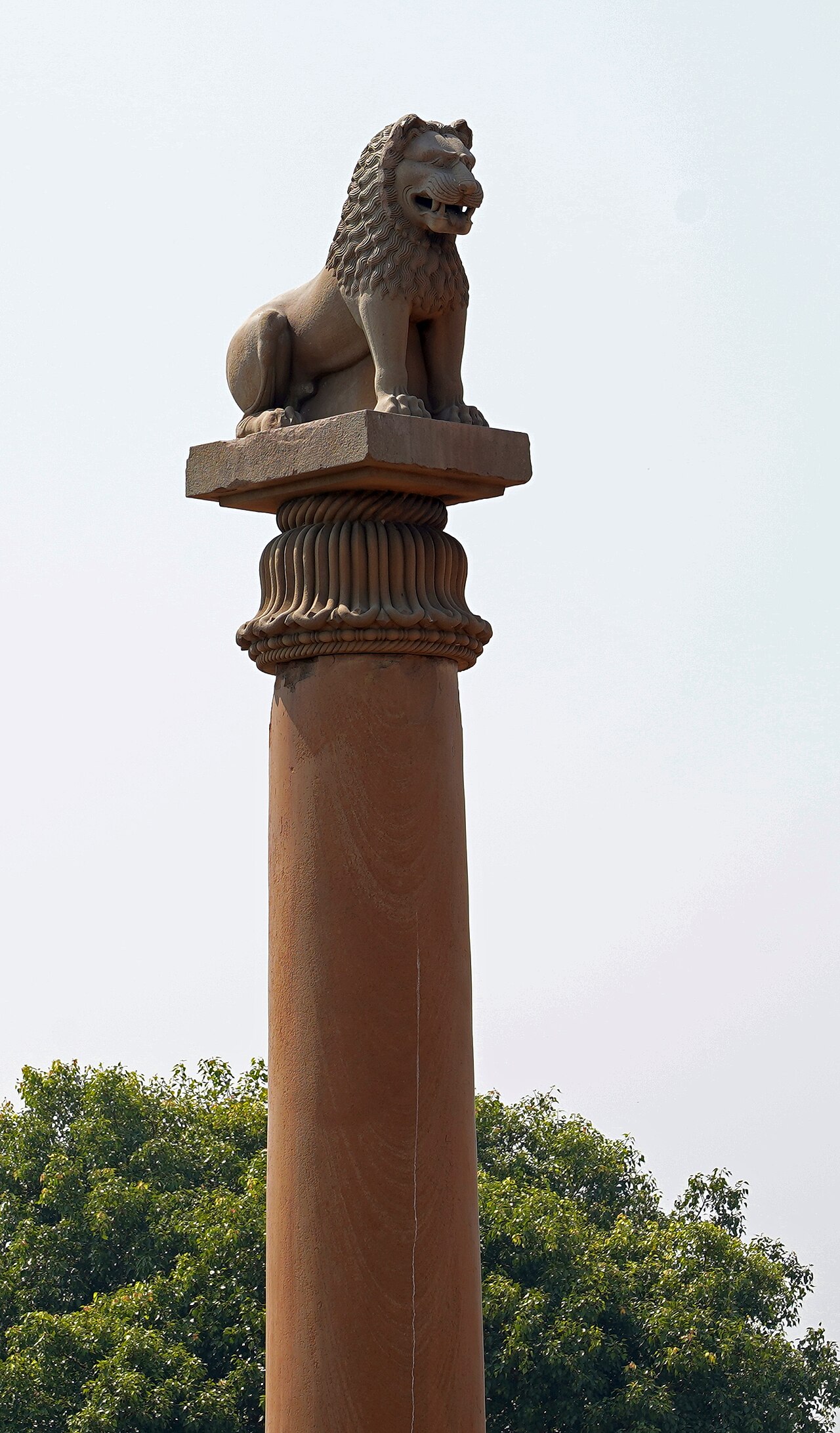
Lion Capital of Ashoka
Commissioned by Ashoka · c. 250 BCE
 Artifact
Secondary source
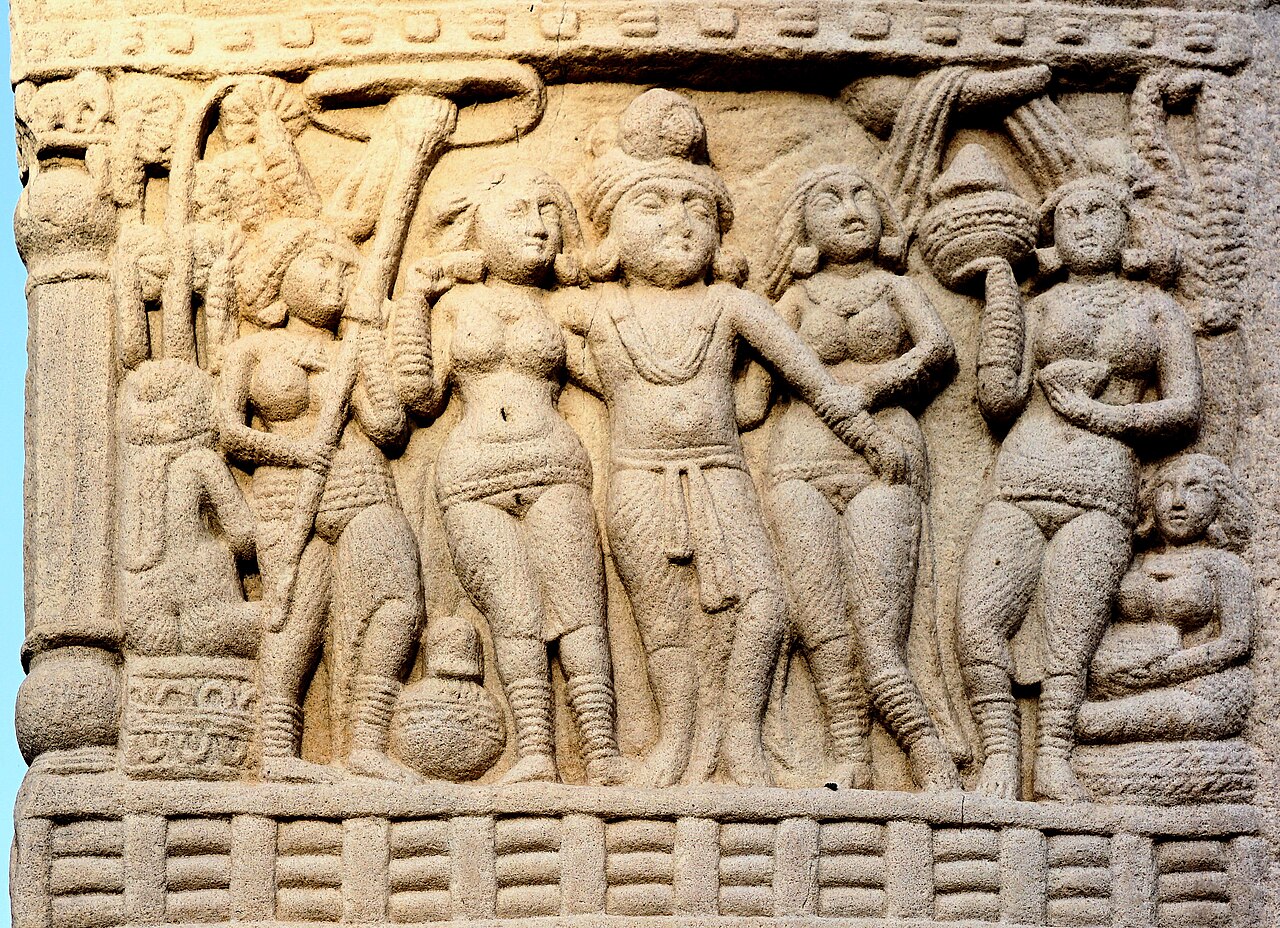
Sanchi Stupa
Commissioned by Ashoka · 3rd century BCE onward
 Document
Primary source
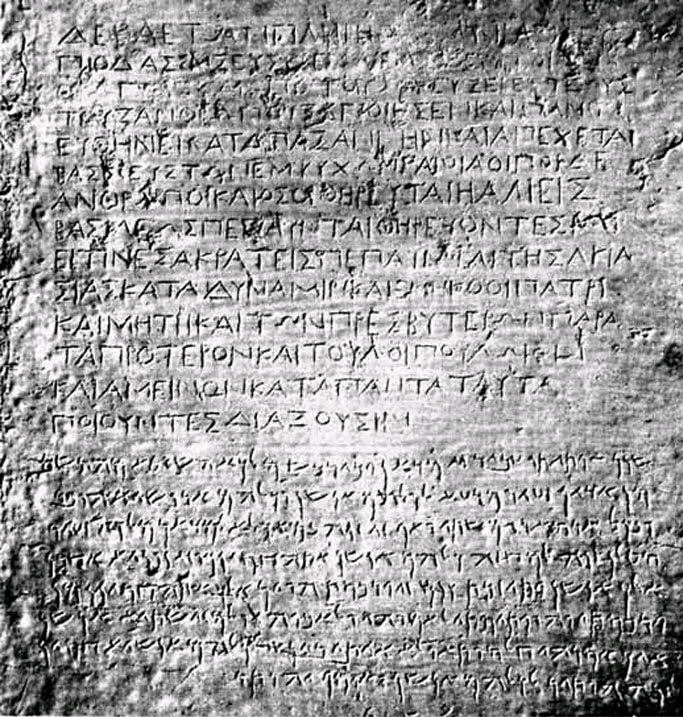
Kandahar Bilingual Rock Inscription
Ashoka · c. 260 BCE
Free account
Read every Ashoka the Great source
Sign up free →
Ready when you are
Start chatting with Ashoka the Great now.
20 messages free · No credit card · Available in 50+ languages.