


Primary sourceSculptureca. 1347–1330 BCE
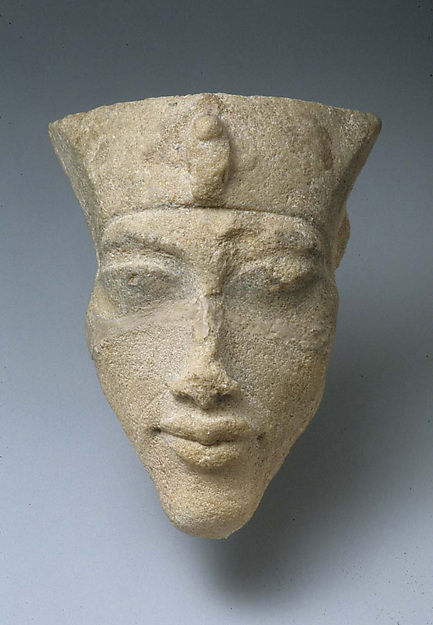
Sandstone Head of Akhenaten
ca. 1347–1330 BCE
A small sandstone head carved during Akhenaten's reign, showing the pharaoh's distinctive facial features and crown.
This sandstone head is a primary sculpted portrait of Akhenaten made during his own reign.
About this source
What it is
This is a small sandstone head made during the New Kingdom's Amarna Period, in the reign of Akhenaten. It was given to the Metropolitan Museum of Art by Edward S. Harkness in 1921.
Why it matters
The head is a primary artifact of Akhenaten's own time, carved while he ruled Egypt. It shows the unusual artistic style of the Amarna Period, with heavy-lidded eyes, a long face, and a tall crown, features that were very different from earlier royal portraits and tell us how Akhenaten's court wanted him to be seen.
Look closer
- What makes this face look different from other ancient Egyptian royal sculptures you may know?
- Why might a pharaoh want to be shown with such unusual features?
- What is missing from this fragment that might change how we understand it?
This sculpture is part of the curated material that grounds the AI version of Akhenaten on Humy.ai — when students ask about related events, the AI can quote it and cite it.
More Akhenaten sources
Browse all 99 →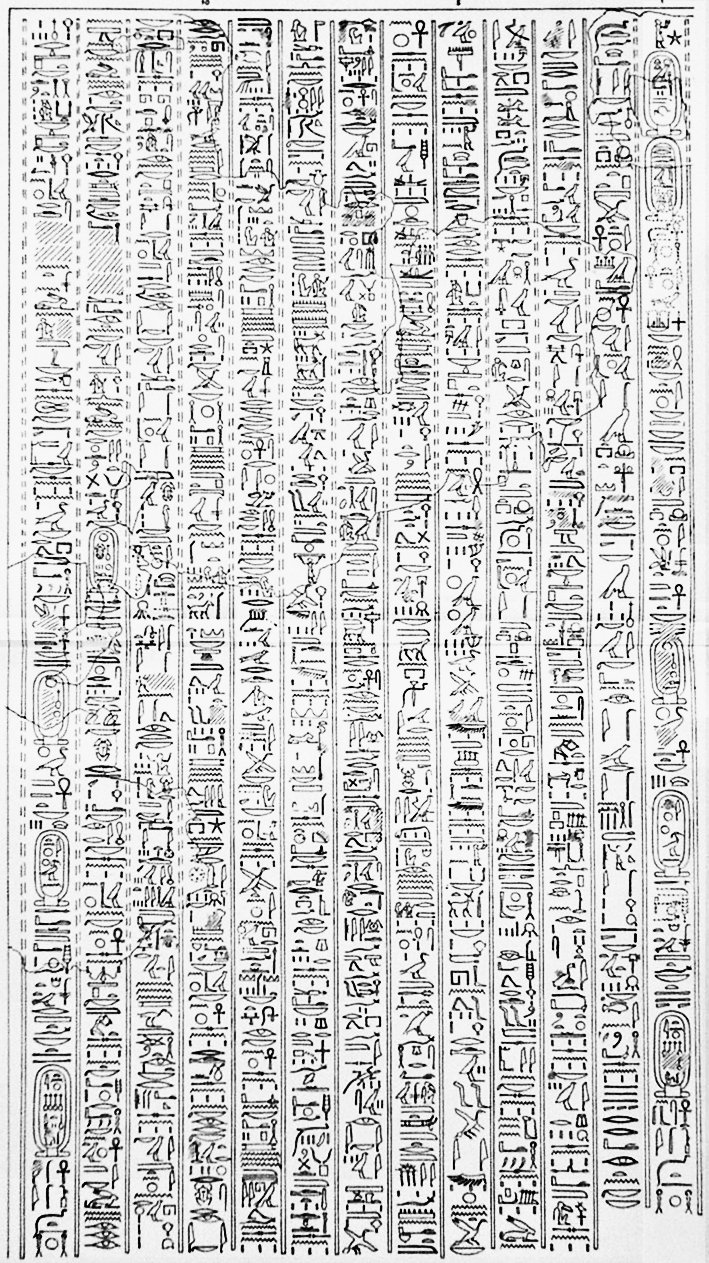 Document
Primary source
Great Hymn to the Aten
Akhenaten · c. 1350 BC
 Document
Primary source
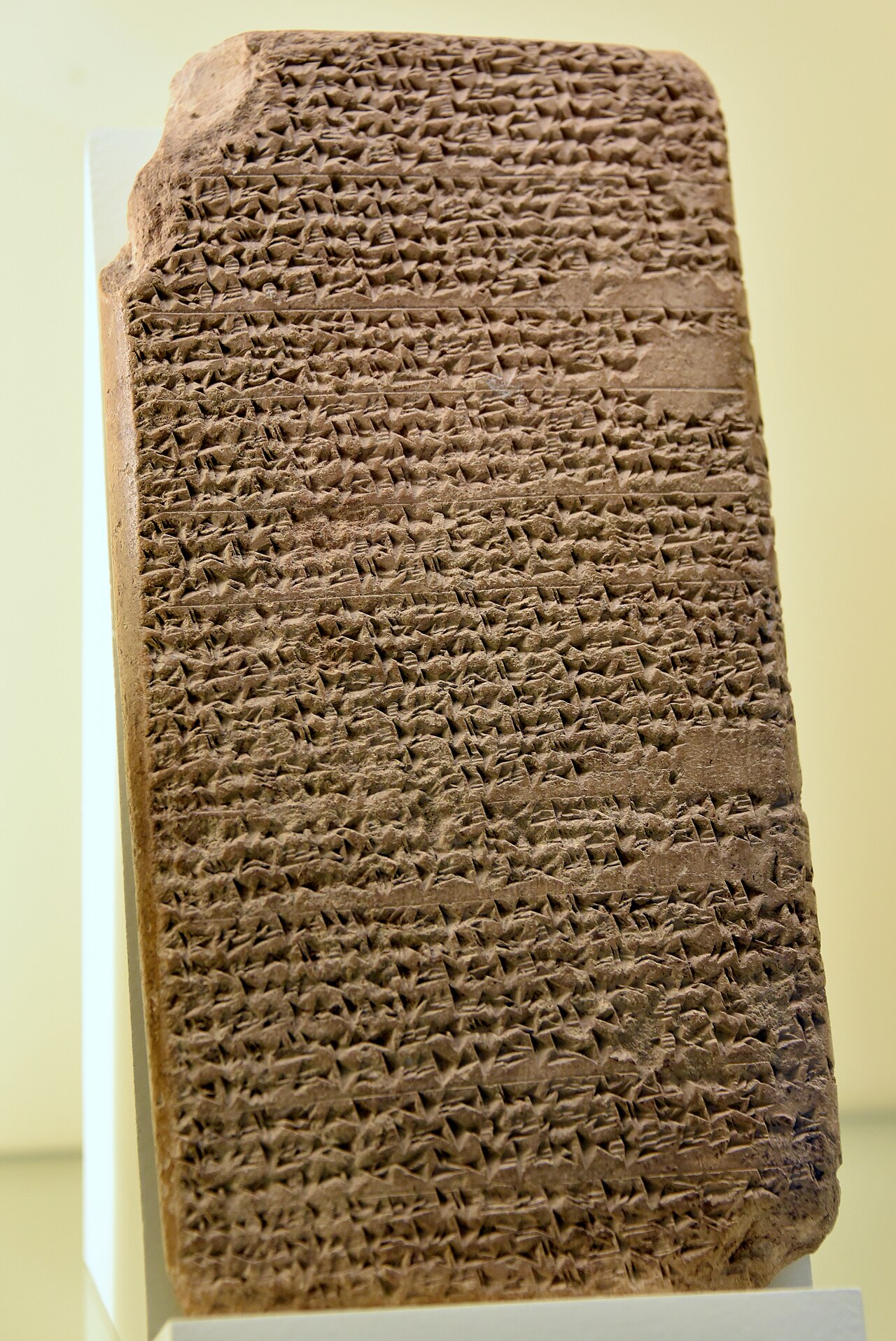
Amarna letters
Foreign rulers and vassals of Egypt; Egyptian chancery · c. 1360–1332 BCE
 Sculpture
Primary source
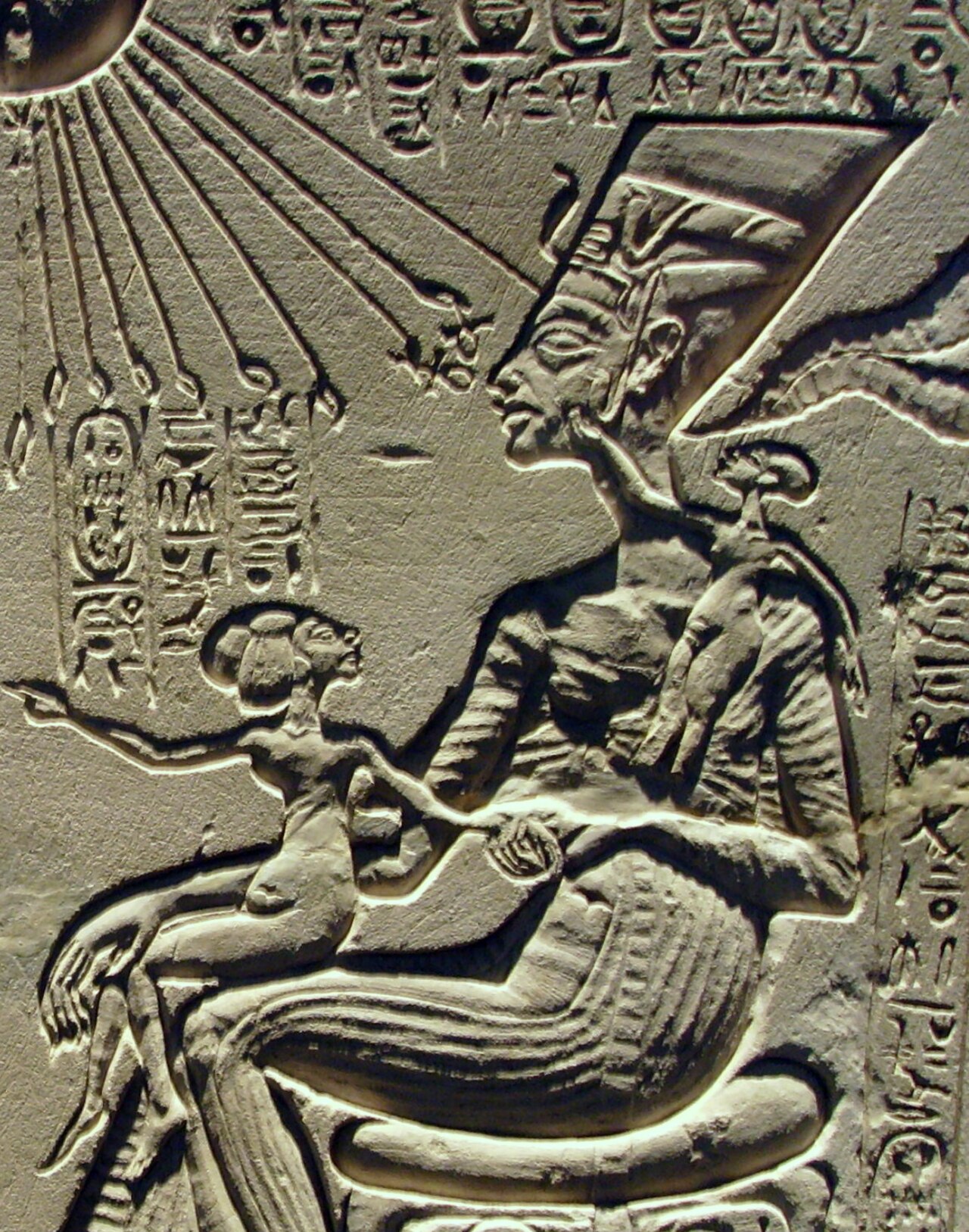
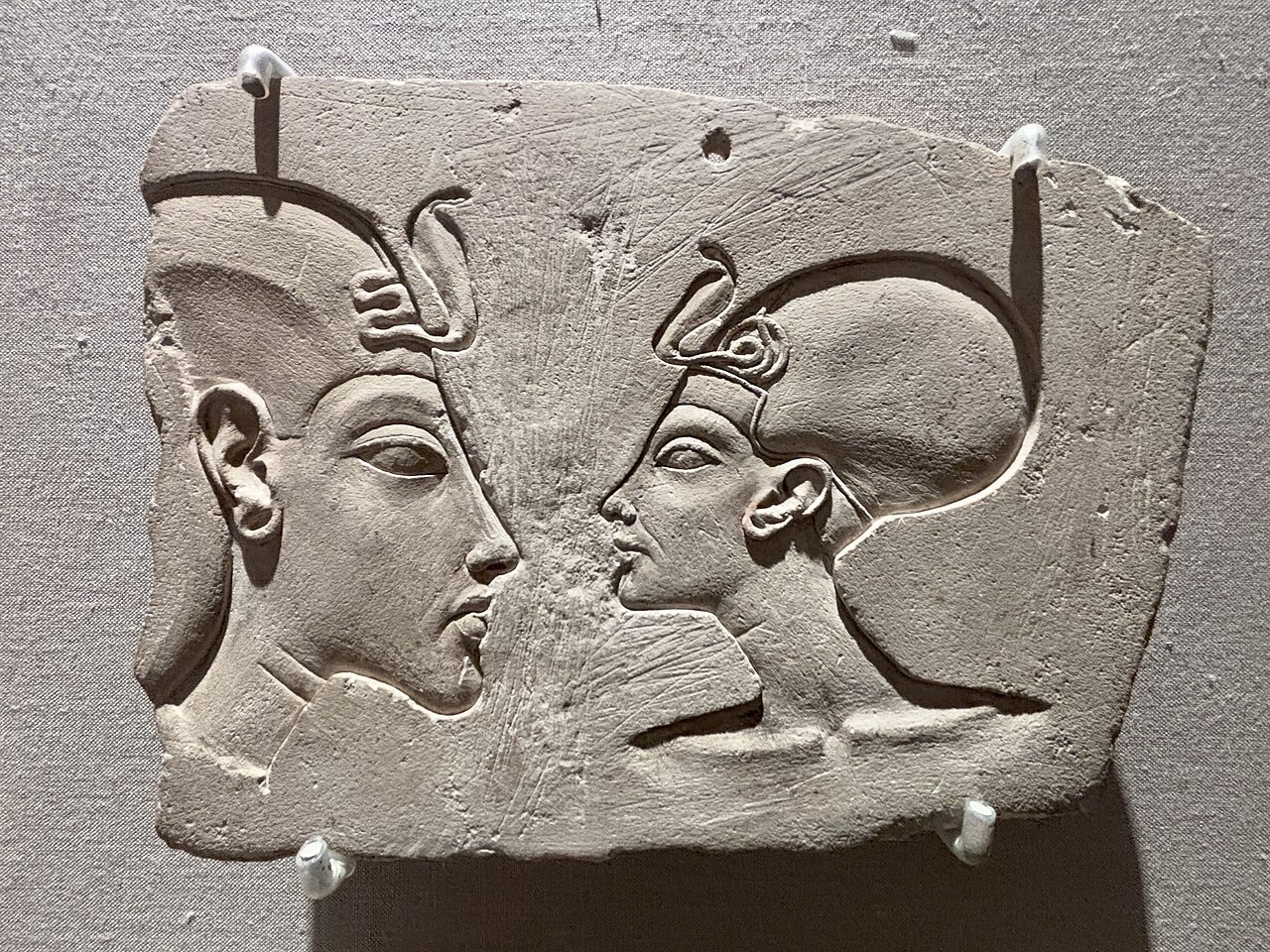
Akhenaten and His Family
c. 1352 BC
 Sculpture
Primary source
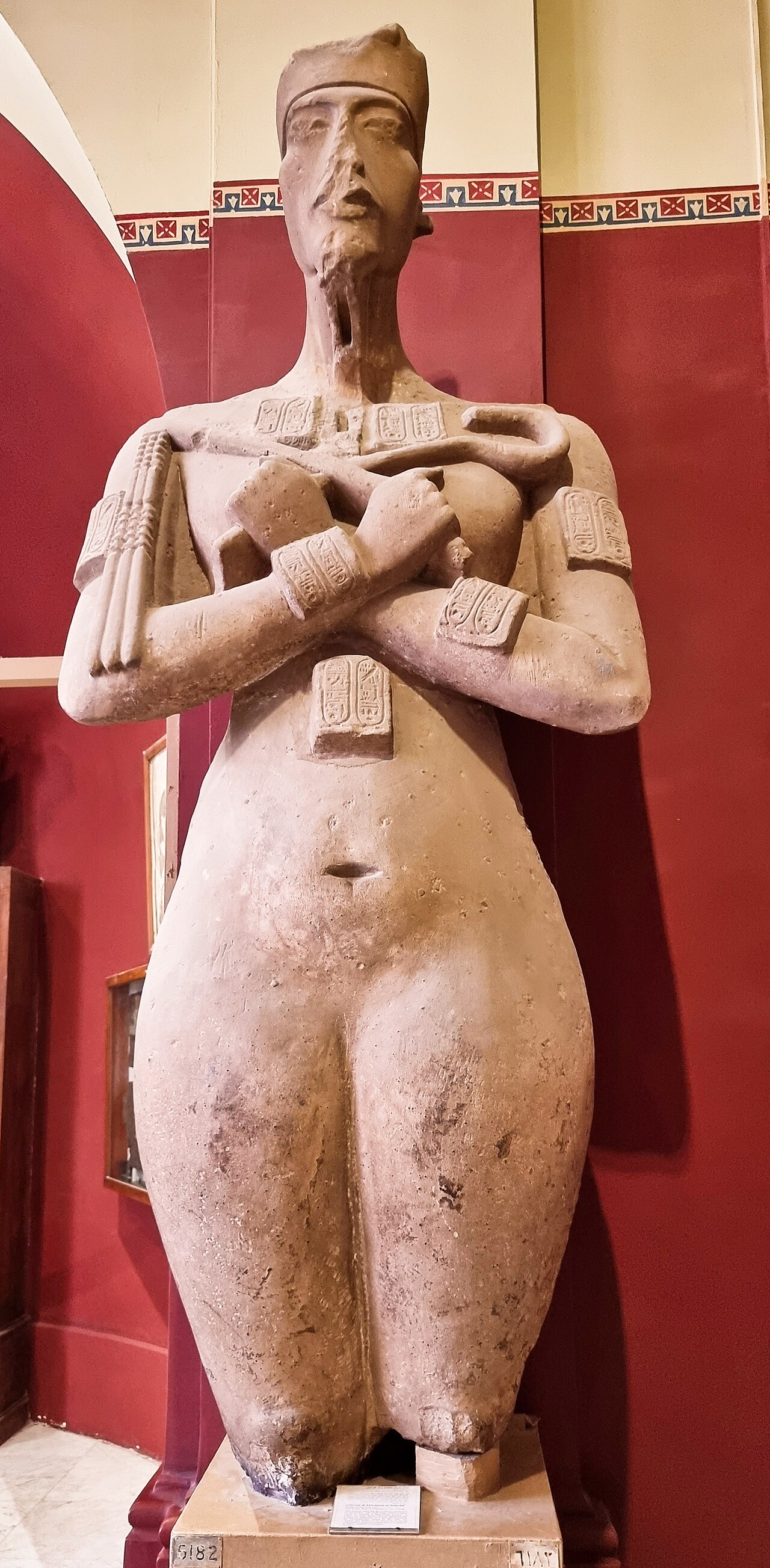
Colossal Statue of Akhenaten or Nefertiti
Free account
Read every Akhenaten source
Sign up free →
Ready when you are
Start chatting with Akhenaten now.
20 messages free · No credit card · Available in 50+ languages.