


Primary sourceArtifactc. 1340 BCE
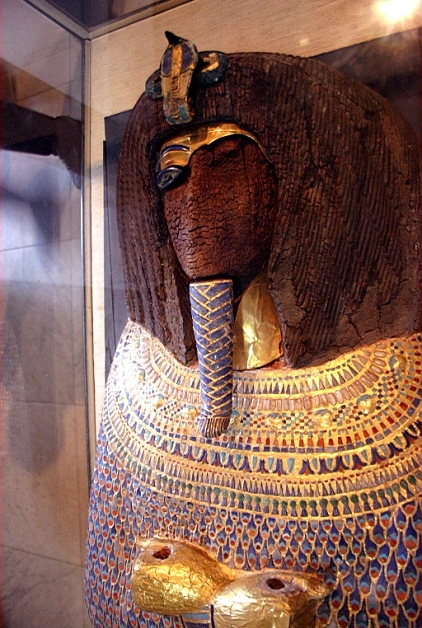
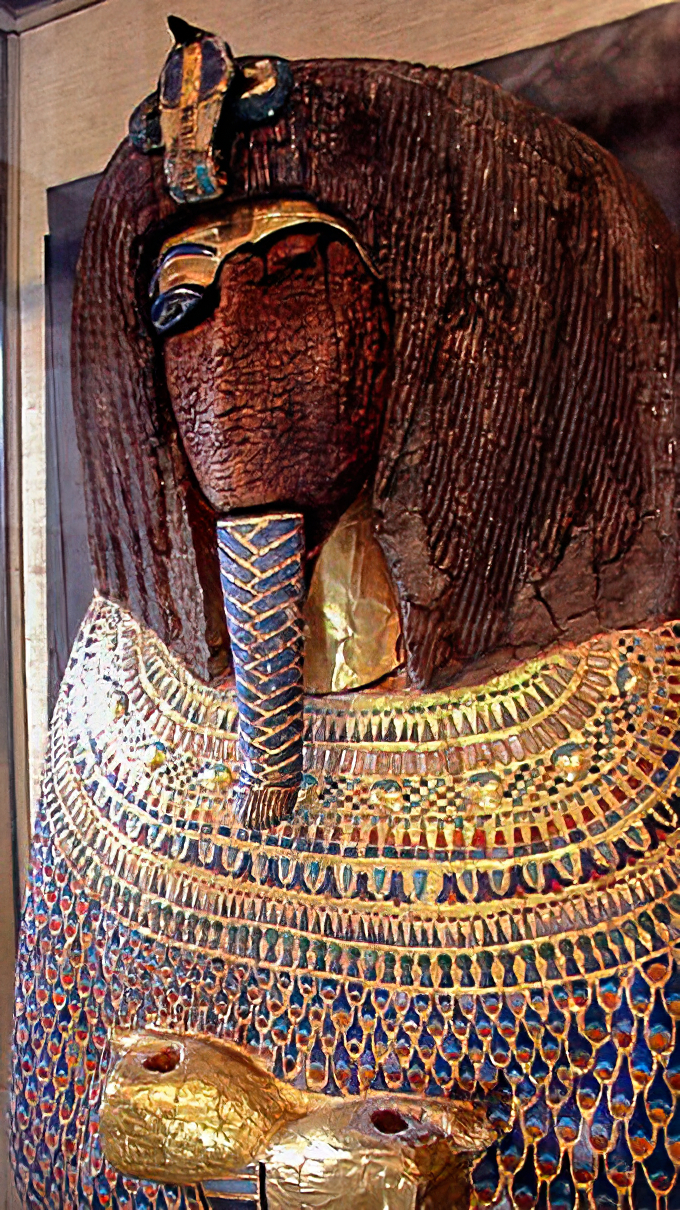
Sarcophagus of Akhenaten
Commissioned by Akhenaten · c. 1340 BCE
A granite sarcophagus commissioned for Akhenaten's burial, later smashed and reconstructed from fragments; it did not actually contain his body.
Akhenaten commissioned this sarcophagus for his own burial, but his body was never found inside it.
Free Humy account · No credit card · 120,912 sources to read
About this source
What it is
This granite sarcophagus was commissioned by Akhenaten for his royal tomb, made around 1340 BCE. It is now reconstructed from fragments and held in the Egyptian Museum, Cairo. Unusually, figures of his queen Nefertiti appear carved at its corners, taking the place of the traditional protective goddesses.
Why it matters
The sarcophagus's decoration and contents, especially in the burial chamber, were deliberately destroyed in antiquity. It did not contain Akhenaten's body when found, leaving his actual burial a historical mystery. The unusual choice to carve Nefertiti instead of goddesses reflects how Akhenaten reshaped even funerary tradition around his own family and religion.
Look closer
- Why might someone later want to destroy a king's sarcophagus?
- What does replacing the protective goddesses with Nefertiti tell us about the royal family's role in Akhenaten's religion?
- Why does the empty sarcophagus leave historians with unanswered questions?
This artifact is part of the curated material that grounds the AI version of Akhenaten on Humy.ai — when students ask about related events, the AI can quote it and cite it.
More Akhenaten sources
Browse all 99 →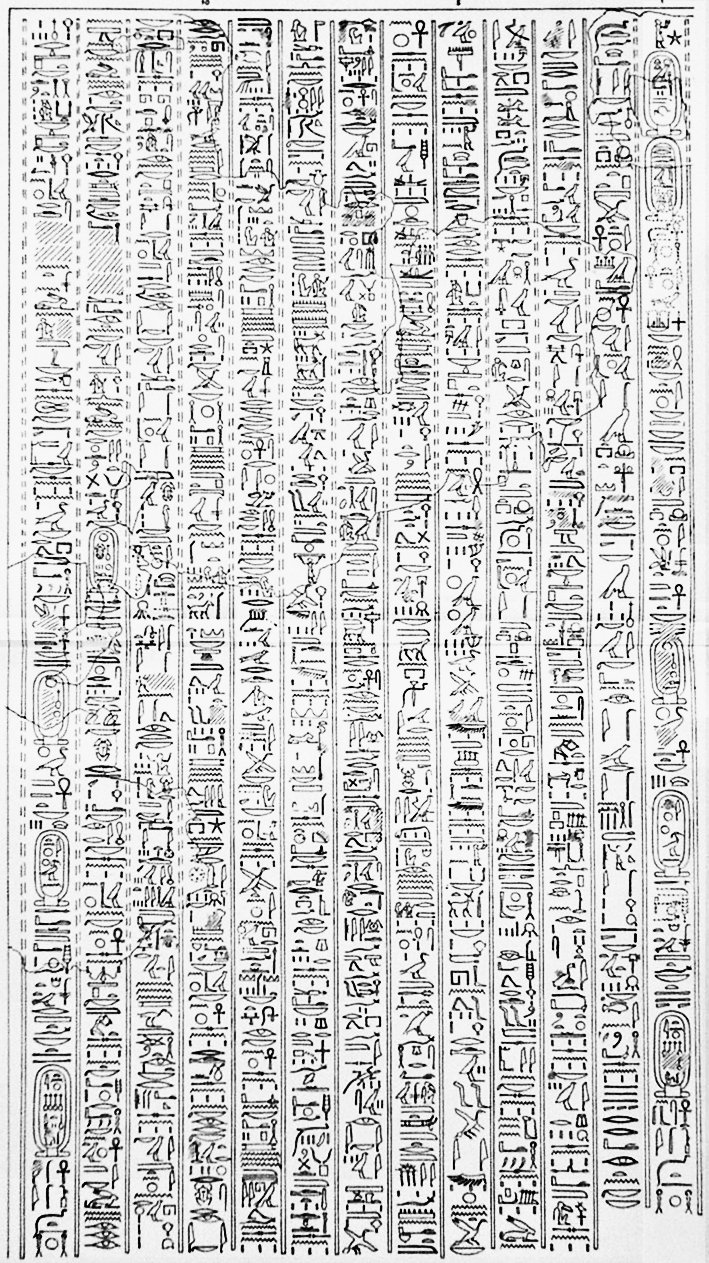 Document
Primary source
Great Hymn to the Aten
Akhenaten · c. 1350 BC
 Document
Primary source
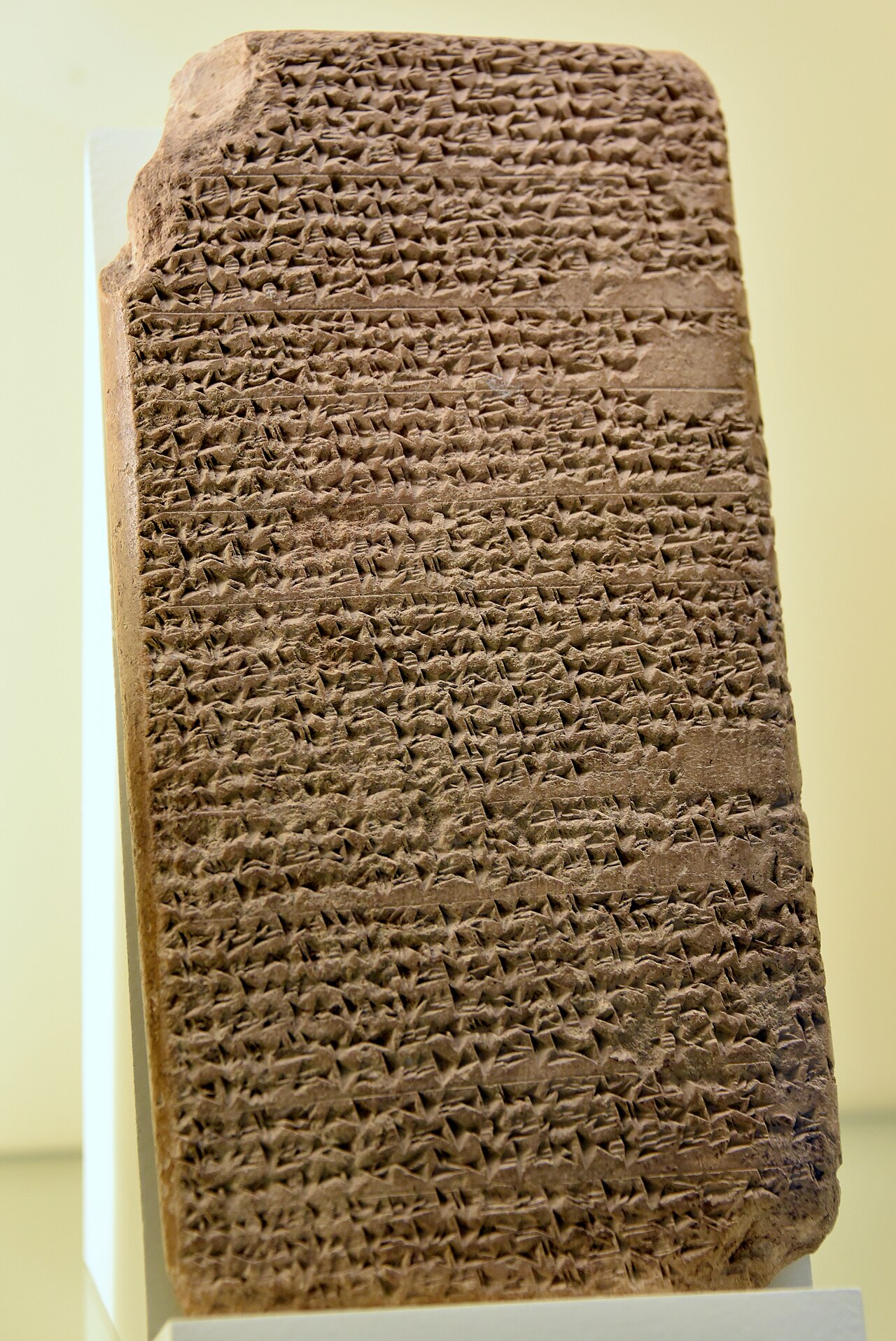
Amarna letters
Foreign rulers and vassals of Egypt; Egyptian chancery · c. 1360–1332 BCE
 Sculpture
Primary source
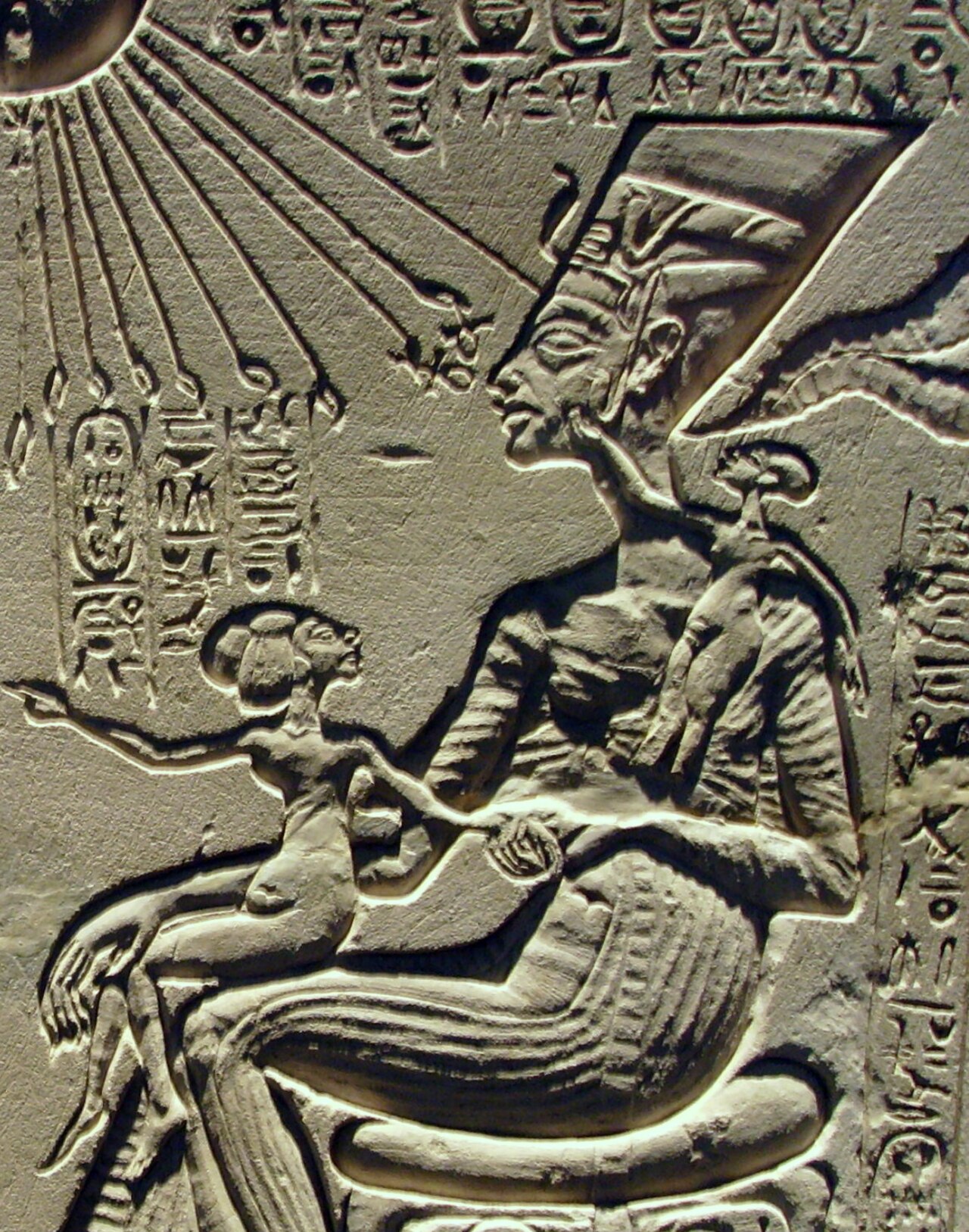
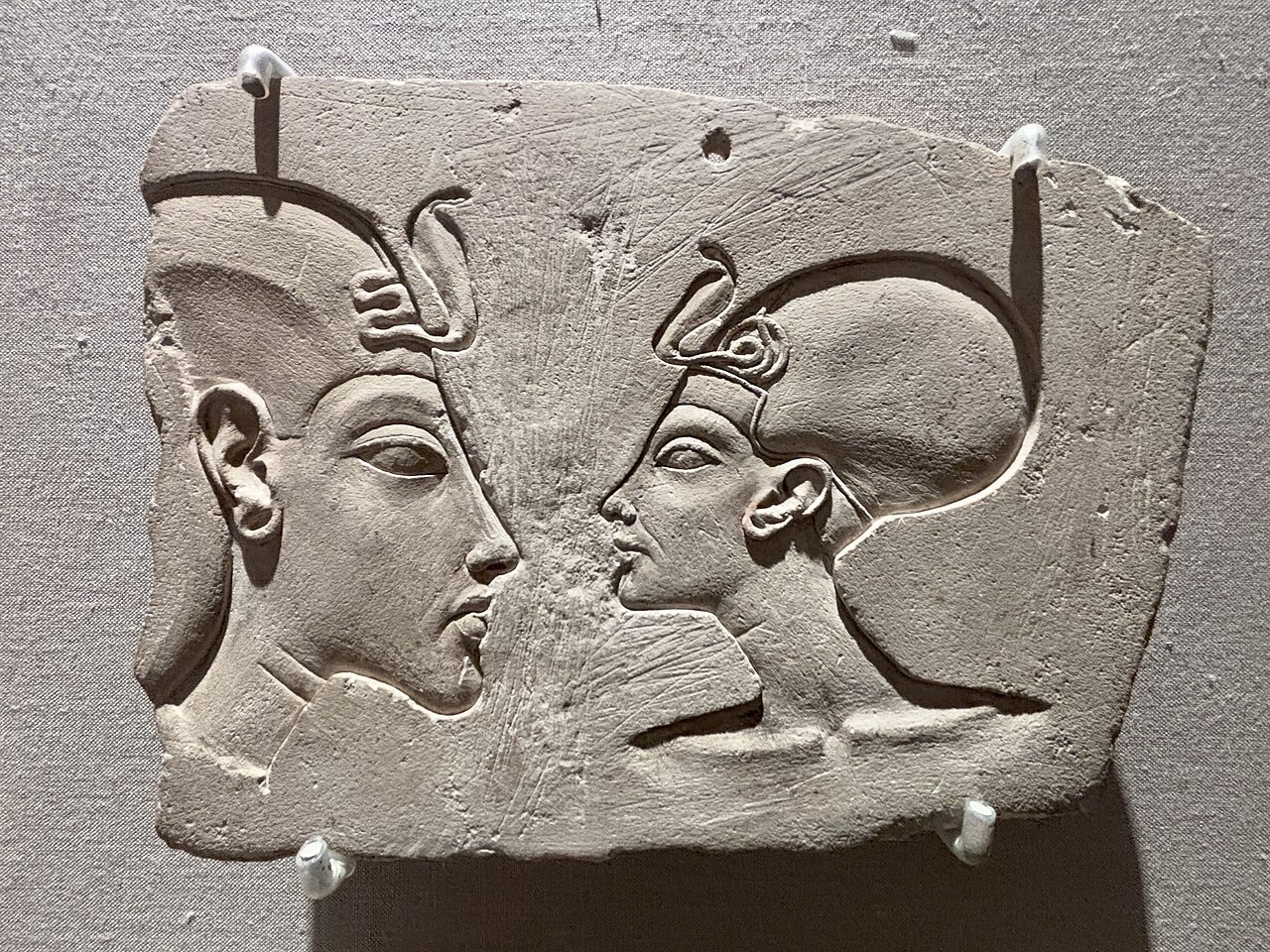
Akhenaten and His Family
c. 1352 BC
 Sculpture
Primary source
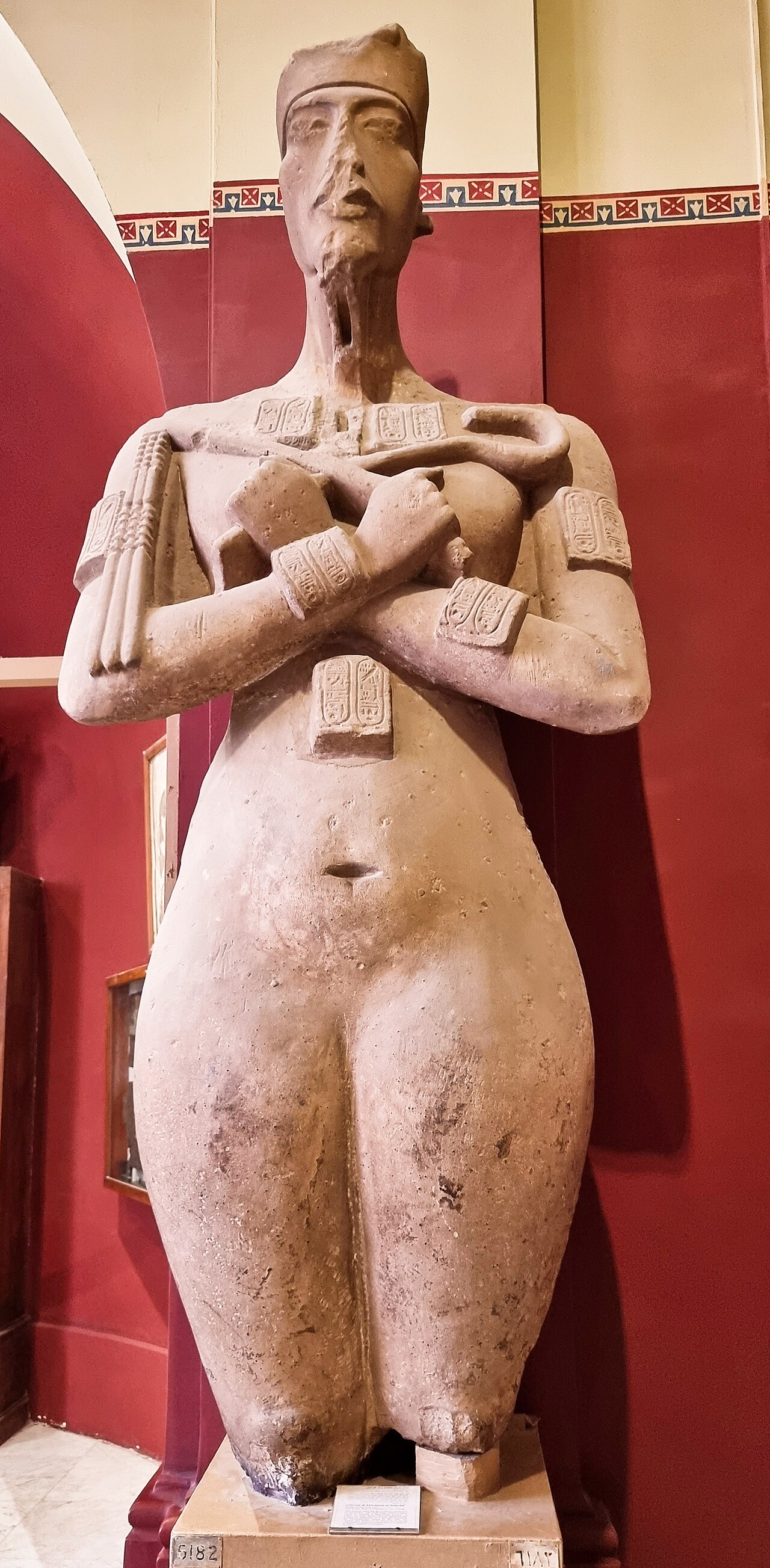
Colossal Statue of Akhenaten or Nefertiti
Free account
Read every Akhenaten source
Sign up free →
Ready when you are
Start chatting with Akhenaten now.
20 messages free · No credit card · Available in 50+ languages.