


Primary sourceDocumentc. 250 BCE
Sarnath Pillar Schism Edict
Ashoka · c. 250 BCE
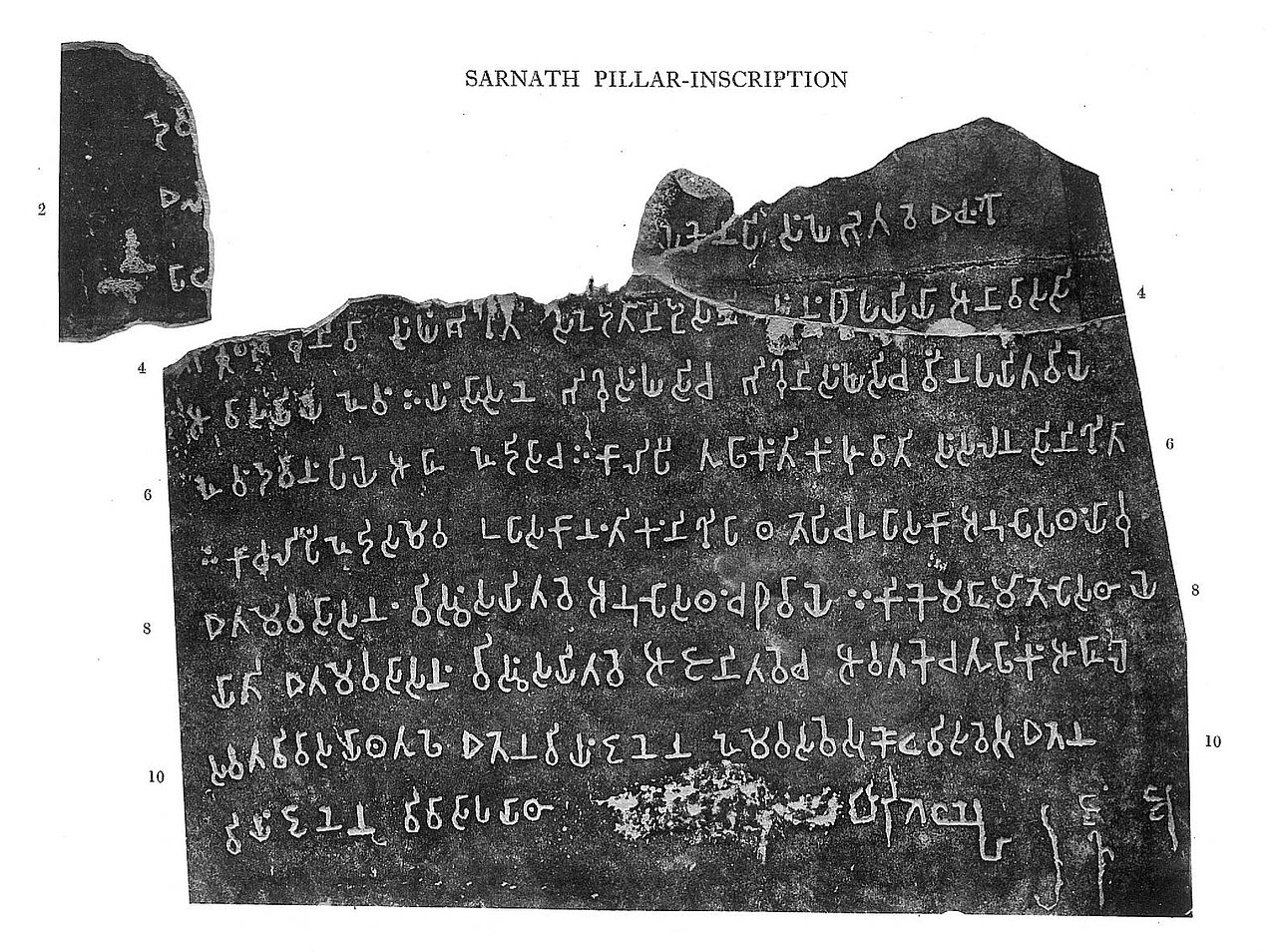
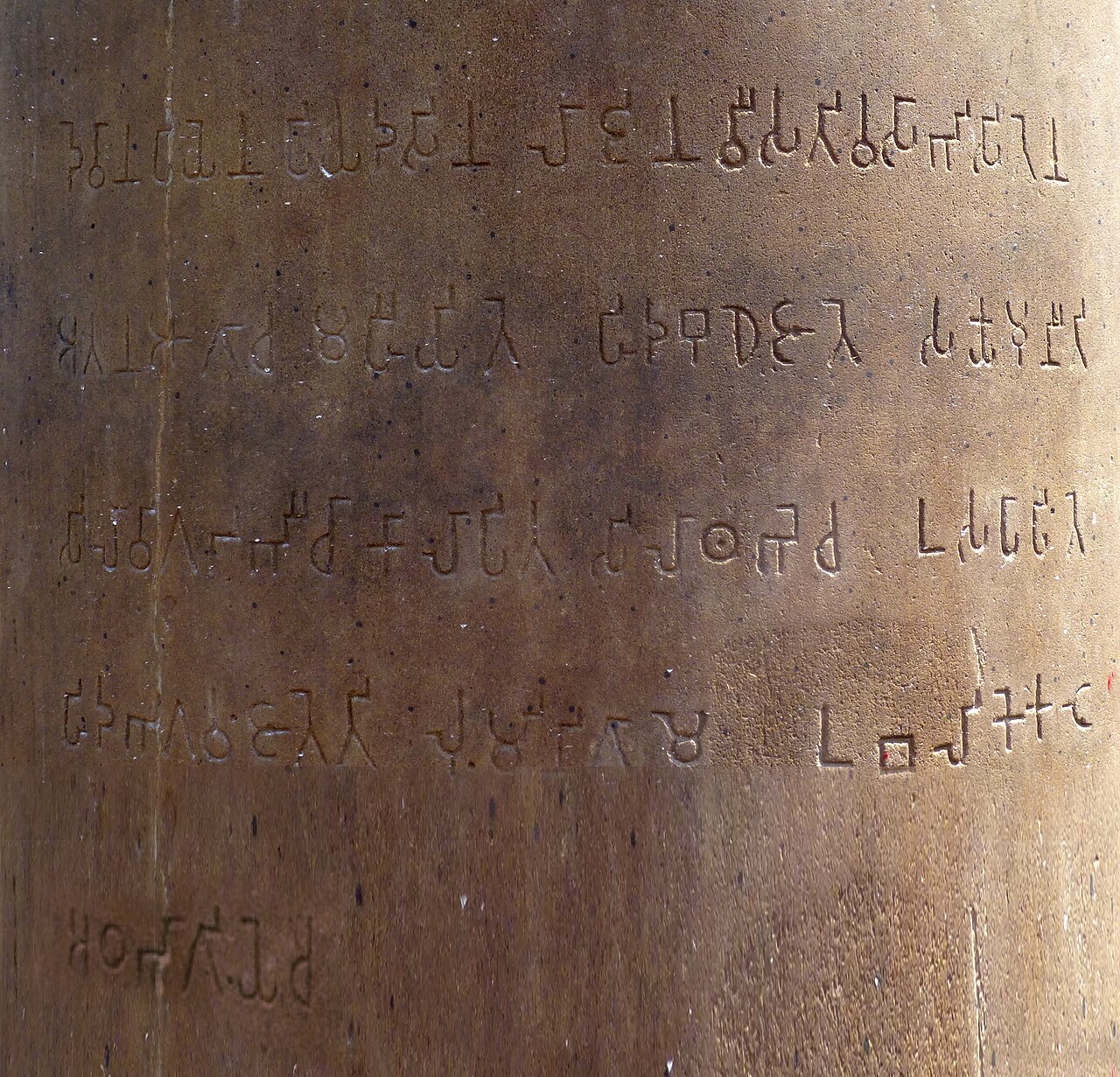
An Ashokan pillar inscription at Sarnath warning monks and nuns against splitting the Buddhist sangha.
This edict shows Ashoka personally intervening to prevent division within the Buddhist monastic community.
About this source
What it is
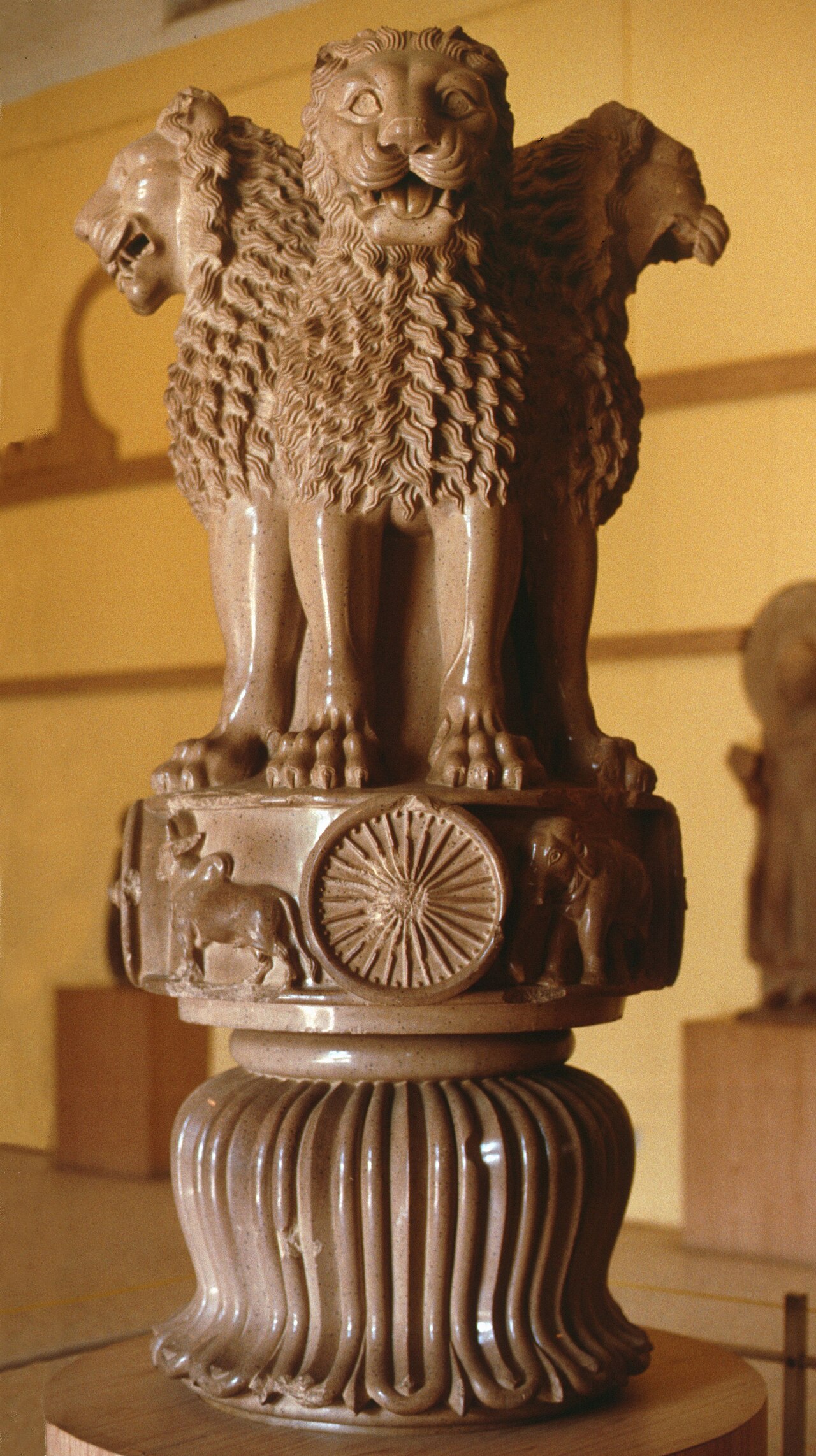
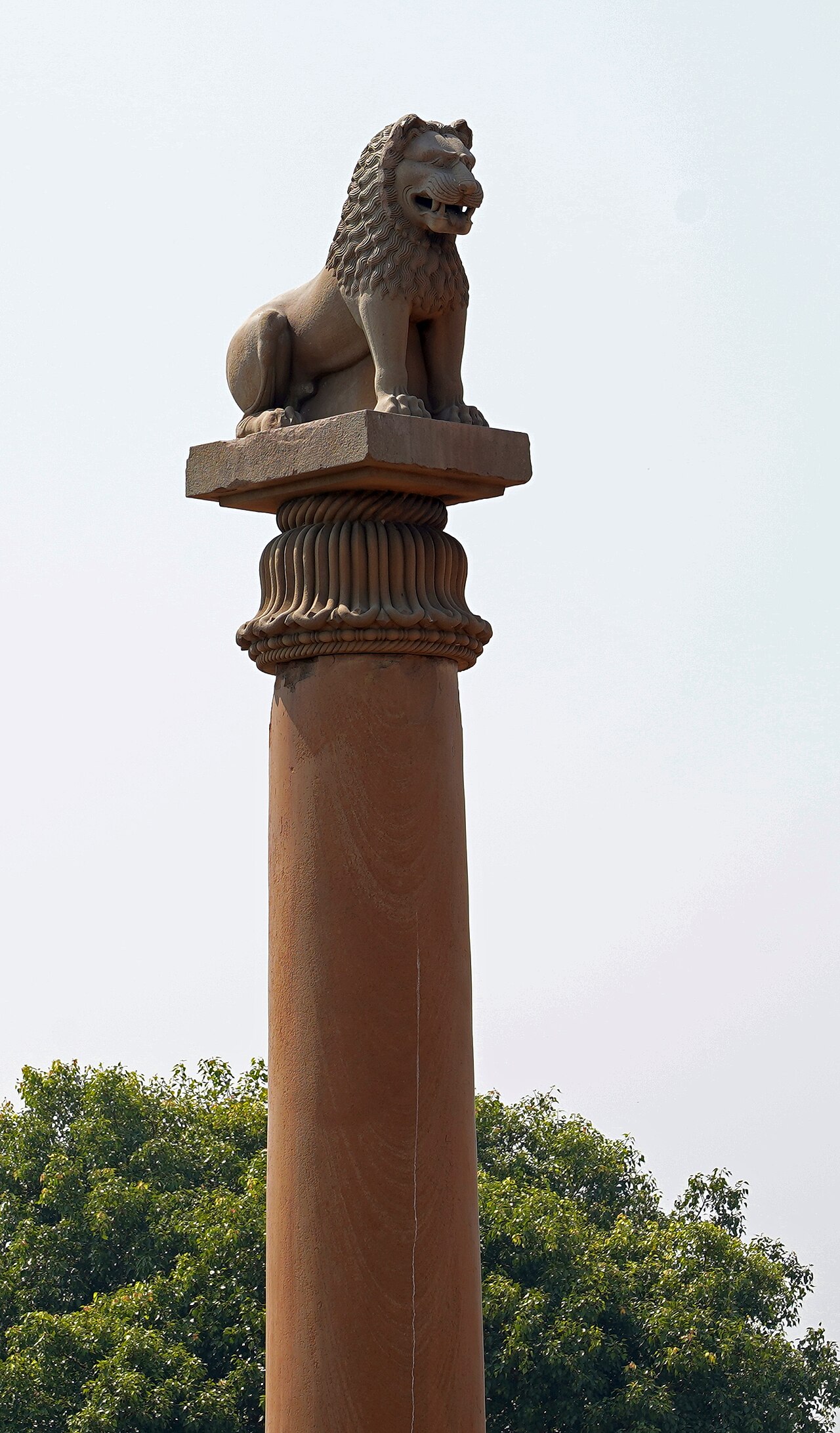
This is an inscription carved by order of Ashoka around 250 BCE on a pillar at Sarnath, near Varanasi, still standing in its original location. The pillar is topped by the famous four-lion capital.
The inscription is known as the Schism Edict, warning that monks or nuns who caused a split in the Buddhist sangha would be expelled.
Why it matters
This edict shows Ashoka directly intervening in the internal affairs of the Buddhist monastic community, not just supporting Buddhism from the outside. It reveals how closely he involved himself in keeping the sangha unified during his reign.
Look closer
- Why might a political ruler like Ashoka have felt it was his place to settle disputes within a religious community?
- What does threatening expulsion rather than milder punishment suggest about how seriously he viewed unity in the sangha?
- What questions does this inscription leave unanswered about the actual disputes happening among monks and nuns?
This document is part of the curated material that grounds the AI version of Ashoka the Great on Humy.ai — when students ask about related events, the AI can quote it and cite it.
More Ashoka the Great sources
Browse all 98 →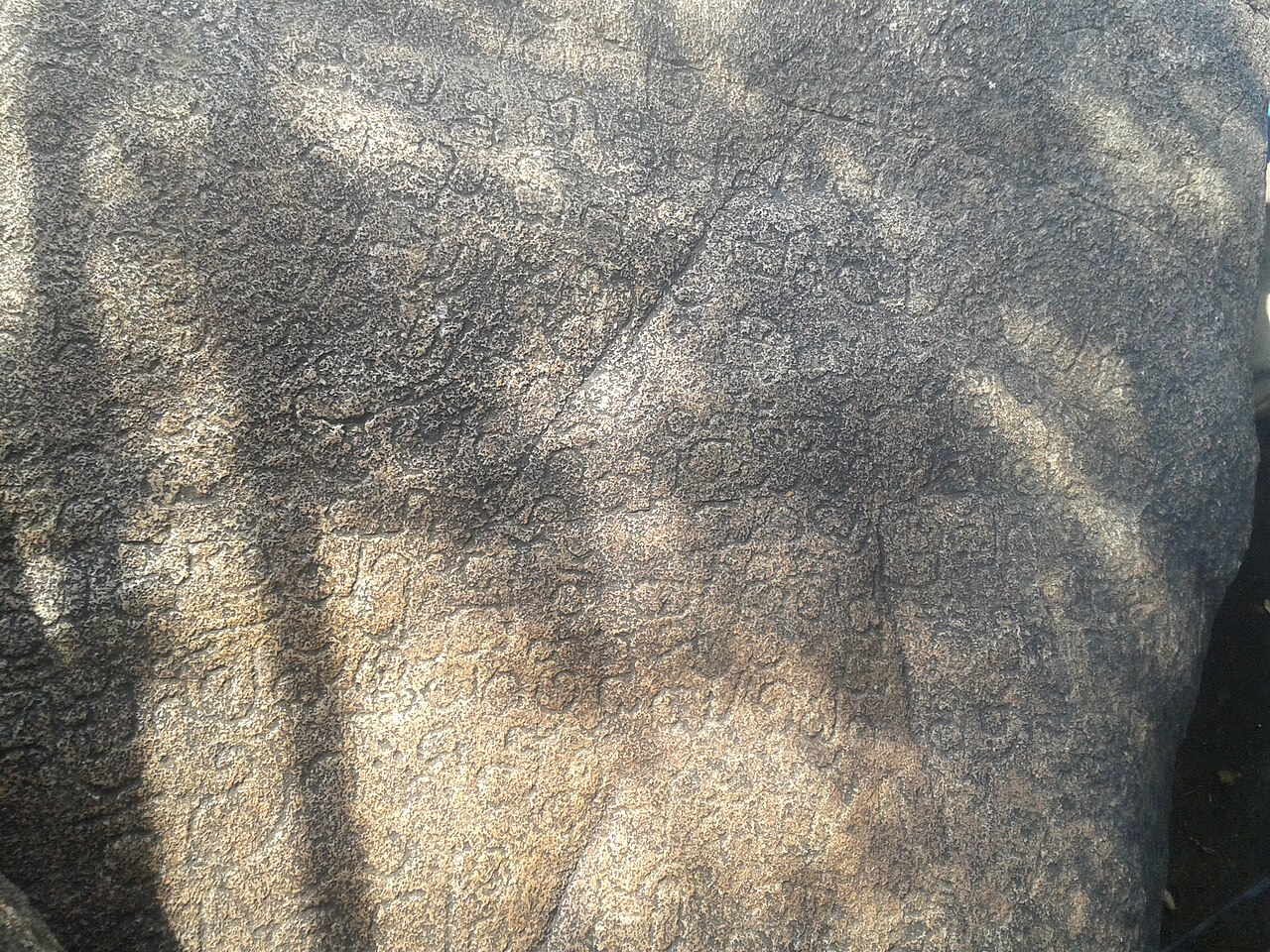 Document
Primary source
Major Rock Edicts
Ashoka · c. 257 BCE
 Sculpture
Secondary source
Lion Capital of Ashoka
Commissioned by Ashoka · c. 250 BCE
 Artifact
Secondary source
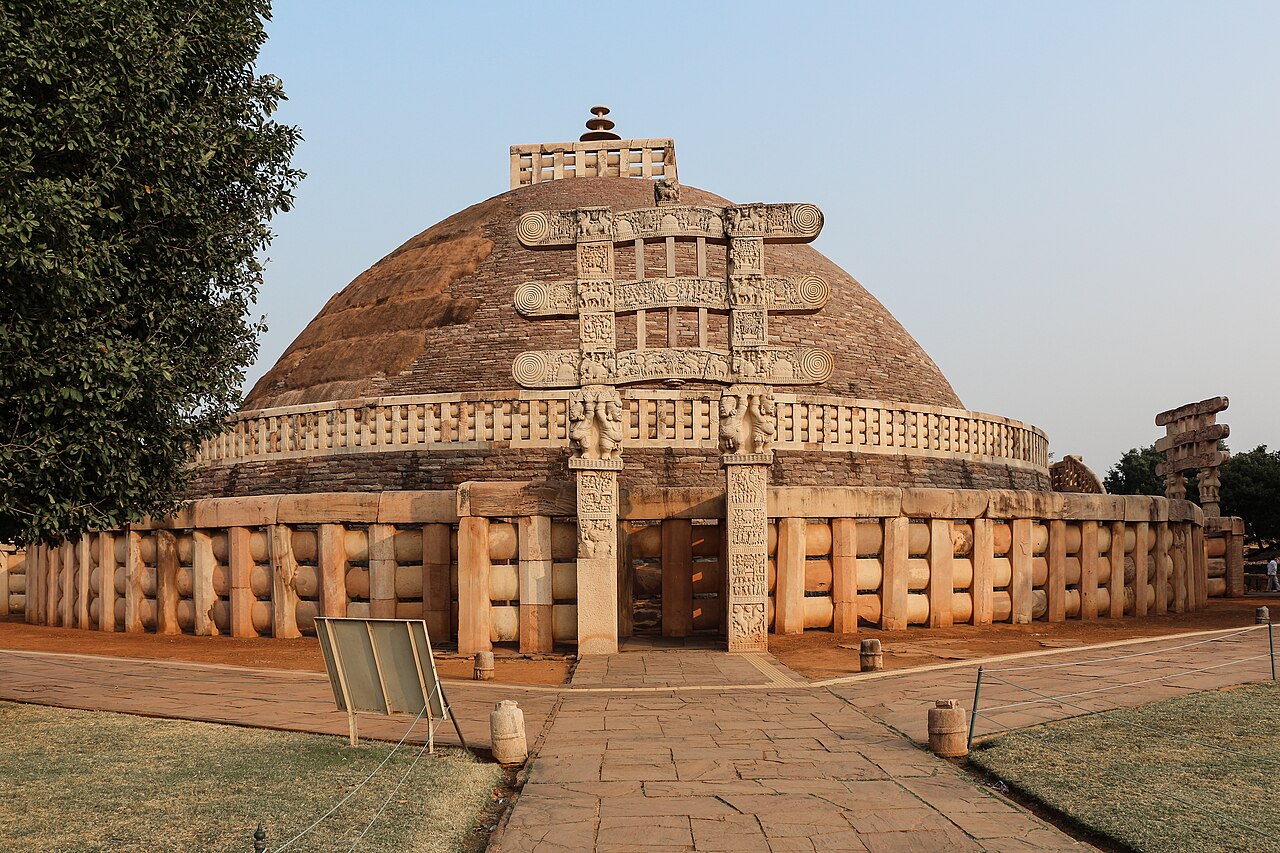
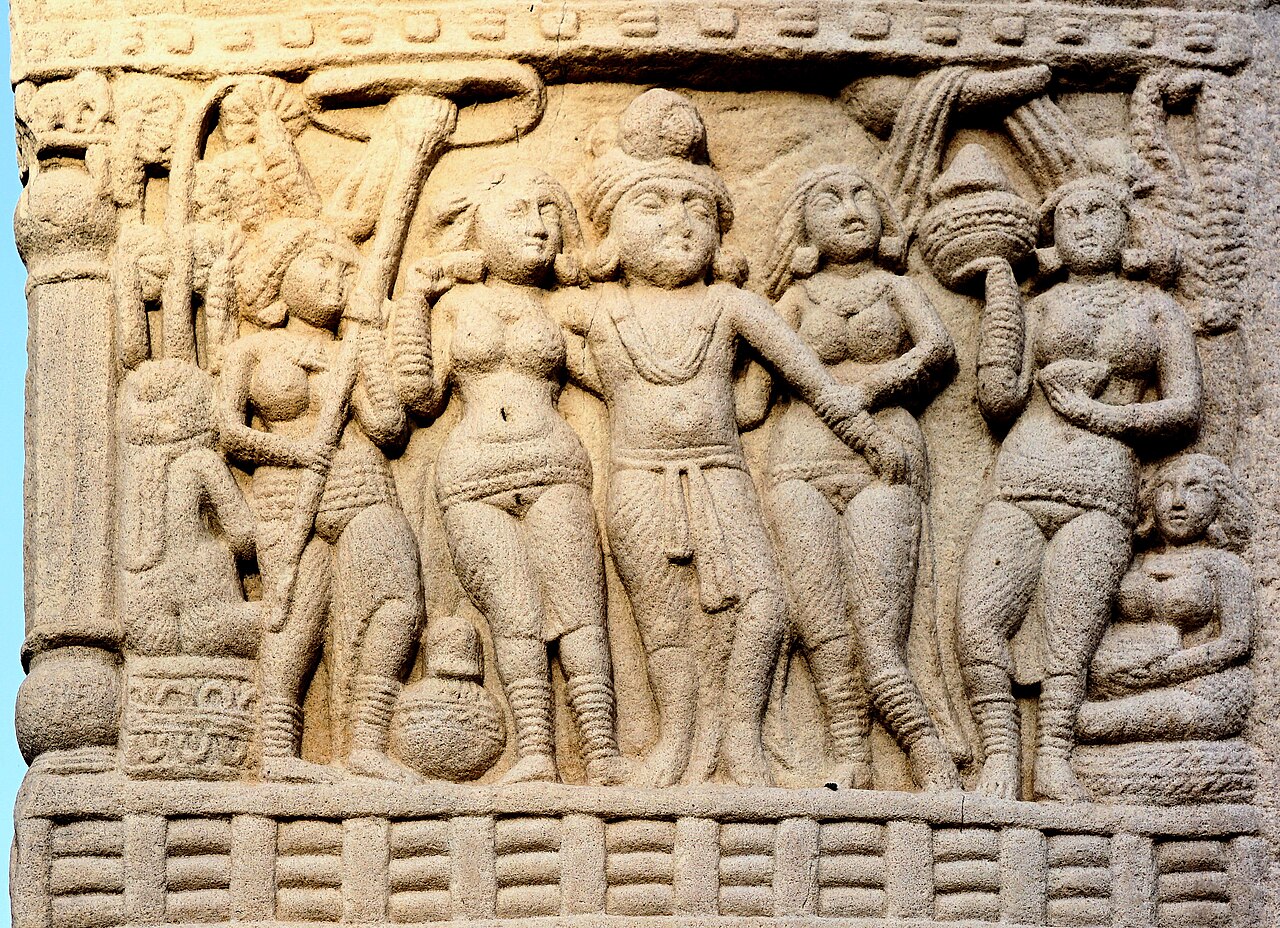
Sanchi Stupa
Commissioned by Ashoka · 3rd century BCE onward
 Document
Primary source
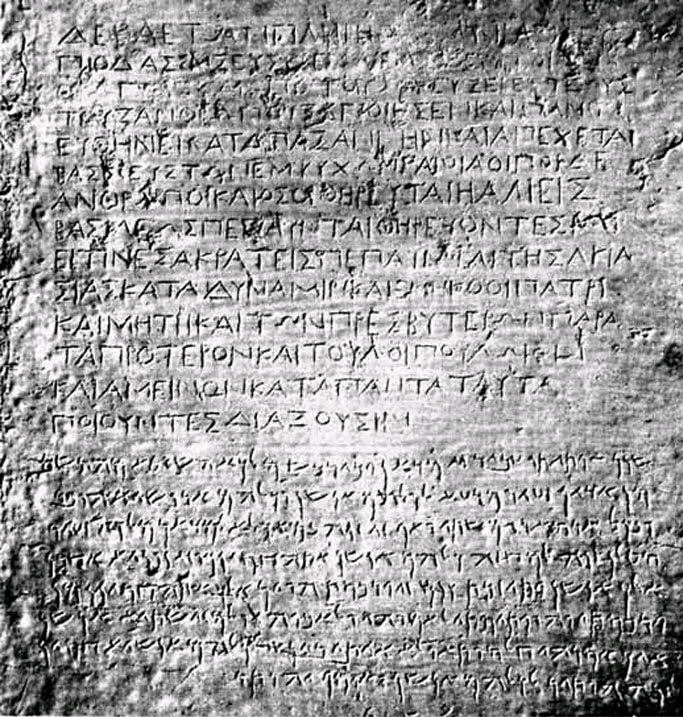
Kandahar Bilingual Rock Inscription
Ashoka · c. 260 BCE
Free account
Read every Ashoka the Great source
Sign up free →
Ready when you are
Start chatting with Ashoka the Great now.
20 messages free · No credit card · Available in 50+ languages.