


Primary sourceDocumentc. 258 BCE
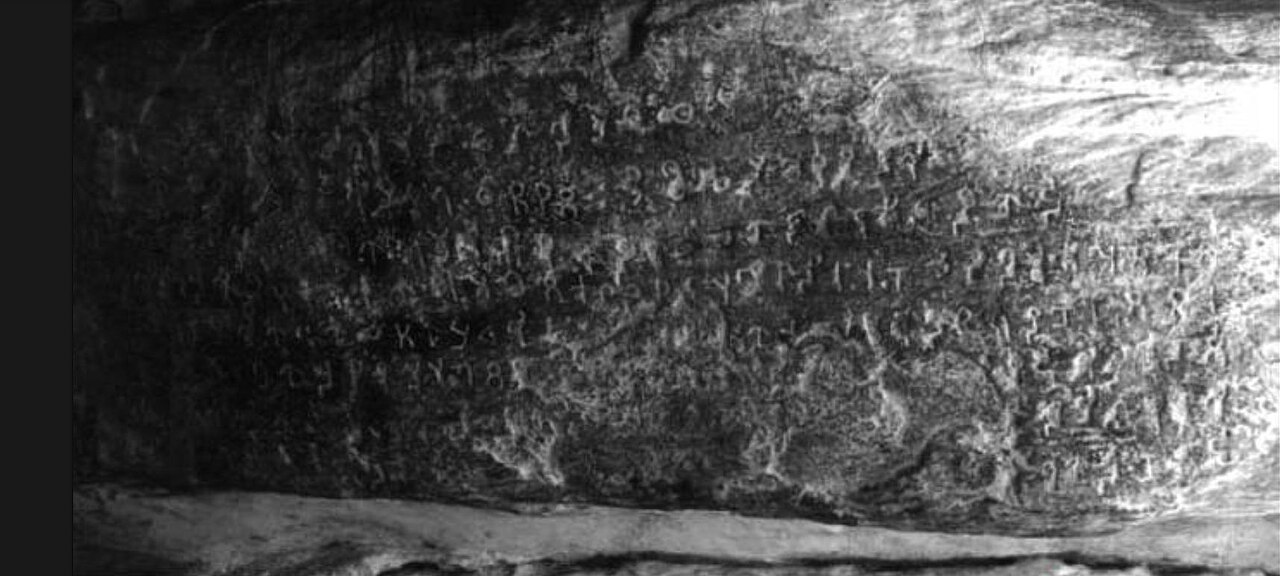
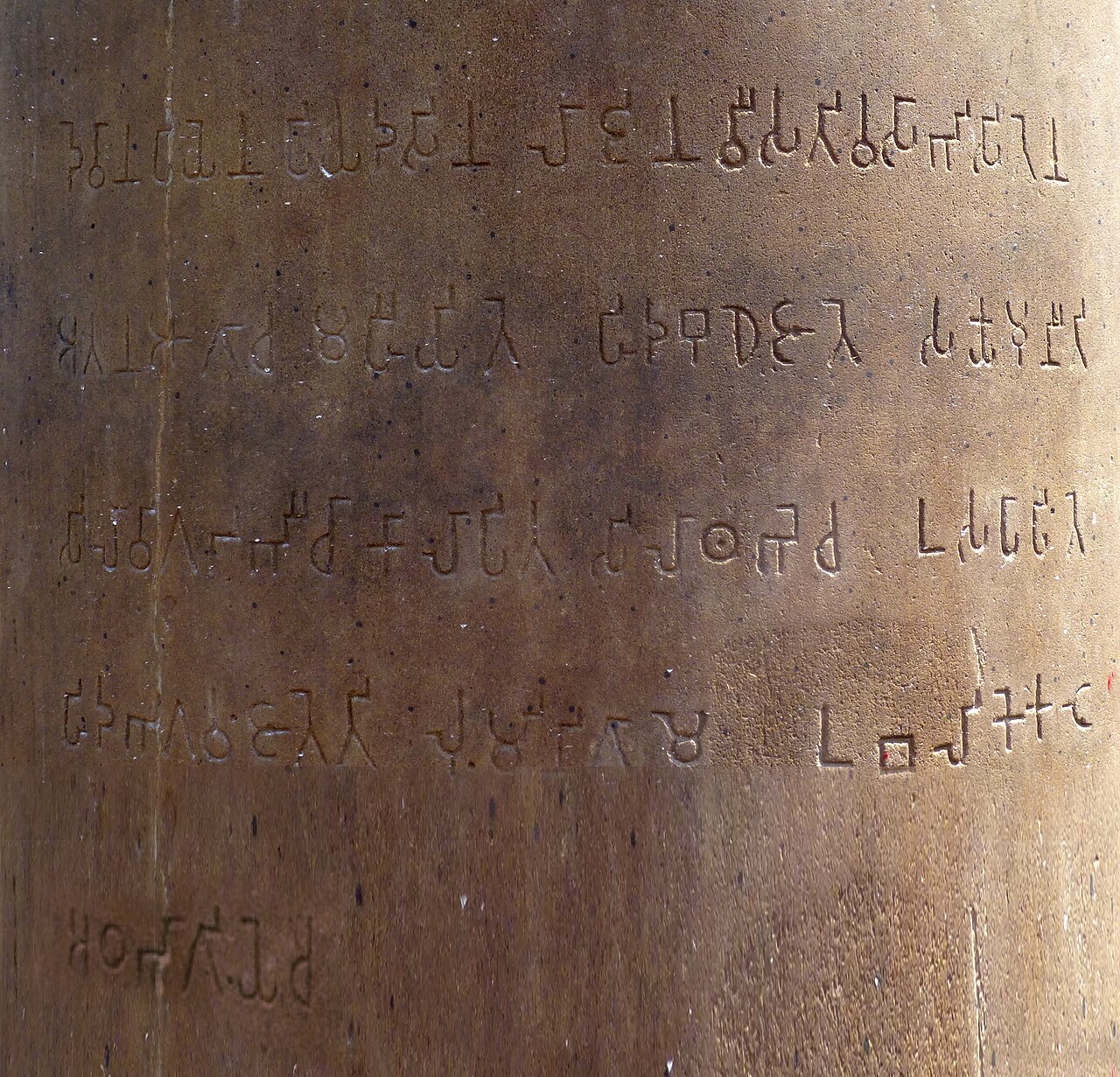
Sasaram Minor Rock Edict
Ashoka · c. 258 BCE
A Minor Rock Edict carved by Ashoka at Sasaram, Bihar, calling himself an 'upasaka' and ordering the text spread on rocks and pillars.
This edict is Ashoka's own words, describing himself as a Buddhist lay follower and ordering its spread empire-wide.
Free Humy account · No credit card · 120,912 sources to read
About this source
What it is
This is one of the thirteen Minor Rock Edicts issued by the emperor Ashoka, carved around 258 BCE in a small cave on Chandan Hill near Sasaram in Bihar, India, where it remains in situ.
Why it matters
In this edict, Ashoka describes himself using the word 'upasaka', meaning a lay follower of Buddhism, showing his personal religious identity rather than only his royal title. He also instructs that the edict be carved on rocks and pillars throughout his empire, revealing how he used inscriptions as a tool to communicate directly with his subjects across a vast territory.
Look closer
- Why might Ashoka have chosen to call himself a Buddhist lay follower rather than only 'emperor' in this text?
- What does ordering the same message to be repeated on rocks and pillars tell you about how rulers communicated before printing?
- What can't a damaged, weathered inscription like this tell us anymore?
This document is part of the curated material that grounds the AI version of Ashoka the Great on Humy.ai — when students ask about related events, the AI can quote it and cite it.
More Ashoka the Great sources
Browse all 98 →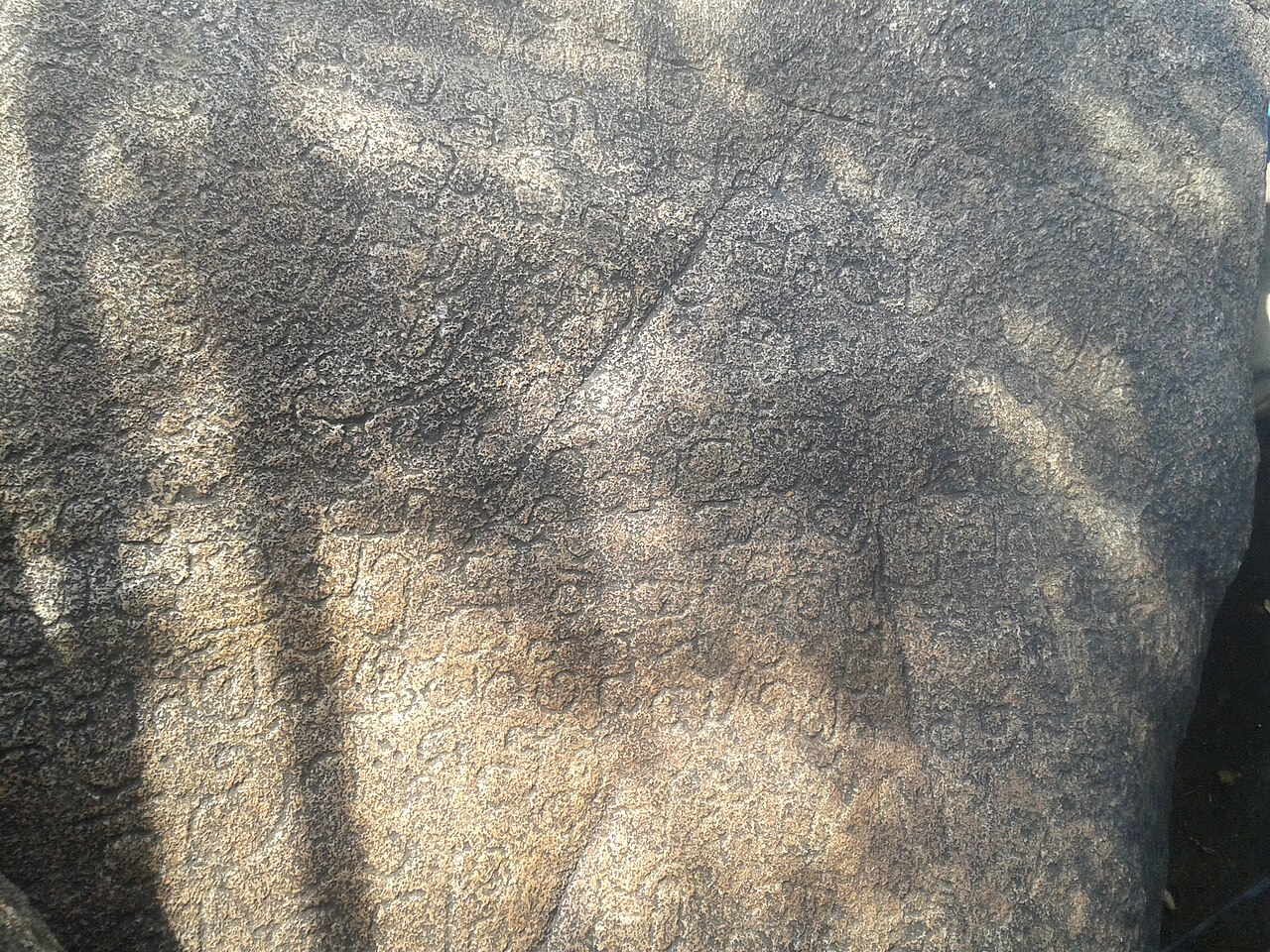 Document
Primary source
Major Rock Edicts
Ashoka · c. 257 BCE
 Sculpture
Secondary source
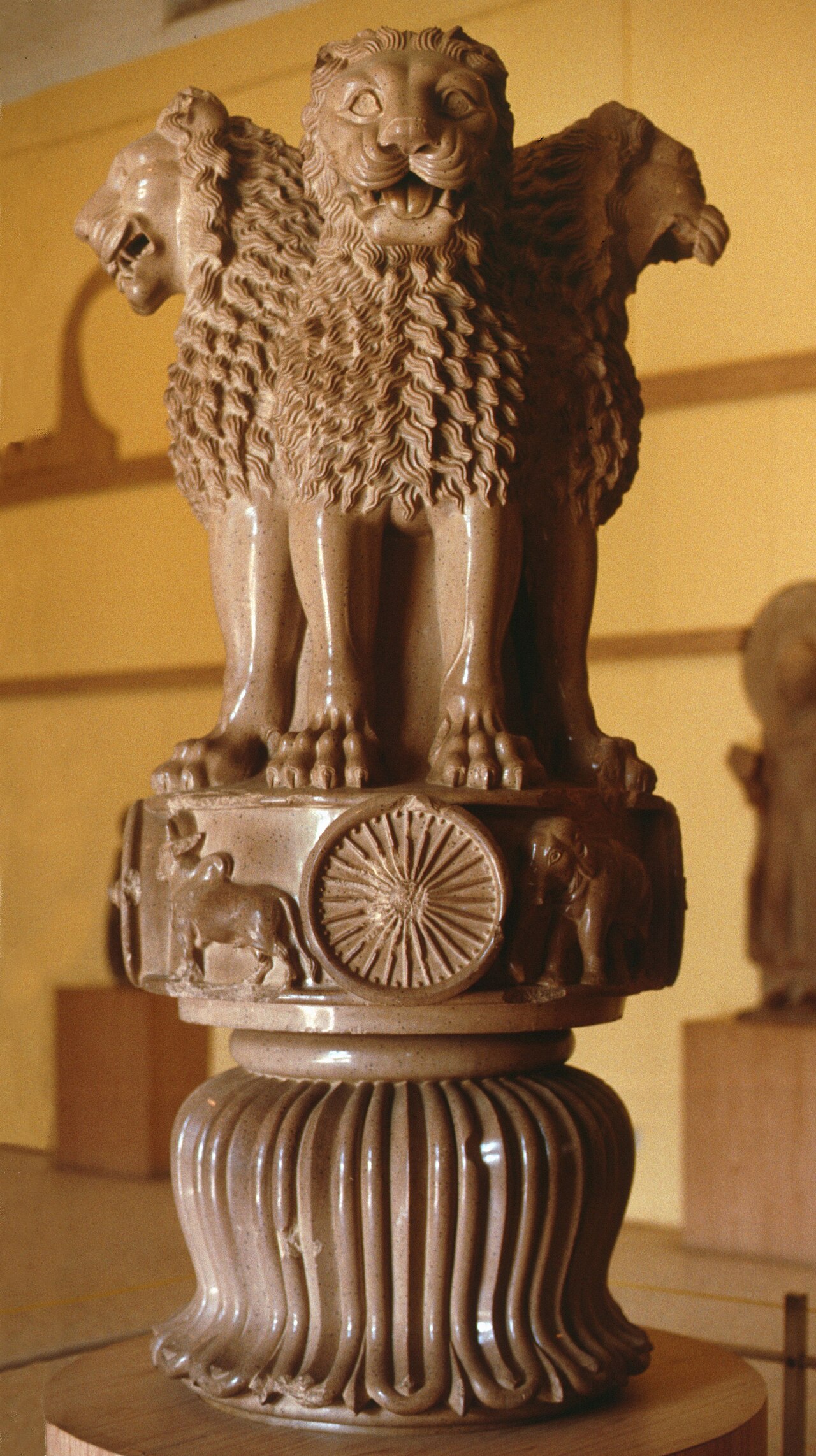
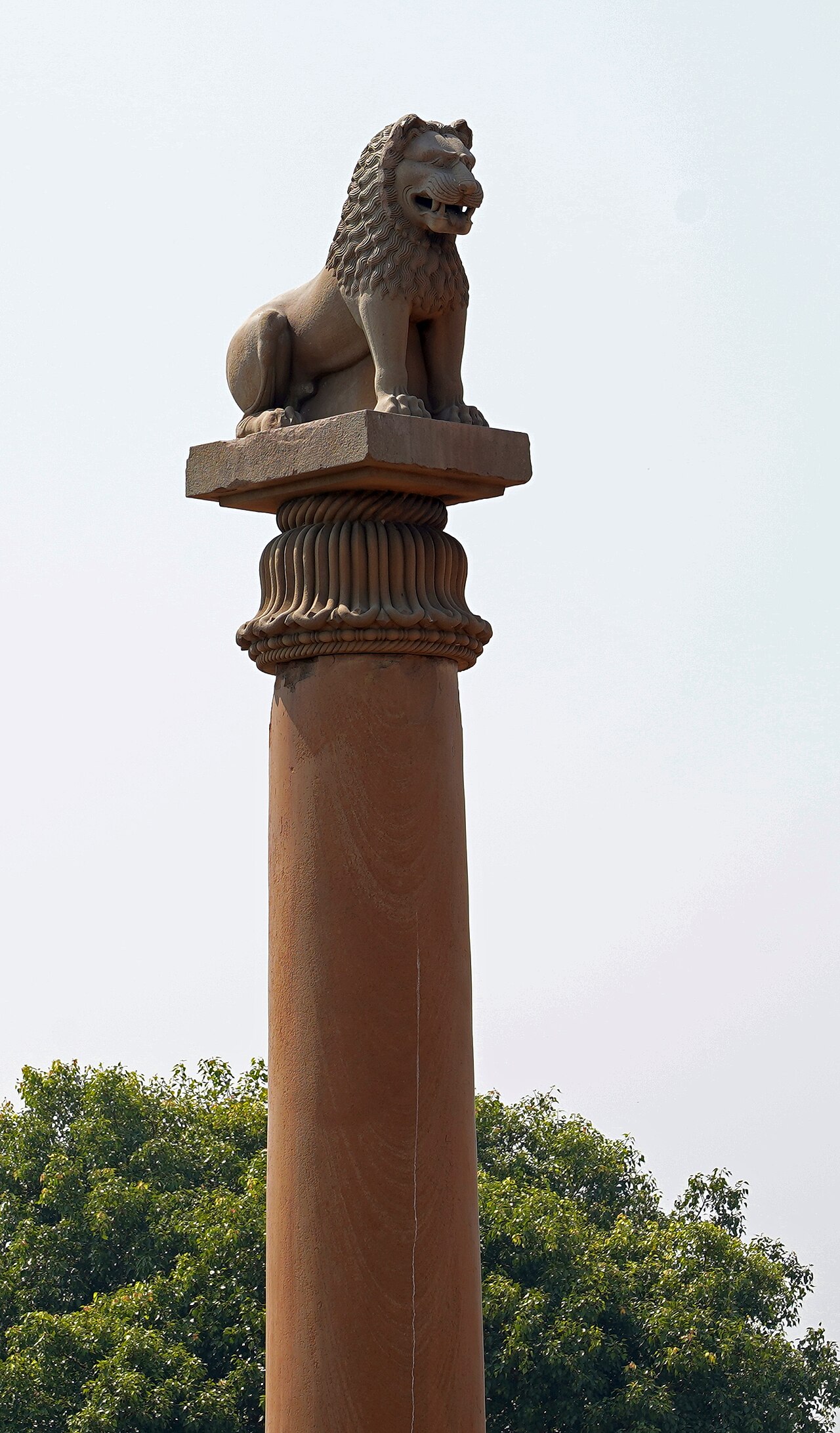
Lion Capital of Ashoka
Commissioned by Ashoka · c. 250 BCE
 Artifact
Secondary source
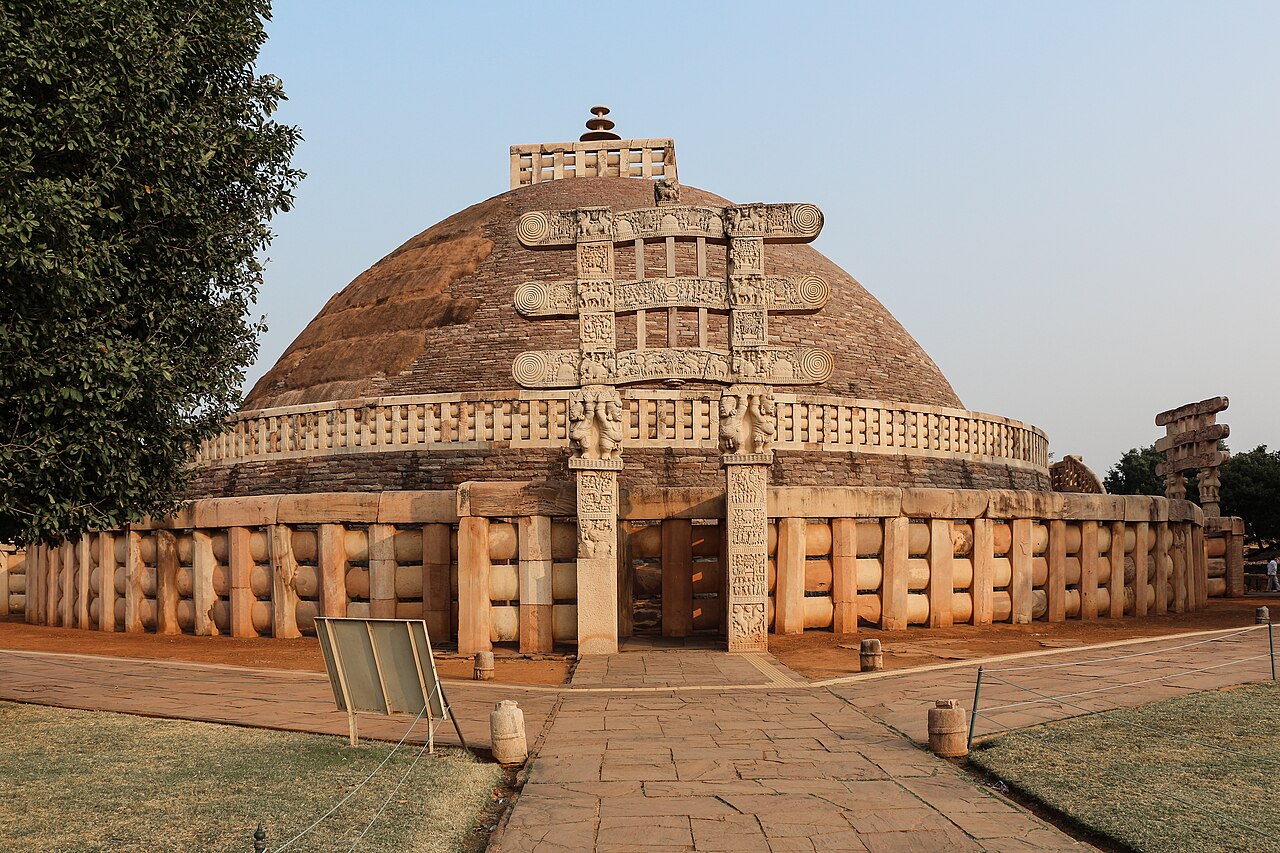
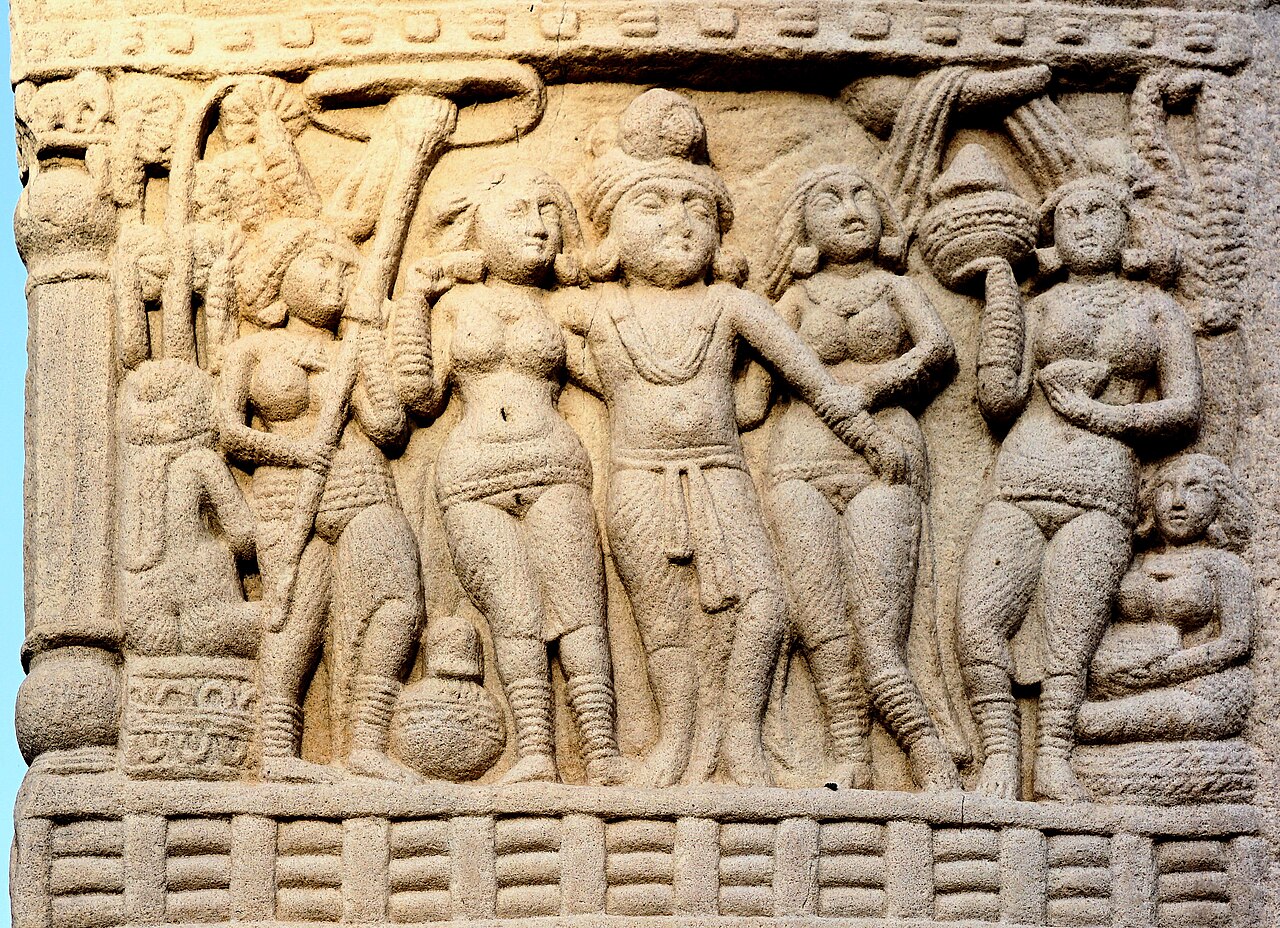
Sanchi Stupa
Commissioned by Ashoka · 3rd century BCE onward
 Document
Primary source
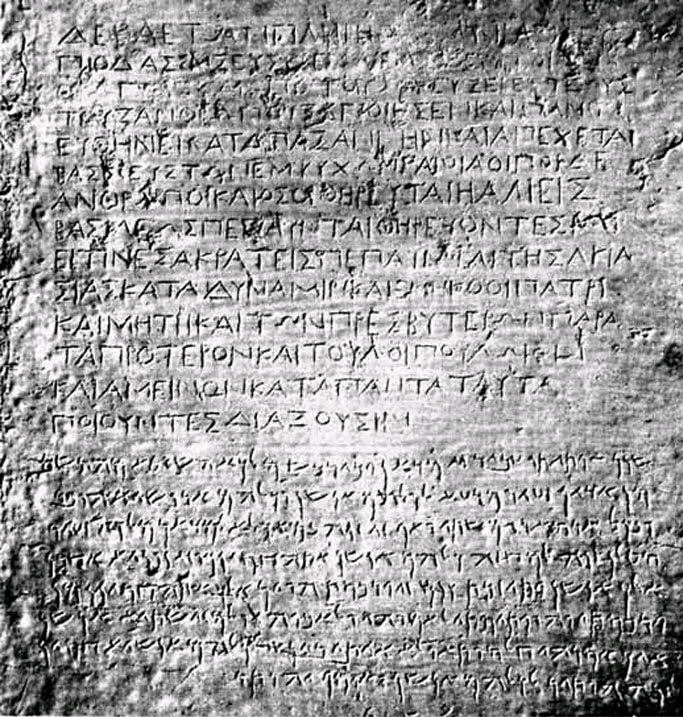
Kandahar Bilingual Rock Inscription
Ashoka · c. 260 BCE
Free account
Read every Ashoka the Great source
Sign up free →
Ready when you are
Start chatting with Ashoka the Great now.
20 messages free · No credit card · Available in 50+ languages.