


Secondary sourceBook100-127 AD
Satires
Juvenal · 100-127 AD
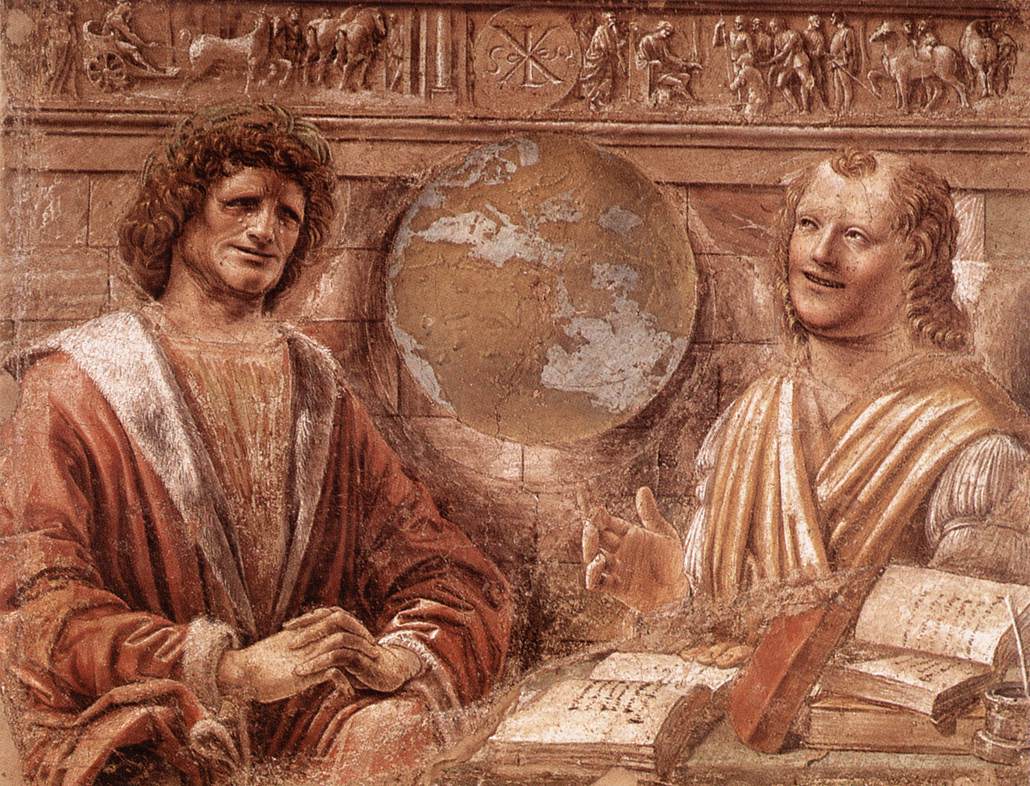
Juvenal's collection of satirical Roman poems, whose portrayal of Democritus as a figure who laughs at human folly helped shape his later image.
Juvenal's satires helped establish Democritus' lasting image as the philosopher who laughed at human folly.
Free Humy account · No credit card · 118,535 sources to read
About this source
What it is
The Satires are a collection of satirical poems written in Latin by the Roman author Juvenal between about 100 and 127 AD. They attack perceived vices and excesses of Roman society in dense, allusive verse, organised into five books of sixteen poems.
Why it matters
Juvenal's writing contributed to the lasting image of Democritus as the philosopher who laughed at human folly rather than weeping over it, a pairing with the "weeping" philosopher Heraclitus that became a fixture of later literature and art. Juvenal's work shows how Roman writers used earlier Greek philosophers as moral reference points for commenting on their own society.
Look closer
- Why might a satirist find the figure of a "laughing philosopher" useful for criticising his own society?
- What does it mean that Democritus is remembered partly through how later writers chose to characterise him?
- How might Juvenal's angry, moralising tone differ from Democritus' own reputed calm and cheerfulness?
This book is part of the curated material that grounds the AI version of Democritus and Gaius Marius on Humy.ai — when students ask about related events, the AI can quote it and cite it.
More Democritus sources
Browse all 93 →

Ready when you are
Start chatting with Democritus now.
20 messages free · No credit card · Available in 50+ languages.