


Secondary sourcePainting1950
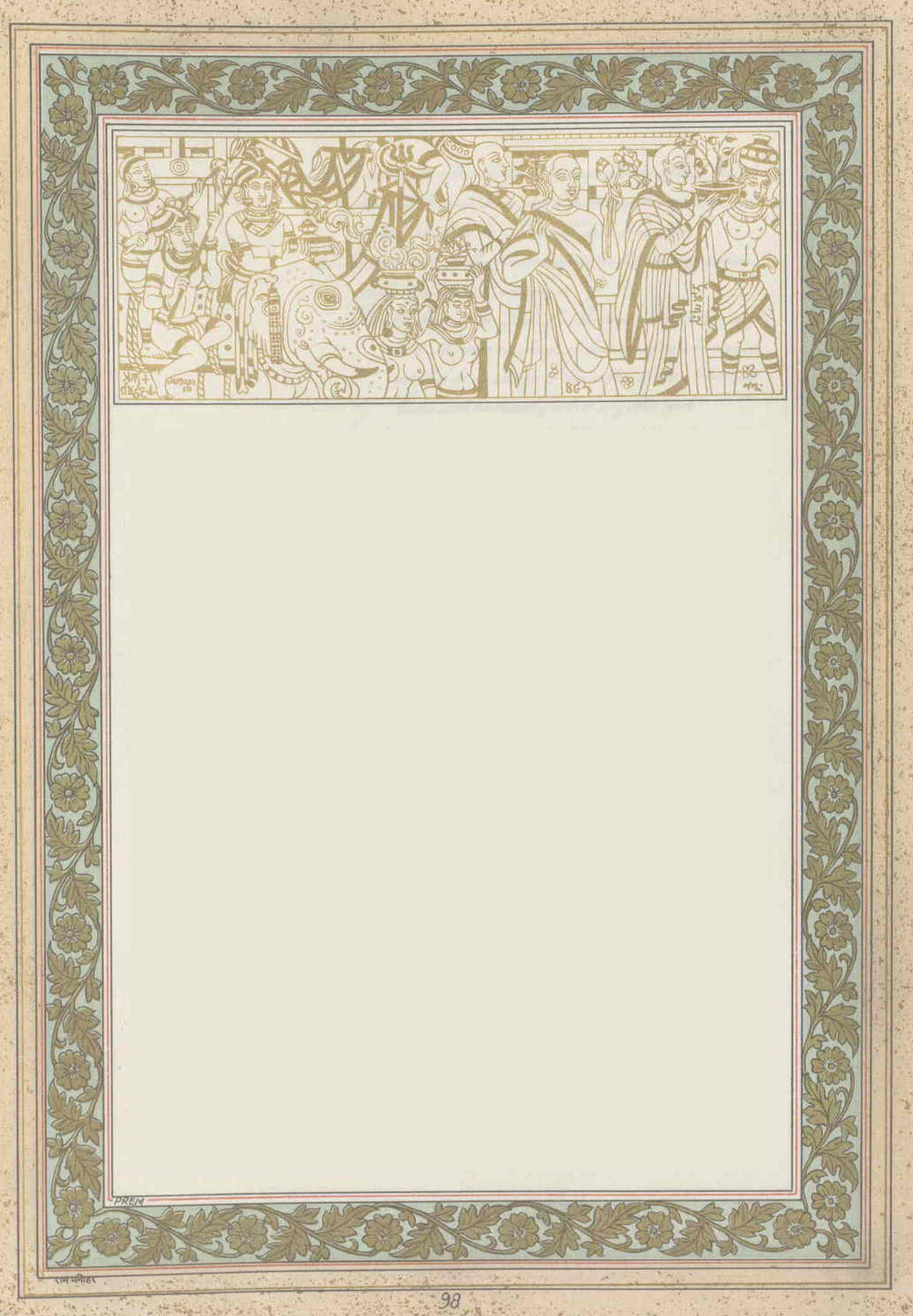
Scene depicting the spread of Buddhism by Emperor Asoka in India and abroad
Nandalal Bose · 1950
Nandalal Bose's 1950 illustration in the Constitution of India depicting the spread of Buddhism under Emperor Ashoka.
This 1950 illustration commemorates Ashoka as a symbol adopted by modern India's founding Constitution.
About this source
What it is
This is an illustrated page from the original calligraphed and illuminated version of the Constitution of India, created in 1950. The page, decorated with a green and gold floral border, includes a line drawing by the artist Nandalal Bose showing a procession-like scene representing the spread of Buddhism by Emperor Ashoka in India and abroad.
Why it matters
This illustration shows how, when India became an independent republic, its founders chose Ashoka as a symbol of unity and moral rule, placing his image inside the nation's founding legal document. It reveals how a 3rd-century BCE emperor was reinterpreted in the 20th century to represent modern Indian identity.
Look closer
- Why might the framers of the Constitution have chosen a scene about Ashoka to decorate this document?
- What does the procession in the drawing suggest about how Bose imagined the spread of Buddhism?
- What is left out of a stylised illustration like this compared to a historical record?
This painting is part of the curated material that grounds the AI version of Ashoka the Great on Humy.ai — when students ask about related events, the AI can quote it and cite it.
More Ashoka the Great sources
Browse all 98 →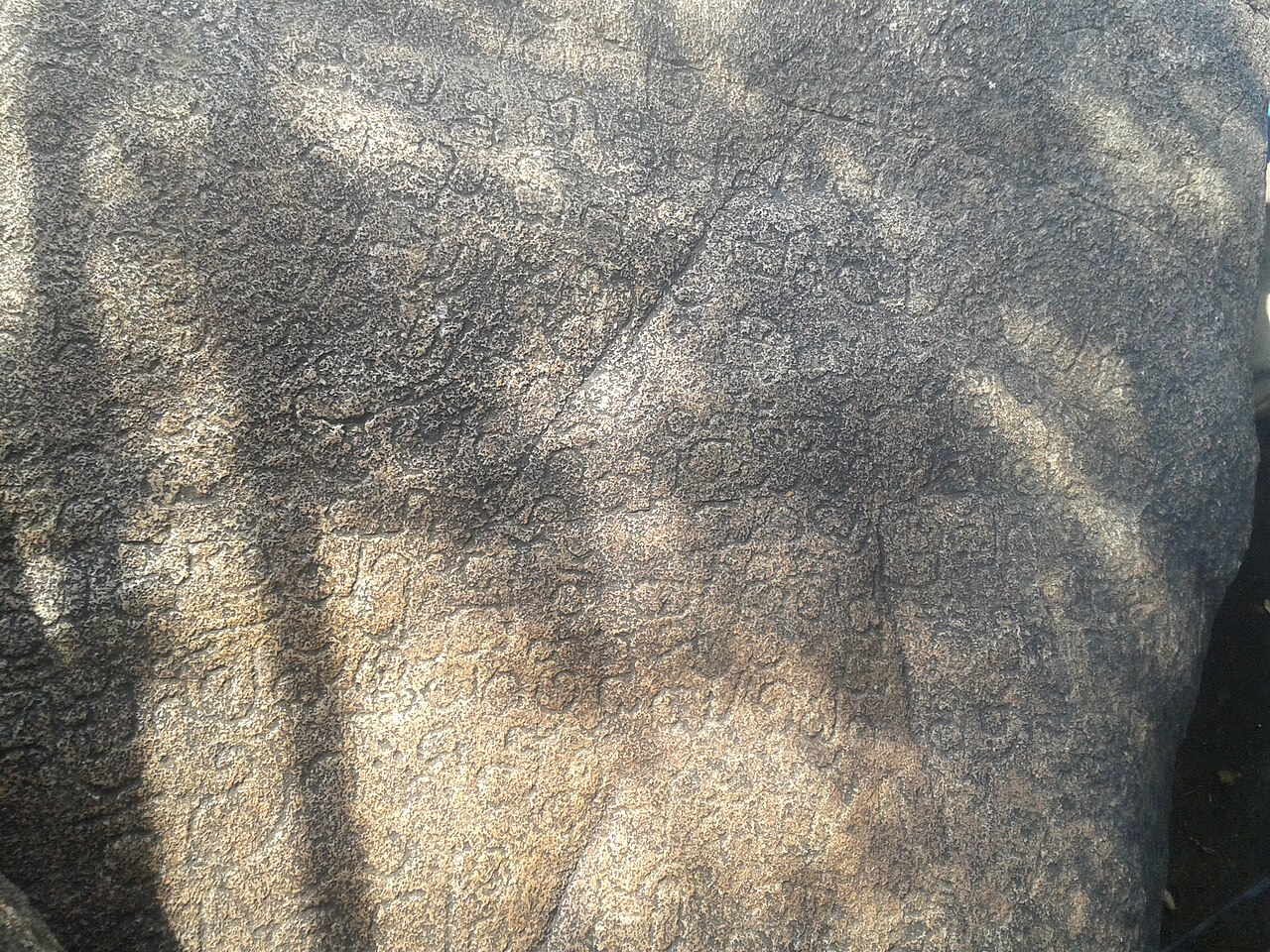 Document
Primary source
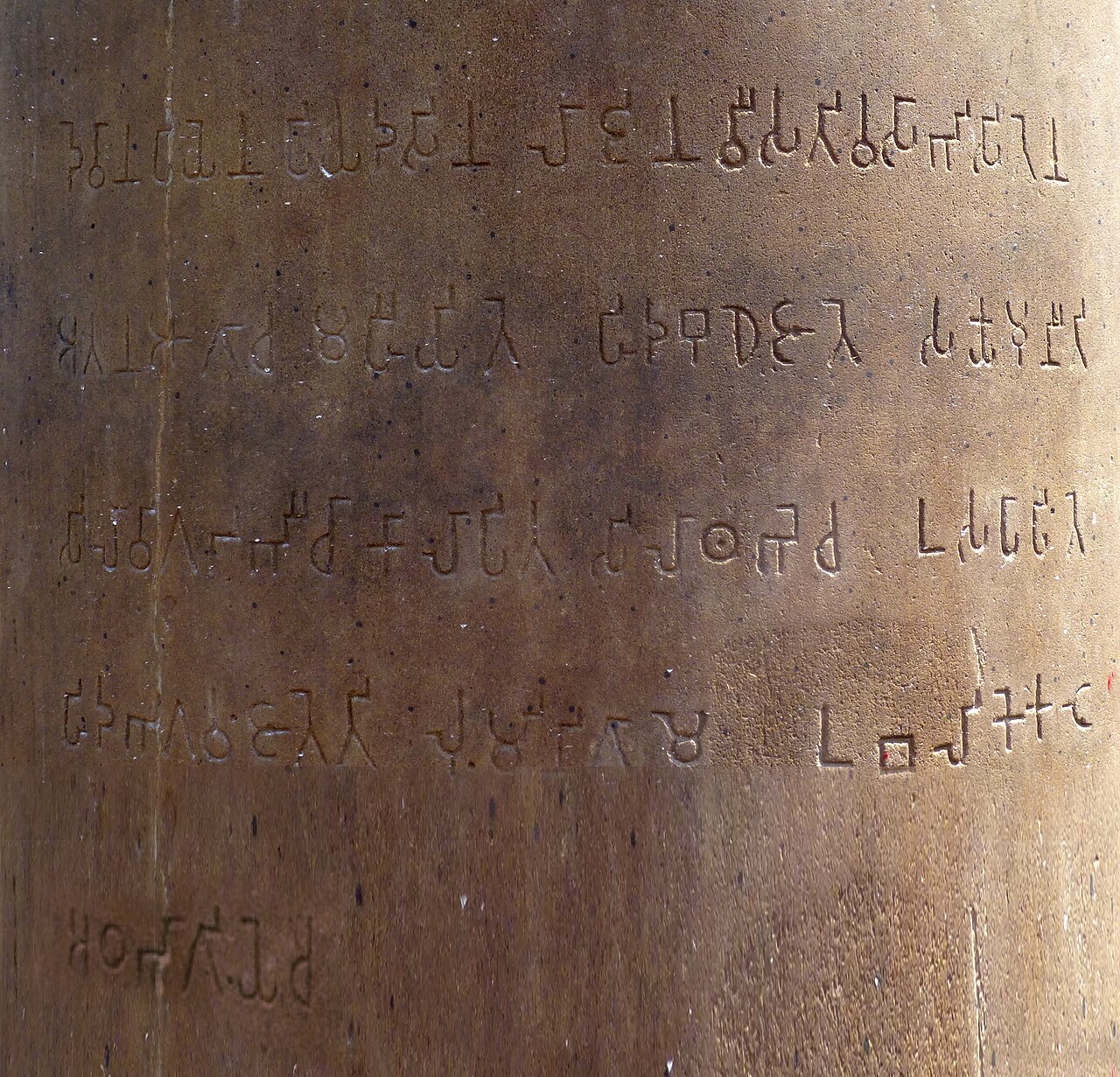
Major Rock Edicts
Ashoka · c. 257 BCE
 Sculpture
Secondary source
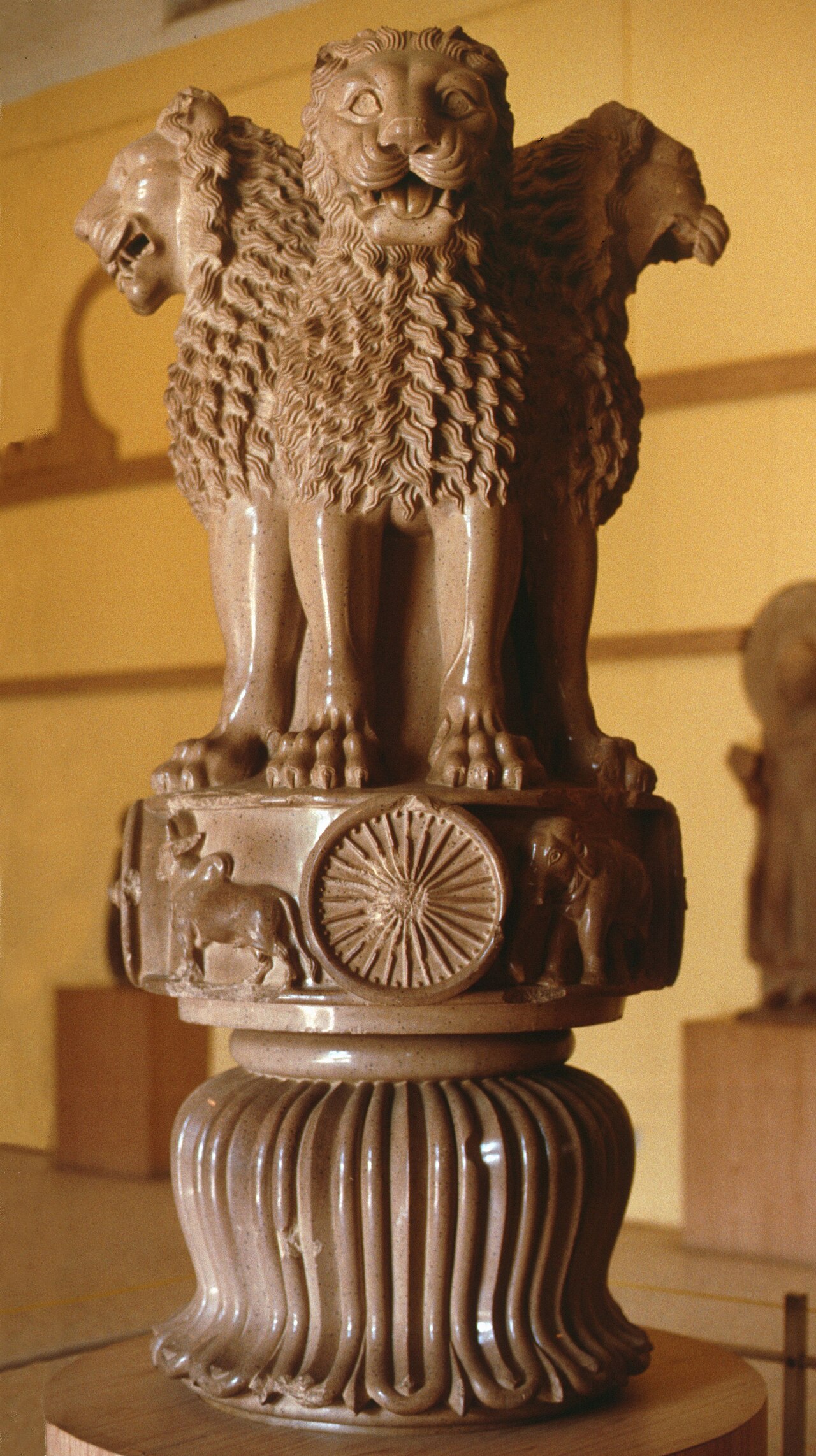
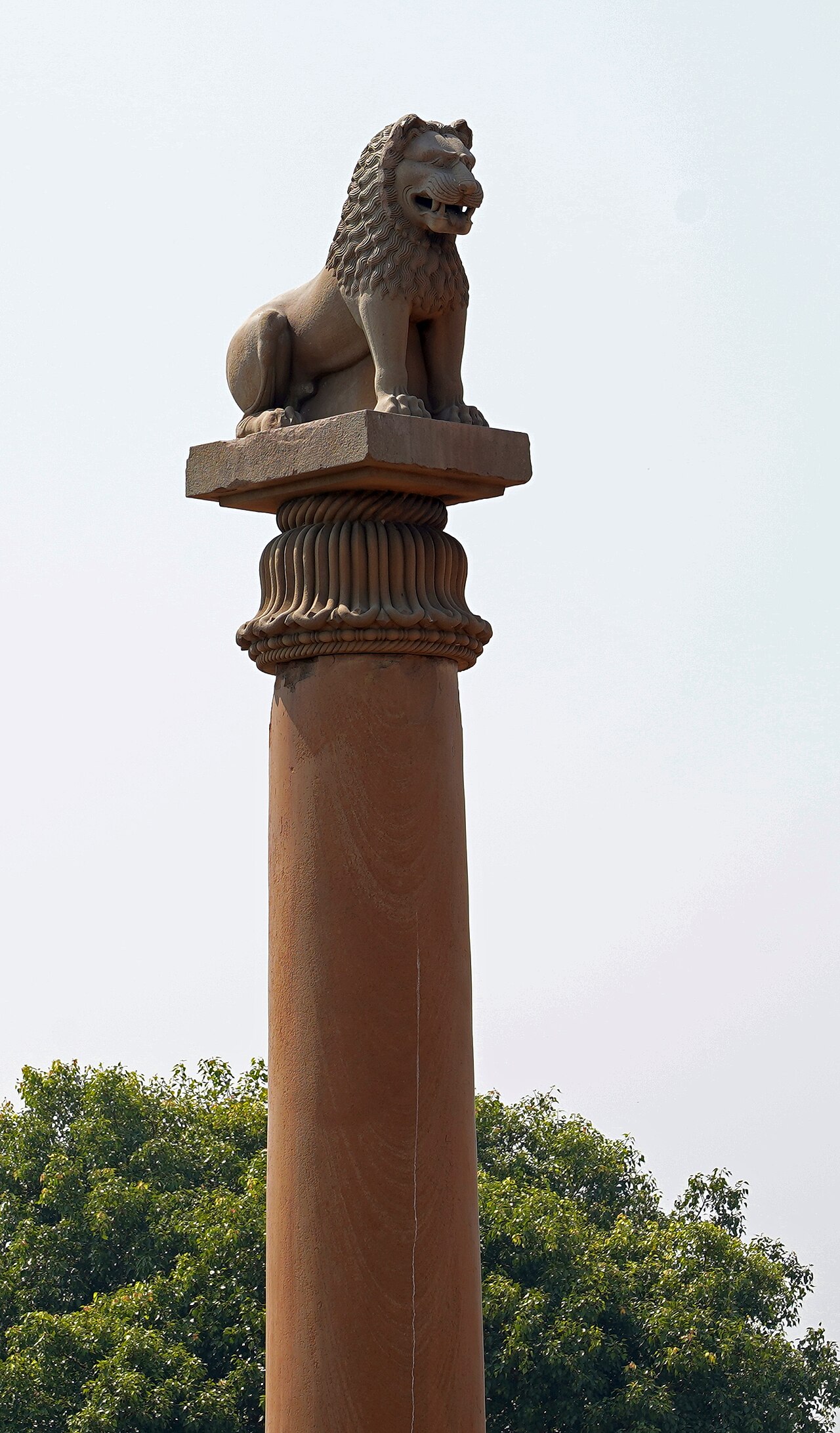
Lion Capital of Ashoka
Commissioned by Ashoka · c. 250 BCE
 Artifact
Secondary source
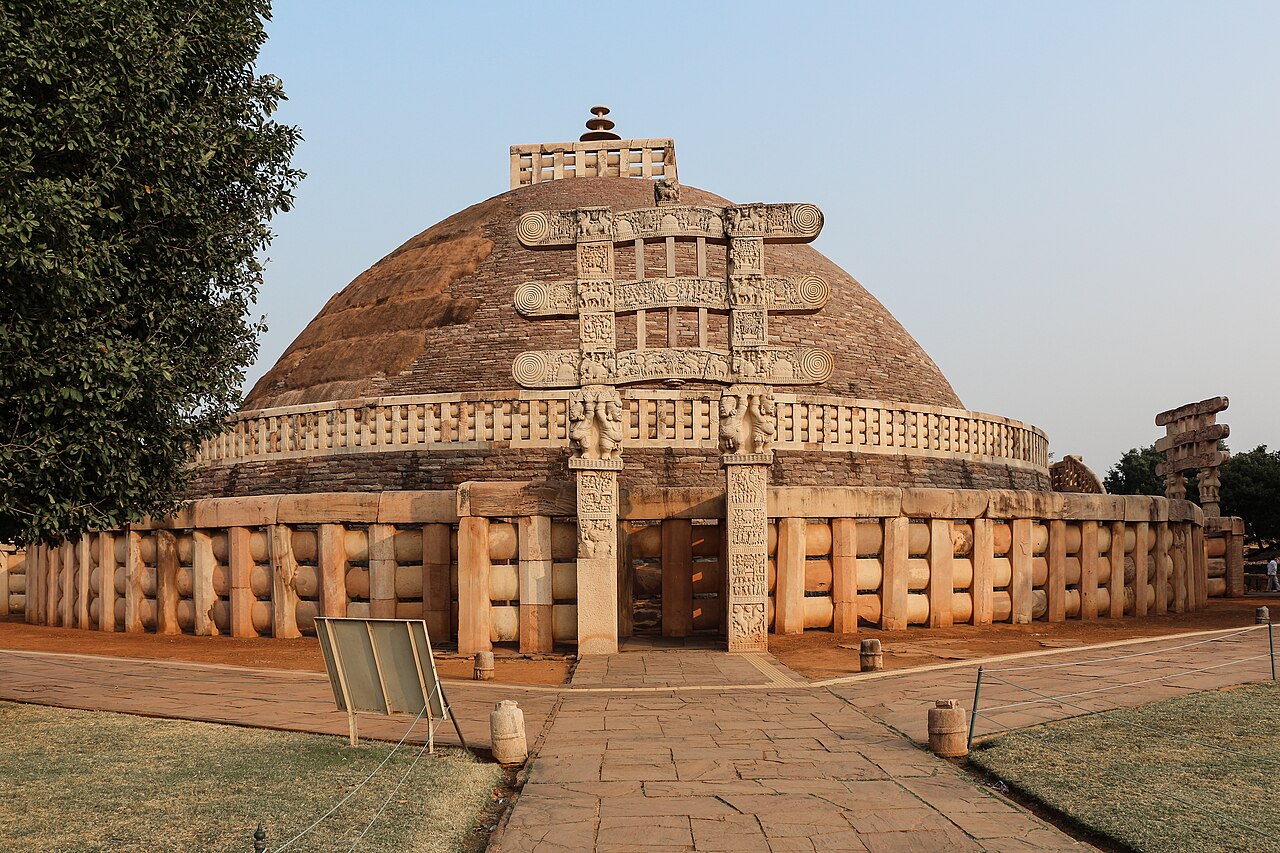
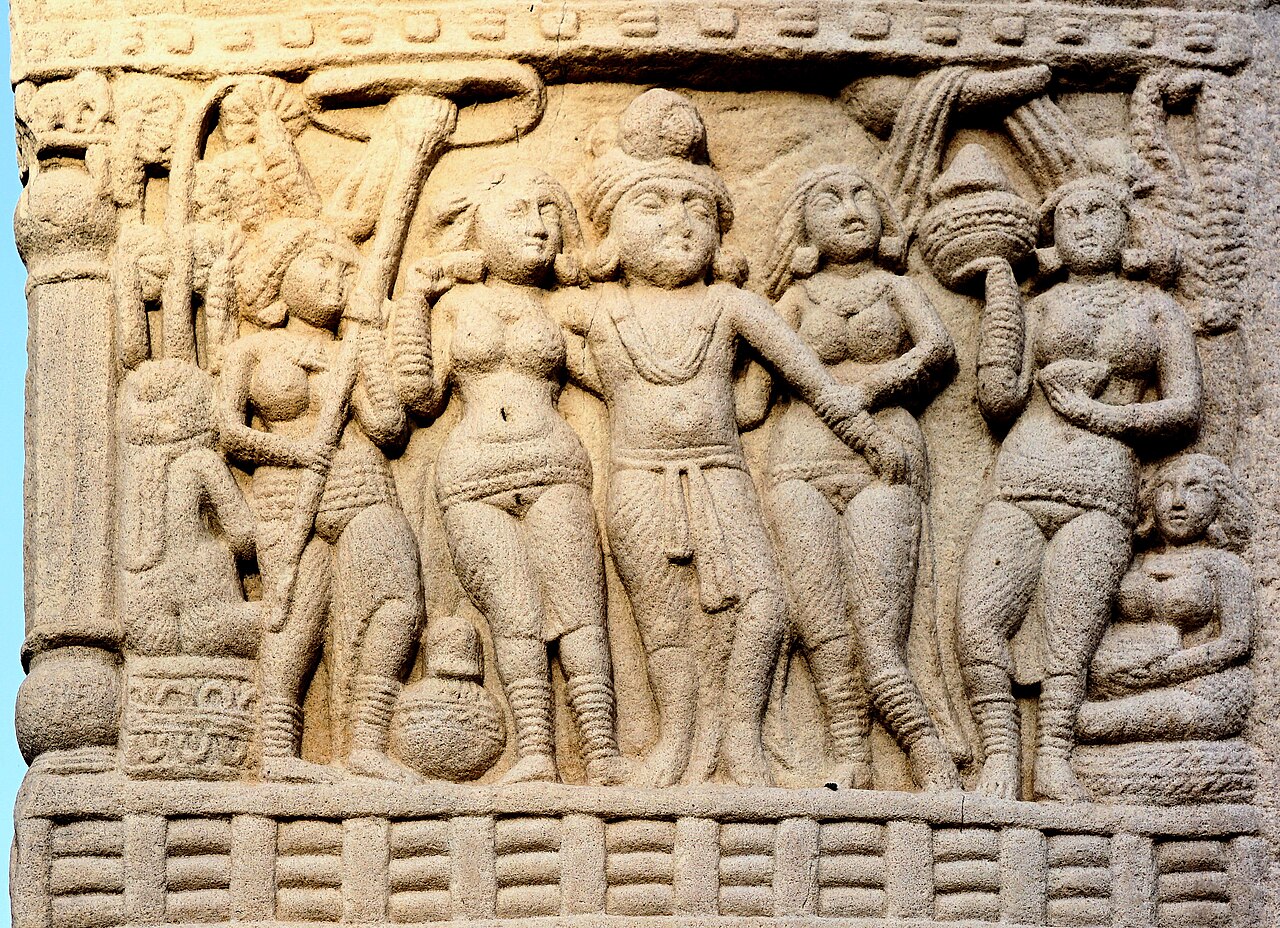
Sanchi Stupa
Commissioned by Ashoka · 3rd century BCE onward
 Document
Primary source
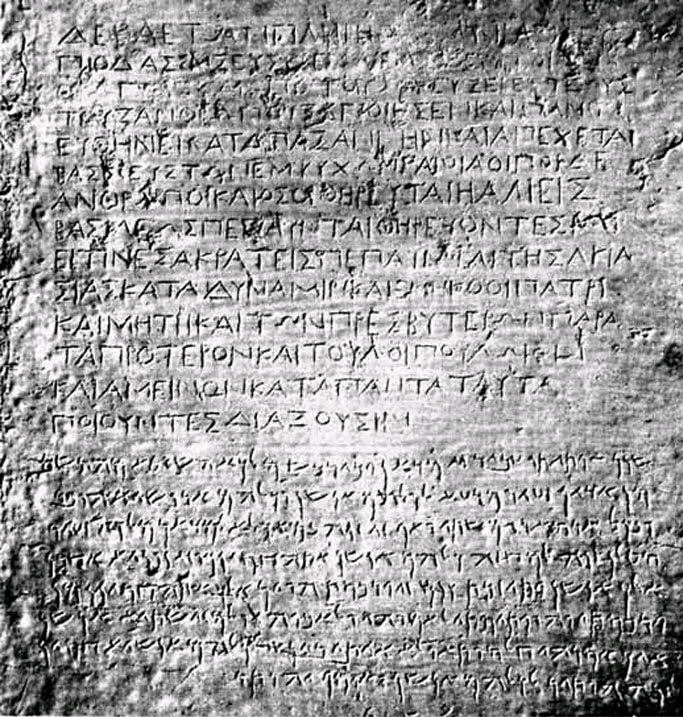
Kandahar Bilingual Rock Inscription
Ashoka · c. 260 BCE
Free account
Read every Ashoka the Great source
Sign up free →
Ready when you are
Start chatting with Ashoka the Great now.
20 messages free · No credit card · Available in 50+ languages.