


Primary sourceDocumentca. 1328-1318 BCE
Seal Impression from Tutankhamun's Embalming Cache
ca. 1328-1318 BCE
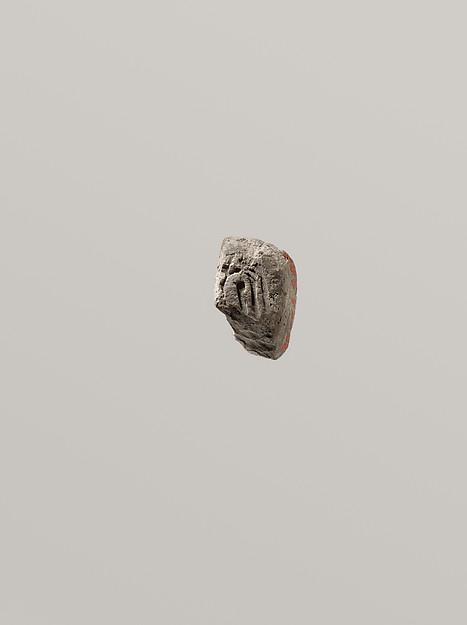
A fragment of mud bearing a seal impression from the burial cache connected to Tutankhamun's embalming materials.
This seal impression comes from the embalming cache connected to Tutankhamun's burial.
About this source
What it is
This small, irregular fragment of mud carries part of a seal impression with incised design lines. It comes from the embalming cache associated with Tutankhamun's reign, dating to around 1328-1318 BCE, and is held by the Metropolitan Museum of Art.
Why it matters
Seals like this were used to mark and secure containers holding materials from the embalming process after a pharaoh's death. Even a small fragment like this helps historians understand the careful rituals surrounding royal burial in ancient Egypt, and how officials controlled and documented sacred materials.
Look closer
- Why would embalming materials need to be sealed?
- What might the design on the seal have represented?
- What does a small fragment like this teach us, even though most of the object is missing?
This document is part of the curated material that grounds the AI version of Tutankhamun on Humy.ai — when students ask about related events, the AI can quote it and cite it.
More Tutankhamun sources
Meet the AI Tutankhamun →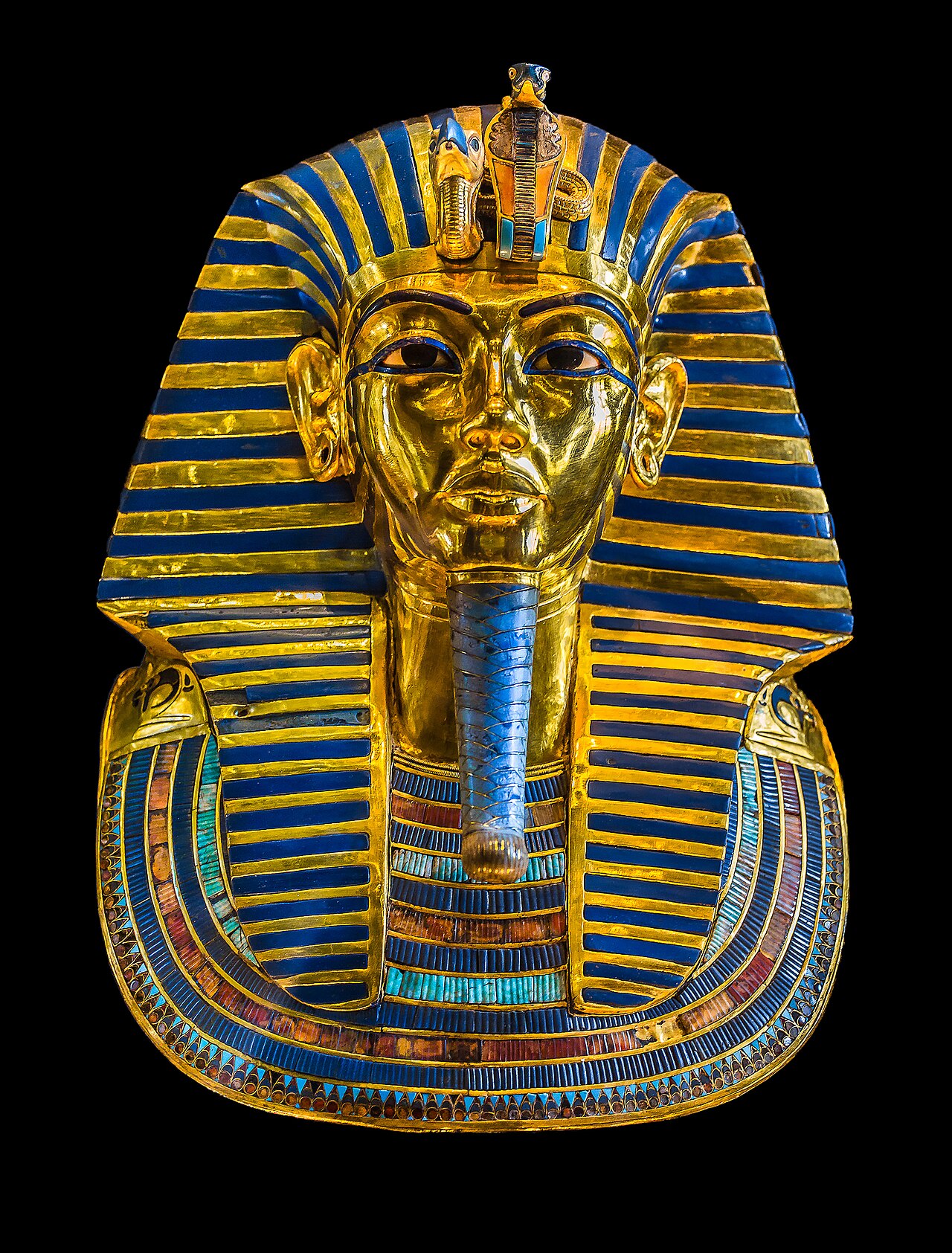 Artifact
Primary source
Mask of Tutankhamun
c. 1333 BCE
 Photograph
Primary source
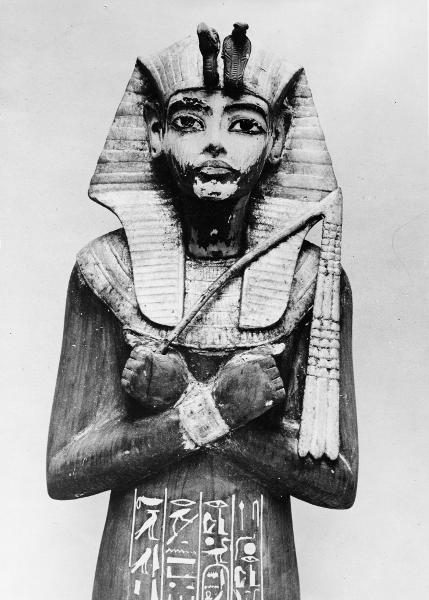
Photograph of Tutankhamun's Shawabti Figure
Harry Burton · 1920s
 Artifact
Primary source
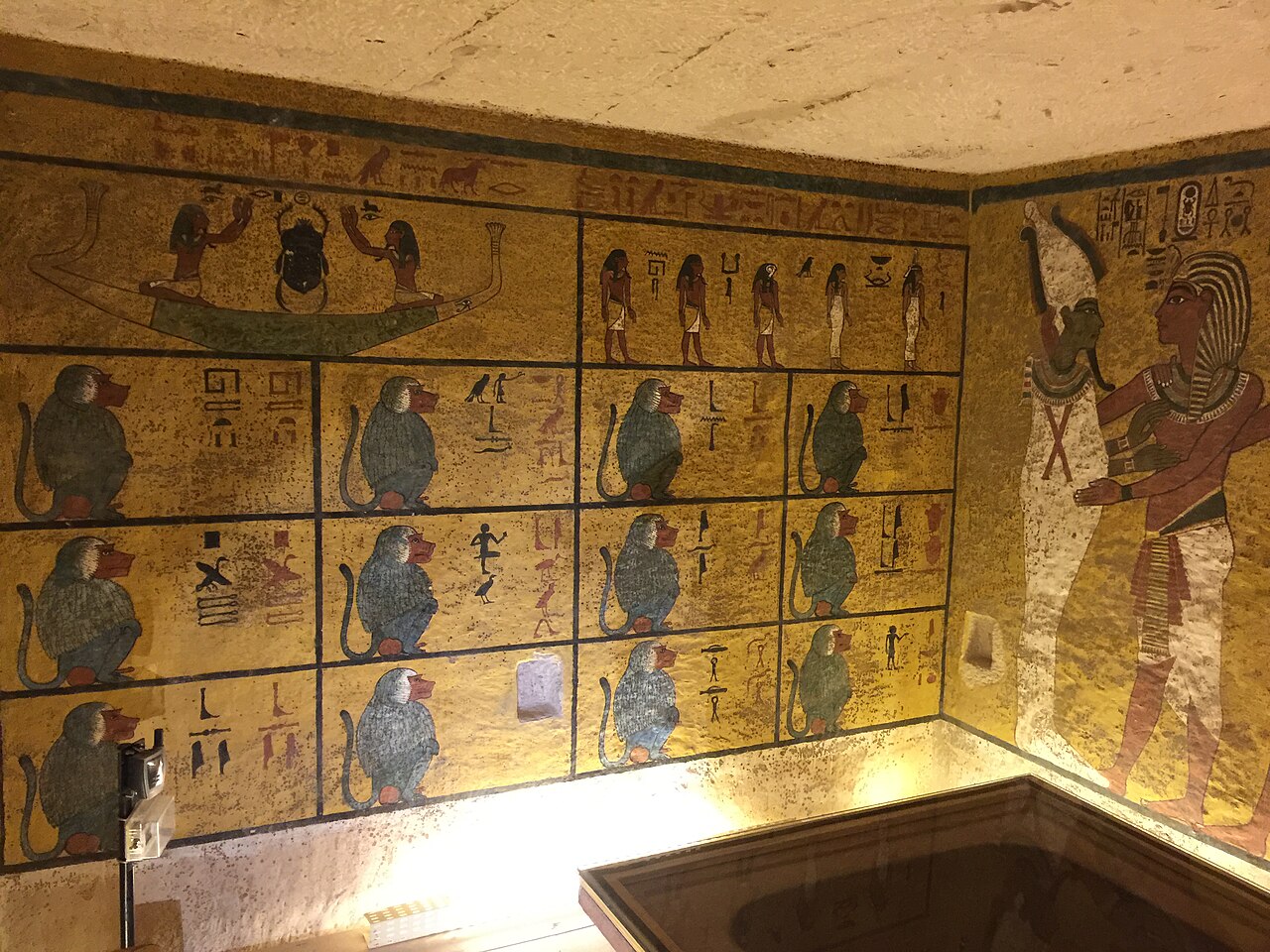
Tomb of Tutankhamun
14th century BCE
 Photograph
Primary source
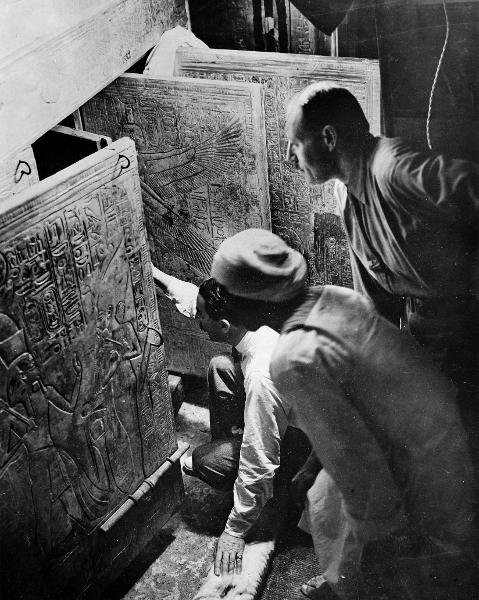
Opening the Doors of the Fourth Shrine in Tutankhamun's Tomb
Harry Burton · 1920s
 Document
Primary source
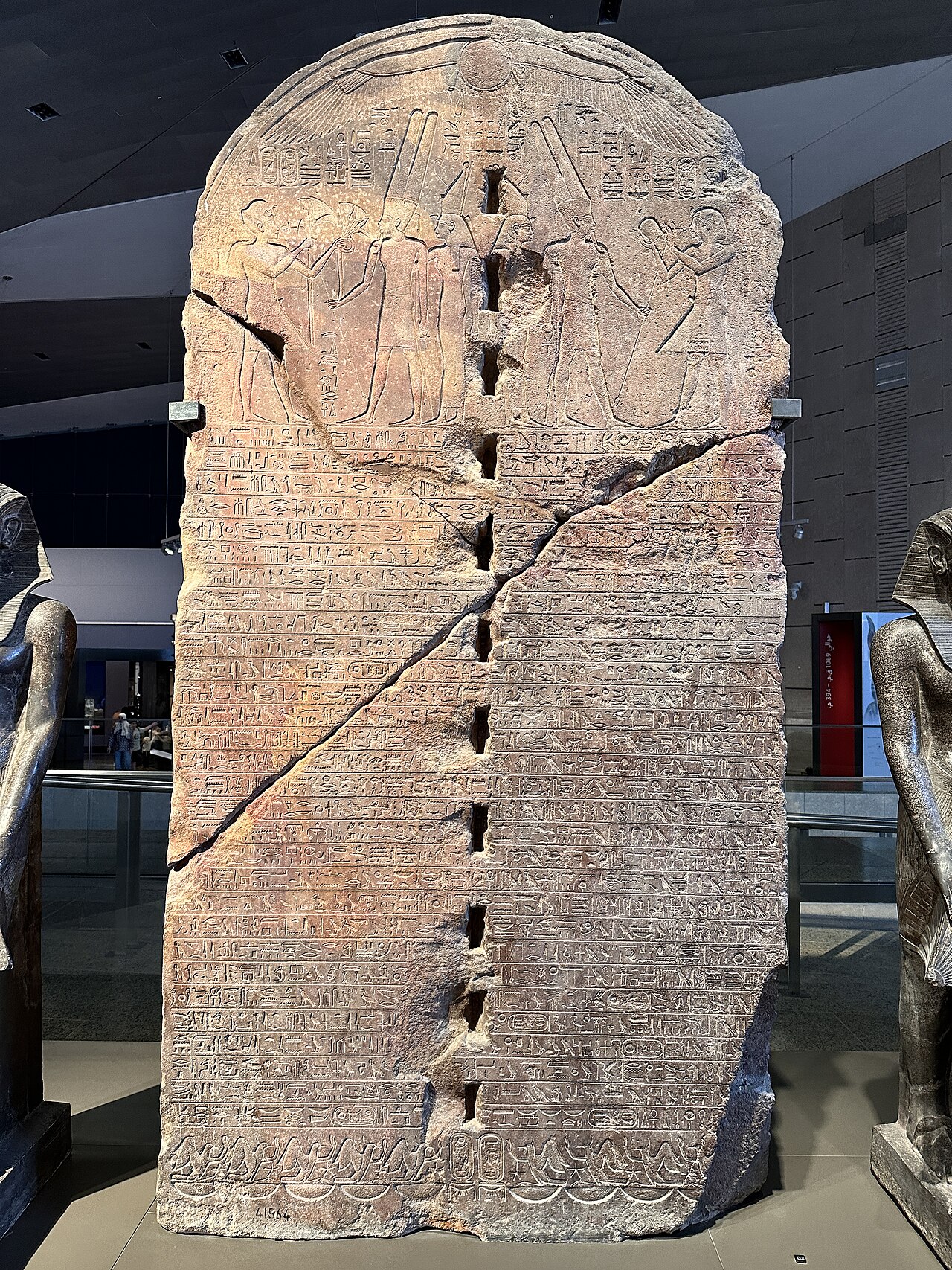
Restoration Stela
Tutankhamun · c. 1326 BCE
Ready when you are
Start chatting with Tutankhamun now.
20 messages free · No credit card · Available in 50+ languages.