


Primary sourcePaintingc. 1796
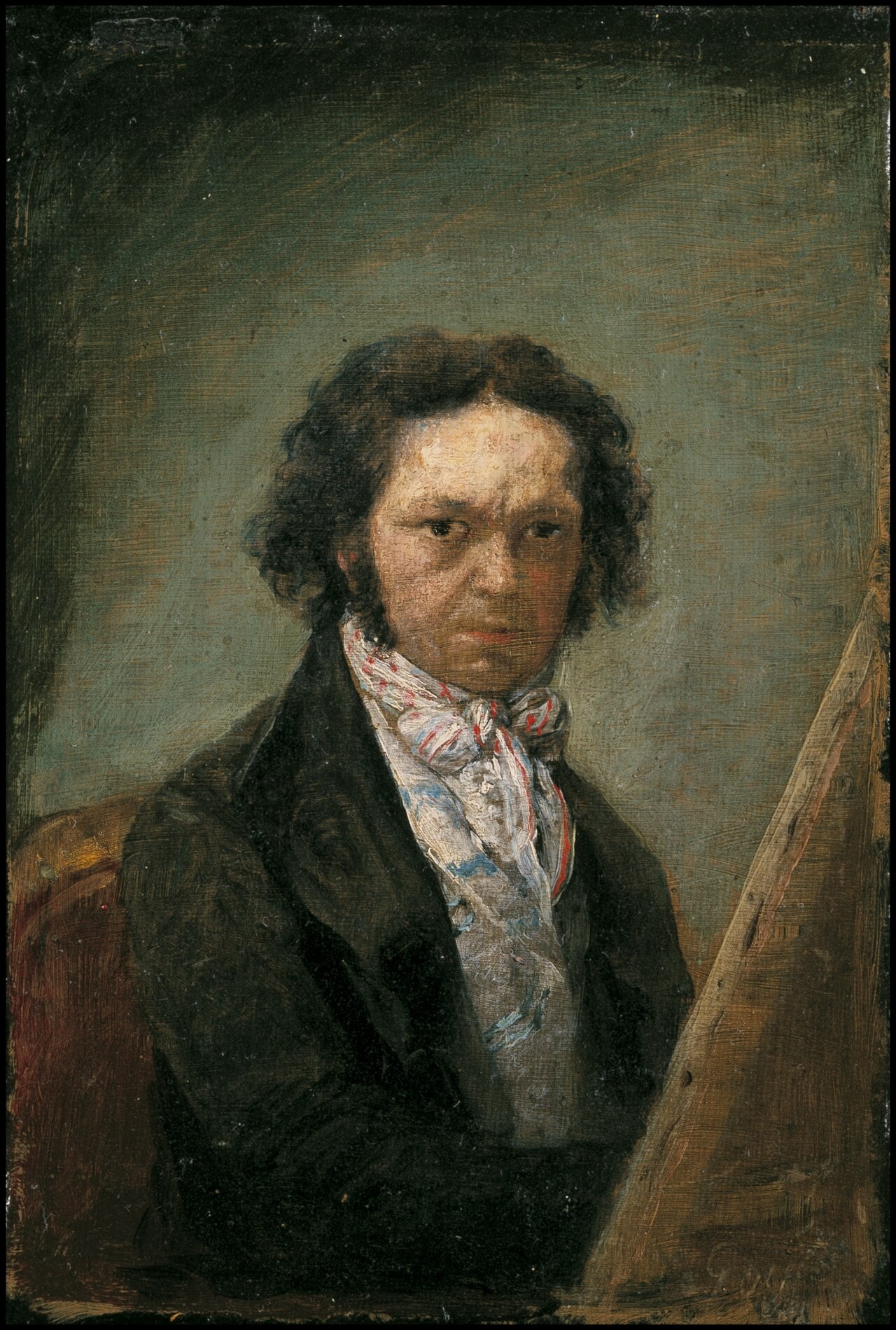
Self-portrait on Linen
Francisco Goya · c. 1796
An oil self-portrait by Francisco Goya, painted around 1796, showing the artist's own face and dress.
Goya painted this likeness of himself, making it direct evidence of how he presented his own face and status.
About this source
What it is
This is an oil painting on linen made by the Spanish painter Francisco Goya around 1796. It shows a man with dark, wavy hair wearing a dark coat and a striped cravat, turned slightly and looking toward the viewer, with the edge of a wooden easel visible in the corner.
Why it matters
Self-portraits let us see how an artist chose to present himself to the world, rather than how someone else saw him. Goya painted many self-portraits across his life, and this one captures him in his fifties, confident and direct in his gaze. It gives historians and students a primary image of Goya made by his own hand.
Look closer
- What does his pose and expression suggest about how he wanted to be seen?
- Why might an artist include a piece of his own easel in a self-portrait?
- What is missing from this image that a written biography might tell you?
This painting is part of the curated material that grounds the AI version of Francisco Goya on Humy.ai — when students ask about related events, the AI can quote it and cite it.
More Francisco Goya sources
Meet the AI Francisco Goya →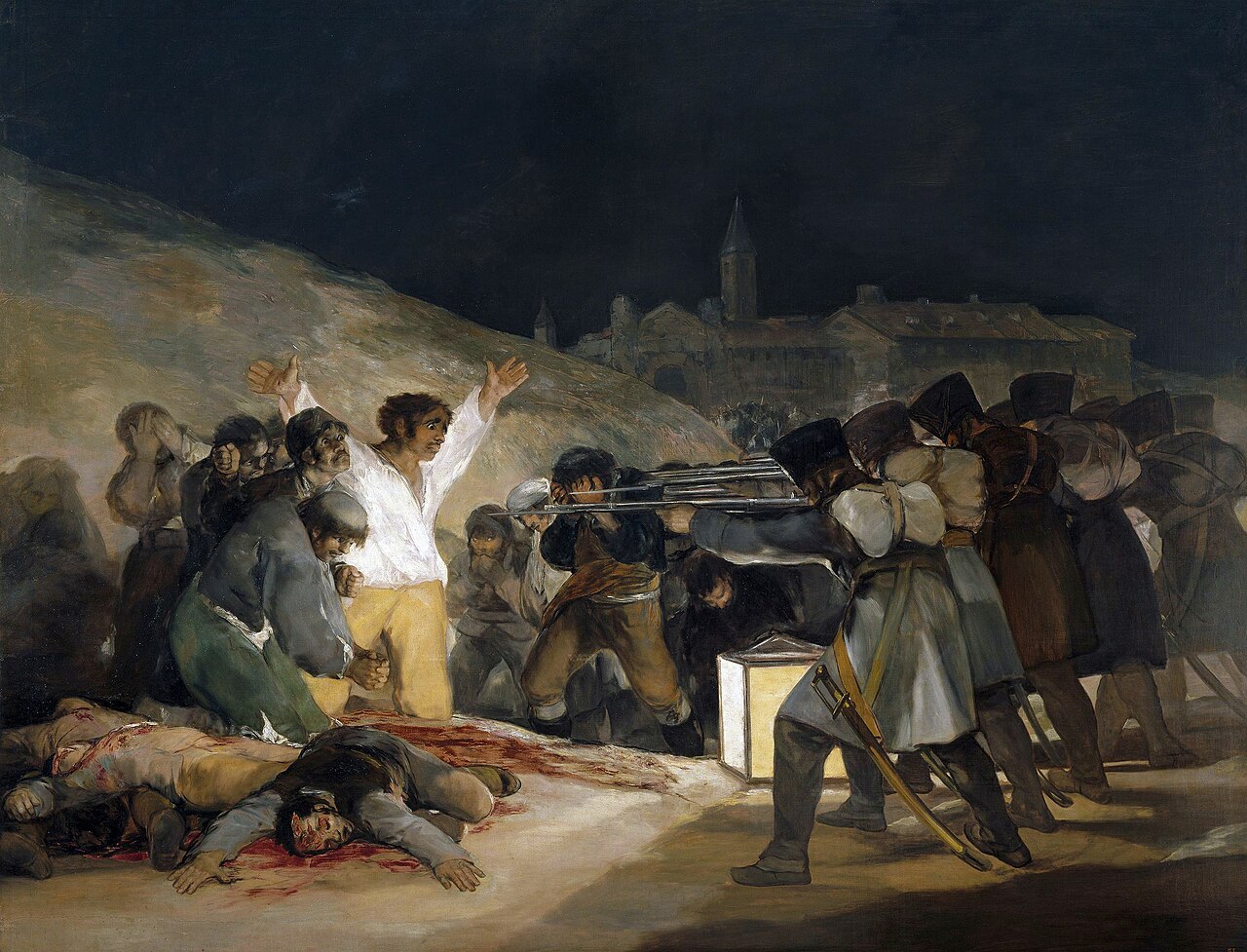 Painting
Secondary source
The Third of May 1808
Francisco Goya · 1814
 Painting
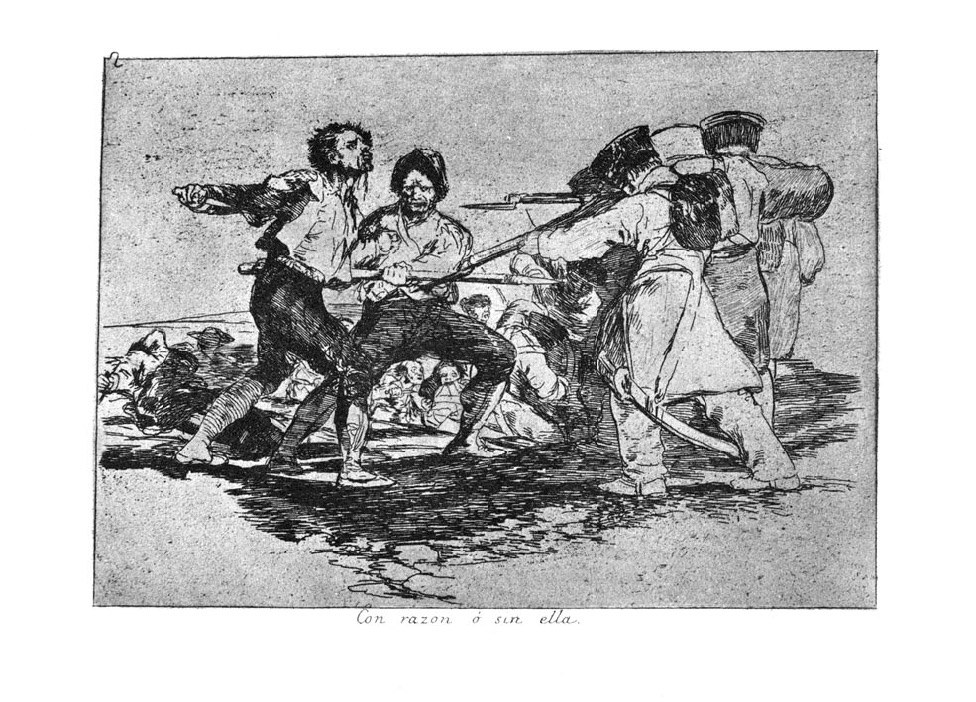
Primary source
The Disasters of War
Francisco Goya · 1810-1820
 Painting
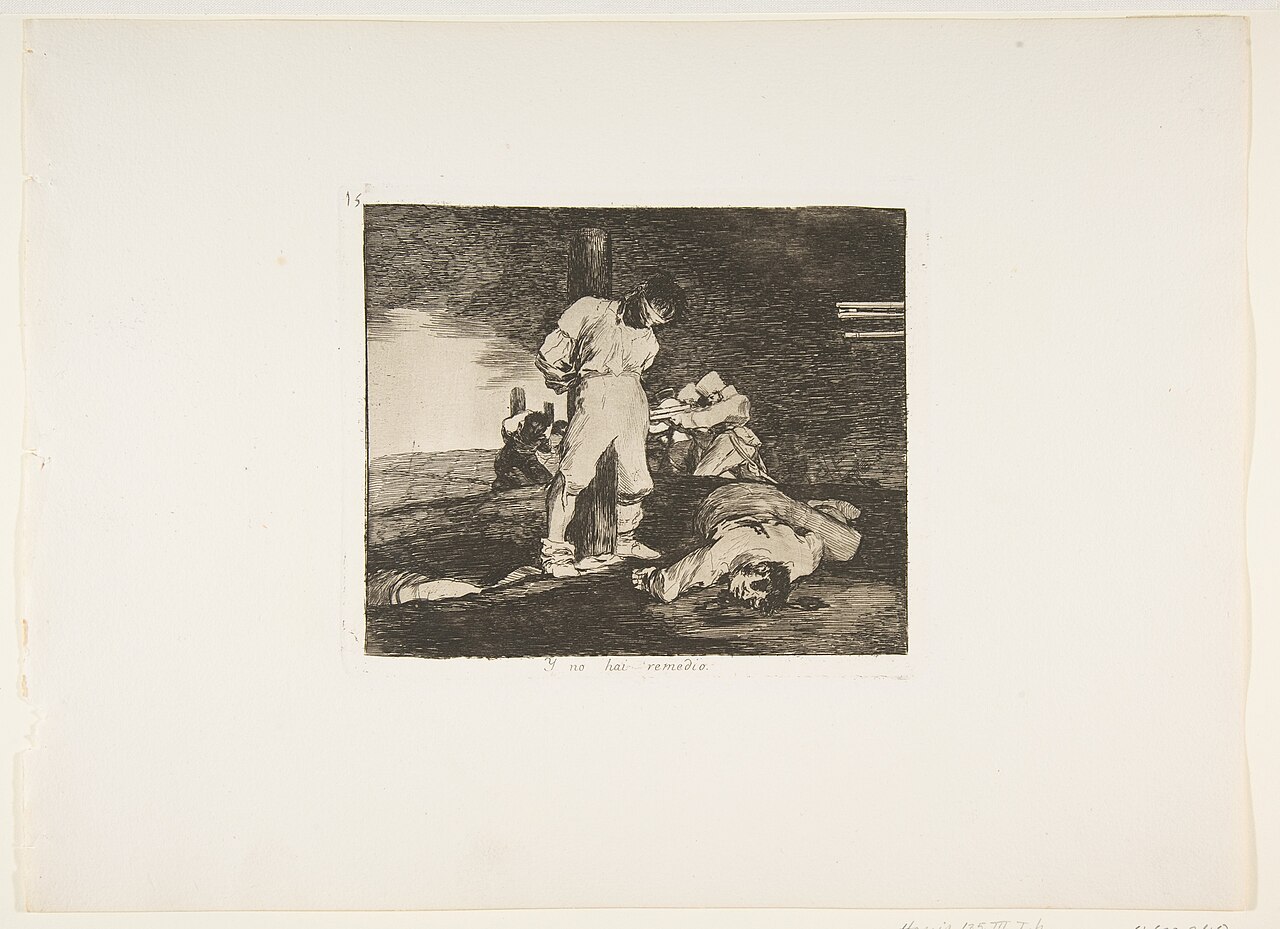
Primary source
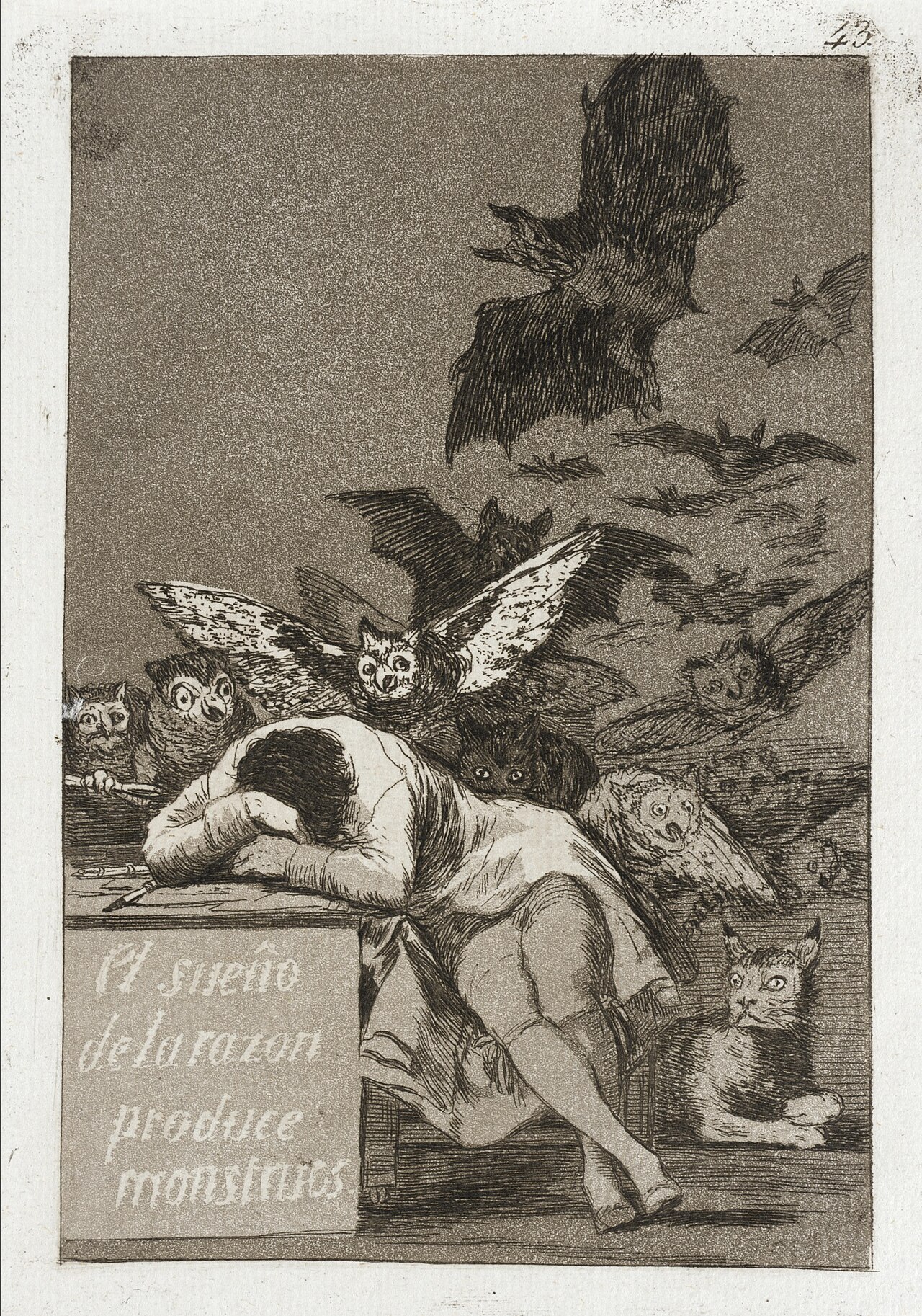
Y no hai remedio
Francisco de Goya · c. 1810-1814 (published 1863)
 Painting
Primary source
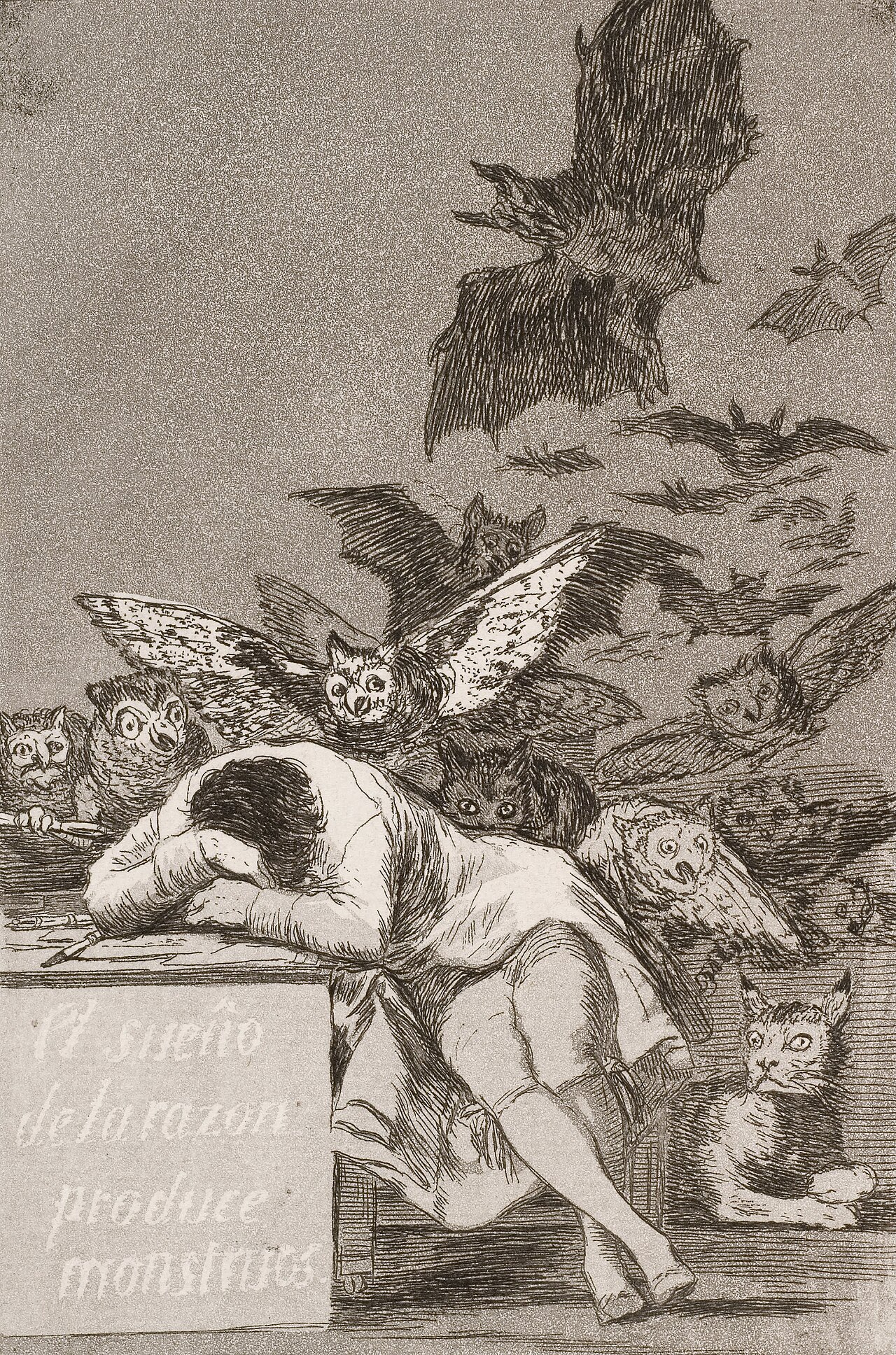
Caprichos
Francisco Goya · 1799 (created 1797-1798)
 Painting
Primary source
The Sleep of Reason Produces Monsters
Francisco Goya · 1797-1799
Ready when you are
Start chatting with Francisco Goya now.
20 messages free · No credit card · Available in 50+ languages.