


Primary sourcePainting1820
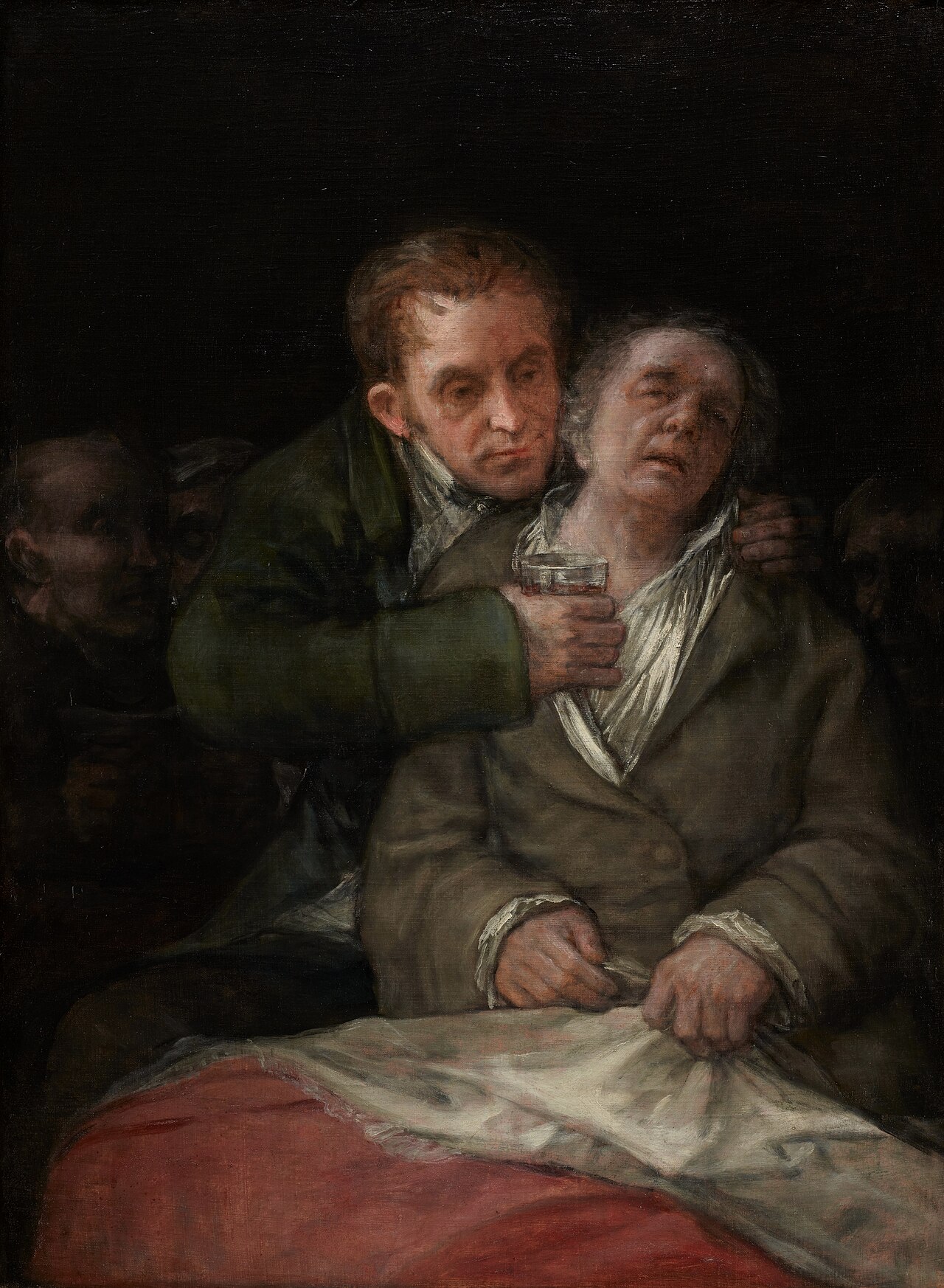
Self-Portrait with Dr Arrieta
Francisco Goya · 1820
Goya's painting of himself gravely ill, supported by the doctor who saved his life in 1819, made as a gift of gratitude.
Goya painted himself here, gravely ill, as a personal gift of thanks to the doctor who saved his life.
About this source
What it is
Francisco Goya painted this oil-on-canvas work in 1820, showing himself weak and ill, supported by his physician Eugenio García Arrieta. An inscription below the figures explains that Goya made it in gratitude to Arrieta for saving his life during a dangerous illness at the end of 1819. The painting is now held by the Minneapolis Institute of Art.
Why it matters
Goya gave this painting to Arrieta as a personal gift, not a commission, making it an unusually direct and intimate testimony in both image and written word. Scholars see it as resembling a religious ex-voto, but turned secular: instead of thanking God, Goya thanks a doctor and medicine for his survival. It shows Goya's vulnerability in old age and his personal relationship with the man who treated him.
Look closer
- What does the inscription add that the image alone could not tell us?
- How do the colours and poses of Goya and Arrieta show their different states of health?
- Why might Goya have chosen to paint this scene instead of writing a letter of thanks?
This painting is part of the curated material that grounds the AI version of Francisco Goya on Humy.ai — when students ask about related events, the AI can quote it and cite it.
More Francisco Goya sources
Meet the AI Francisco Goya →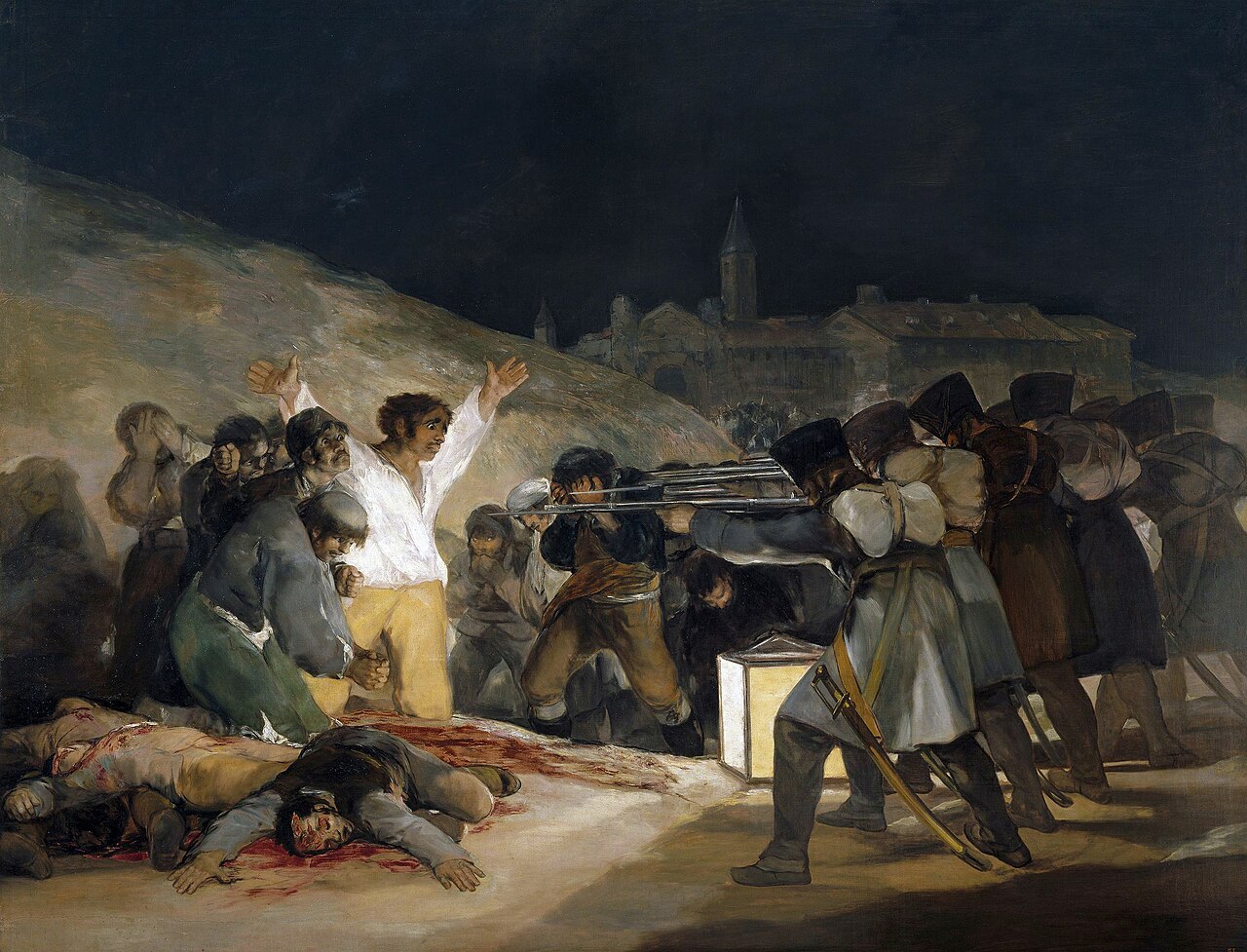 Painting
Secondary source
The Third of May 1808
Francisco Goya · 1814
 Painting
Primary source
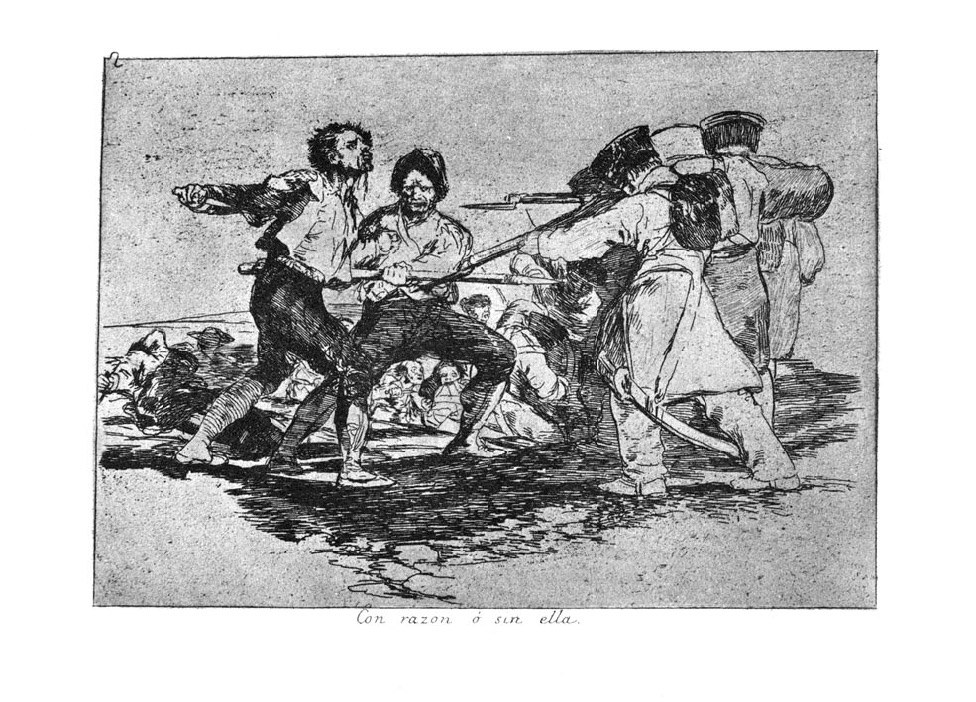
The Disasters of War
Francisco Goya · 1810-1820
 Painting
Primary source
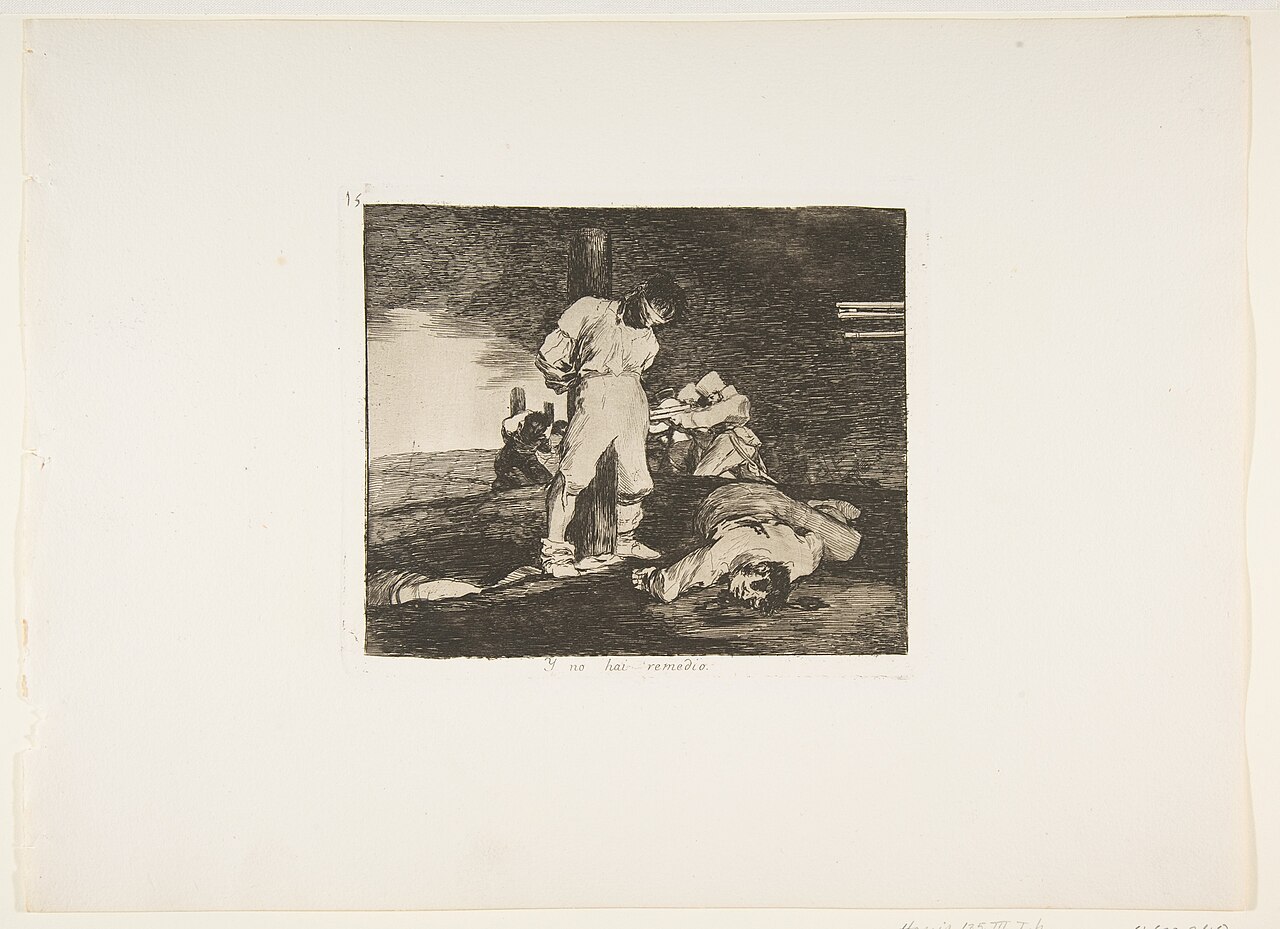
Y no hai remedio
Francisco de Goya · c. 1810-1814 (published 1863)
 Painting
Primary source
Caprichos
Francisco Goya · 1799 (created 1797-1798)
 Painting
Primary source
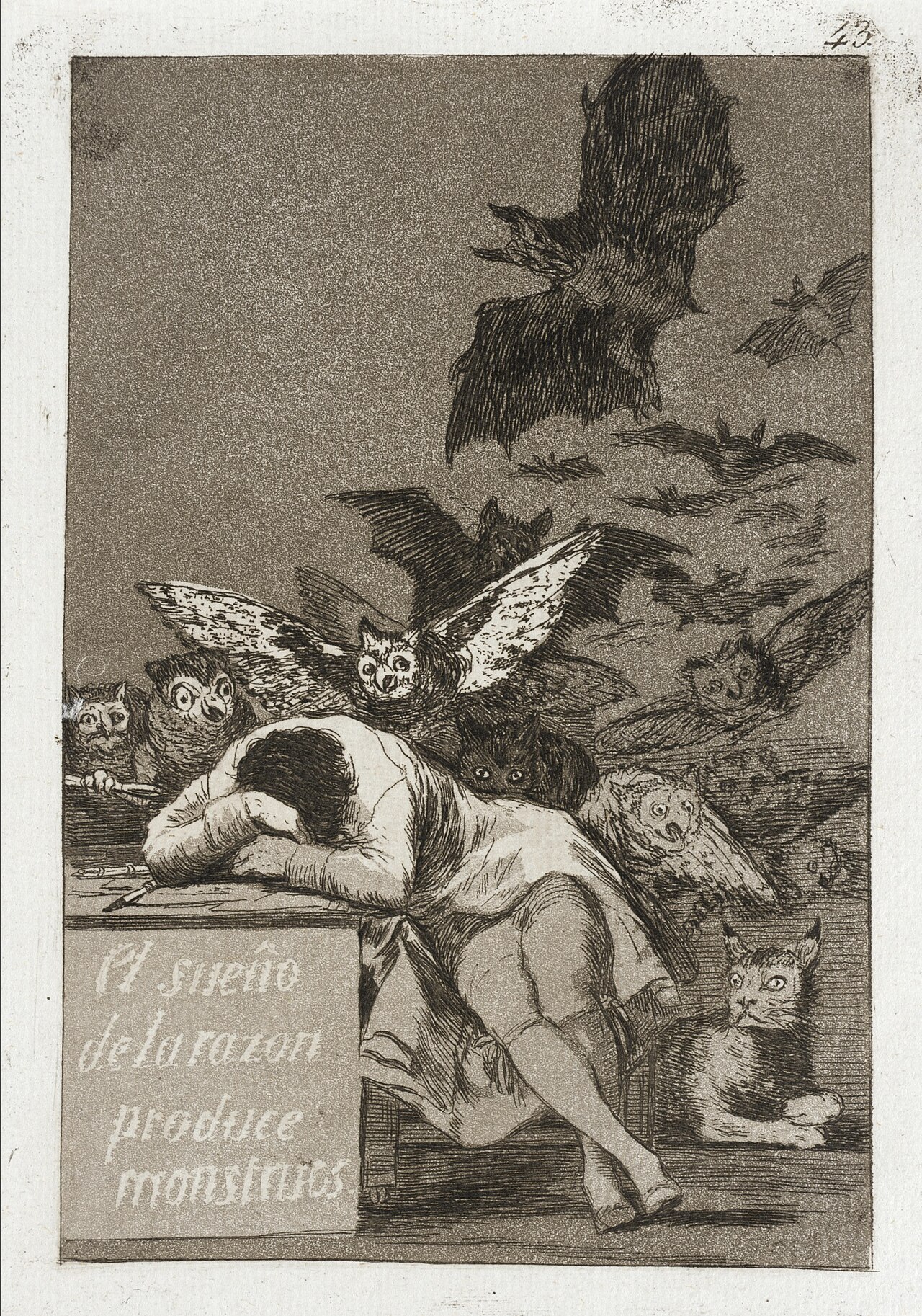
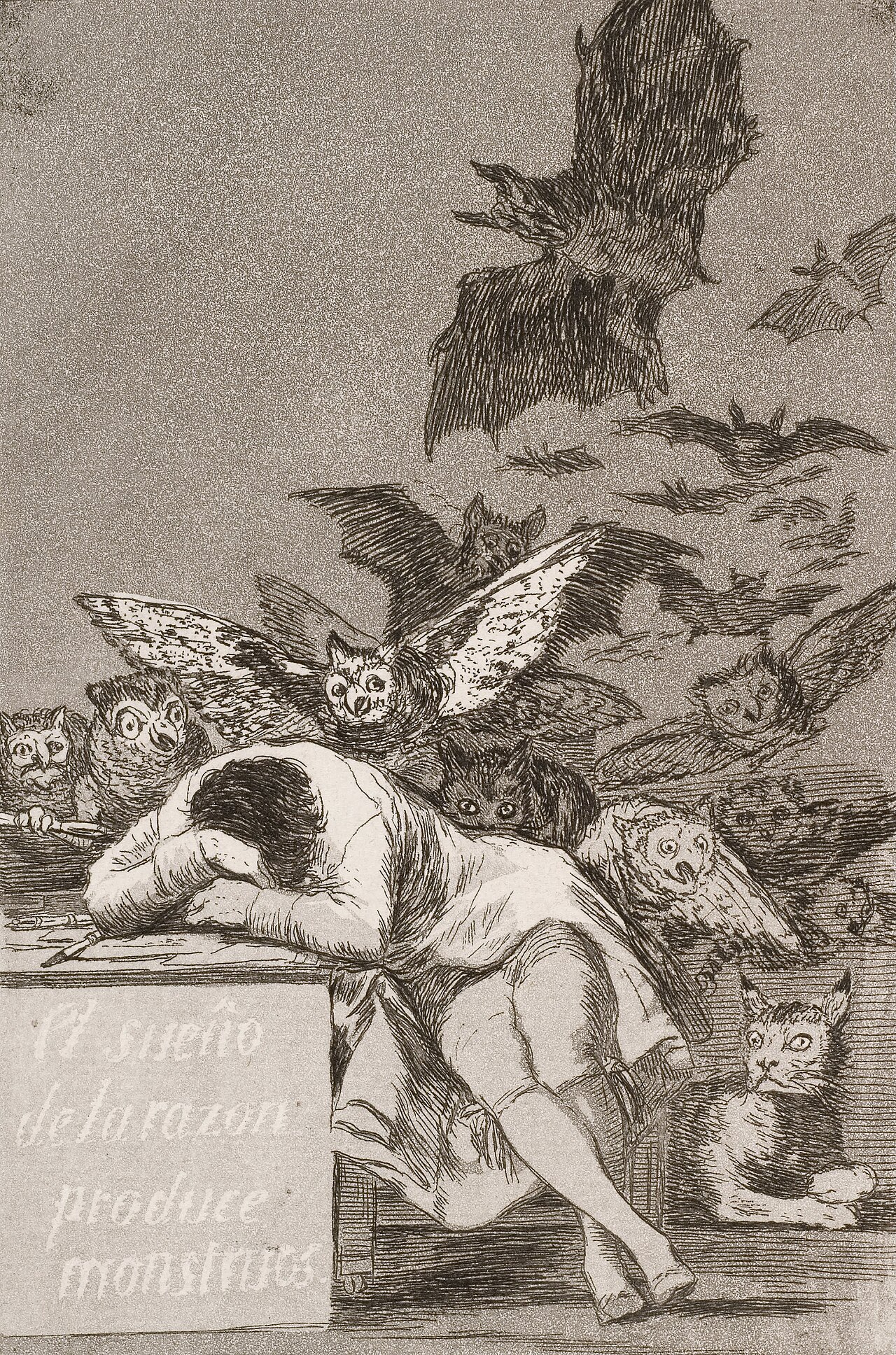
The Sleep of Reason Produces Monsters
Francisco Goya · 1797-1799
Ready when you are
Start chatting with Francisco Goya now.
20 messages free · No credit card · Available in 50+ languages.