


Secondary sourceArtifact14th century BCE
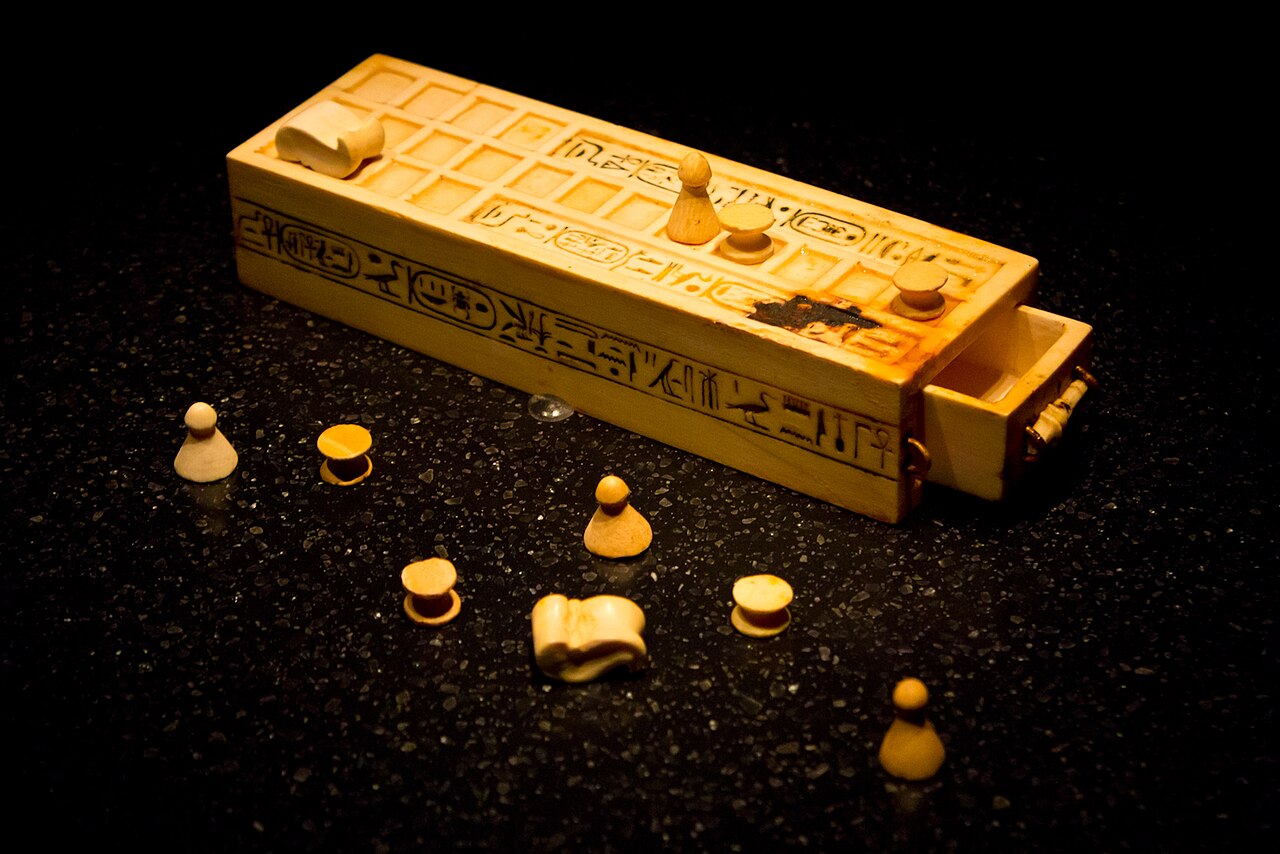
Senet Game Box from Tutankhamun's Tomb
14th century BCE
A game box and pieces found in Tutankhamun's tomb, showing an everyday leisure object buried with the young king.
This game box and its pieces were found buried with Tutankhamun in his tomb.
About this source
What it is
This is a game box with its drawer and playing pieces, found within the intact tomb of Tutankhamun, KV62. It is decorated with hieroglyphic inscriptions and is now part of the Cairo Museum's permanent collection.
Why it matters
Board games were a popular pastime in ancient Egypt, played by people of all classes including royalty. Finding a game box among Tutankhamun's burial goods reminds us that he was a real person with ordinary interests, not just a symbol of power. Objects like this, preserved because the tomb stayed largely undisturbed, give historians rare insight into daily life at the royal court.
Look closer
- What does burying a game with the king suggest about Egyptian beliefs about the afterlife?
- Why might this object have survived so well compared to other ancient items?
- What does this object reveal about Tutankhamun beyond his role as pharaoh?
This artifact is part of the curated material that grounds the AI version of Tutankhamun on Humy.ai — when students ask about related events, the AI can quote it and cite it.
More Tutankhamun sources
Meet the AI Tutankhamun →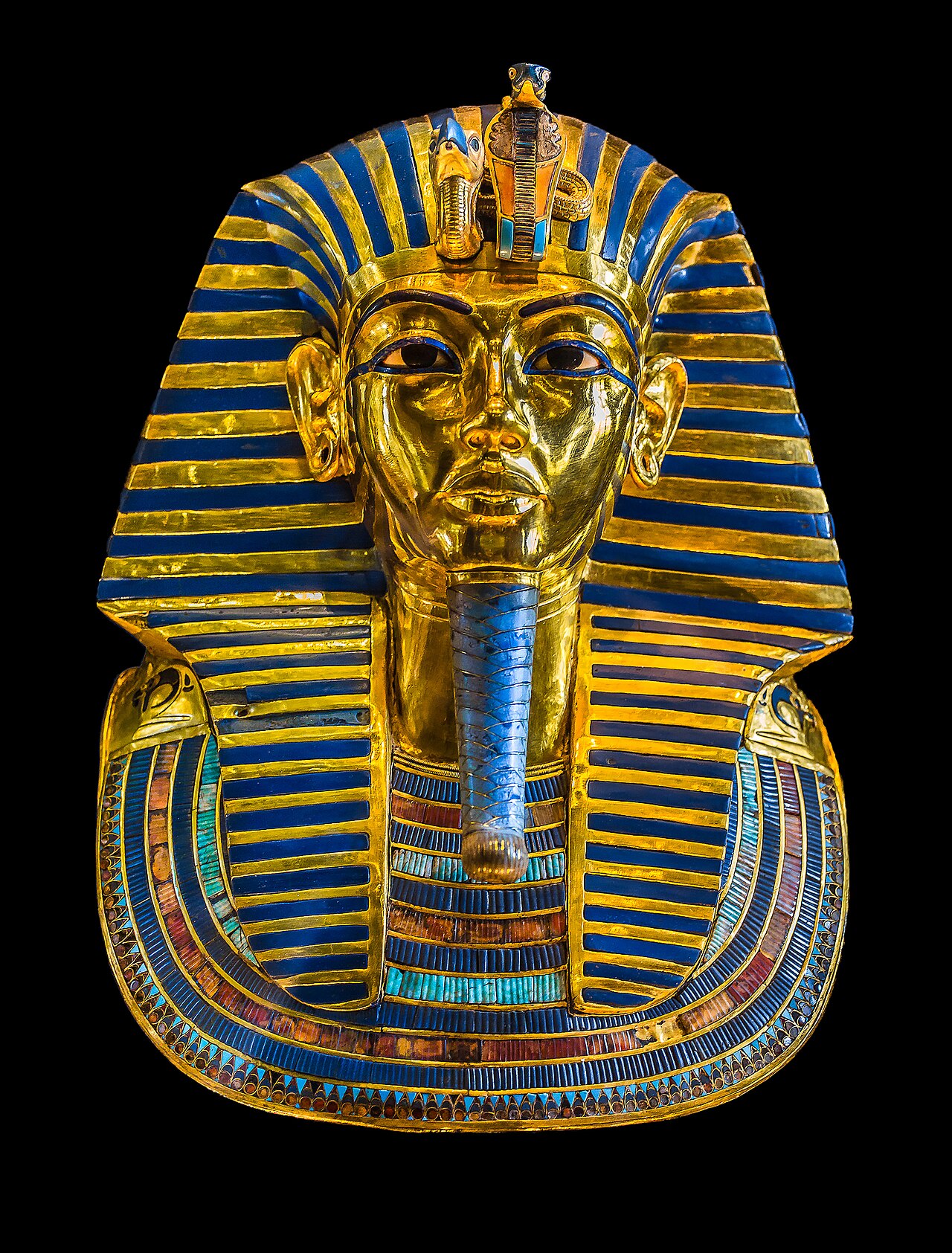 Artifact
Primary source
Mask of Tutankhamun
c. 1333 BCE
 Photograph
Primary source
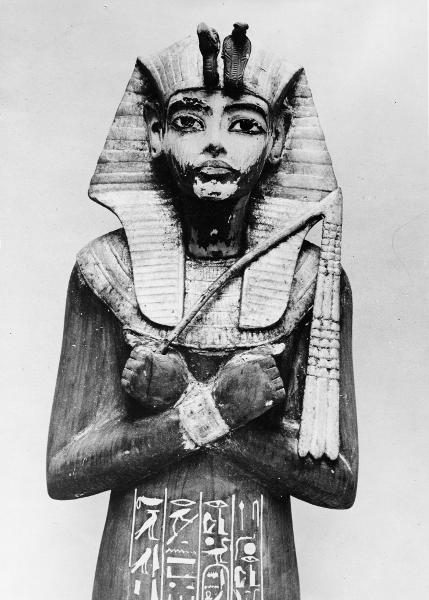
Photograph of Tutankhamun's Shawabti Figure
Harry Burton · 1920s
 Artifact
Primary source
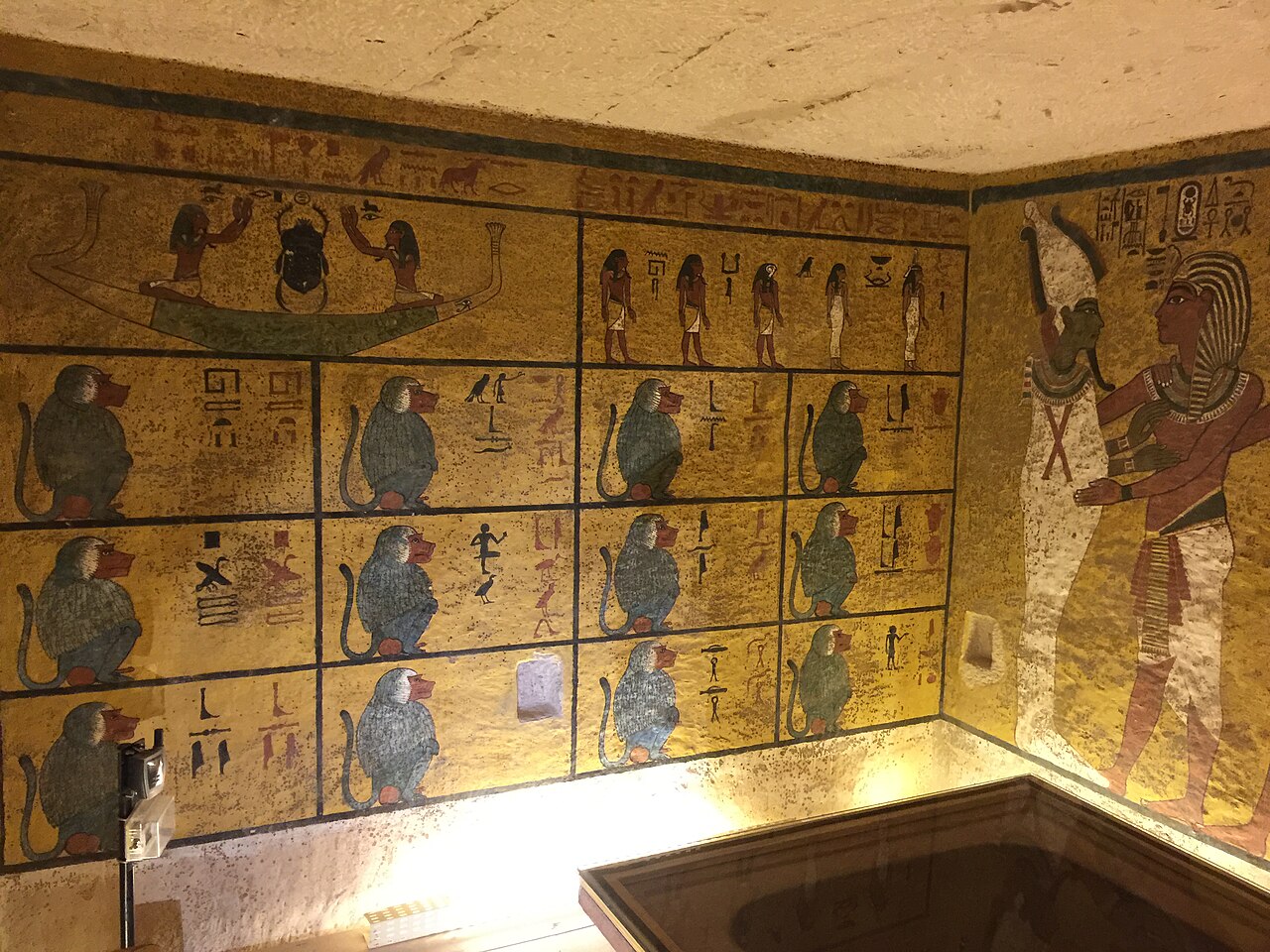
Tomb of Tutankhamun
14th century BCE
 Photograph
Primary source
Opening the Doors of the Fourth Shrine in Tutankhamun's Tomb
Harry Burton · 1920s
 Document
Primary source
Restoration Stela
Tutankhamun · c. 1326 BCE
Ready when you are
Start chatting with Tutankhamun now.
20 messages free · No credit card · Available in 50+ languages.