


Secondary sourceLetterafter 353 BC
Seventh Letter
Plato · after 353 BC
A letter attributed to Plato that recounts how the Thirty Tyrants tried to implicate Socrates in the arrest of Leon of Salamis, and how Socrates' later execution shaped Plato's turn away from politics.
Describes how Socrates was pressured by the Thirty Tyrants and how his execution shaped the author's turn from politics.
About this source
What it is
The Seventh Letter is a long epistle traditionally attributed to Plato, written after events in Sicily in the mid-4th century BC. Scholars debate its authenticity, though many consider it the most likely of Plato's letters to be genuine. In it, the author recounts his own political disillusionment, including the period of the Thirty Tyrants in Athens and the trial of Socrates.
Why it matters
The letter describes how the Thirty Tyrants tried to involve Socrates in the unjust arrest of Leon of Salamis, and states that Socrates' subsequent trial and execution deeply affected the author's view of politics. If genuine, this is a rare account connecting Socrates' fate directly to Plato's own life choices and philosophical career.
Look closer
- Why do scholars disagree about whether Plato really wrote this letter?
- What does the letter suggest about the dangers Socrates faced from political power in Athens?
- If this letter is not authentic, how would that change what we think we know about Plato's reasons for avoiding politics?
This letter is part of the curated material that grounds the AI version of Socrates on Humy.ai — when students ask about related events, the AI can quote it and cite it.
More Socrates sources
Meet the AI Socrates →Secondary source
Apology
Plato · c. 395 BC
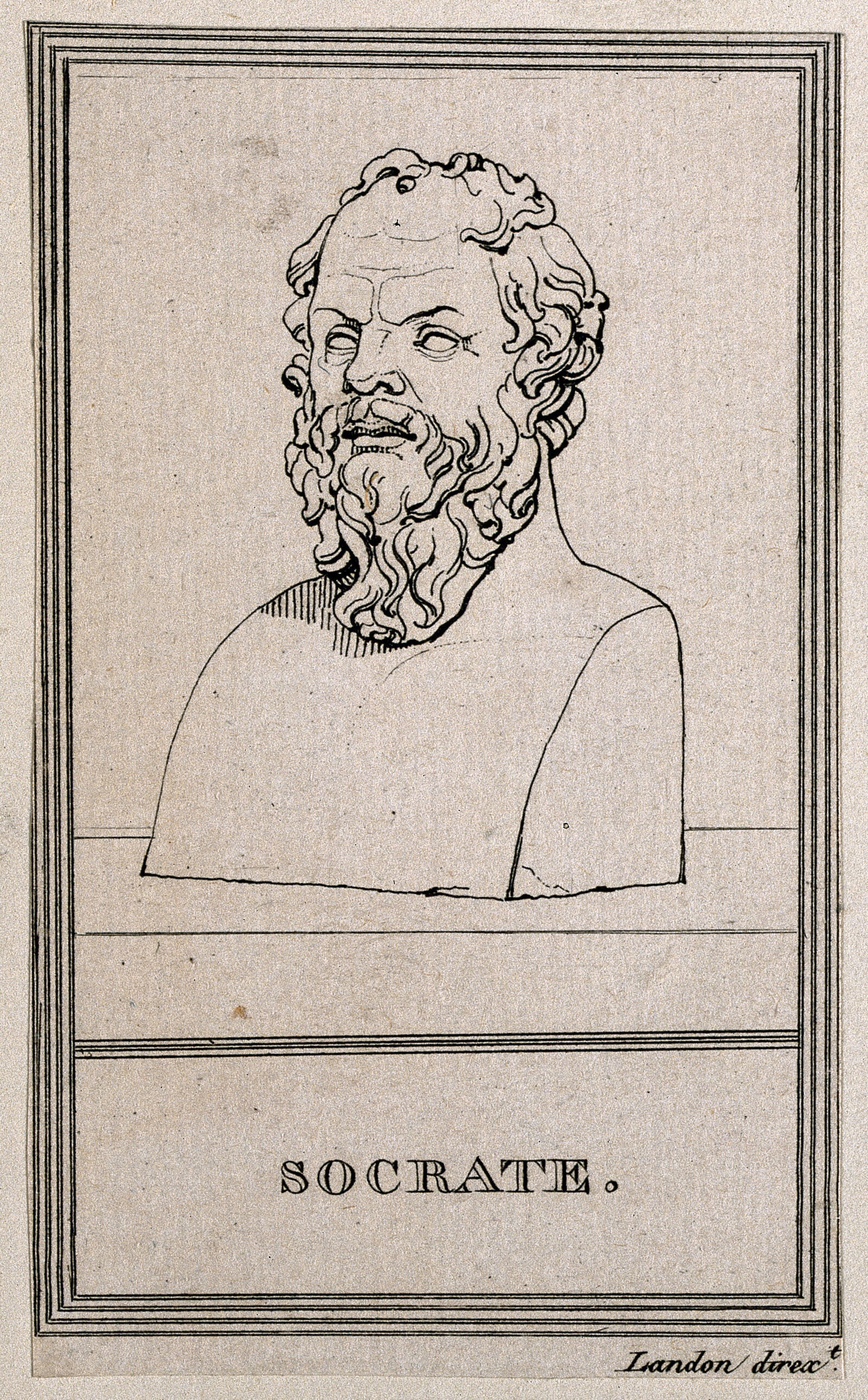 Painting
Secondary source
Line Engraving of Socrates by Landon
Charles Paul Landon
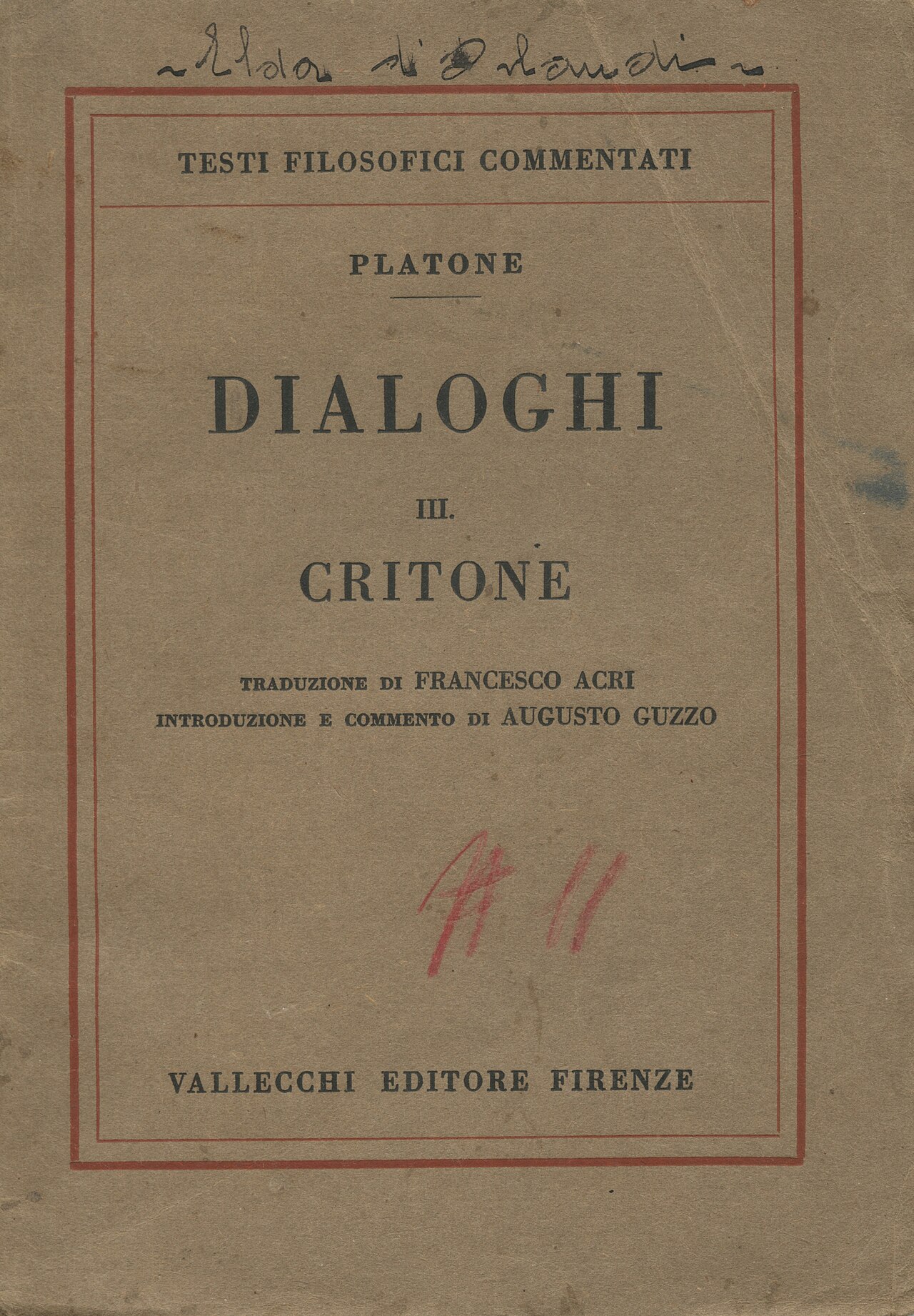 Book
Secondary source
Crito
Plato · c. 400 BC
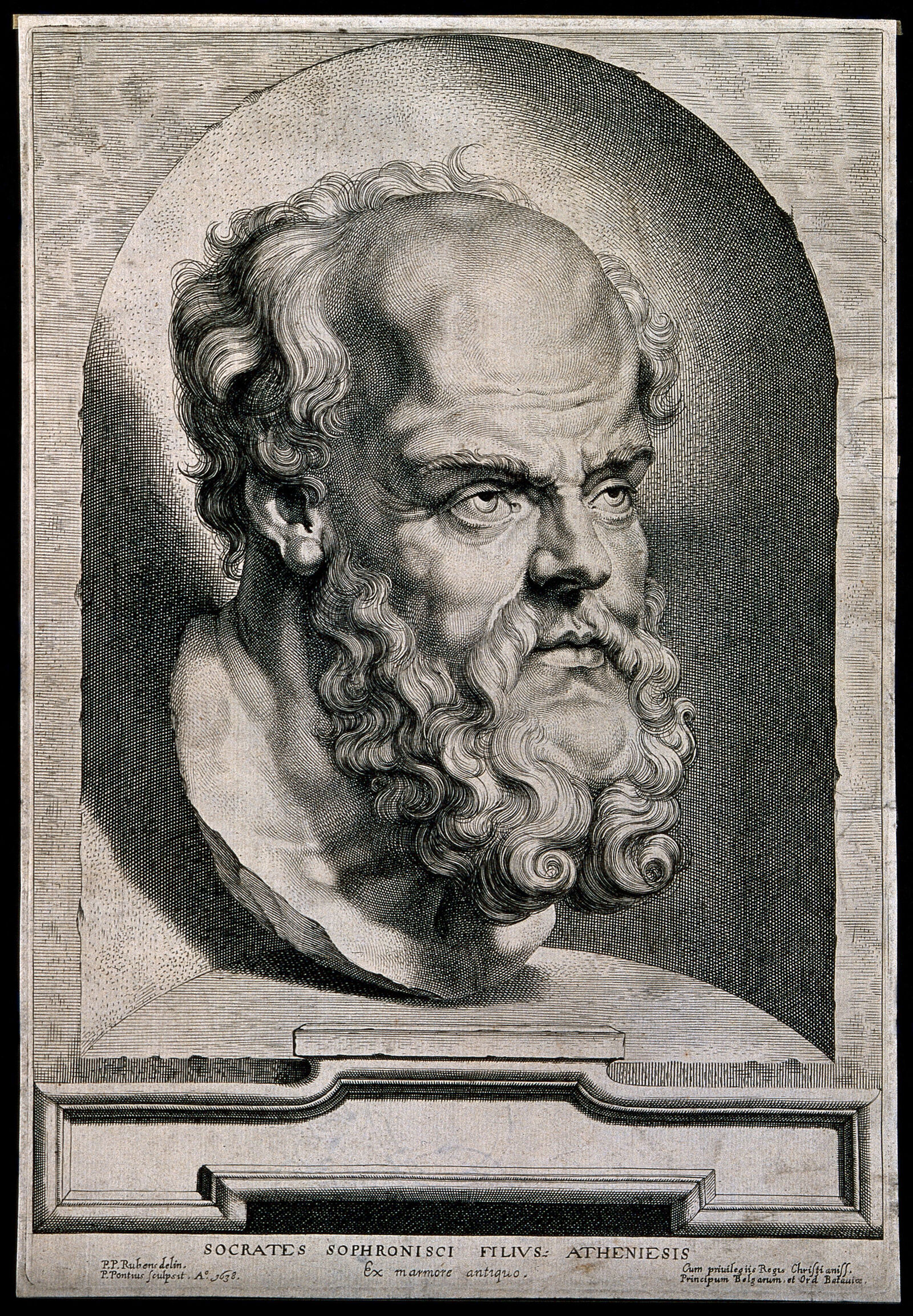 Painting
Secondary source
Socrates Engraving after Rubens by Pontius
Peter Paul Rubens · 1638
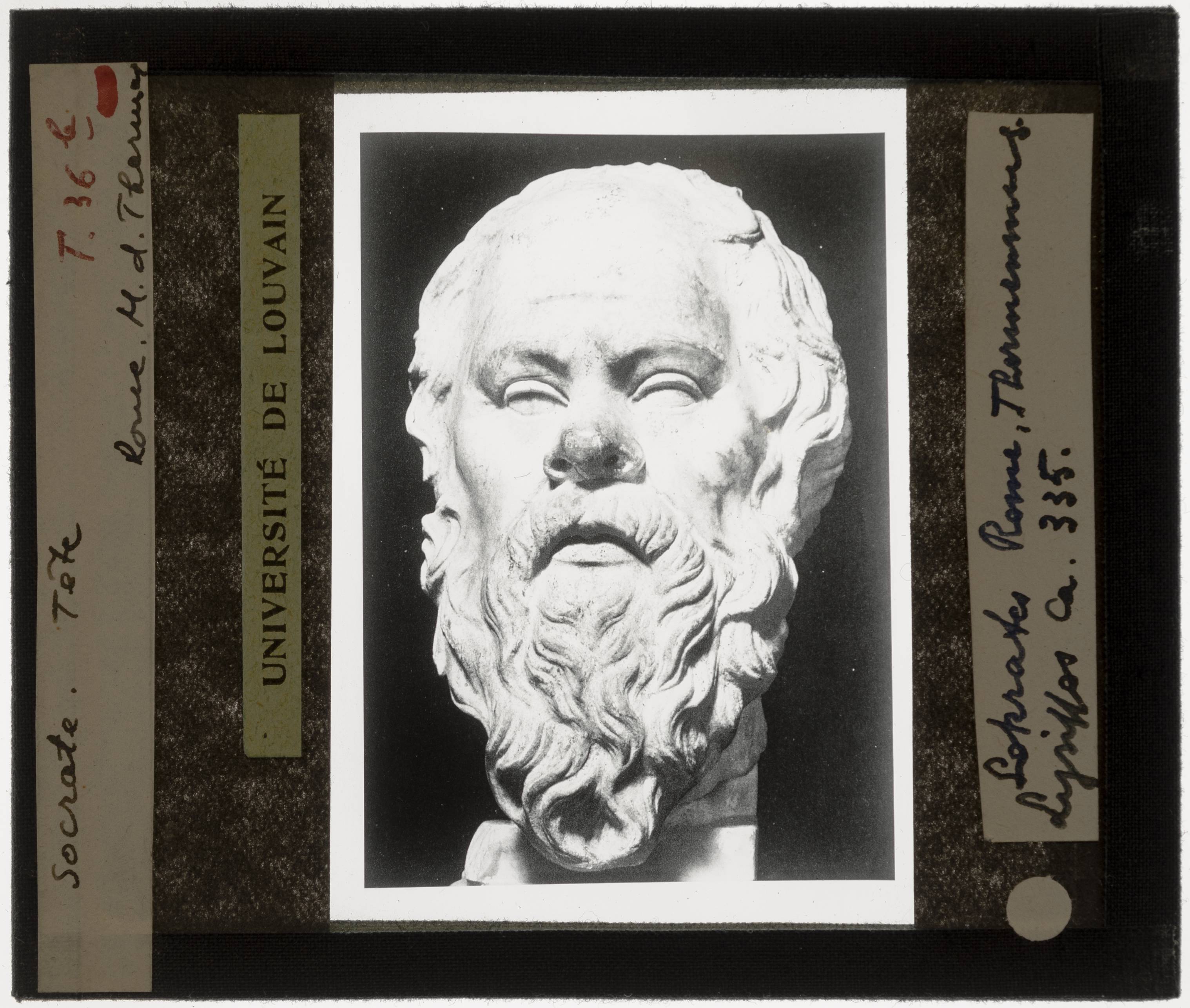 Photograph
Secondary source
Roman Marble Bust of Socrates
between 1839 and 1939
Ready when you are
Start chatting with Socrates now.
20 messages free · No credit card · Available in 50+ languages.