


Primary sourceArtifact
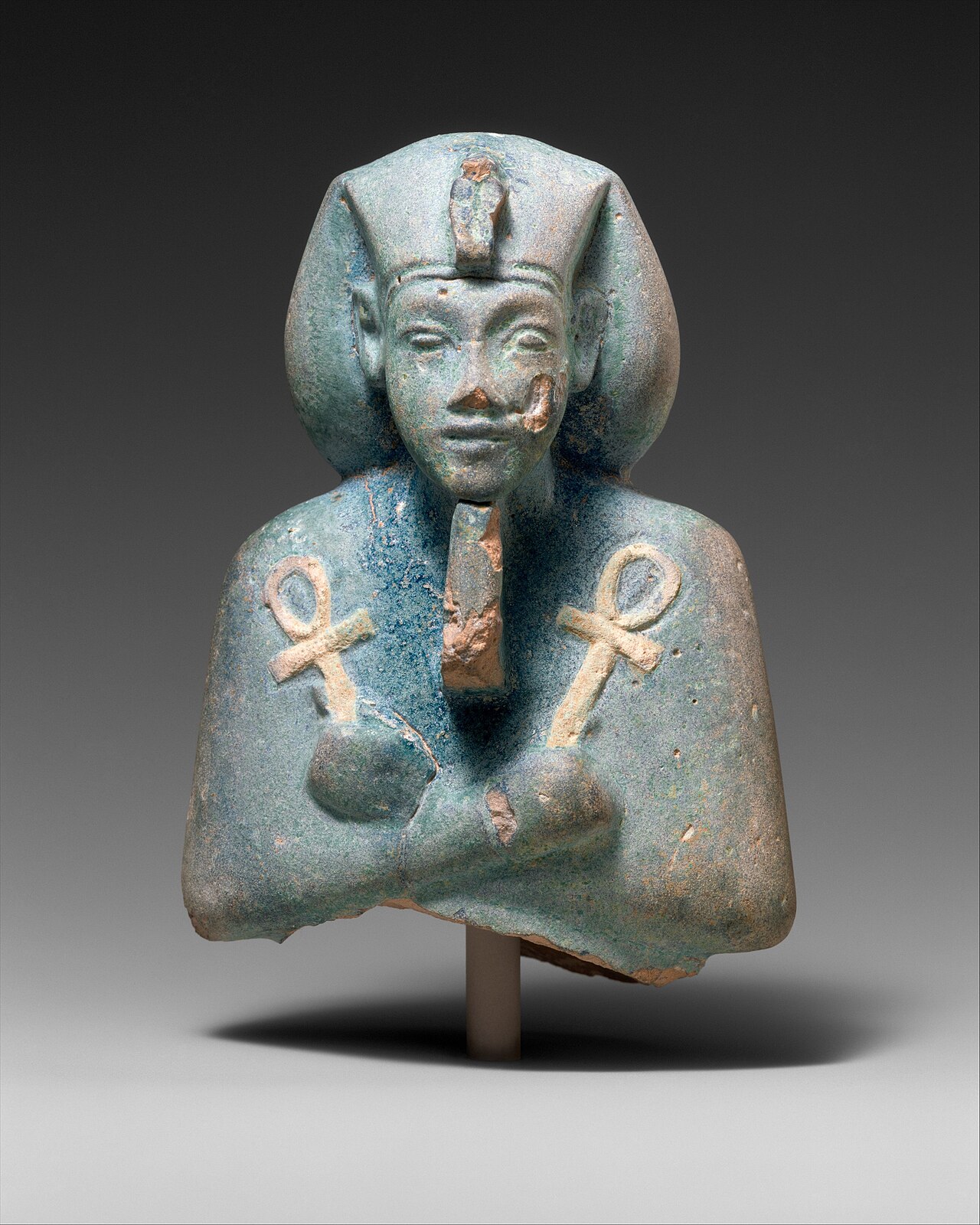
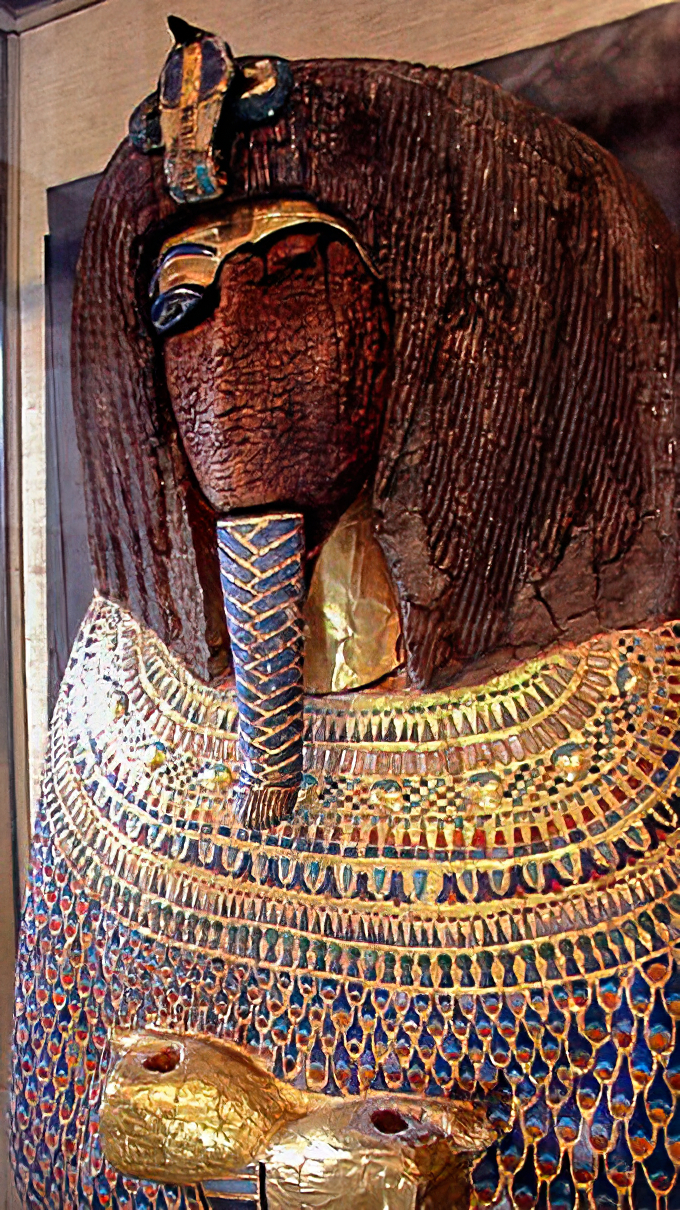
Shabti of Akhenaten
A funerary figurine made for Akhenaten, showing how some traditional burial customs continued even under his religious reforms.
This shabti was made for Akhenaten's own burial, showing his personal relationship to funerary tradition.
Free Humy account · No credit card · 120,912 sources to read
About this source
What it is
This is a shabti, a small funerary figure made for the burial of King Akhenaten. It is made of blue-green faience and shows a king wearing royal headdress and holding crossed symbols. It is held today by the Metropolitan Museum of Art.
Why it matters
Shabtis were meant to work for the dead in the afterlife, a very old Egyptian tradition. Akhenaten is famous for promoting worship of the sun disc Aten and downplaying other gods, including Osiris, god of the dead. This object shows that even he kept some old funerary customs, though texts on such pieces removed references to Osiris, revealing the balance between tradition and religious change in his reign.
Look closer
- What symbols can you see on the figure, and what might they have meant to ancient Egyptians?
- Why might a king who changed religious practice still want a traditional funerary object?
- What does this object leave out that older shabtis usually included?
This artifact is part of the curated material that grounds the AI version of Akhenaten on Humy.ai — when students ask about related events, the AI can quote it and cite it.
More Akhenaten sources
Browse all 99 →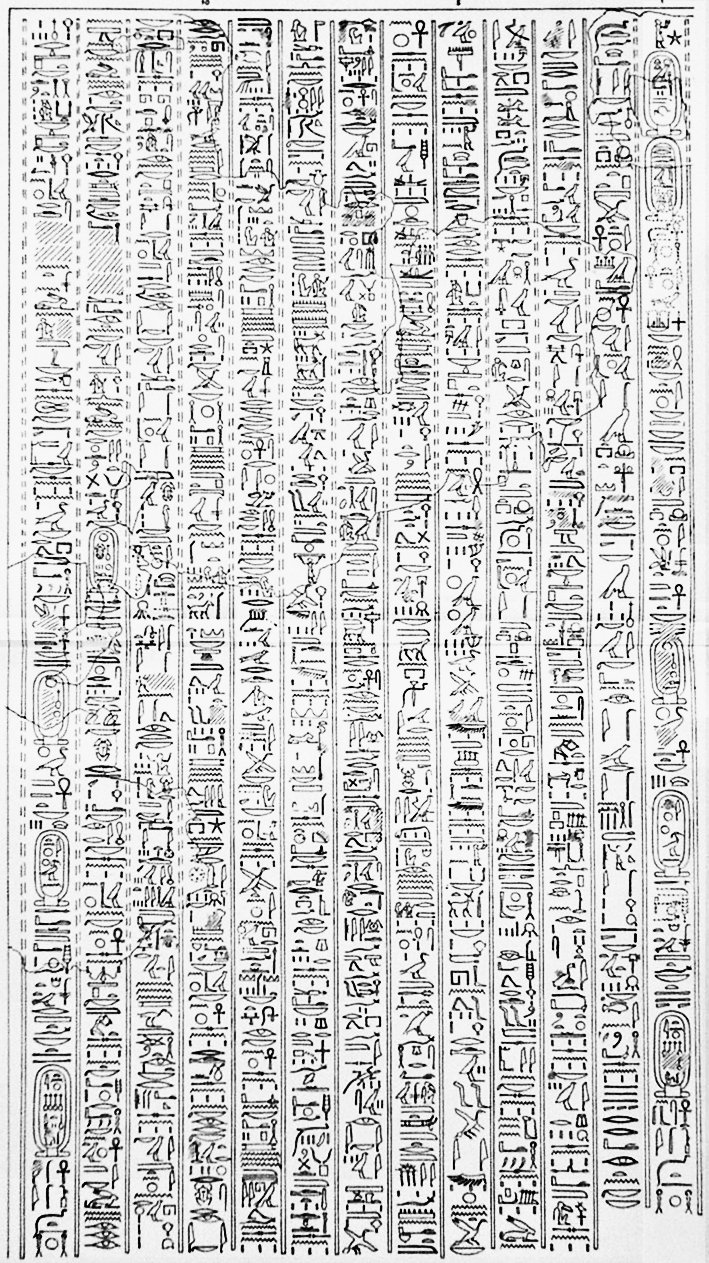 Document
Primary source
Great Hymn to the Aten
Akhenaten · c. 1350 BC
 Document
Primary source
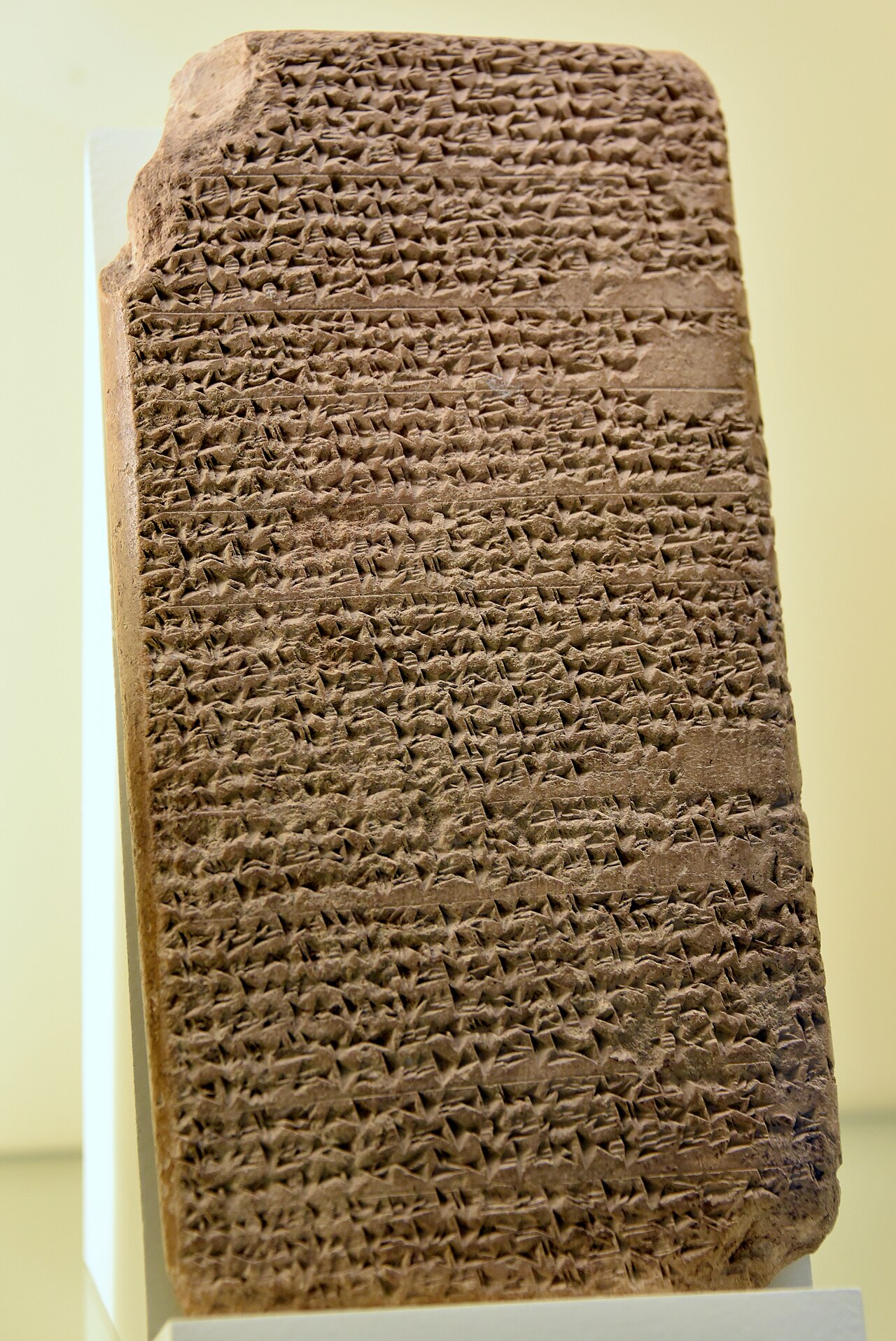
Amarna letters
Foreign rulers and vassals of Egypt; Egyptian chancery · c. 1360–1332 BCE
 Sculpture
Primary source
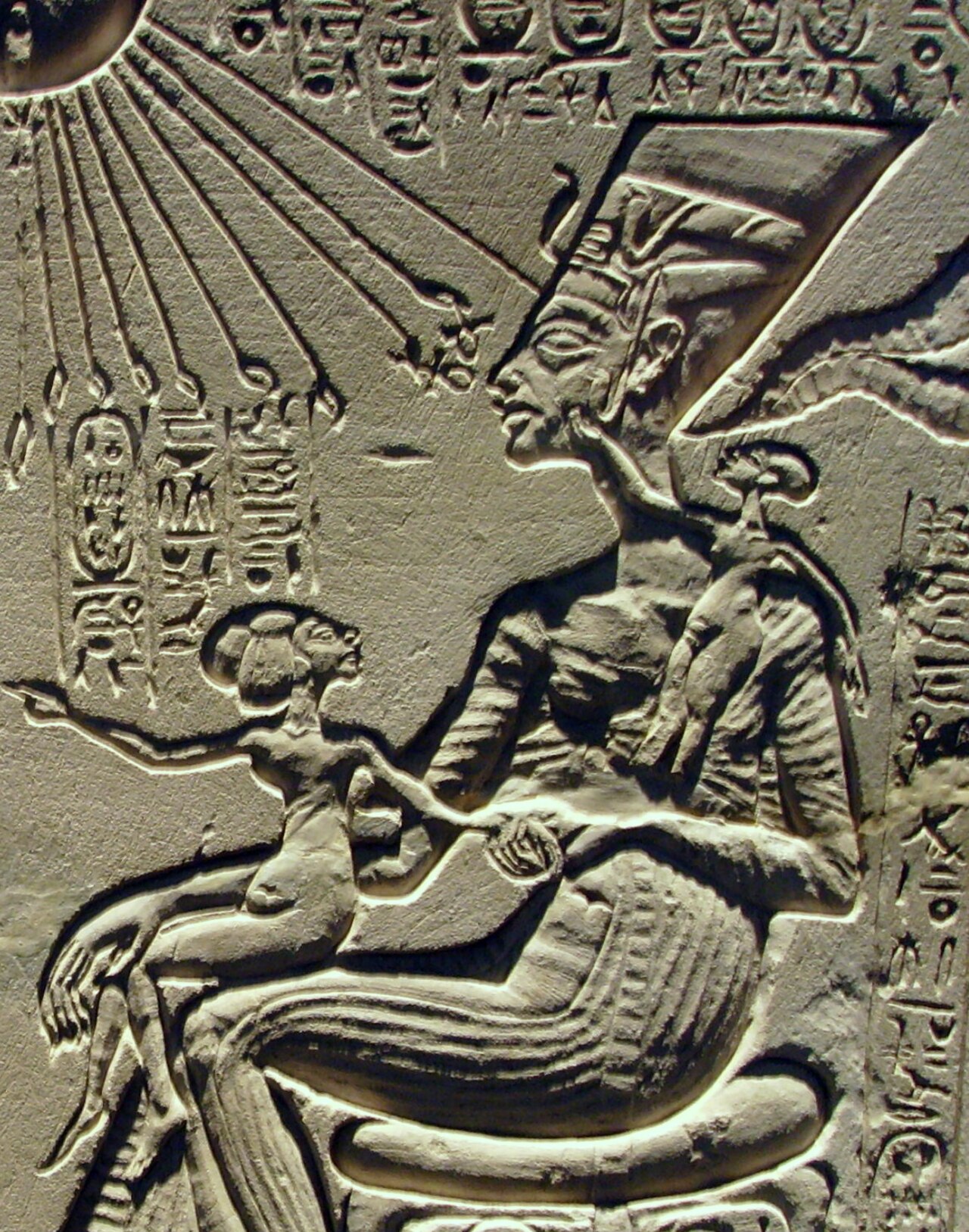
Akhenaten and His Family
c. 1352 BC
 Sculpture
Primary source
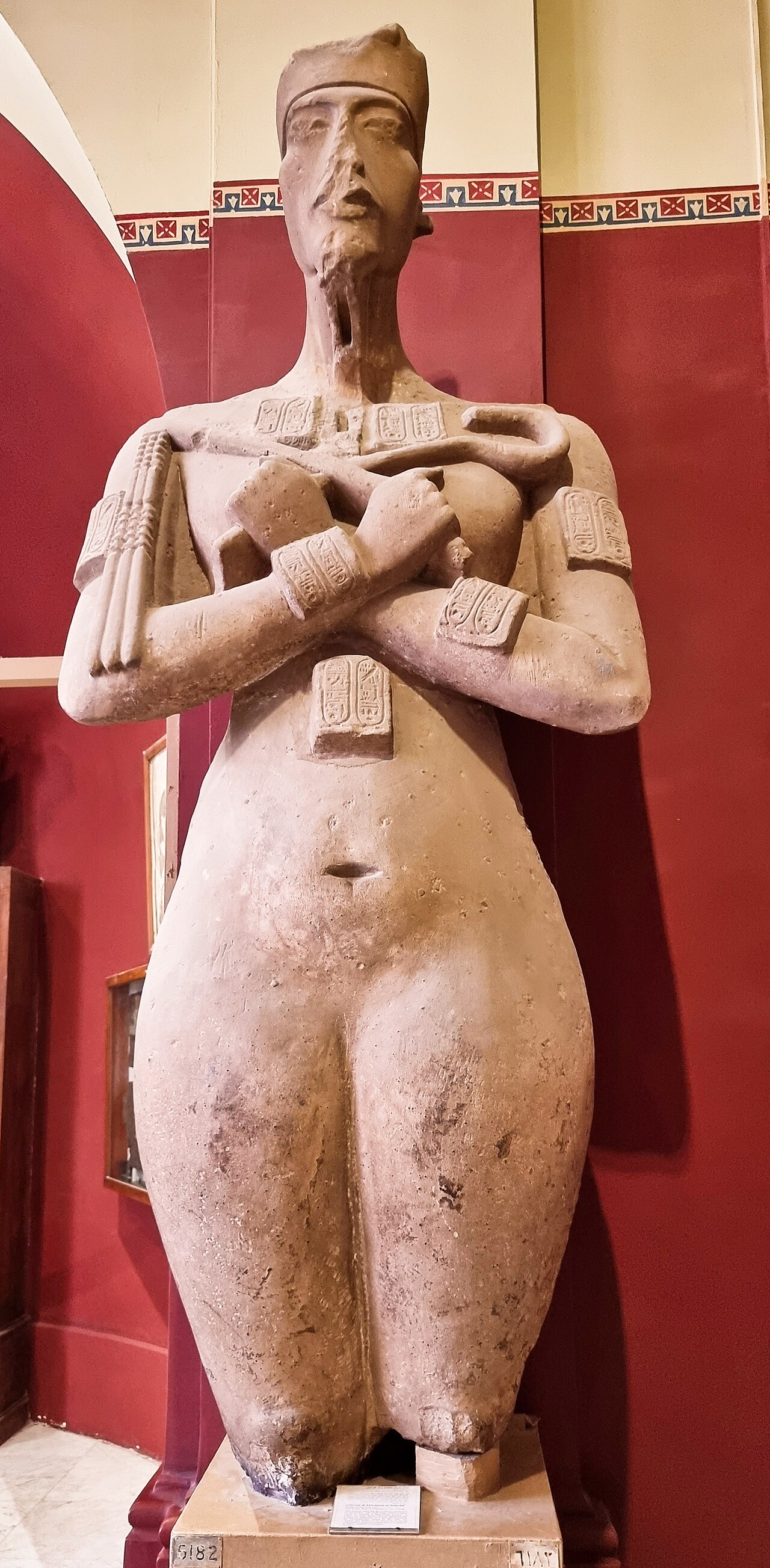
Colossal Statue of Akhenaten or Nefertiti
Free account
Read every Akhenaten source
Sign up free →
Ready when you are
Start chatting with Akhenaten now.
20 messages free · No credit card · Available in 50+ languages.