


Primary sourceSculptureca. 1347-1330 BCE
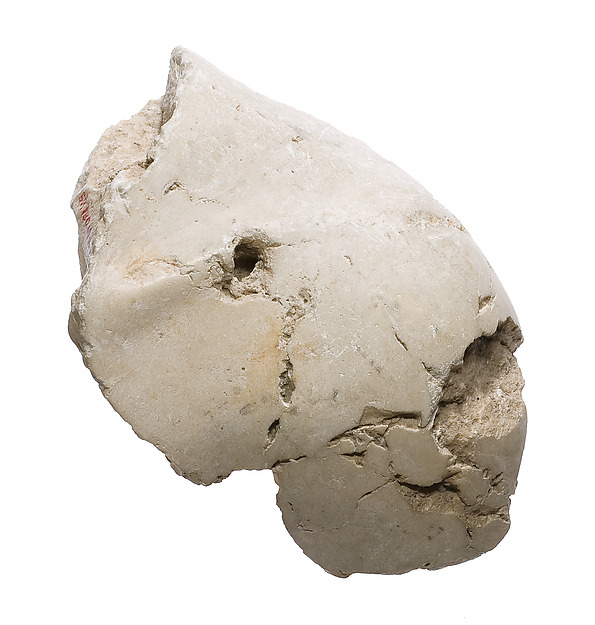
Shoulder fragment of a statue of Akhenaten
ca. 1347-1330 BCE
A weathered limestone shoulder fragment from a royal statue of Akhenaten, held by the Metropolitan Museum of Art in New York.
It is a surviving part of a royal statue made during Akhenaten's reign, showing how his image was carved.
About this source
What it is
This is a fragment of a shoulder from a royal statue of Akhenaten. It is made of indurated limestone and shows a rounded, broken edge. A small hole and surface chips and cracks are visible. The Metropolitan Museum of Art dates it to ca. 1347-1330 BCE, in the Amarna Period of the 18th Dynasty. It was acquired through the Harris Brisbane Dick Fund in 1957.
Why it matters
Royal statues were made to show the king's power and his place in religious life during the Amarna Period. Even a broken shoulder can help historians study the size and style of statues made for Akhenaten. The fragment is a reminder that many royal images have been lost or damaged over time.
Look closer
- What can you learn from the broken edges about how the statue was made or damaged?
- Why might a museum display a fragment like this instead of the full statue?
- What does the fragment leave out, such as the face and the rest of the body?
This sculpture is part of the curated material that grounds the AI version of Akhenaten on Humy.ai — when students ask about related events, the AI can quote it and cite it.
More Akhenaten sources
Browse all 99 →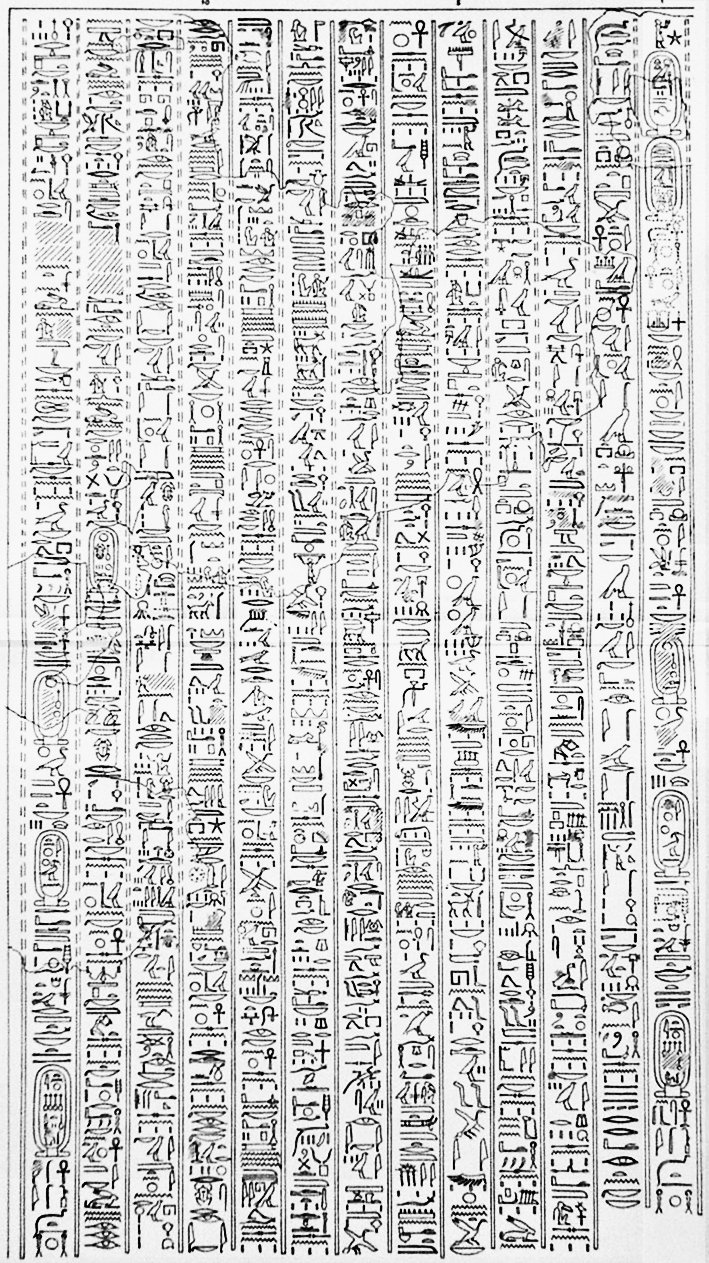 Document
Primary source
Great Hymn to the Aten
Akhenaten · c. 1350 BC
 Document
Primary source
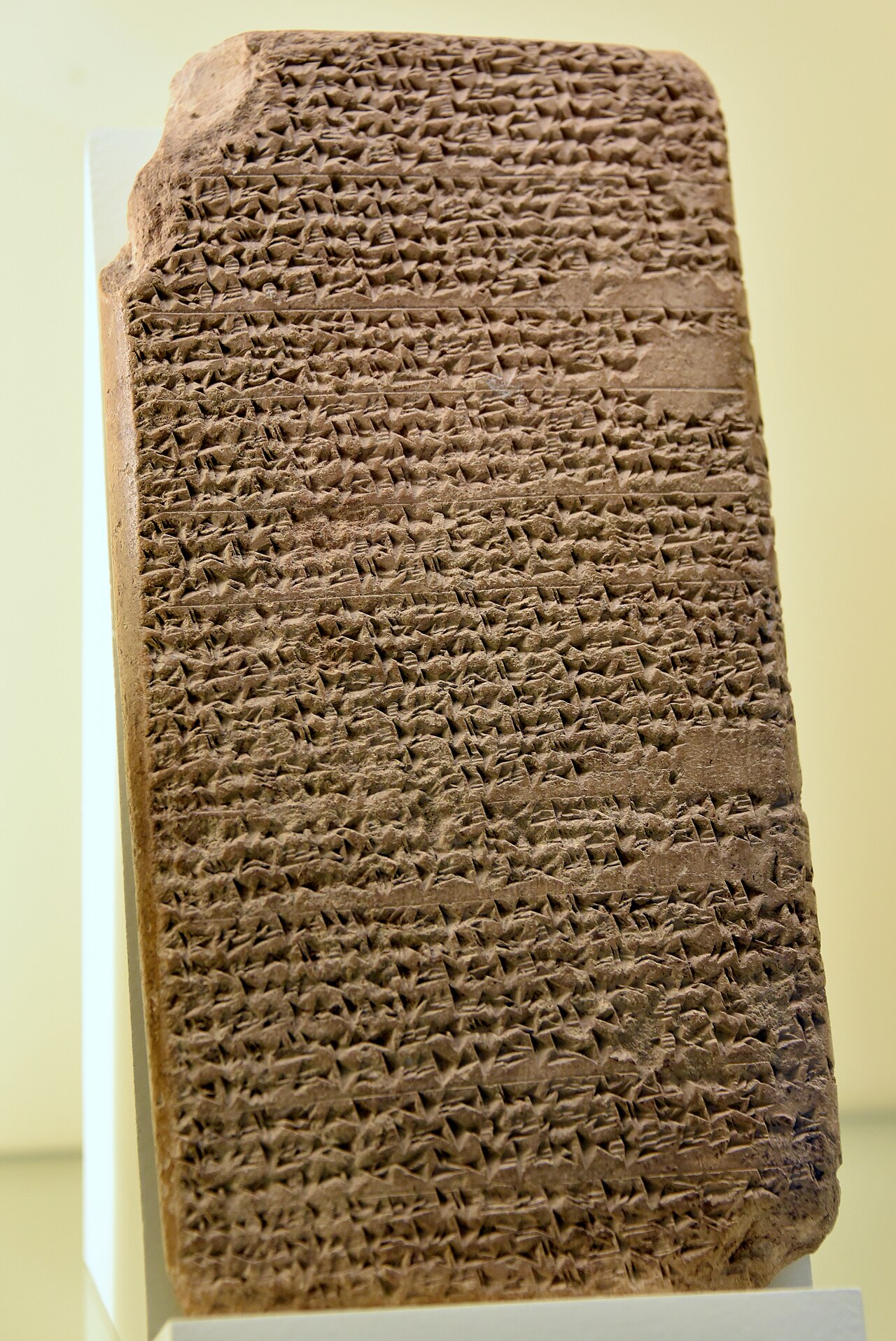
Amarna letters
Foreign rulers and vassals of Egypt; Egyptian chancery · c. 1360–1332 BCE
 Sculpture
Primary source
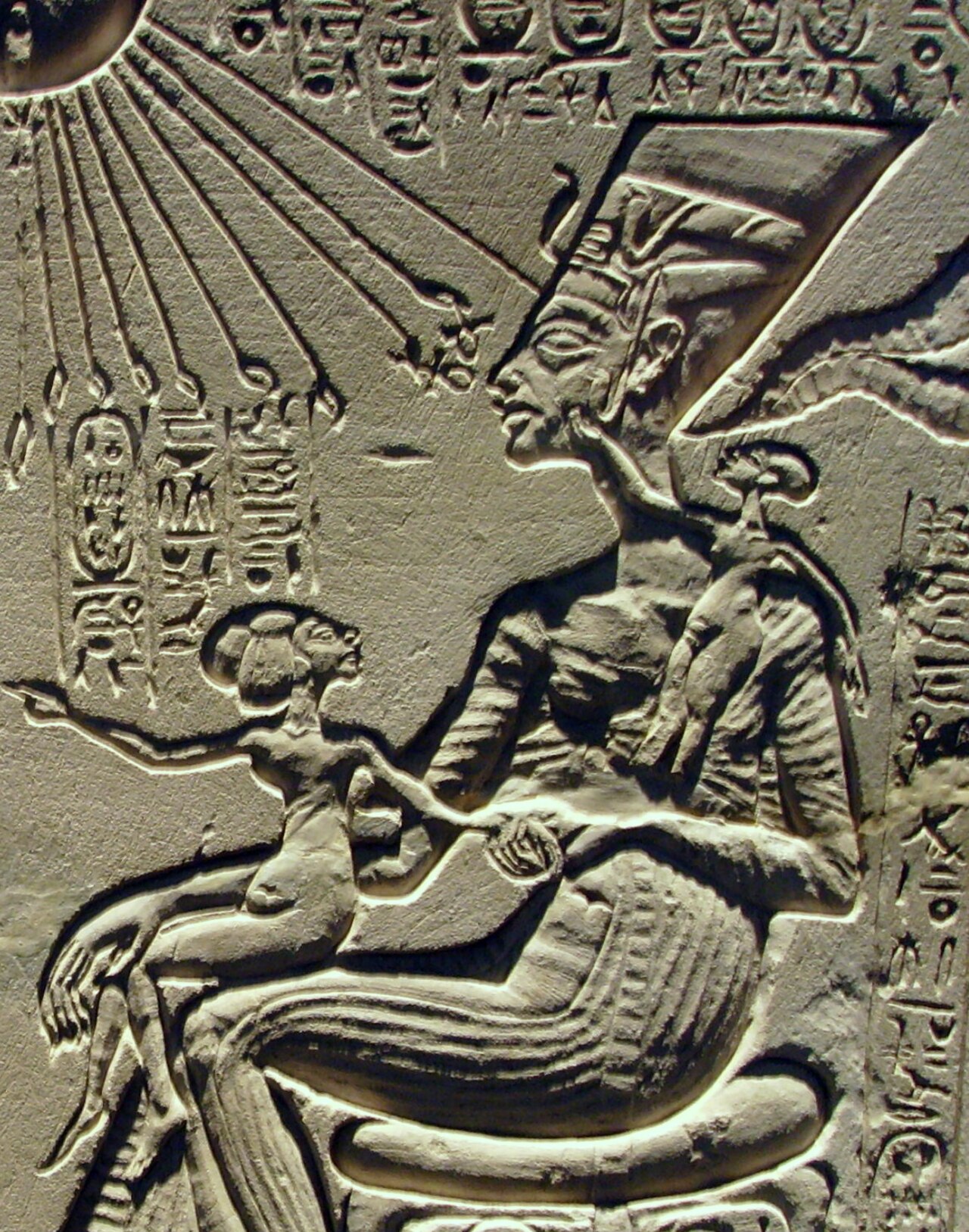
Akhenaten and His Family
c. 1352 BC
 Sculpture
Primary source
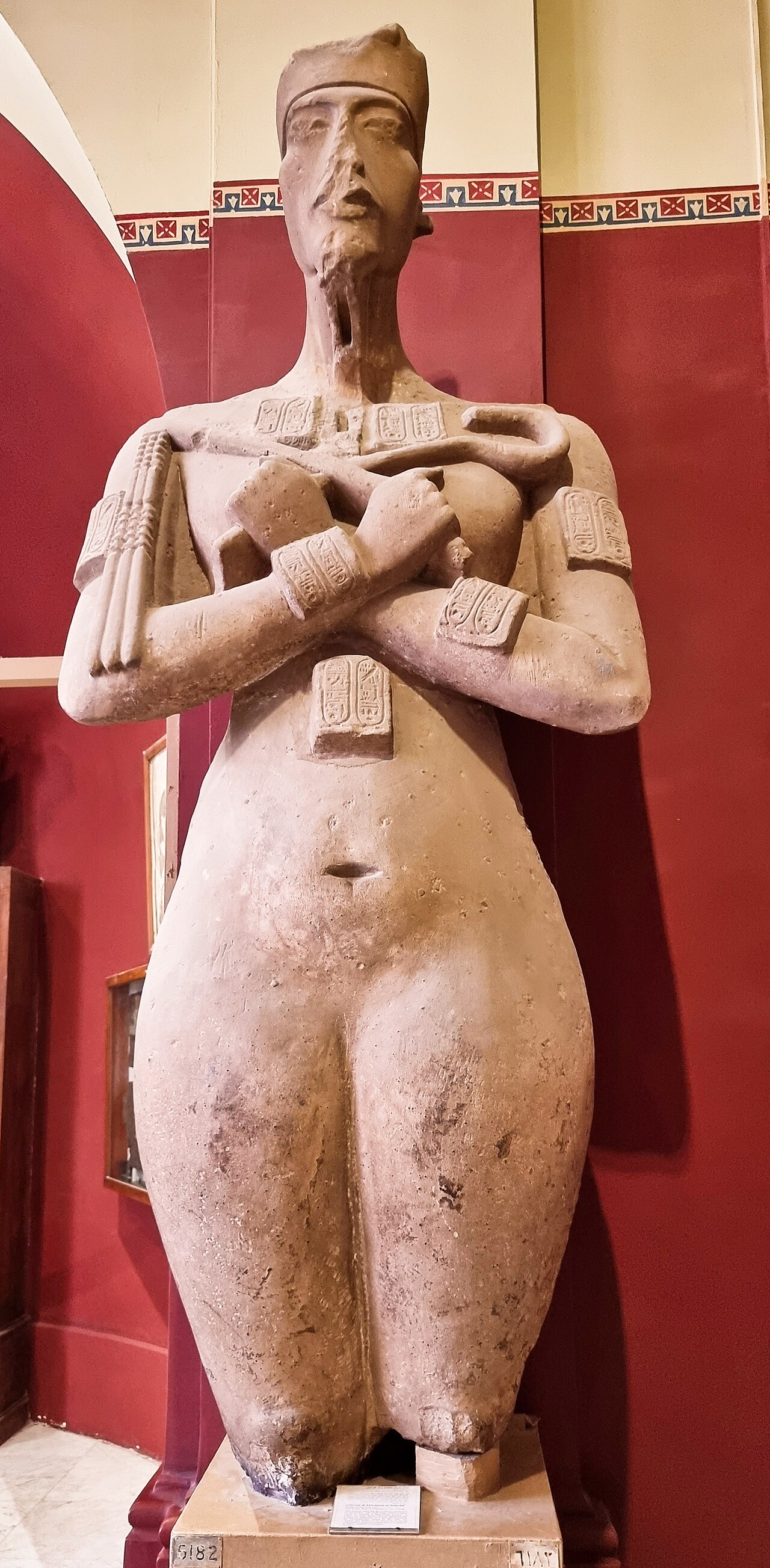
Colossal Statue of Akhenaten or Nefertiti
Free account
Read every Akhenaten source
Sign up free →
Ready when you are
Start chatting with Akhenaten now.
20 messages free · No credit card · Available in 50+ languages.