


Primary sourceDocument
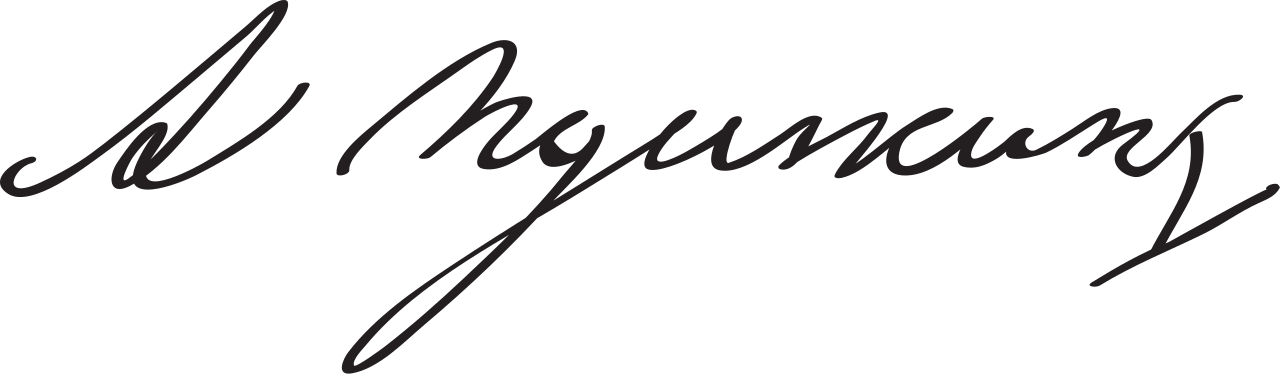
Signature of Alexander Pushkin
Alexander Pushkin
A handwritten signature of the poet Alexander Pushkin, the basic identifying mark of his own hand. It connects the name on his works to his actual handwriting.
This is the poet's own signature, the most direct trace of his hand in his archive.
About this source
What it is
This is an autograph signature of Alexander Pushkin, the Russian poet, playwright and novelist. It is a black handwritten signature in cursive strokes on a white background. The first letter is a large looping form like an A, followed by flowing script that reads Pushkin. The facts do not give a date, place or recipient, so the signature cannot be tied to a specific event.
Why it matters
A signature is a personal mark that stands for the person who wrote it. Pushkin's signature is a direct trace of the poet's own hand, unlike a printed book or a later portrait. Archivists use signatures like this to identify documents and to link a name to a real person.
Look closer
- Which letters are the largest, and what does the first letter look like?
- Why might a writer sign a document, and what does a signature promise to the reader?
- What can one signature not tell us about the poet's life, his ideas or his daily routine?
This document is part of the curated material that grounds the AI version of Alexander Pushkin on Humy.ai — when students ask about related events, the AI can quote it and cite it.
More Alexander Pushkin sources
Meet the AI Alexander Pushkin →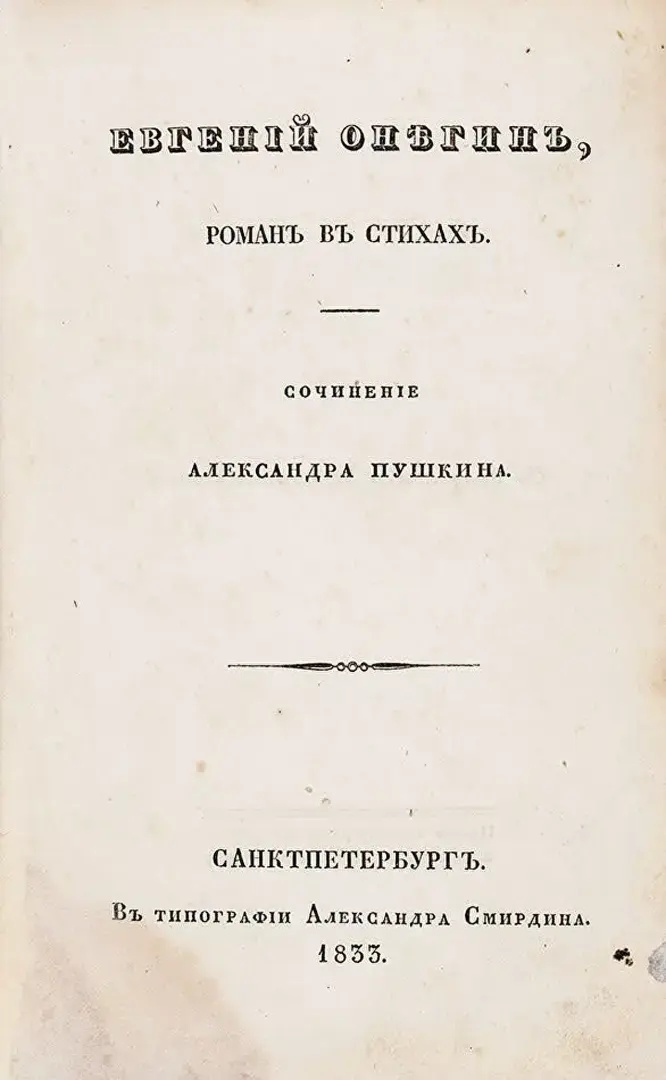 Book
Primary source
Eugene Onegin
Alexander Pushkin · 1823-1831
Primary source
Boris Godunov
Alexander Pushkin · 1825
 Book
Primary source
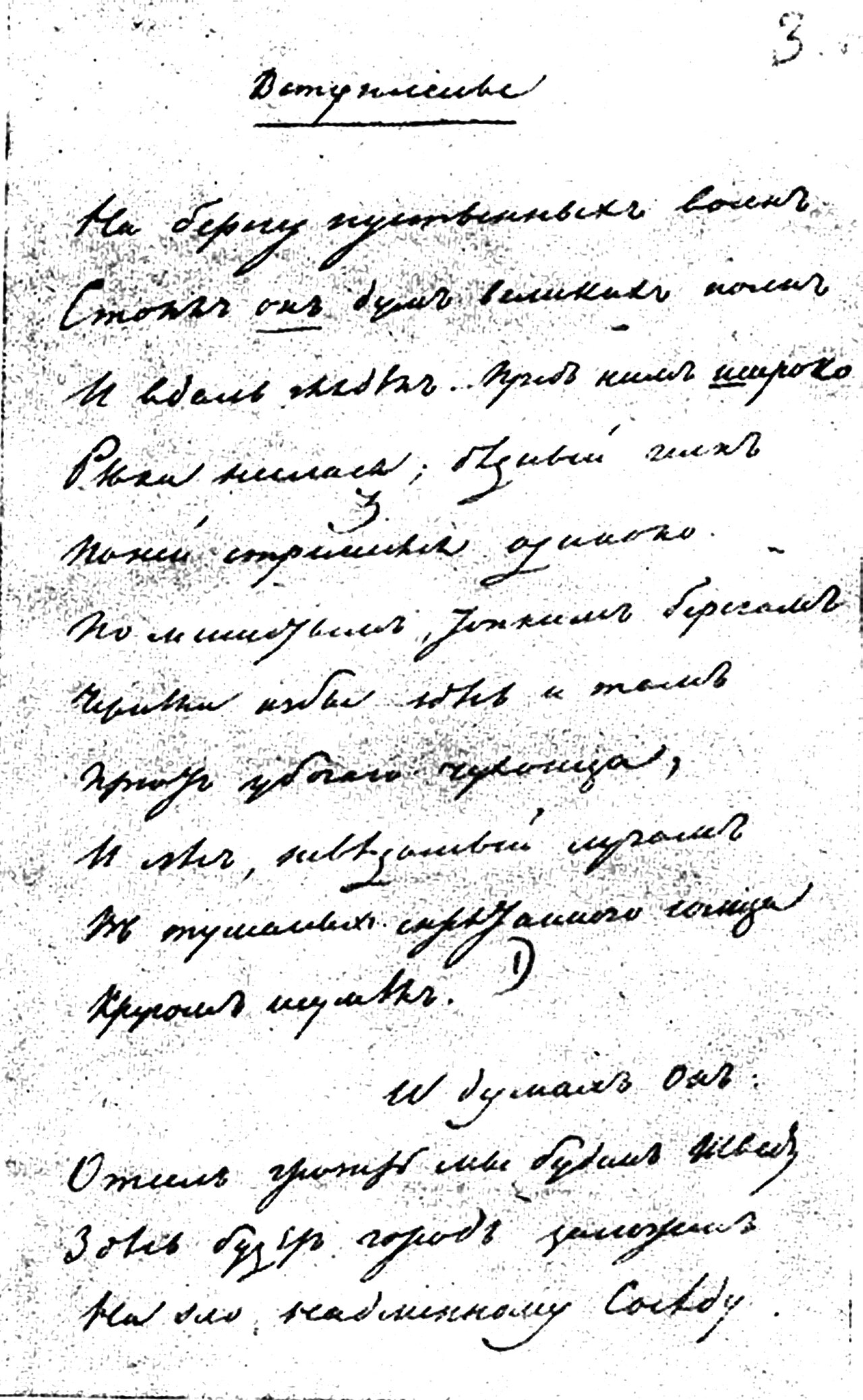
The Bronze Horseman
Alexander Pushkin · 1833
 Book
Primary source
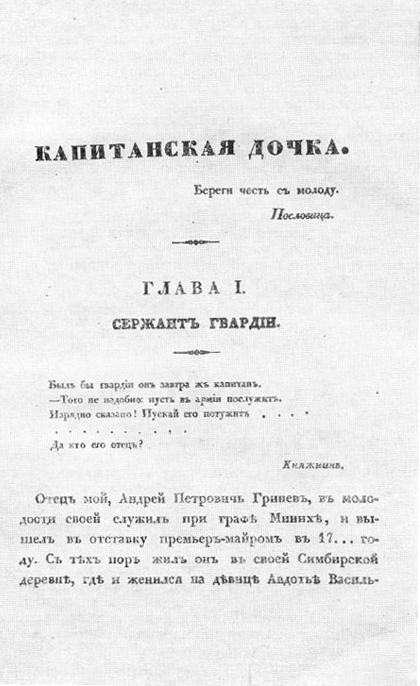
The Captain's Daughter
Alexander Pushkin · 1836
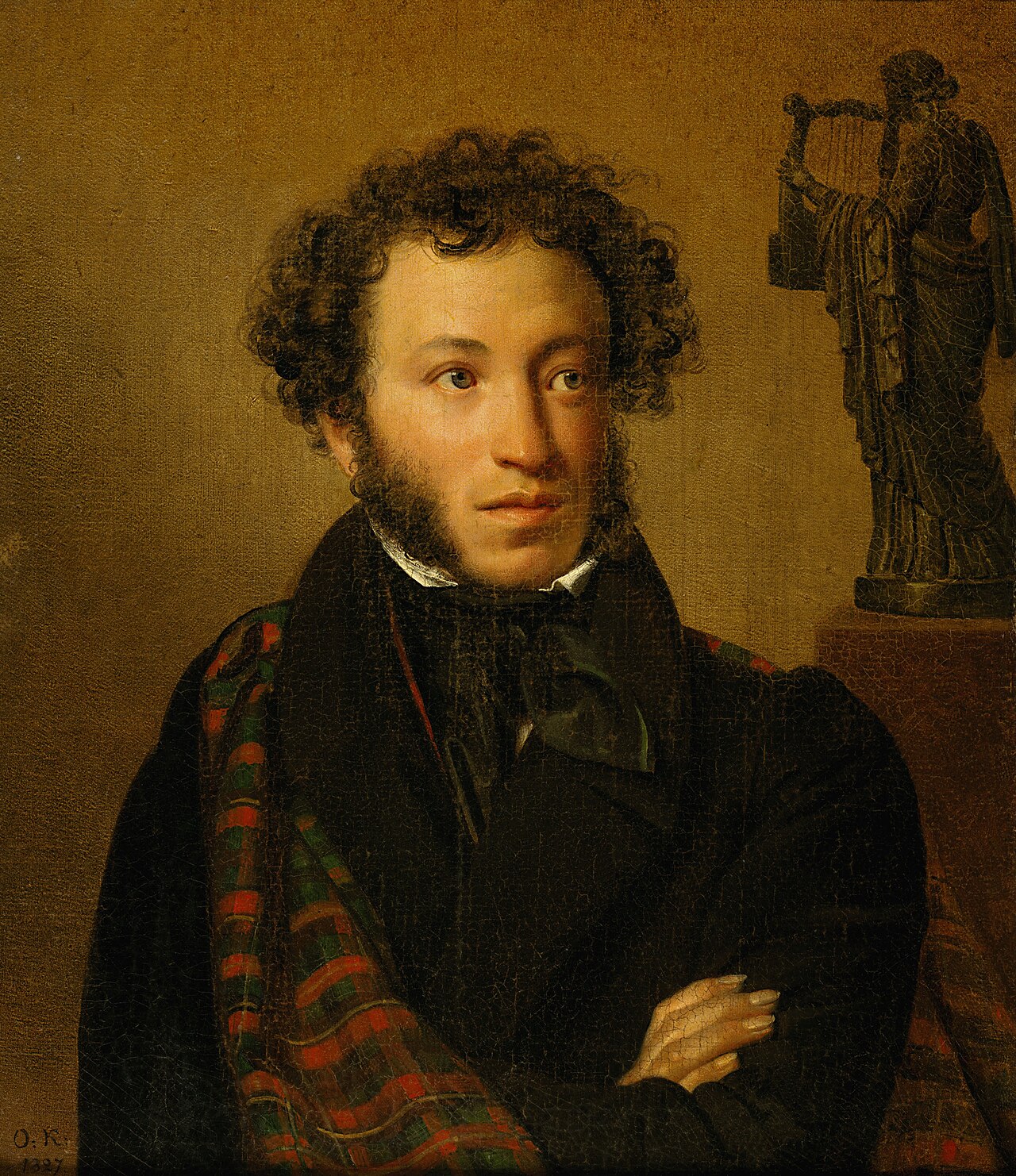 Painting
Primary source
Alexander Pushkin
Orest Kiprensky · 1827
Ready when you are
Start chatting with Alexander Pushkin now.
20 messages free · No credit card · Available in 50+ languages.