


Primary sourceArtifact14th century BCE
Sistrum of Tutankhamun
14th century BCE
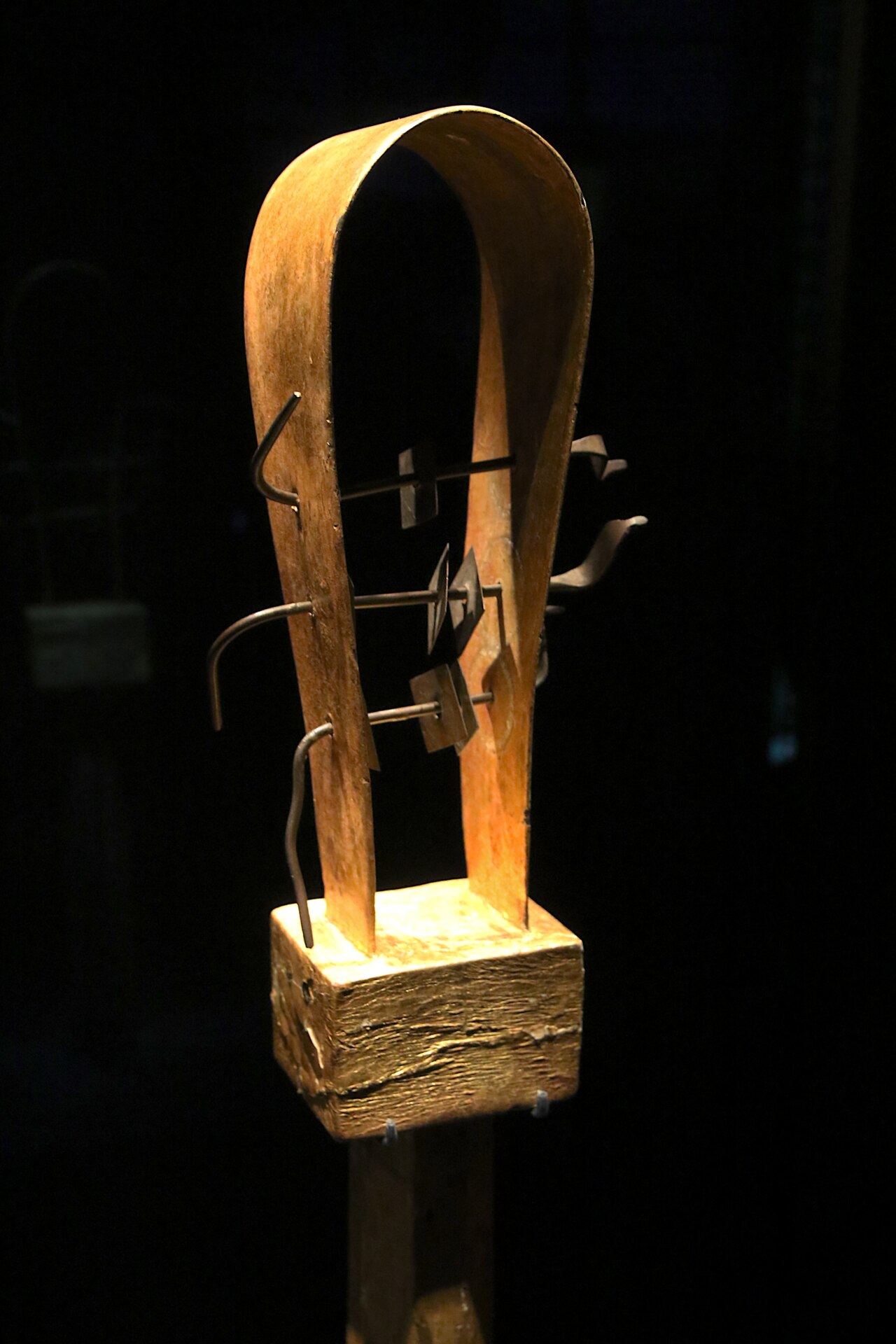
A rare gilded sistrum, a sacred rattle, found among Tutankhamun's funerary goods, used in temple rituals and music.
This sistrum was part of the funerary goods buried with Tutankhamun, reflecting the ritual life surrounding his kingship.
About this source
What it is
This sistrum, a type of ritual rattle, was found among the treasures in Tutankhamun's nearly intact tomb in the Valley of the Kings. It is made of wood, gesso, gold leaf and copper alloy, with a looped frame holding metal discs that would jingle when shaken. It was photographed during a 2019 exhibition of the king's treasures in Paris.
Why it matters
Sistra were used in temple worship, often associated with goddesses such as Hathor or Isis, and their presence in the tomb shows the importance of music and ritual sound in Egyptian religious life. Its survival as a rare example gives insight into the material culture surrounding Tutankhamun's burial and the practices of his time.
Look closer
- What does the craftsmanship of gold and copper tell you about who could afford such an object?
- Why might a musical instrument be included among a king's burial goods?
- What does this object not tell us about how it actually sounded or was played?
This artifact is part of the curated material that grounds the AI version of Tutankhamun on Humy.ai — when students ask about related events, the AI can quote it and cite it.
More Tutankhamun sources
Meet the AI Tutankhamun →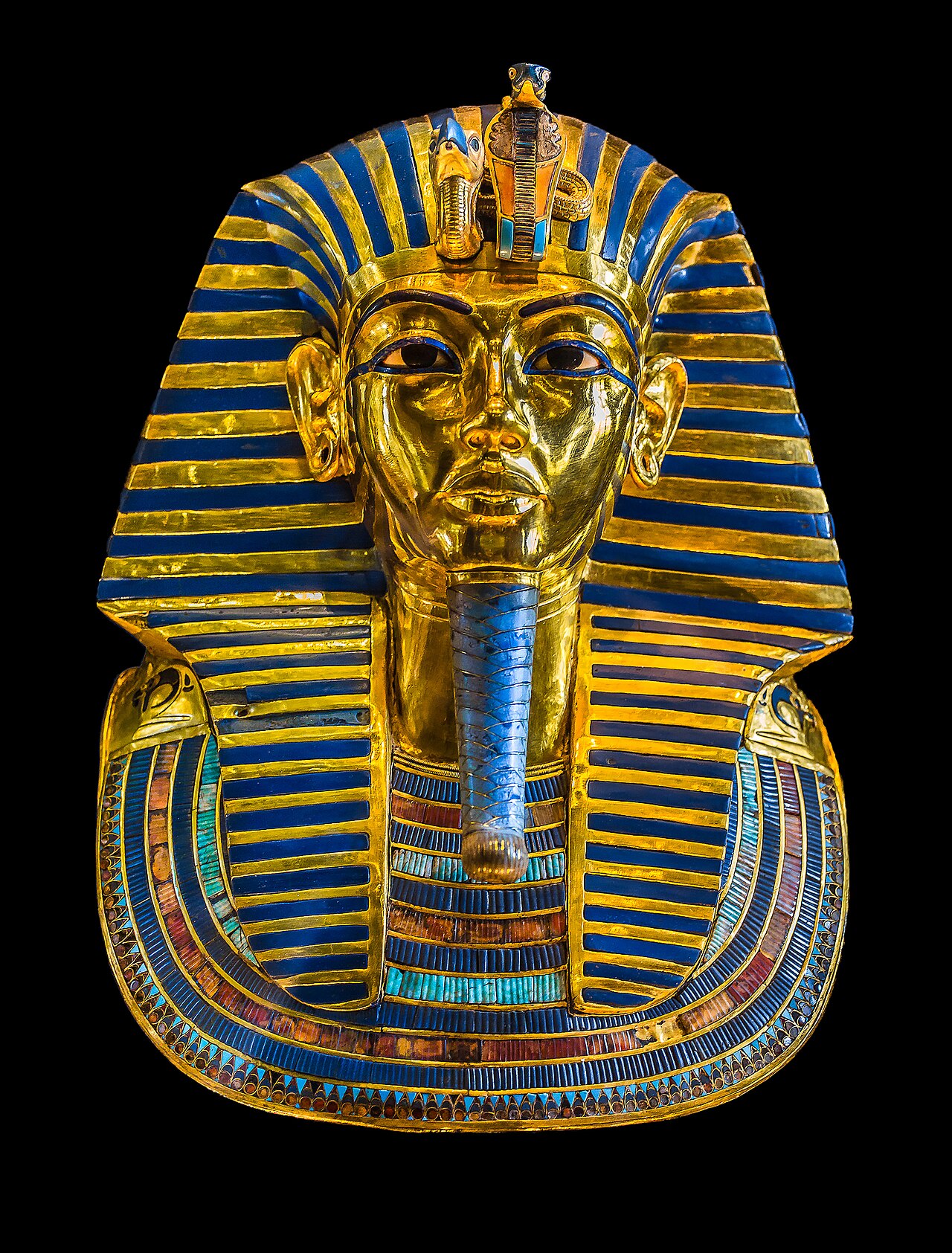 Artifact
Primary source
Mask of Tutankhamun
c. 1333 BCE
 Photograph
Primary source
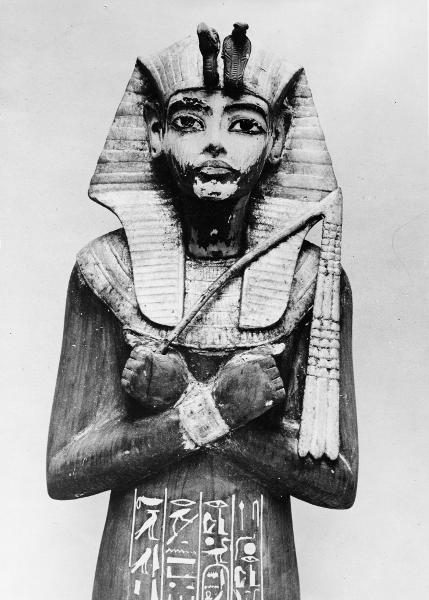
Photograph of Tutankhamun's Shawabti Figure
Harry Burton · 1920s
 Artifact
Primary source
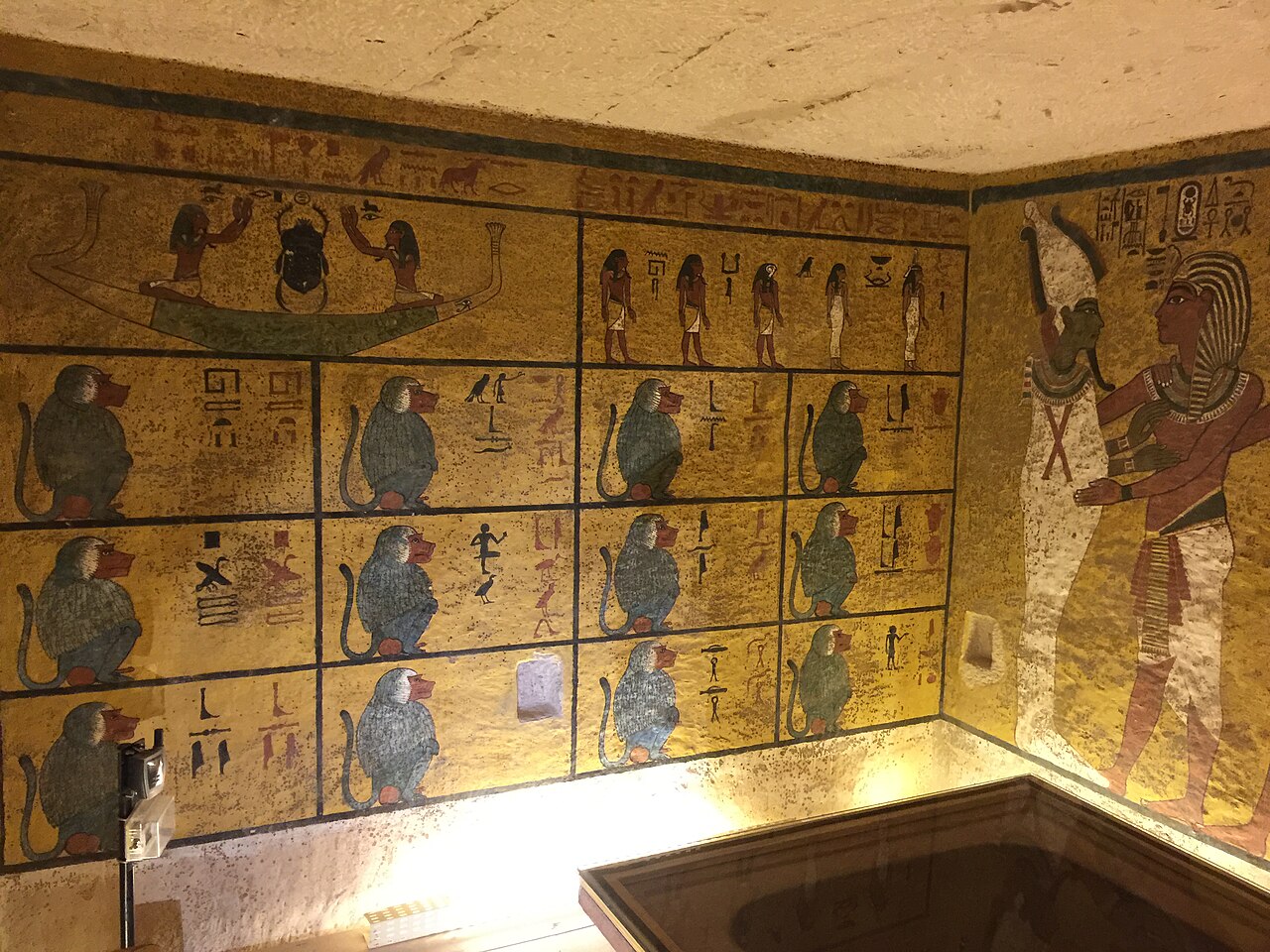
Tomb of Tutankhamun
14th century BCE
 Photograph
Primary source
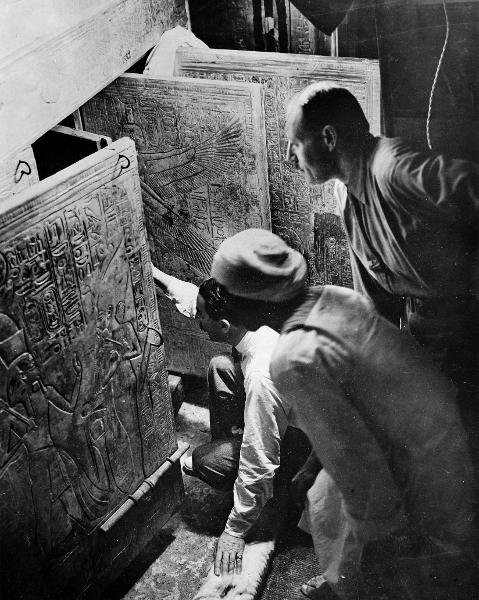
Opening the Doors of the Fourth Shrine in Tutankhamun's Tomb
Harry Burton · 1920s
 Document
Primary source
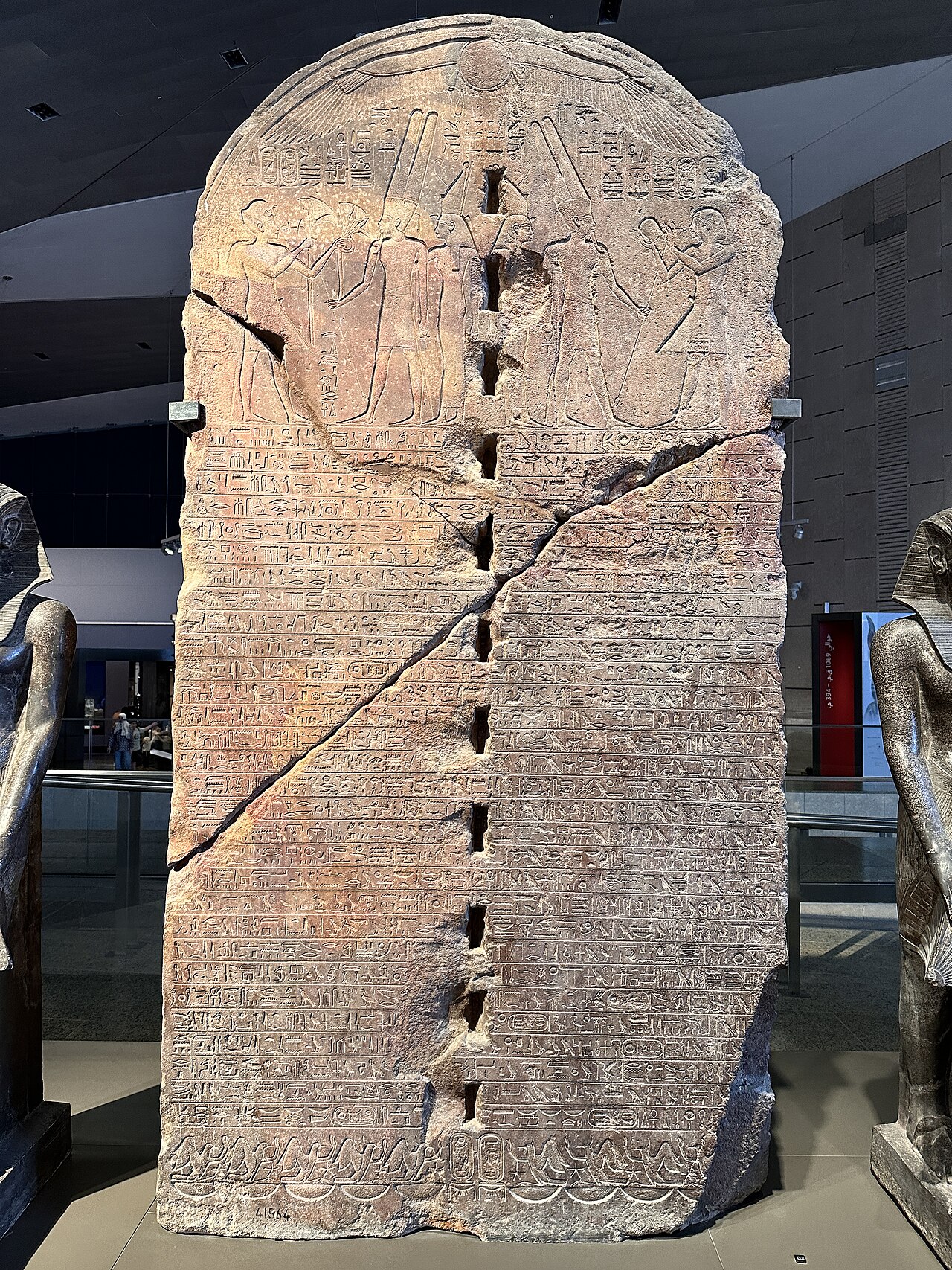
Restoration Stela
Tutankhamun · c. 1326 BCE
Ready when you are
Start chatting with Tutankhamun now.
20 messages free · No credit card · Available in 50+ languages.