


Secondary sourceSculpture1st century CE
Socrates
1st century CE
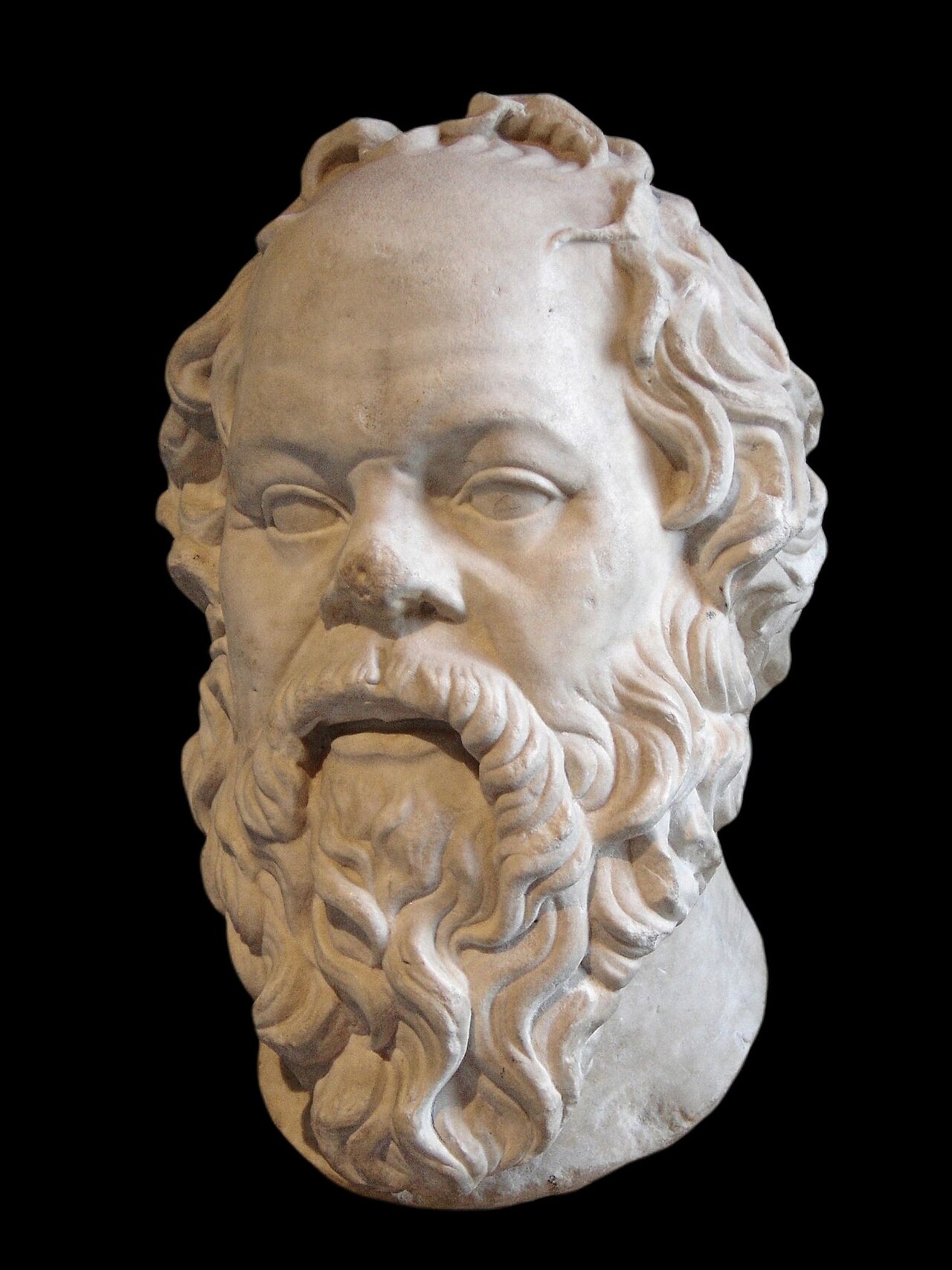
A Roman marble bust believed to copy an earlier Greek portrait type, showing the distinctive snub nose and bulging eyes ancient writers attributed to Socrates.
This bust is one of the main surviving images used to imagine Socrates' physical appearance.
About this source
What it is
This marble bust, made in the 1st century CE, is a Roman copy of an older Greek portrait type of Socrates, possibly derived from a lost bronze statue by Lysippos. It is held today in the Department of Greek, Etruscan, and Roman Antiquities of the Louvre.
Why it matters
No portrait of Socrates was made during his own lifetime from life; what survives are later copies based on earlier types that drew on descriptions by his contemporaries, who called him unusually plain-looking, with a snub nose and bulging eyes, sometimes compared to the mythical Silenus. This bust shows how ancient societies built and preserved an image of a famous thinker long after his death, long before photography existed.
Look closer
- How reliable can a portrait be if it was made centuries after the person died?
- Why might sculptors have kept copying the same unflattering features instead of making Socrates look more conventionally attractive?
- What does the choice of marble and the formal bust format suggest about how later societies wanted to remember him?
This sculpture is part of the curated material that grounds the AI version of Socrates on Humy.ai — when students ask about related events, the AI can quote it and cite it.
More Socrates sources
Meet the AI Socrates →Secondary source
Apology
Plato · c. 395 BC
 Painting
Secondary source
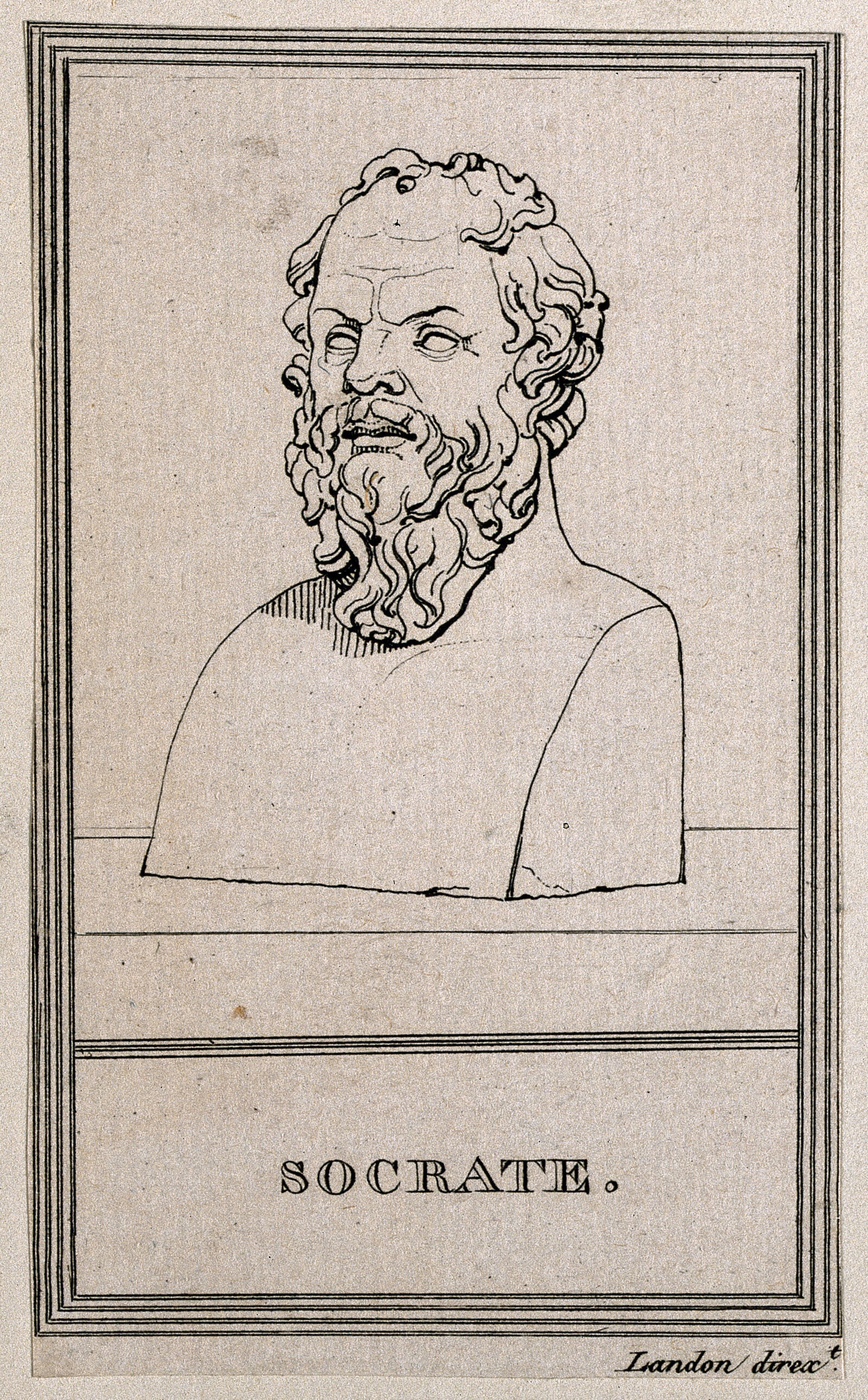
Line Engraving of Socrates by Landon
Charles Paul Landon
 Book
Secondary source
Crito
Plato · c. 400 BC
 Painting
Secondary source
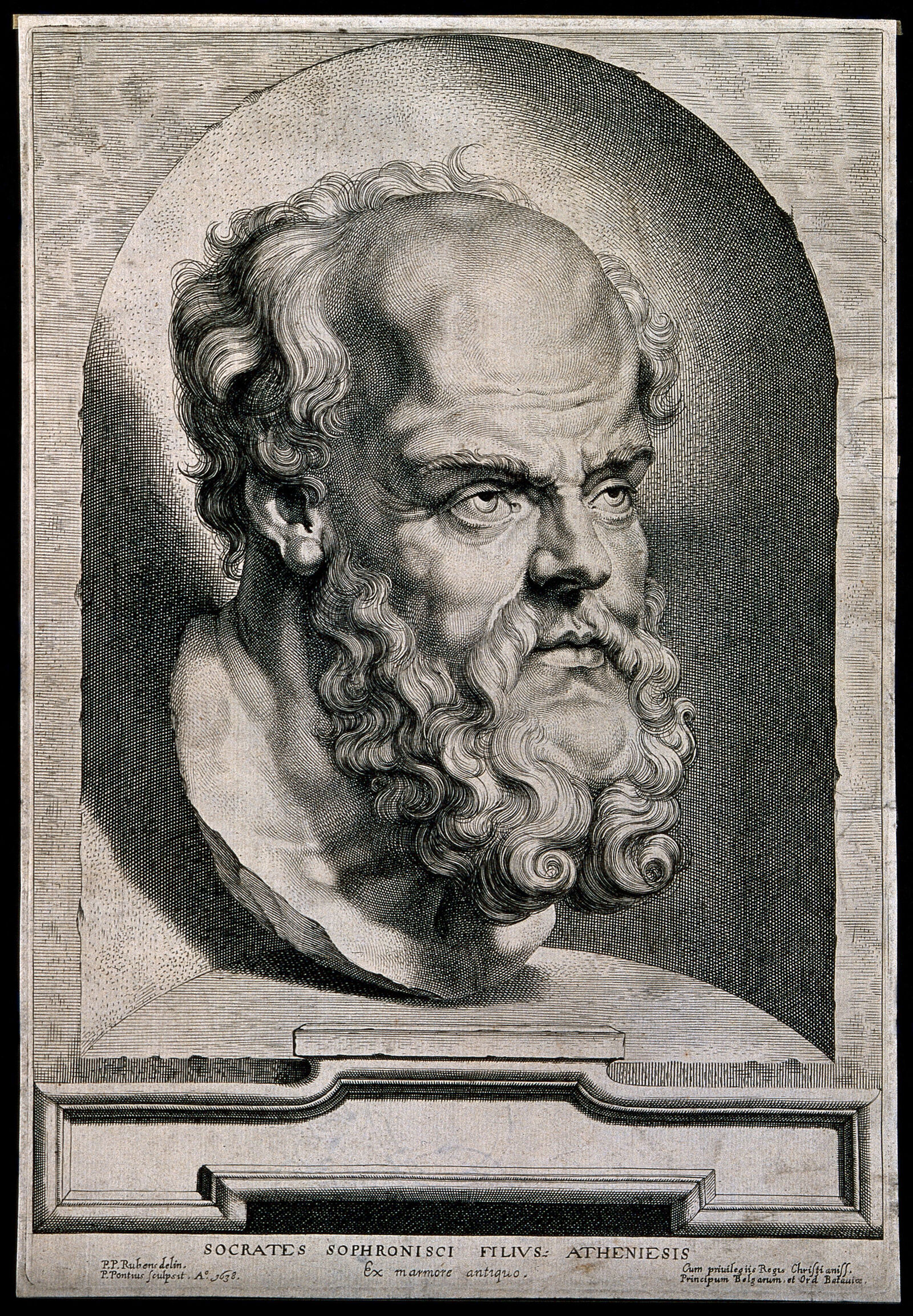
Socrates Engraving after Rubens by Pontius
Peter Paul Rubens · 1638
 Photograph
Secondary source
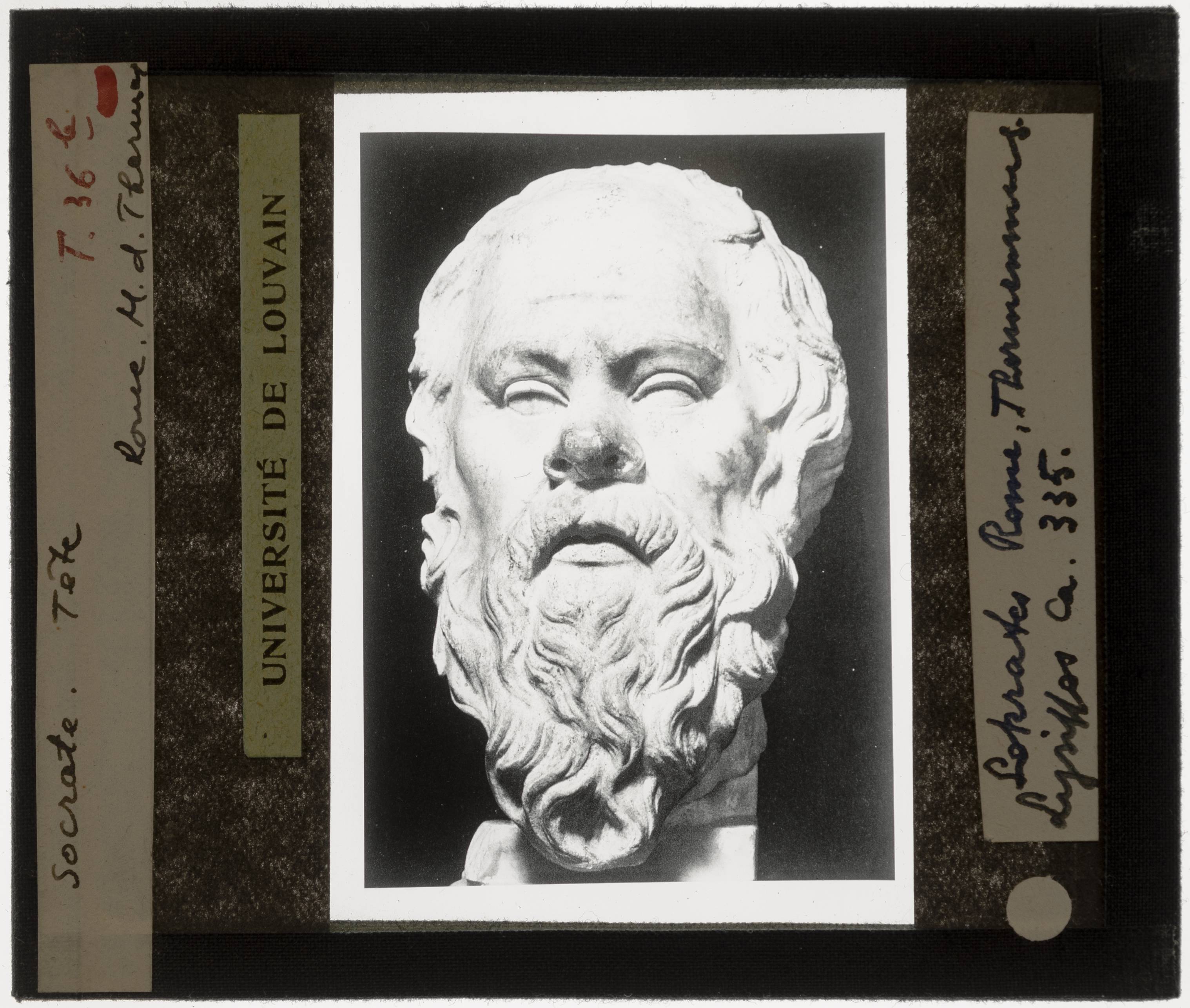
Roman Marble Bust of Socrates
between 1839 and 1939
Ready when you are
Start chatting with Socrates now.
20 messages free · No credit card · Available in 50+ languages.