


Secondary sourceArtifact1st century BCE-CE (gem); 2008 (photograph)
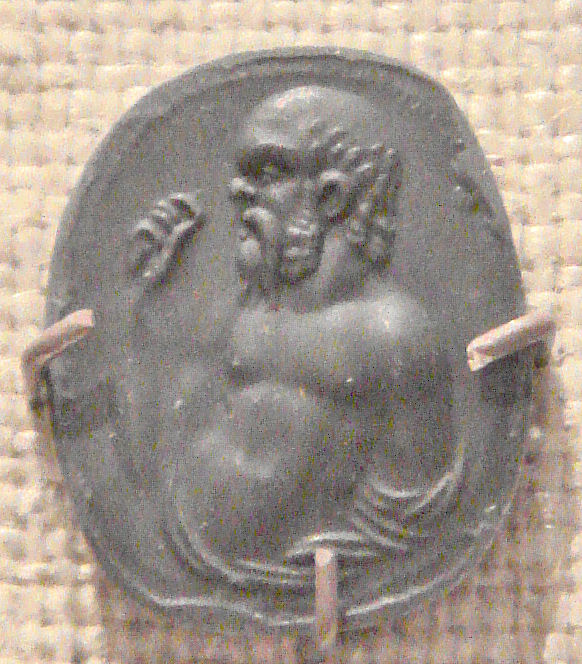
Socrates Carnelian Gem Imprint
PHGCOM · 1st century BCE-CE (gem); 2008 (photograph)
A photograph of a Roman-era gem imprint showing a profile portrait identified as Socrates.
A Roman-era artistic portrait believed to represent Socrates, showing how later generations imagined his appearance.
About this source
What it is
This is a photograph of an impression taken from a carnelian gem made in Rome sometime between the 1st century BCE and 1st century CE. It shows a bearded man in profile with a receding hairline, his hand raised near his head.
Why it matters
Gems like this were used in the ancient world as seals or decorative items, often carved with portraits of famous philosophers. This image shows how Socrates' face, though he left no written self-portrait, was imagined and reproduced by artisans centuries after his death, shaping how people pictured him.
Look closer
- How reliable do you think this portrait is as a likeness of the real Socrates?
- Why might Romans have wanted gems carved with portraits of Greek philosophers?
- What details in the image suggest the person depicted is meant to be a philosopher?
This artifact is part of the curated material that grounds the AI version of Socrates on Humy.ai — when students ask about related events, the AI can quote it and cite it.
More Socrates sources
Meet the AI Socrates →Secondary source
Apology
Plato · c. 395 BC
 Painting
Secondary source
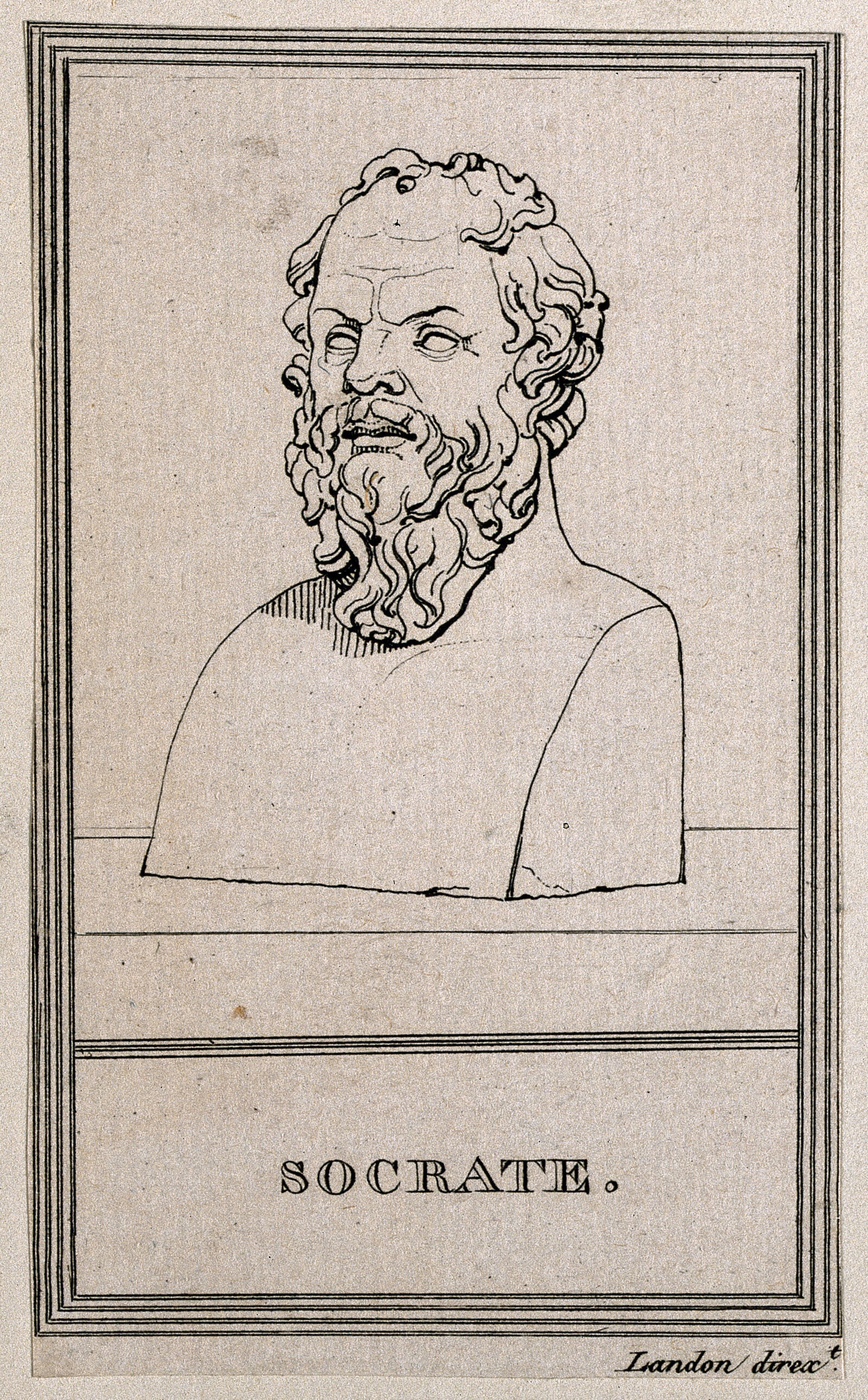
Line Engraving of Socrates by Landon
Charles Paul Landon
 Book
Secondary source
Crito
Plato · c. 400 BC
 Painting
Secondary source
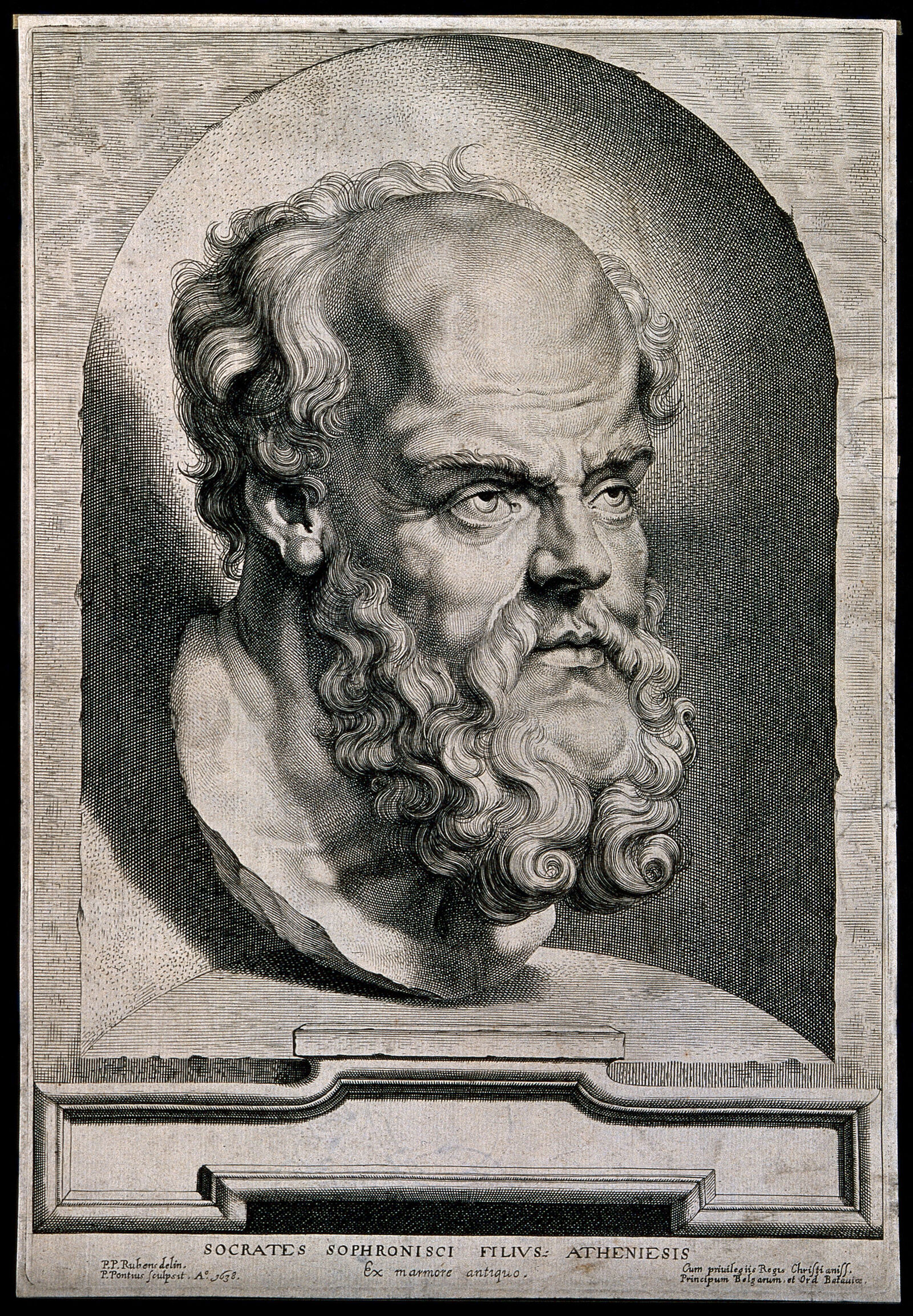
Socrates Engraving after Rubens by Pontius
Peter Paul Rubens · 1638
 Photograph
Secondary source
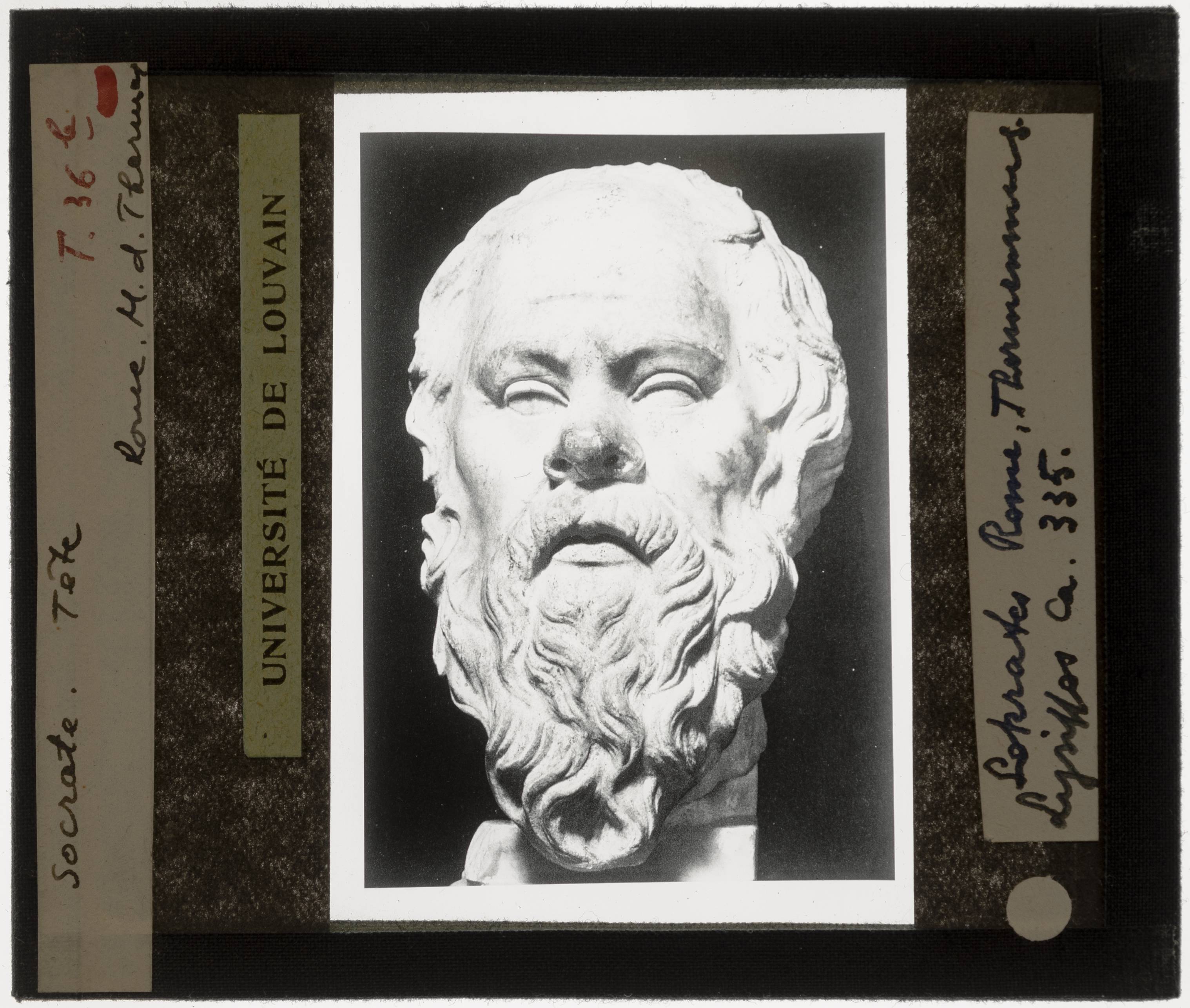
Roman Marble Bust of Socrates
between 1839 and 1939
Ready when you are
Start chatting with Socrates now.
20 messages free · No credit card · Available in 50+ languages.