


Primary sourceBook1691
Some Considerations of the Consequences of the Lowering of Interest and Raising the Value of Money
John Locke · 1691
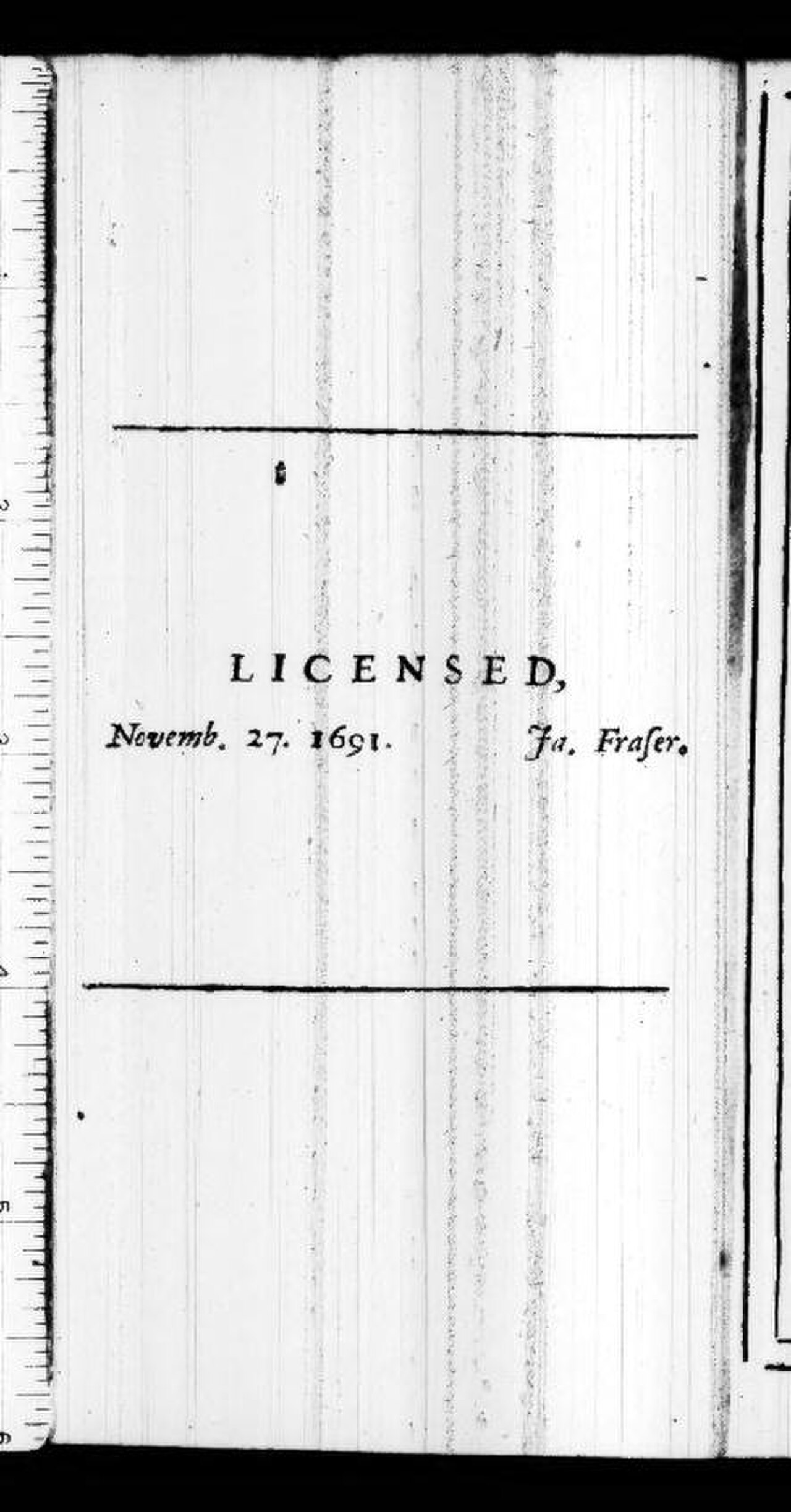
A 1691 economic tract by John Locke on interest rates and currency value, showing his work as a monetary theorist.
This is Locke's own economic treatise, showing his role as a monetary theorist and policy adviser.
About this source
What it is
This is a printed book written by John Locke in 1691, addressing the economic debates of his time over interest rates and the value of money.
Why it matters
Locke was not only a philosopher of government and knowledge but also an adviser on practical questions of finance during a period of major monetary reform in England. This tract reveals his engagement with economic policy, showing that his influence stretched beyond political theory into the financial revolution of his era.
Look closer
- What does the formal, careful style of the text suggest about who Locke expected to read it?
- Why might a philosopher also want to write about money and interest rates?
- What does this tell you about the range of problems educated people were expected to address in Locke's time?
This book is part of the curated material that grounds the AI version of John Locke on Humy.ai — when students ask about related events, the AI can quote it and cite it.
More John Locke sources
Meet the AI John Locke →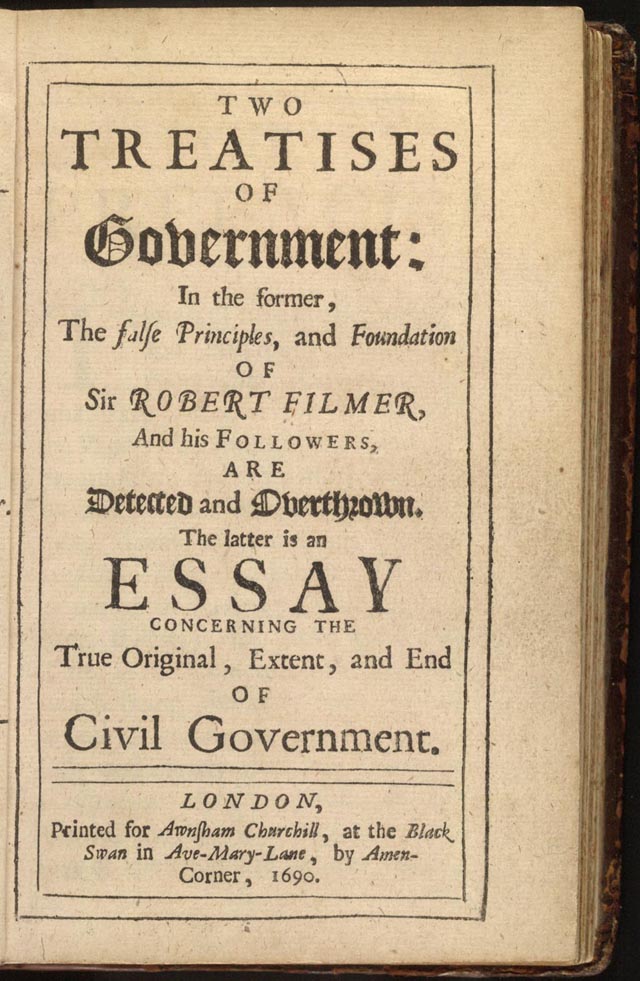 Book
Primary source
Two Treatises of Government
John Locke · 1689 (dated 1690)
 Book
Primary source
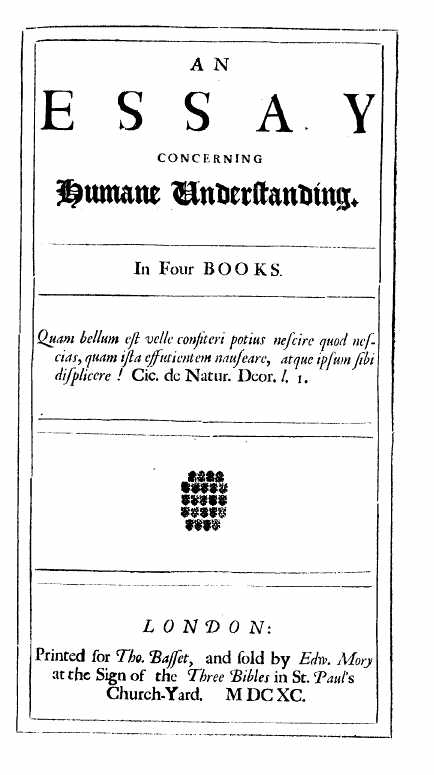
An Essay Concerning Human Understanding
John Locke · 1689 (dated 1690)
 Painting
Secondary source
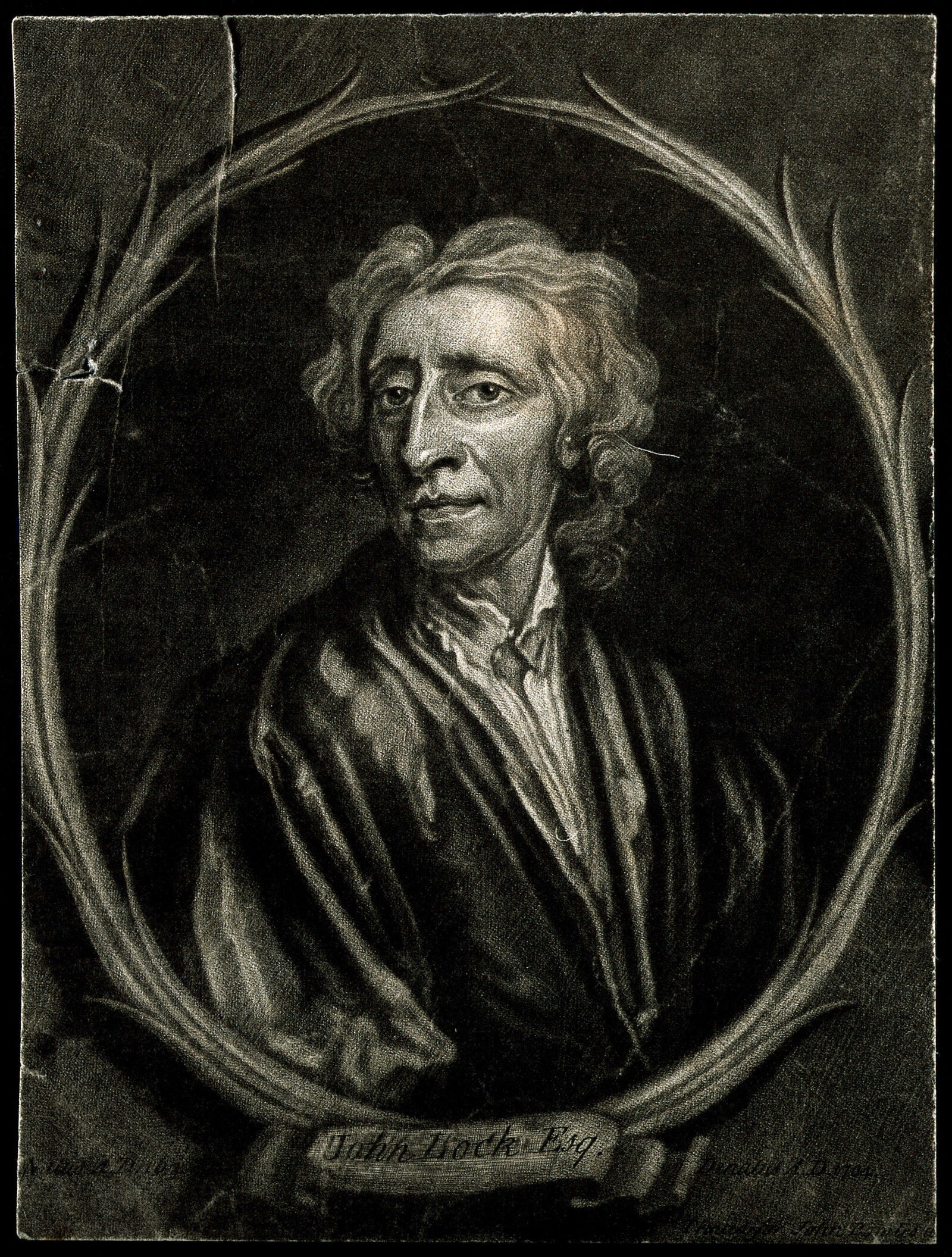
John Locke, Mezzotint after Godfrey Kneller
Godfrey Kneller
 Letter
Primary source
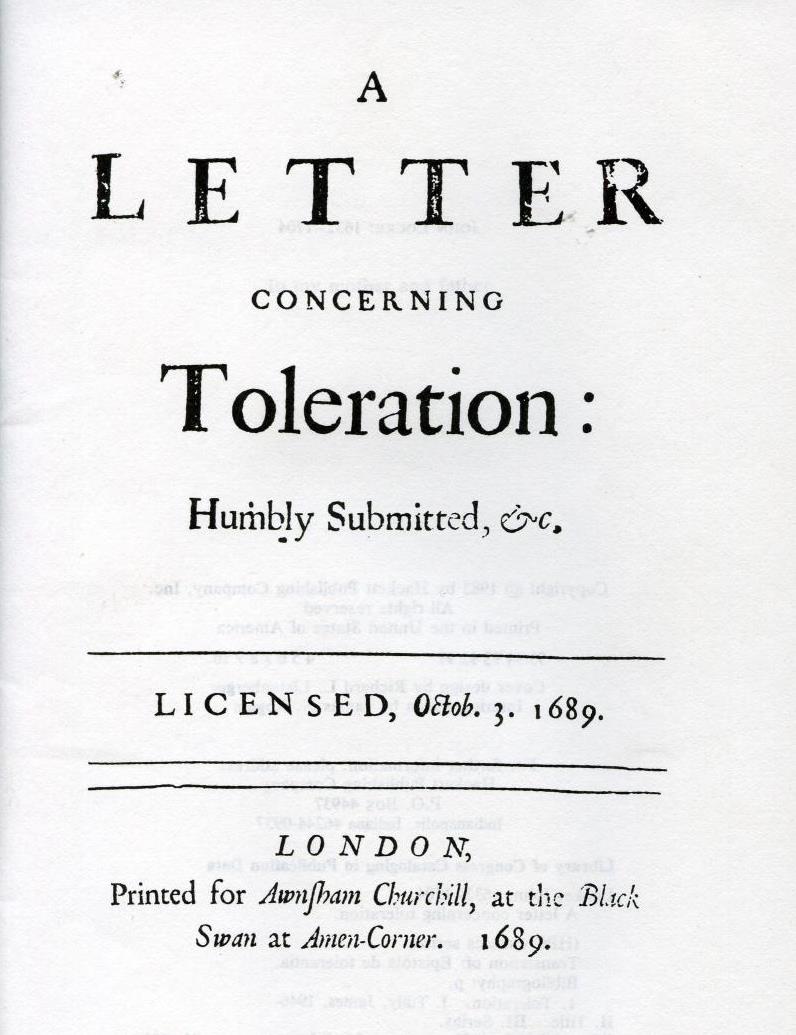
A Letter Concerning Toleration
John Locke · written 1685-1686, published 1689
 Painting
Secondary source
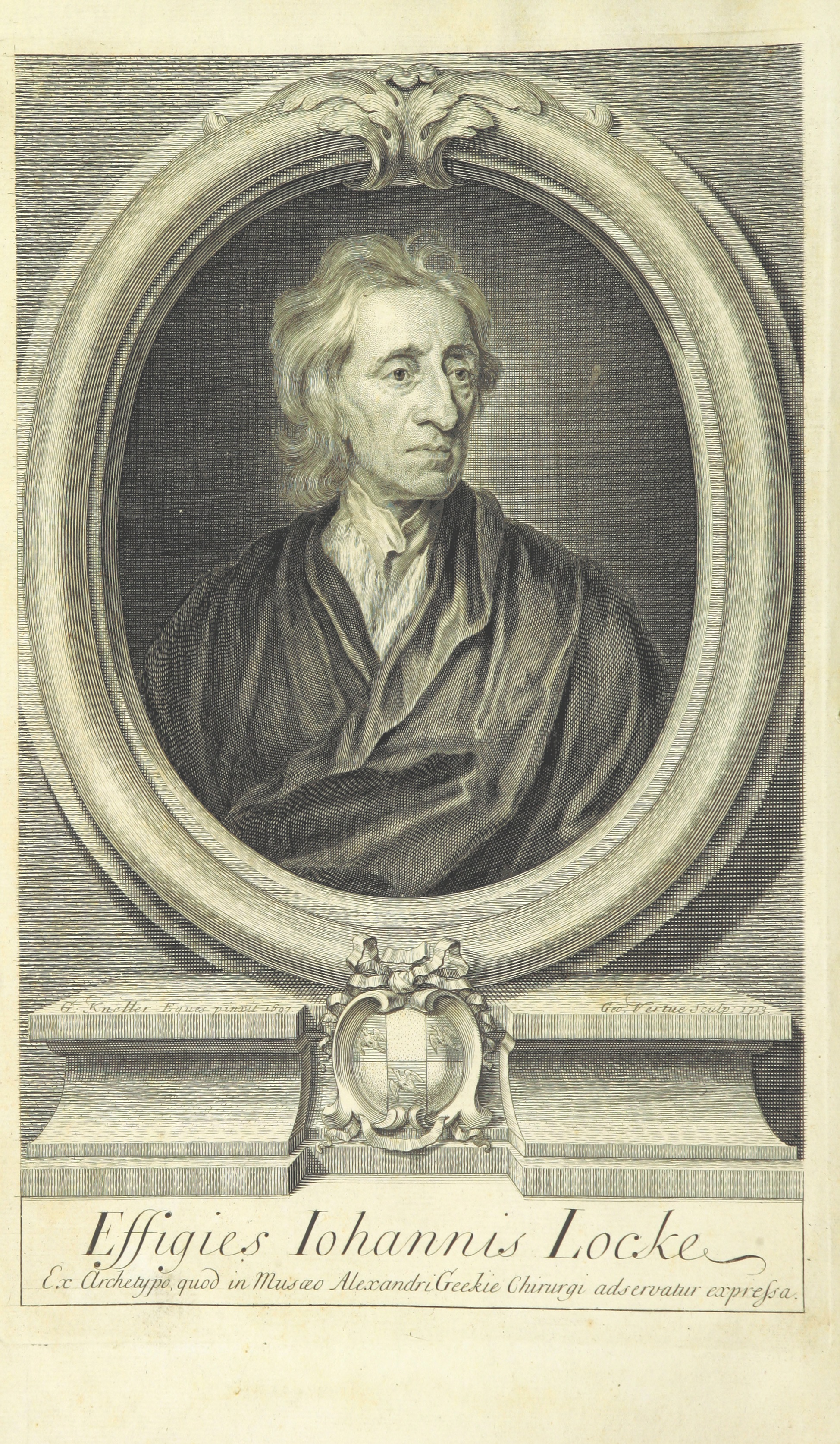
Portrait of John Locke, frontispiece to Works
George Vertue, after Sir Godfrey Kneller · 1722
Ready when you are
Start chatting with John Locke now.
20 messages free · No credit card · Available in 50+ languages.