


Primary sourceBook1693
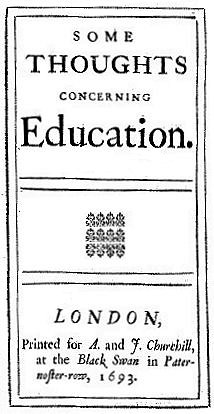
Some Thoughts Concerning Education
John Locke · 1693
Locke's 1693 treatise on raising and educating children, grown out of letters he wrote advising a friend on his son's upbringing.
Locke's own treatise applying his philosophy of mind to the practical education of children.
About this source
What it is
Some Thoughts Concerning Education is a treatise on educating gentlemen, written by John Locke and published in 1693. It grew out of letters Locke wrote in 1684 advising his friends Edward and Mary Clarke on raising their son, and was published anonymously at the urging of the Clarkes and another friend, William Molyneux.
Why it matters
The book applies Locke's theory from his Essay Concerning Human Understanding that the mind begins as a blank slate, arguing that education—not innate nature—makes the person. It became the most important work on education in England for over a century and was translated widely across Europe, influencing later writers including Jean-Jacques Rousseau.
Look closer
- Why might Locke have chosen to publish this book anonymously at first?
- How does the idea of the mind as a 'blank slate' connect to Locke's advice about raising children?
- Who was this education designed for, and who might it have left out?
This book is part of the curated material that grounds the AI version of John Locke on Humy.ai — when students ask about related events, the AI can quote it and cite it.
More John Locke sources
Meet the AI John Locke →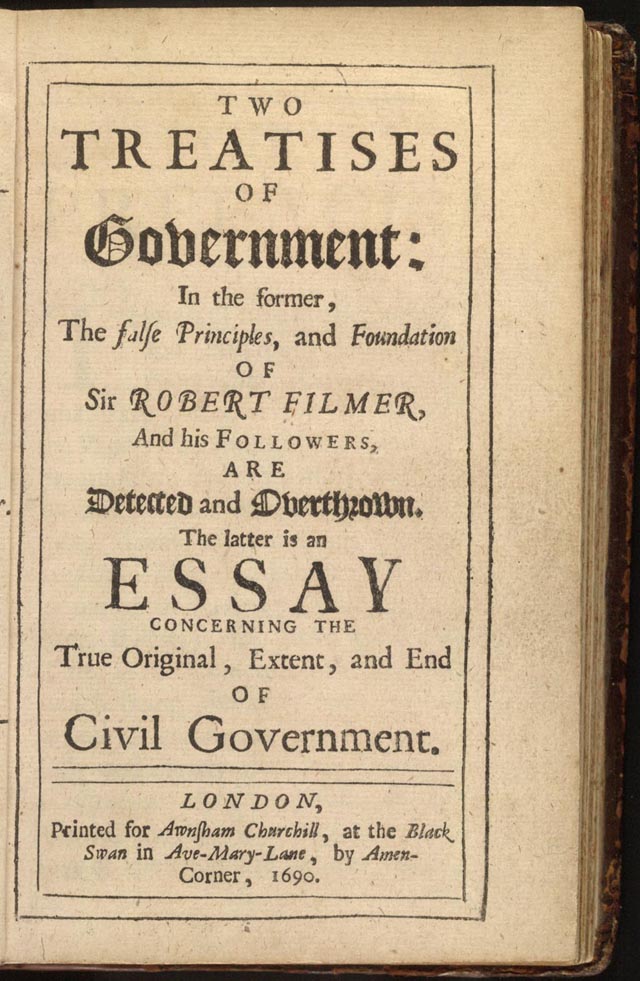 Book
Primary source
Two Treatises of Government
John Locke · 1689 (dated 1690)
 Book
Primary source
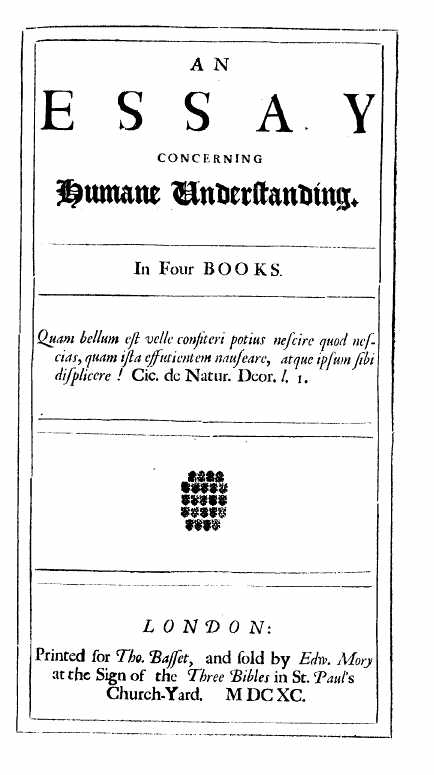
An Essay Concerning Human Understanding
John Locke · 1689 (dated 1690)
 Painting
Secondary source
John Locke, Mezzotint after Godfrey Kneller
Godfrey Kneller
 Letter
Primary source
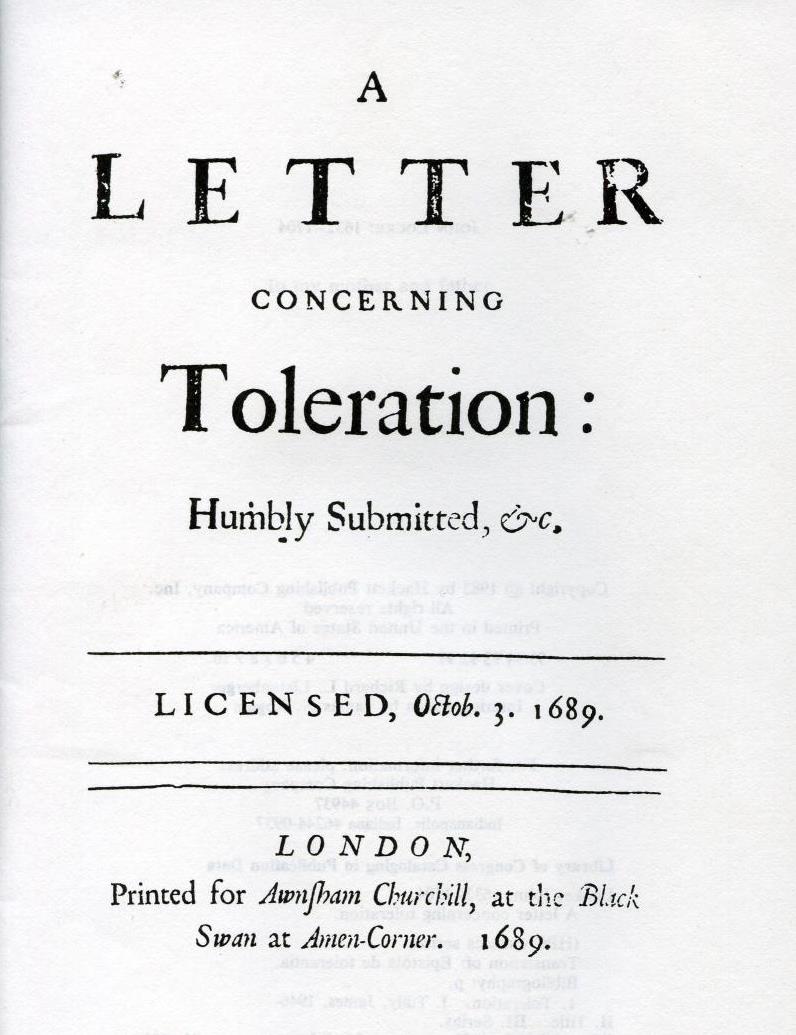
A Letter Concerning Toleration
John Locke · written 1685-1686, published 1689
 Painting
Secondary source
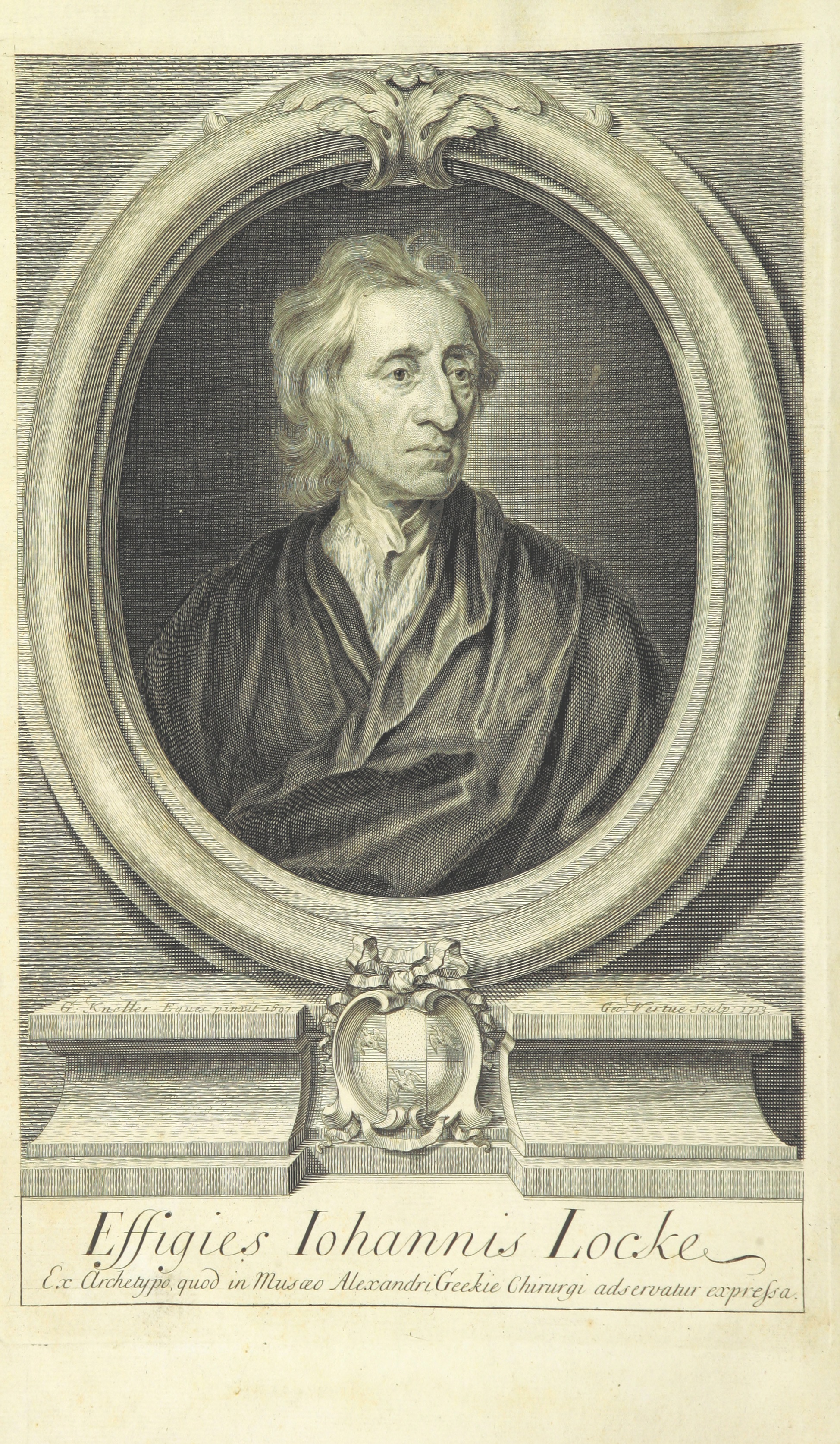
Portrait of John Locke, frontispiece to Works
George Vertue, after Sir Godfrey Kneller · 1722
Ready when you are
Start chatting with John Locke now.
20 messages free · No credit card · Available in 50+ languages.