


Primary sourceBook
Sophist
Plato
Plato's dialogue examining the nature of being and falsehood, featuring Socrates and a visitor from Elea, in the original Greek.
This dialogue was written by Plato, exploring philosophical questions about being and falsehood through dialogue.
About this source
What it is
The Sophist is a dialogue written by Plato, continuing on from the Theaetetus, in which Socrates and a visiting philosopher from Elea discuss how to define a 'sophist' and examine deep questions about being and non-being. This is the critical Greek text edited by John Burnet in 1903.
Why it matters
The dialogue tackles difficult philosophical problems about truth, falsehood and existence that influenced later Western philosophy. It shows Plato's characteristic approach of using carefully structured conversations, often led by Socrates or another philosophical figure, to work through complex ideas step by step.
Look closer
- Why does Plato introduce a new, unnamed visitor from Elea rather than having Socrates lead the whole discussion?
- What makes defining a 'sophist' so difficult, according to the dialogue's approach?
- What do the characters' different viewpoints reveal about Plato's own thinking?
This book is part of the curated material that grounds the AI version of Plato on Humy.ai — when students ask about related events, the AI can quote it and cite it.
More Plato sources
Meet the AI Plato →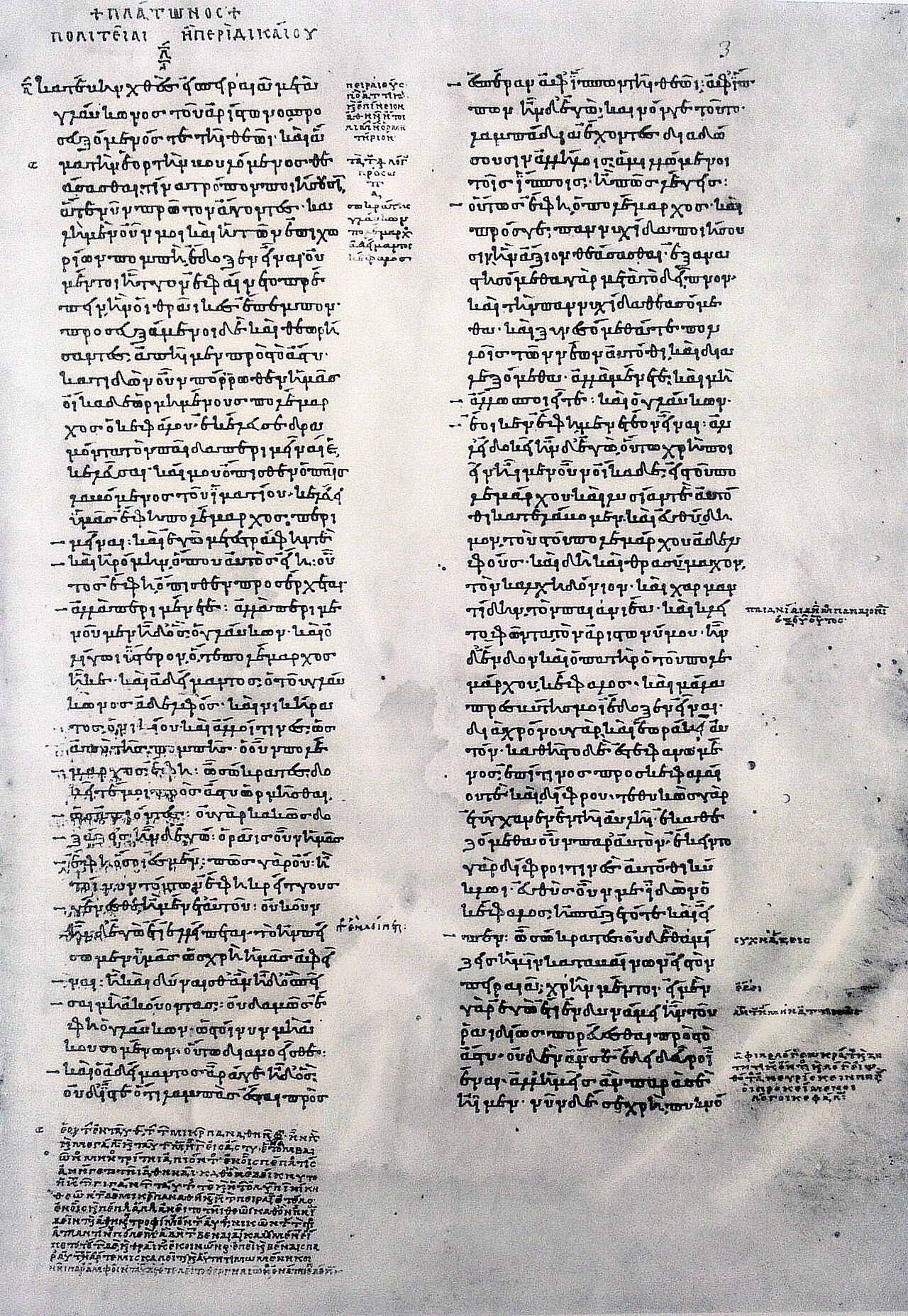 Book
Secondary source
The Republic
Plato · c. 375 BC
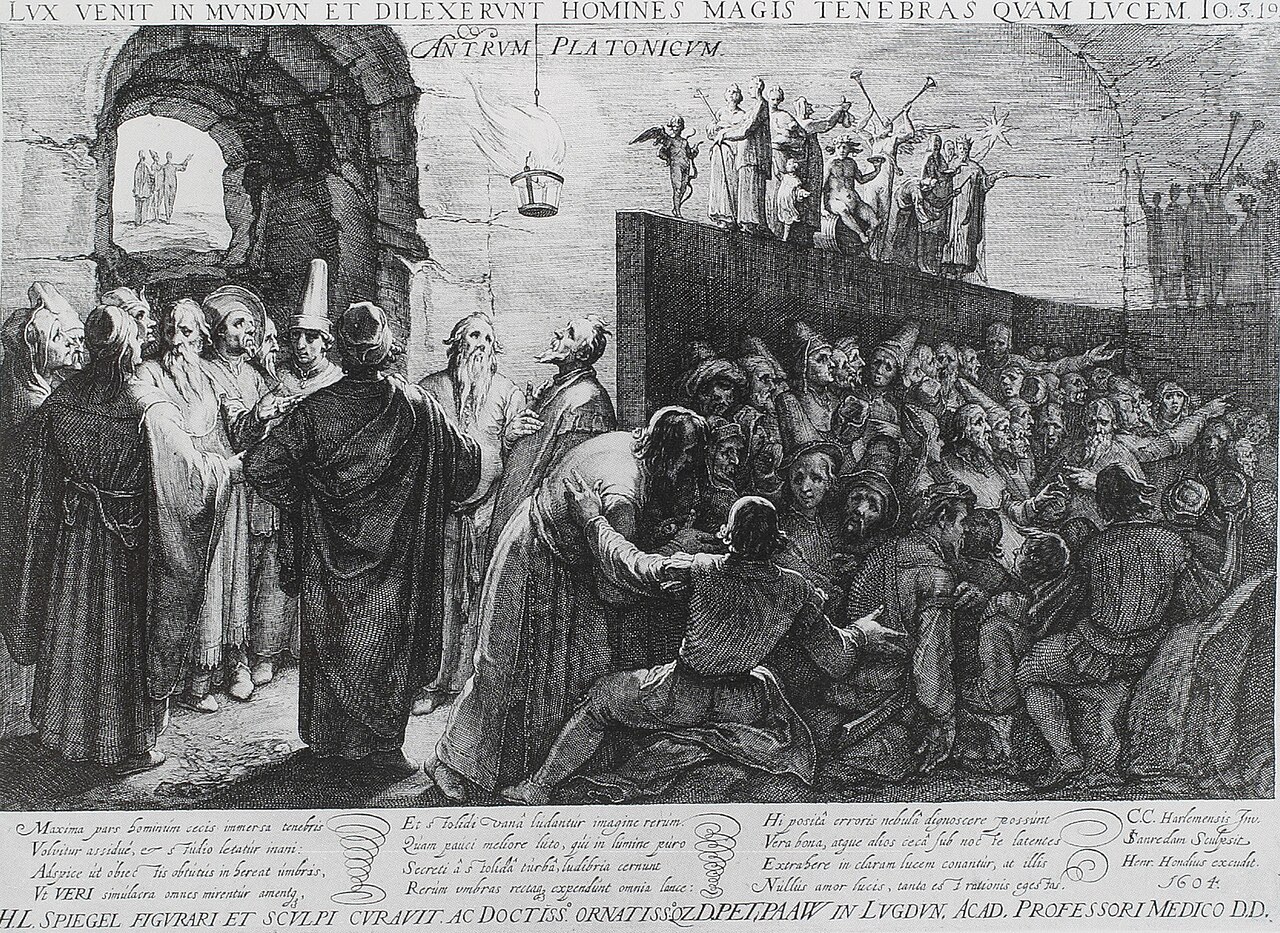 Book
Primary source
Allegory of the Cave
Plato · c. 400 BC
Secondary source
Apology
Plato · c. 395 BC
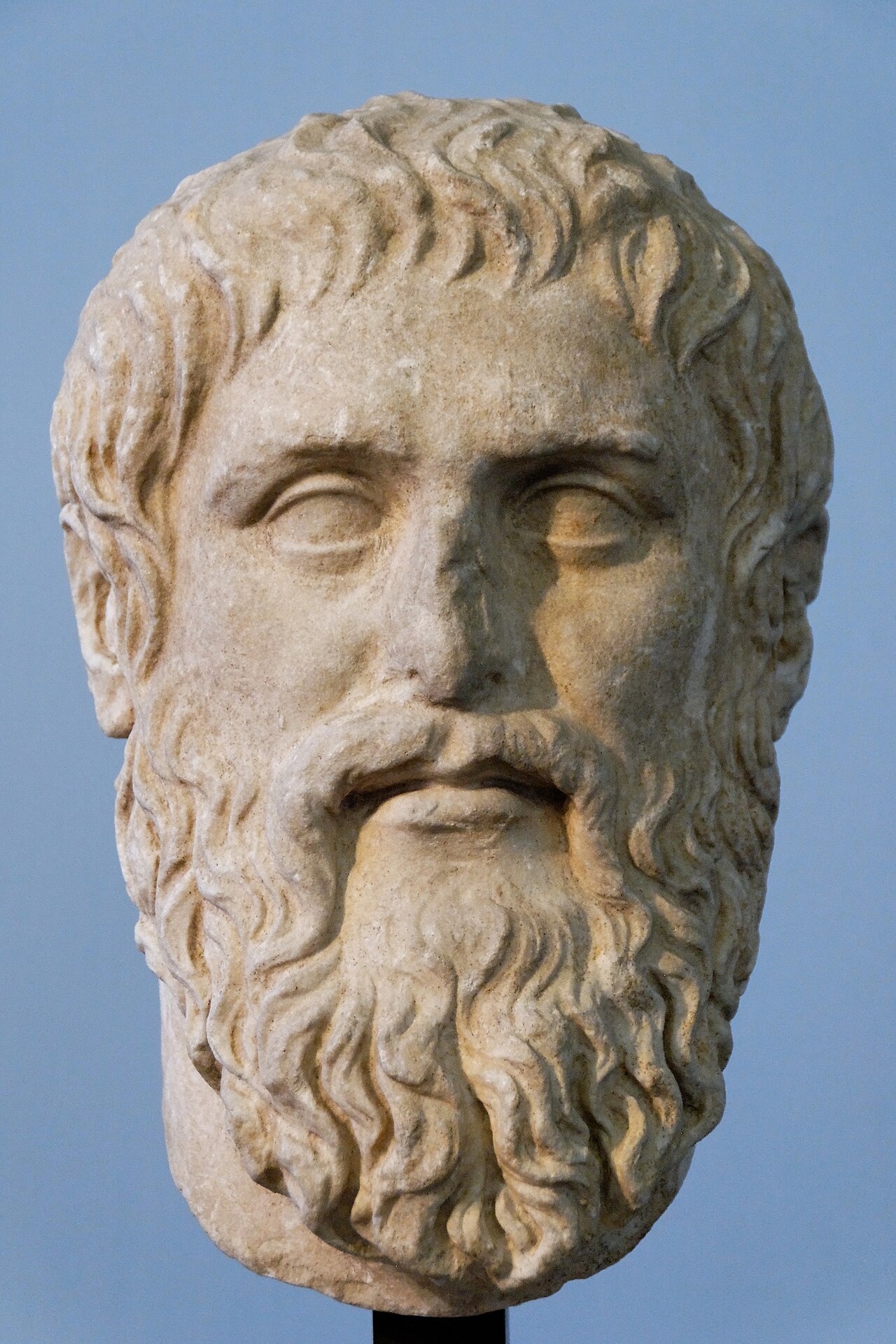 Sculpture
Secondary source
Portrait of Plato
Silanion (original type) · ca. 370 BC (original type); this copy Roman era
 Book
Secondary source
Phaedo
Plato · c. 360 BC
Ready when you are
Start chatting with Plato now.
20 messages free · No credit card · Available in 50+ languages.