


Primary sourceBookc. 360 BC
Sophist
Plato · c. 360 BC
A late dialogue by Plato in which an unnamed visitor from Elea, the Eleatic Stranger, uses the method of division to define the sophist and set him apart from the philosopher and statesman.
Plato wrote this late dialogue, showing his later method of division and his thinking about being and not-being.
About this source
What it is
The Sophist is a dialogue written by Plato, most likely in 360 BC, late in his career. Socrates is present but plays only a minor role. The Eleatic Stranger leads a discussion with the young mathematician Theaetetus to define what a sophist is. Their main tool is division (diairesis), which sorts a kind into smaller kinds step by step.
Why it matters
The dialogue shows Plato's later way of doing philosophy, with careful classification and abstract argument. Scholars often connect it to his theory of Forms and compare it with the Parmenides. Comic poets of Plato's time parodied this method of division, so the dialogue also reflects a wider debate about how to argue and think well.
Look closer
- Why does the Eleatic Stranger, rather than Socrates, lead the discussion, and how might that change what the reader trusts?
- How does the dialogue describe the sophist, and what kinds of people or ideas might that description leave out?
- Plato wrote the dialogue, but the views belong to characters. How can you tell which ideas, if any, are Plato's own?
This book is part of the curated material that grounds the AI version of Plato on Humy.ai — when students ask about related events, the AI can quote it and cite it.
More Plato sources
Meet the AI Plato →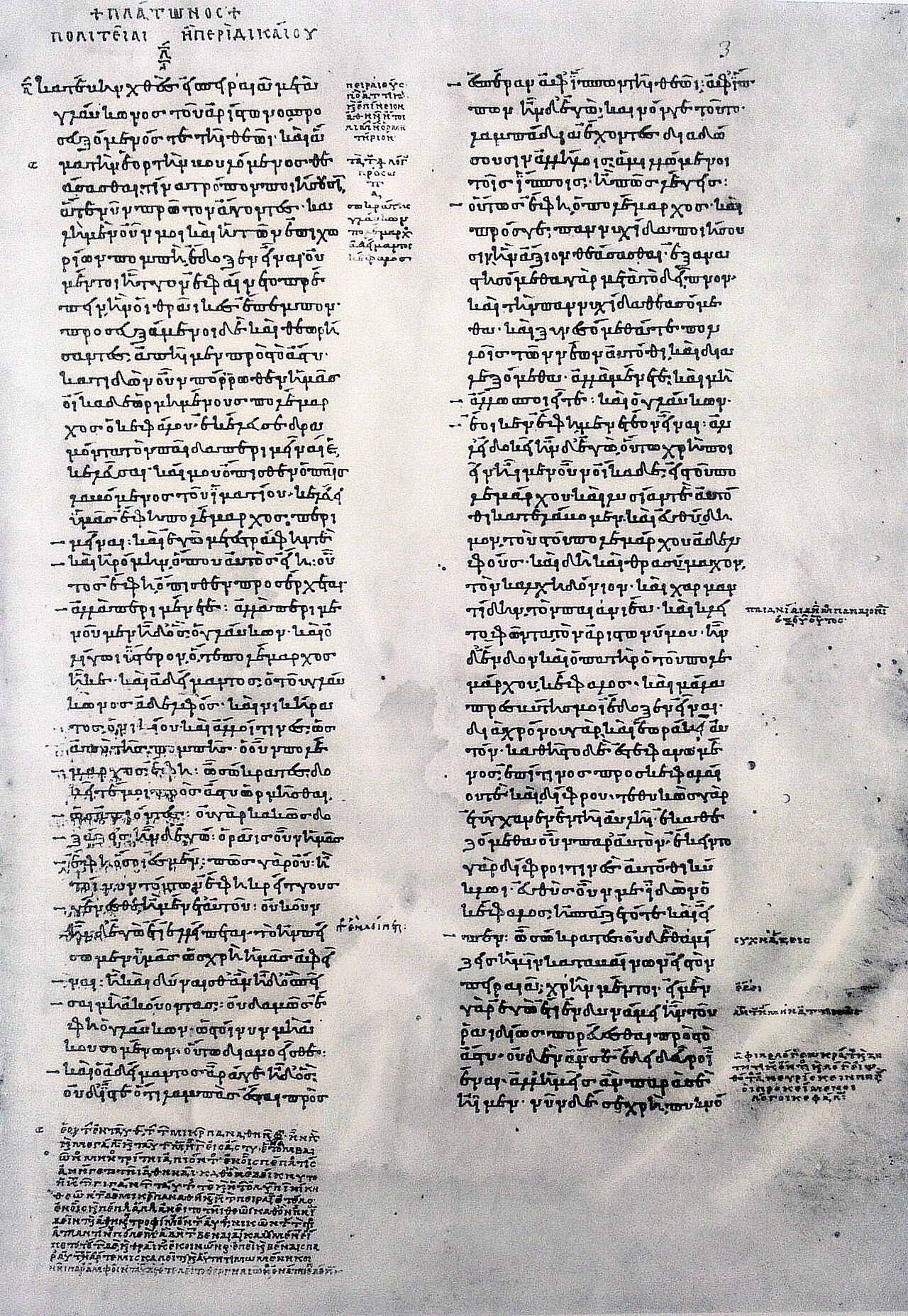 Book
Secondary source
The Republic
Plato · c. 375 BC
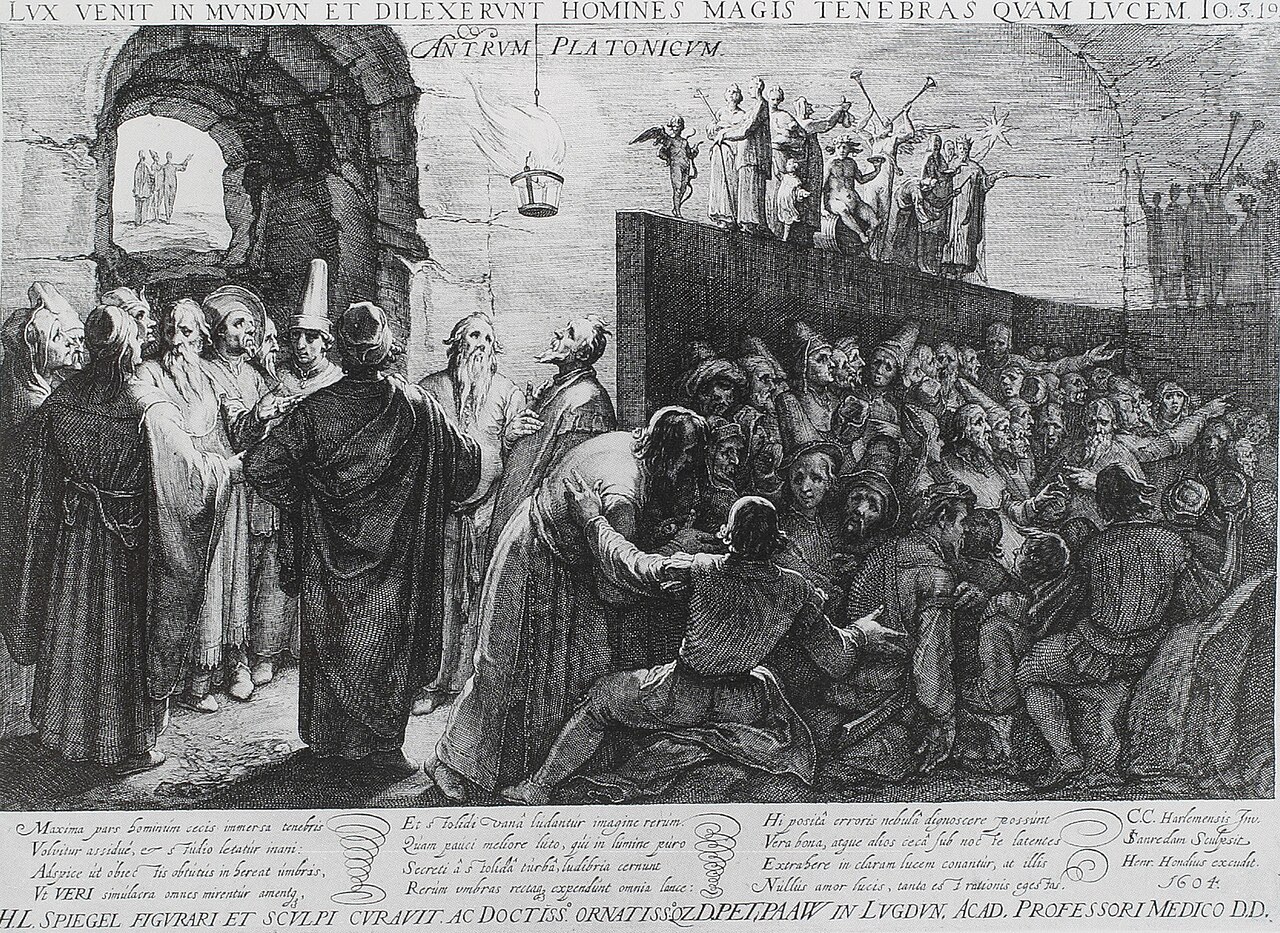 Book
Primary source
Allegory of the Cave
Plato · c. 400 BC
Secondary source
Apology
Plato · c. 395 BC
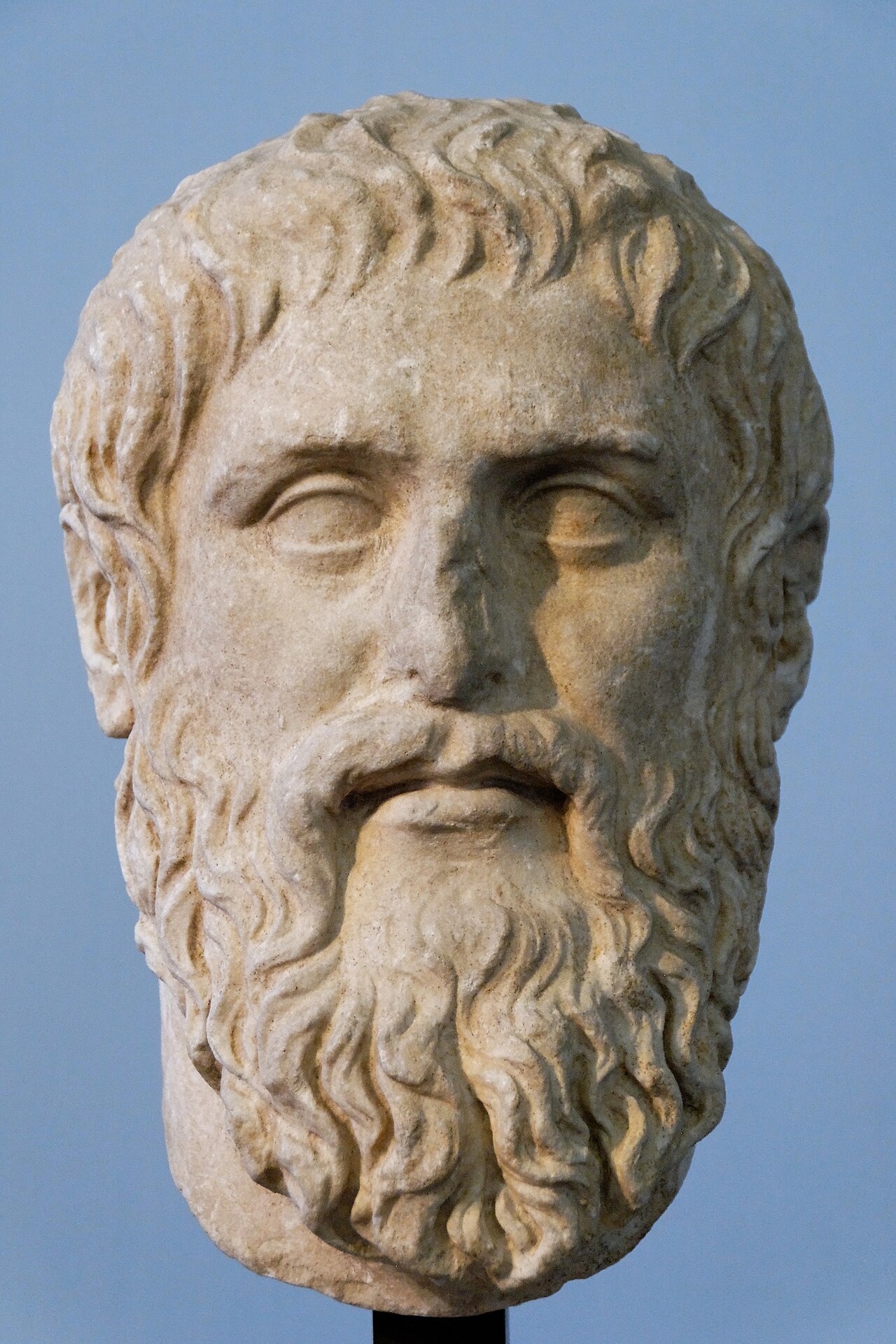 Sculpture
Secondary source
Portrait of Plato
Silanion (original type) · ca. 370 BC (original type); this copy Roman era
 Book
Secondary source
Phaedo
Plato · c. 360 BC
Ready when you are
Start chatting with Plato now.
20 messages free · No credit card · Available in 50+ languages.