


Primary sourceArtifactlate 1st century BC – early 1st century AD
Soreg Inscription
late 1st century BC – early 1st century AD
A Greek stone inscription from Jerusalem's Temple warning non-Jews not to enter, connected to the charge that led to Paul's arrest.
This warning stone illustrates the Temple rule behind the accusation that led to Paul's arrest in Jerusalem.
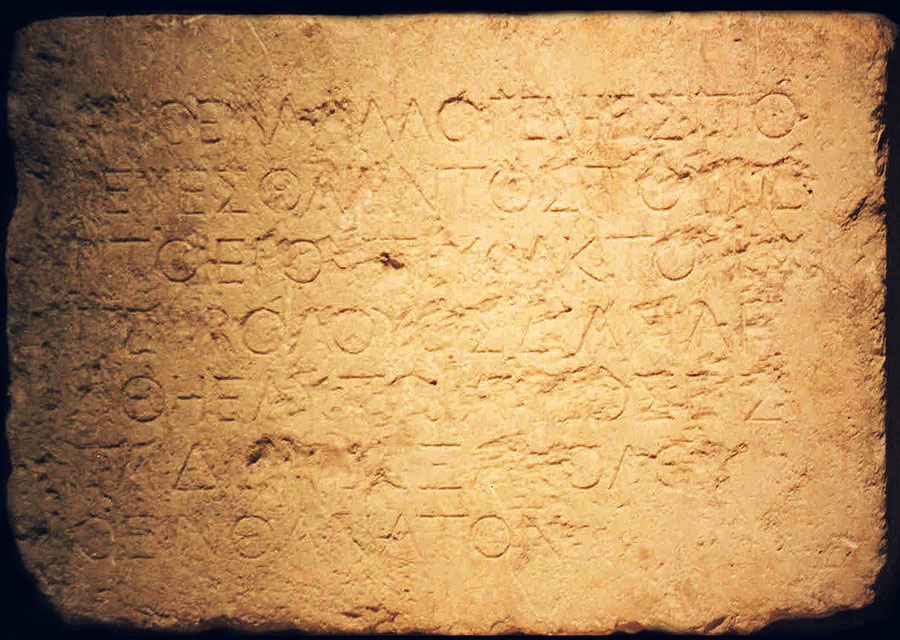
About this source
What it is
This limestone block, carved with Greek letters, dates from around the turn of the era and was found in Jerusalem. It warned non-Jews not to enter the sanctuary area of the Jewish Temple. It is now kept in the National Archaeological Museum in Istanbul.
Why it matters
According to the biblical account, Paul was accused of bringing a non-Jew into the Temple's restricted area, a charge connected to the kind of warning this stone represents. The inscription helps students understand the real physical and religious boundaries that shaped the dispute leading to Paul's arrest in Jerusalem.
Look closer
- Why might such a strict boundary have existed around the Temple?
- How does an inscription like this help explain a story told about a person, even though it does not mention them directly?
- What does the wear on the stone tell you about its age and history?
This artifact is part of the curated material that grounds the AI version of Saint Paul on Humy.ai — when students ask about related events, the AI can quote it and cite it.
More Saint Paul sources
Meet the AI Saint Paul →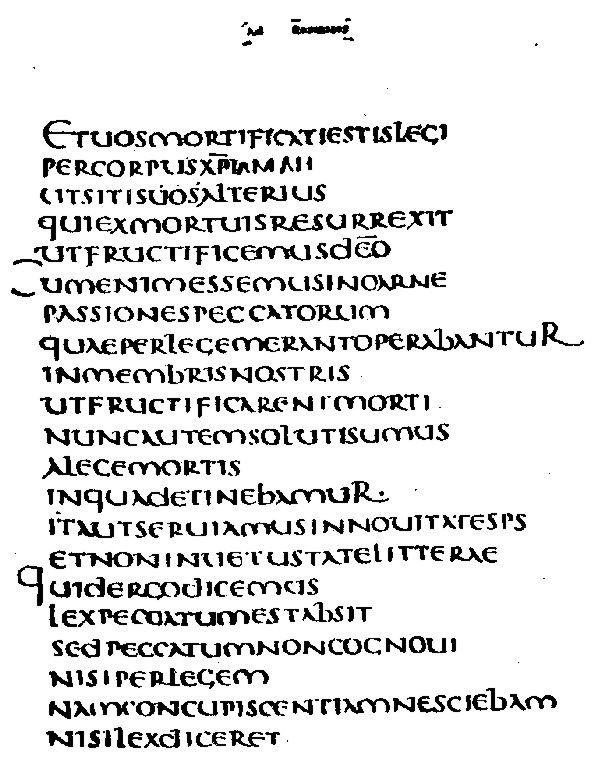 Letter
Primary source
Epistle to the Romans
Paul the Apostle · c. AD 57
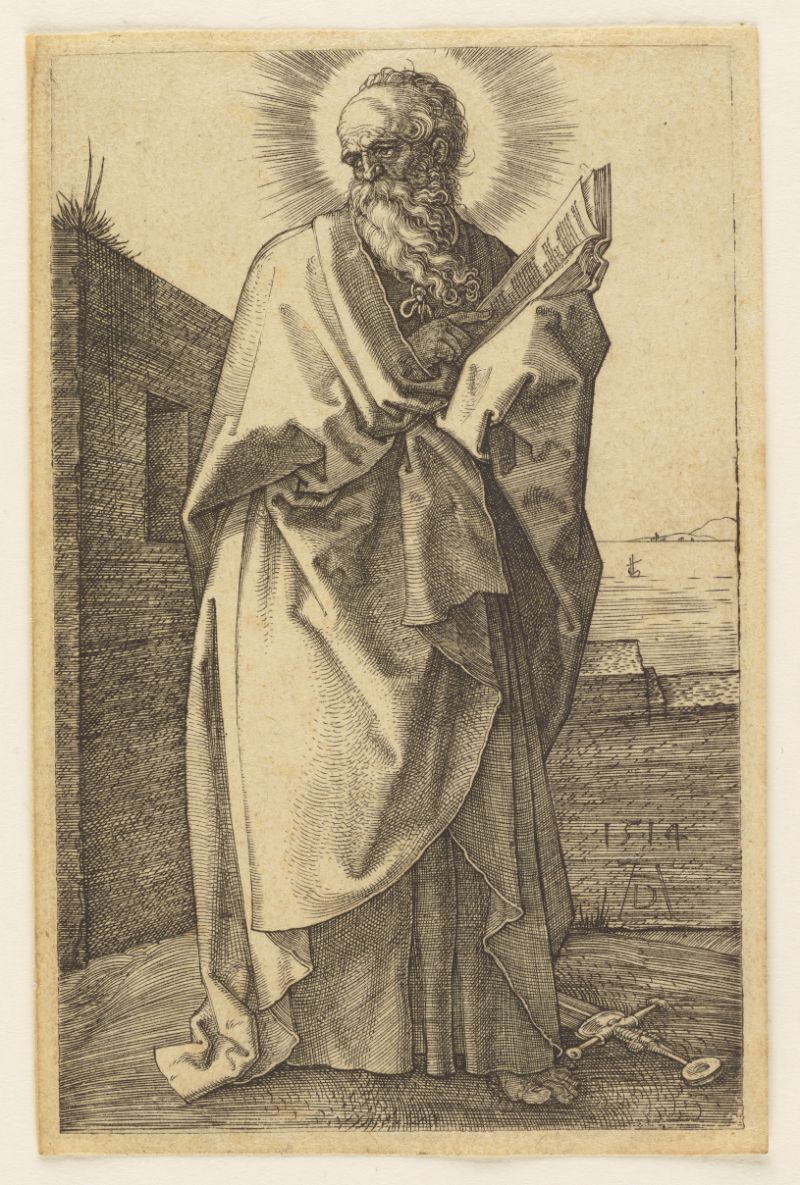 Painting
Secondary source
Saint Paul
Albrecht Dürer · 1514
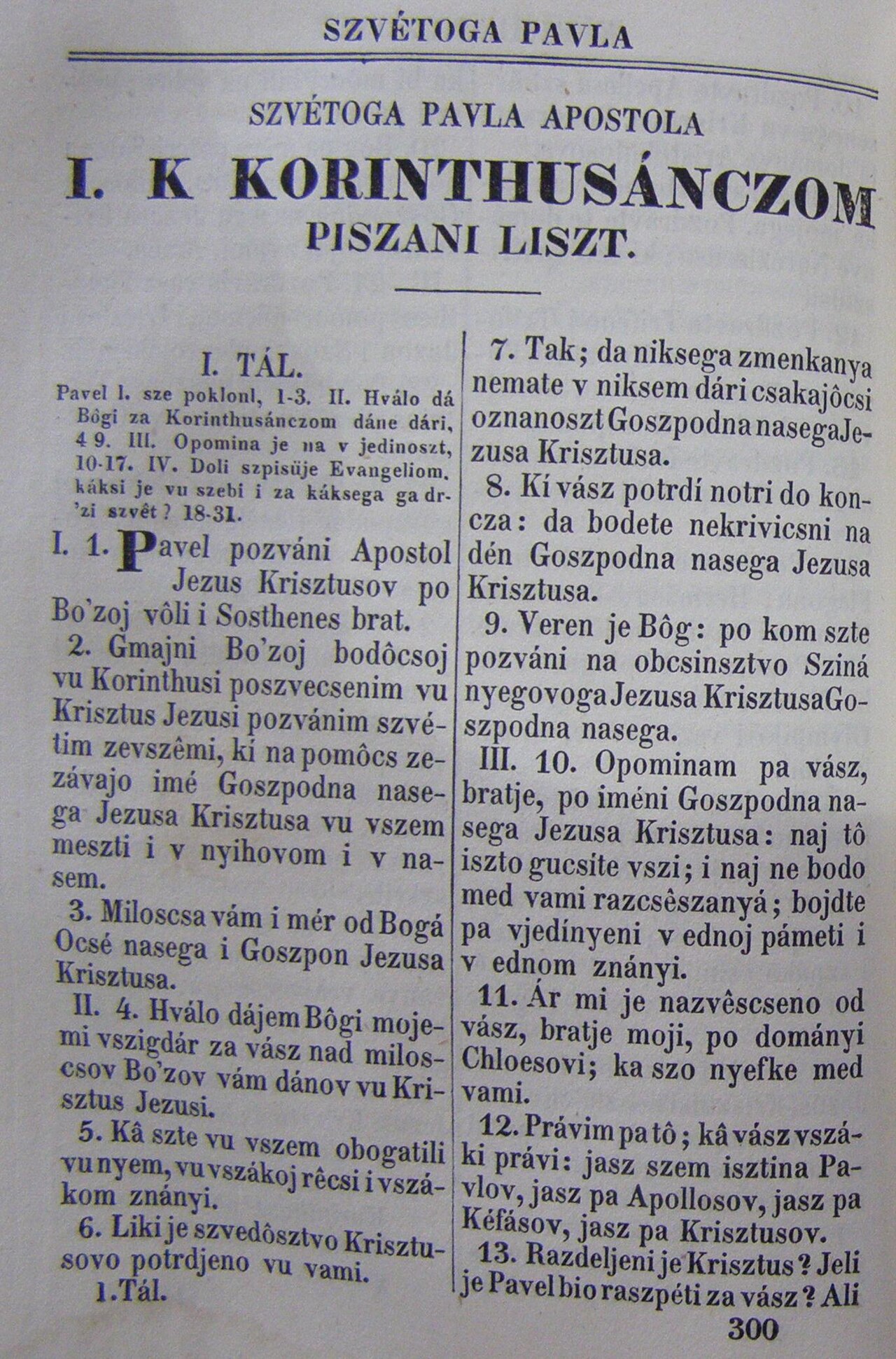 Letter
Secondary source
First Epistle to the Corinthians
Paul the Apostle · c. 54 AD
 Book
Primary source
1 Corinthians 13
Paul the Apostle · c. AD 53-57
 Document
Secondary source
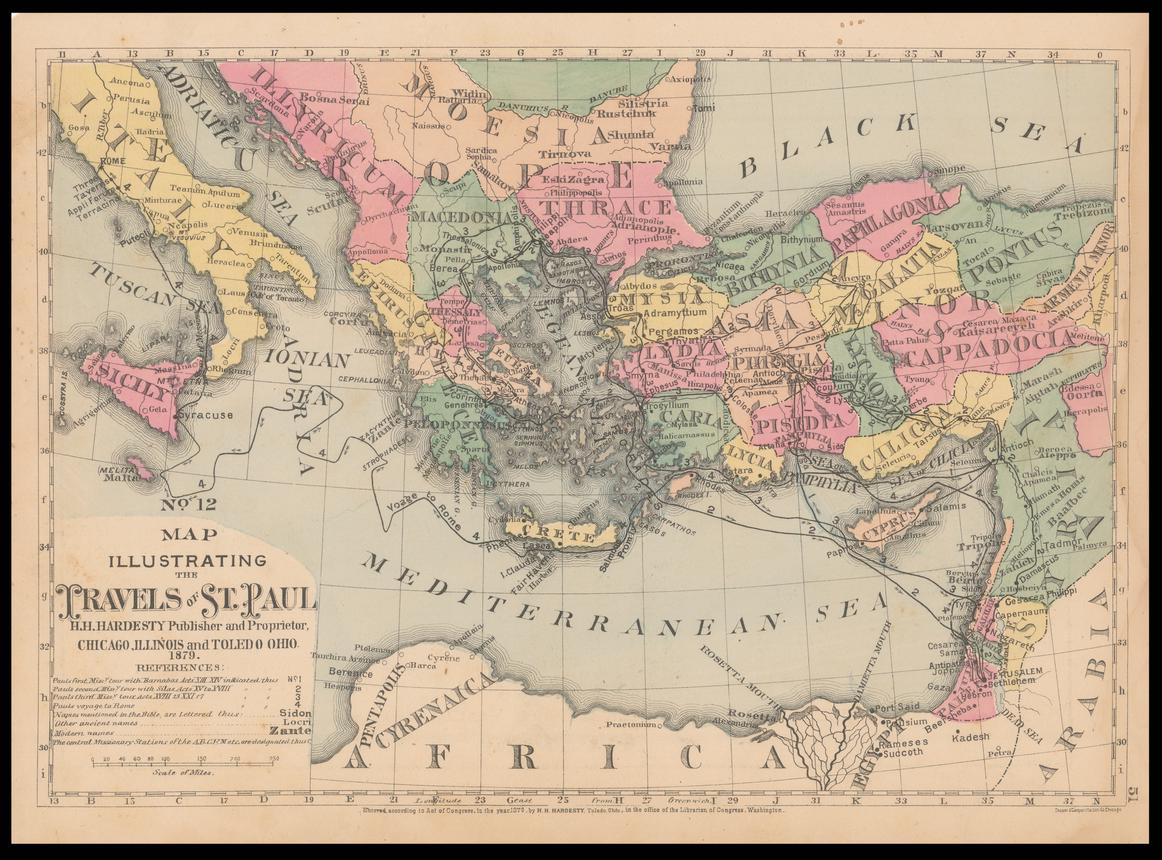
Map Illustrating the Travels of St. Paul
H.H. Hardesty · 1879
Ready when you are
Start chatting with Saint Paul now.
20 messages free · No credit card · Available in 50+ languages.