


Primary sourceSculpturec. 1345 BC
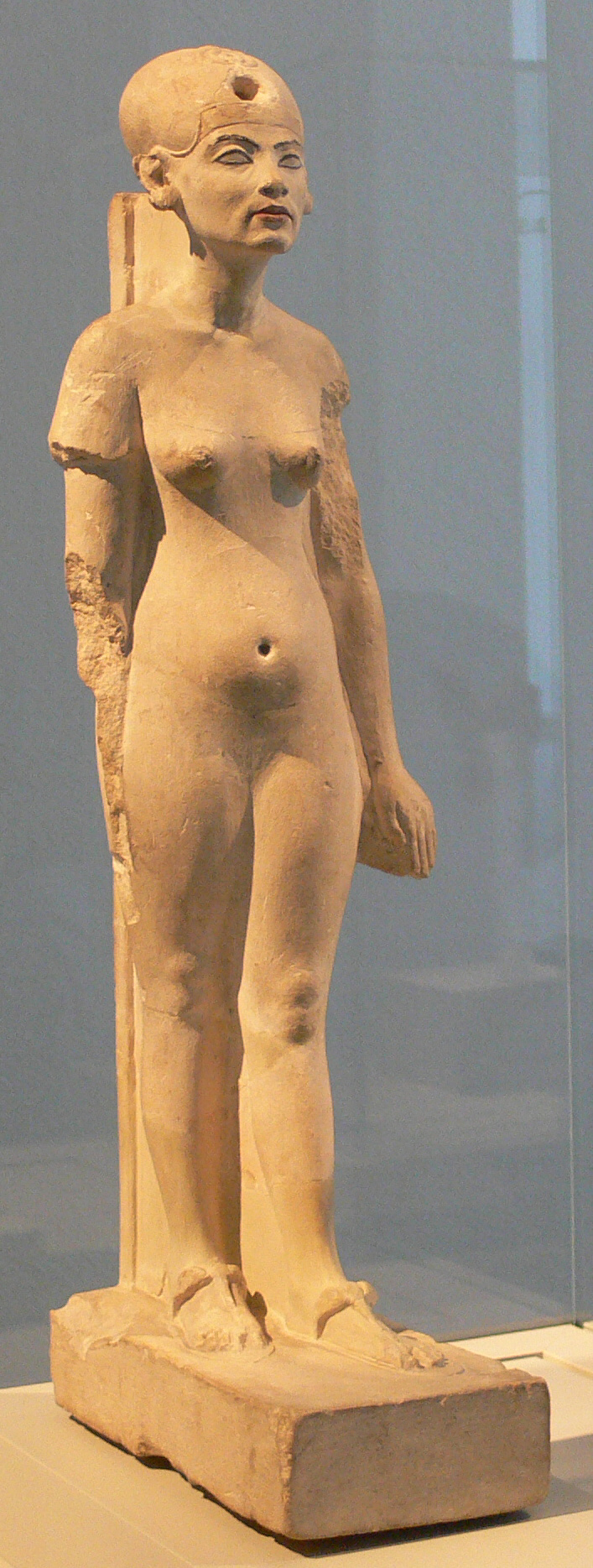
Standing Figure of Nefertiti
c. 1345 BC
An incomplete limestone statuette from Thutmose's workshop showing an older, more lifelike Nefertiti.
Found in Thutmose's workshop, this rare full statue shows an older, more lifelike Nefertiti unlike her idealised bust.
About this source
What it is
This limestone statue of Nefertiti, made around 1350 BC, was found broken into pieces in 1920 during excavation of the sculptor Thutmose's workshop at Amarna. It was acquired by James Simon, who gave it to the Egyptian Museum of Berlin, where it remains today, still incomplete.
Why it matters
Unlike the smooth idealised bust of Nefertiti, this statue shows her as an older woman, with signs of age after bearing six children. This was a deliberate break from Egyptian artistic tradition, which usually showed royalty as eternally youthful, and reveals how Amarna-period art experimented with more lifelike portrayal of real people, including the queen herself.
Look closer
- Why might this statue show Nefertiti differently from the famous painted bust?
- What does showing signs of age suggest about Amarna-period ideas of beauty and truth?
- Why do you think the statue was left unfinished?
This sculpture is part of the curated material that grounds the AI version of Queen Nefereti on Humy.ai — when students ask about related events, the AI can quote it and cite it.
More Queen Nefereti sources
Meet the AI Queen Nefereti →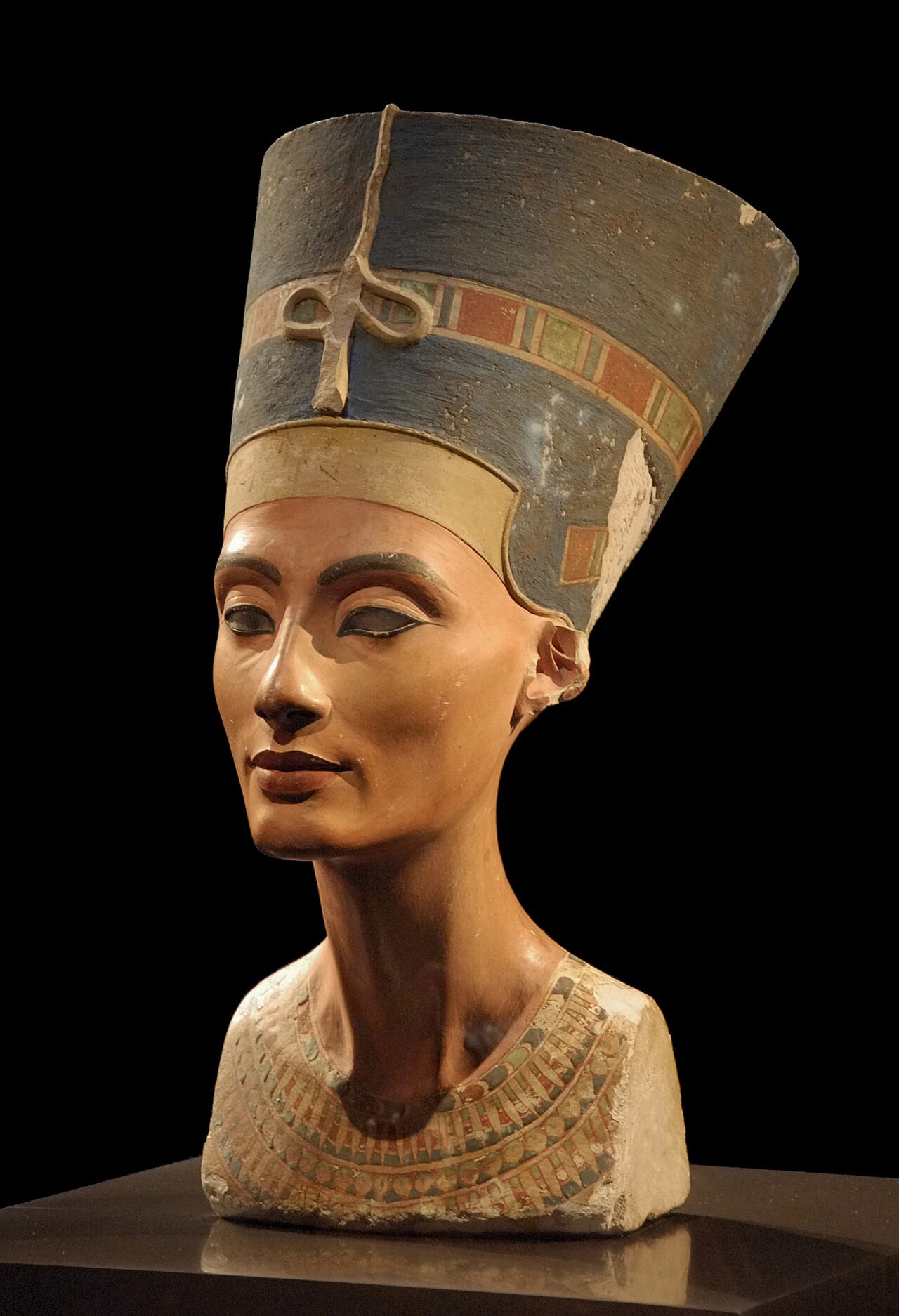 Sculpture
Primary source
Bust of Queen Nefertiti
Thutmose · c. 1345 BC
 Sculpture
Primary source
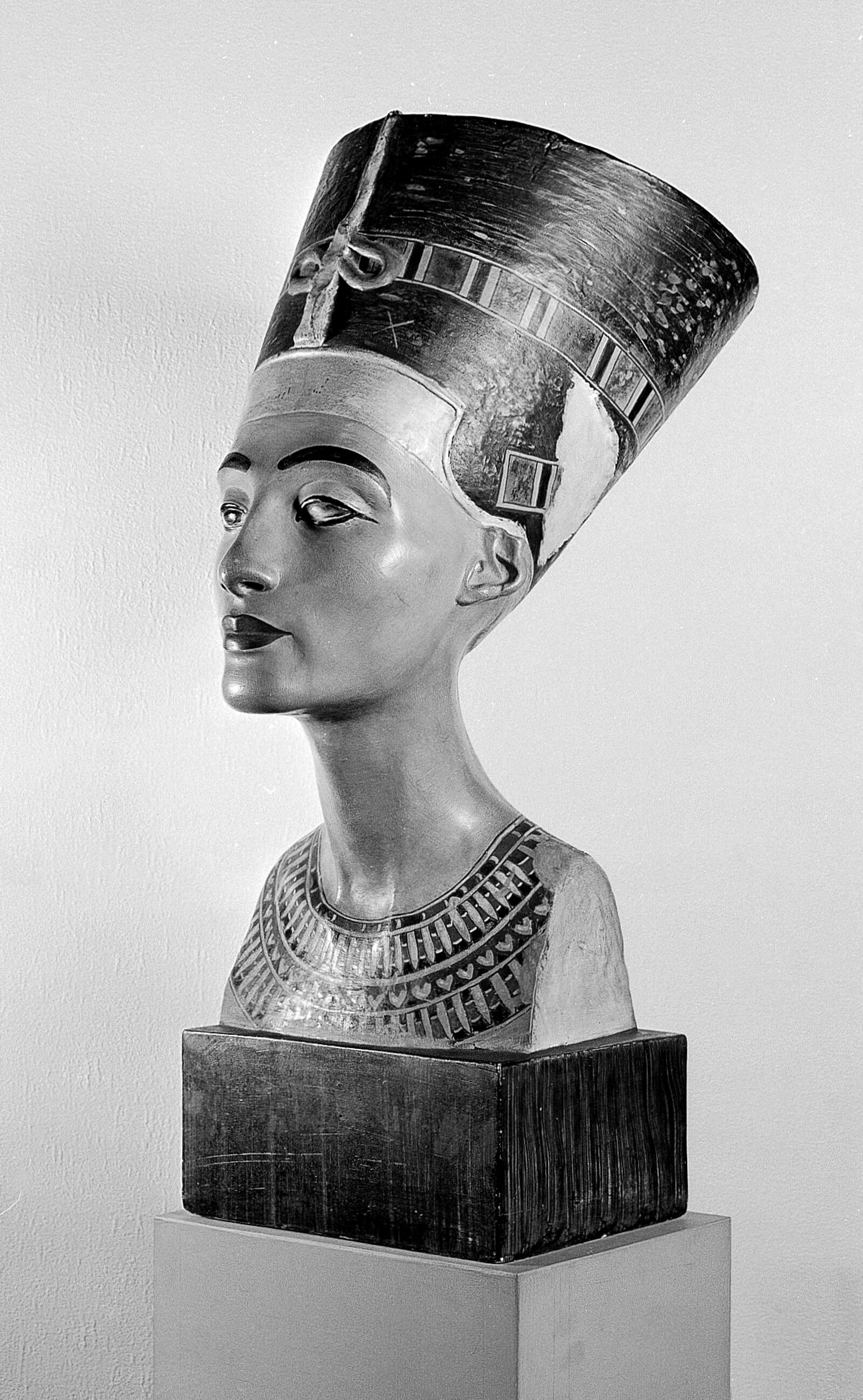
Figure of Nefertiti
 Sculpture
Primary source
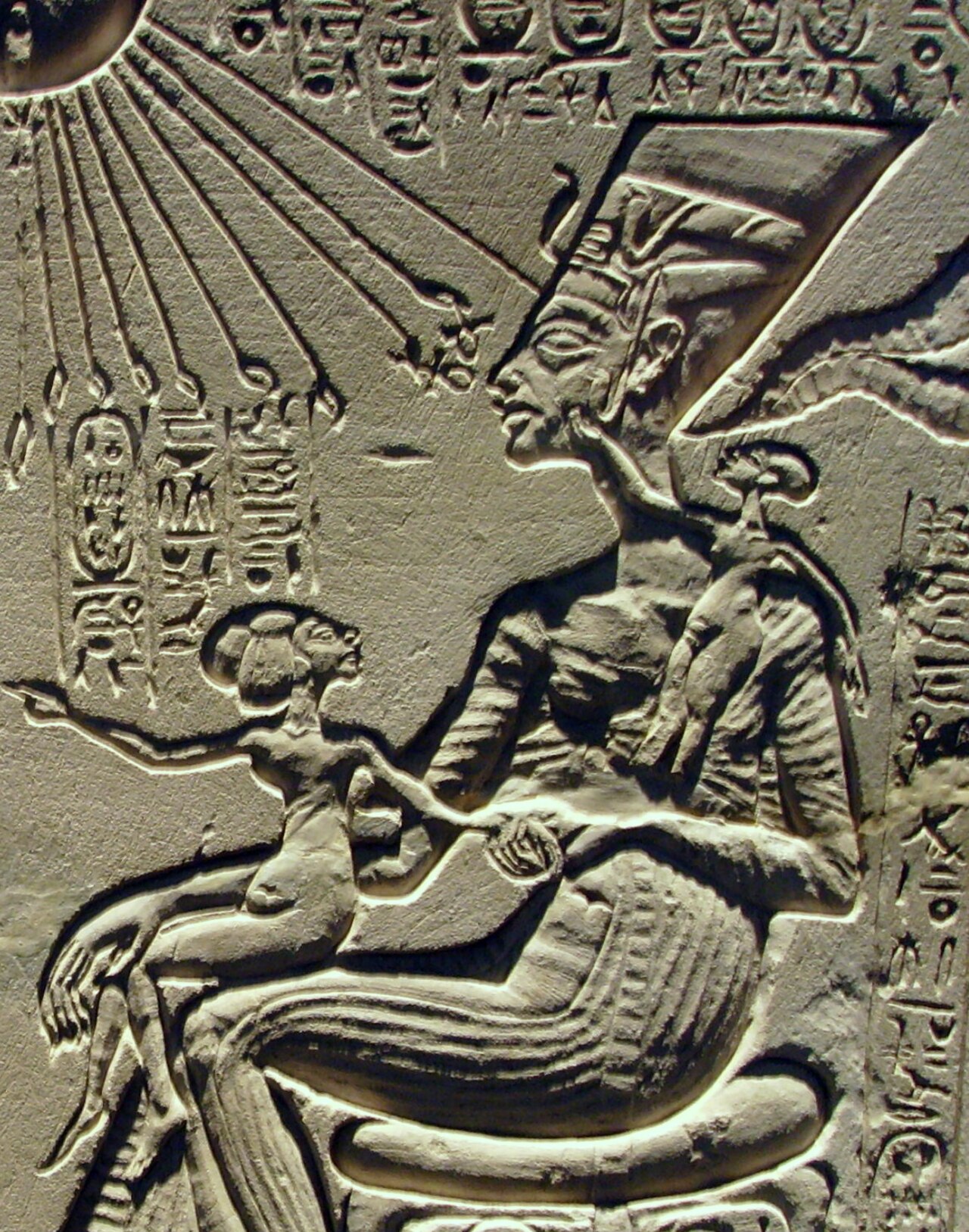
Akhenaten and His Family
c. 1352 BC
 Sculpture
Primary source
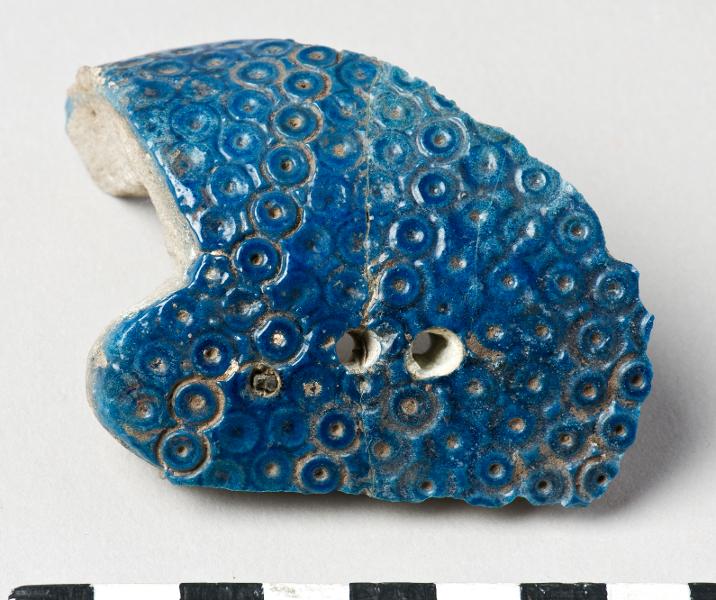
Relief Fragment Showing the Blue Crown of Nefertiti
 Document
Primary source
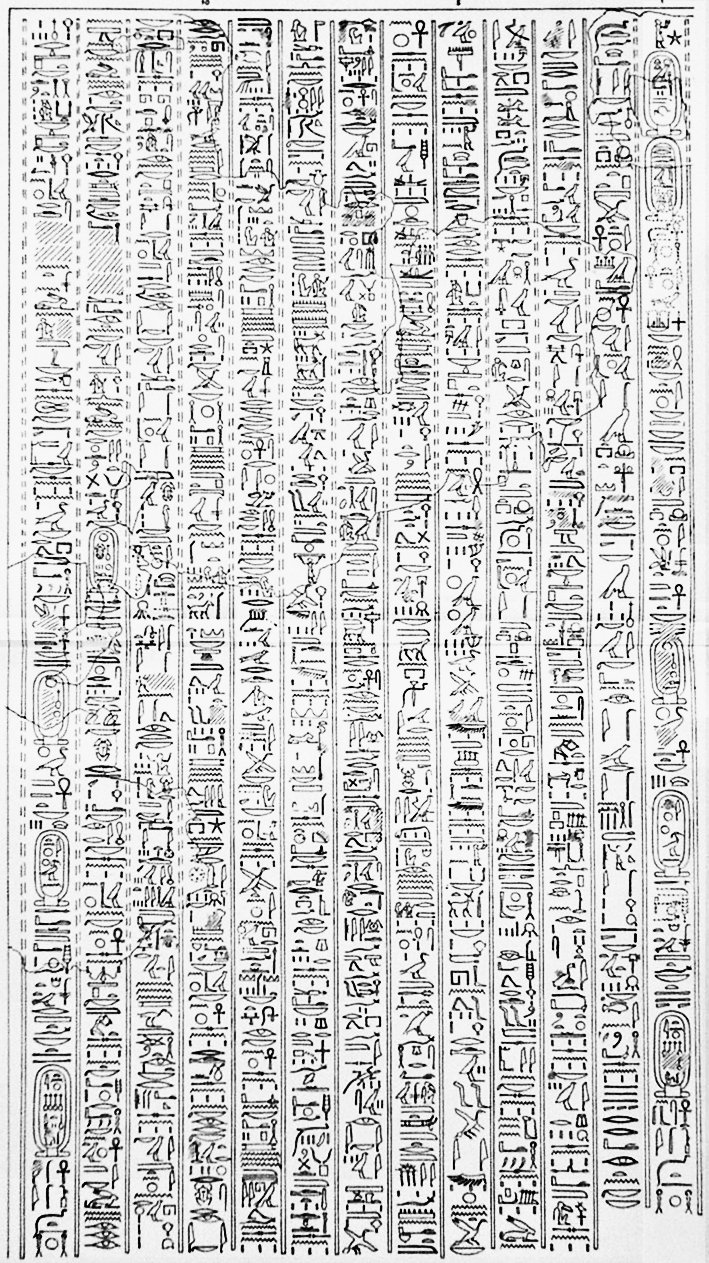
Great Hymn to the Aten
Akhenaten · c. 1350 BC
Ready when you are
Start chatting with Queen Nefereti now.
20 messages free · No credit card · Available in 50+ languages.