


Secondary sourceArtifact5th century BC
State Prison in the Athenian Agora
Athenian state · 5th century BC
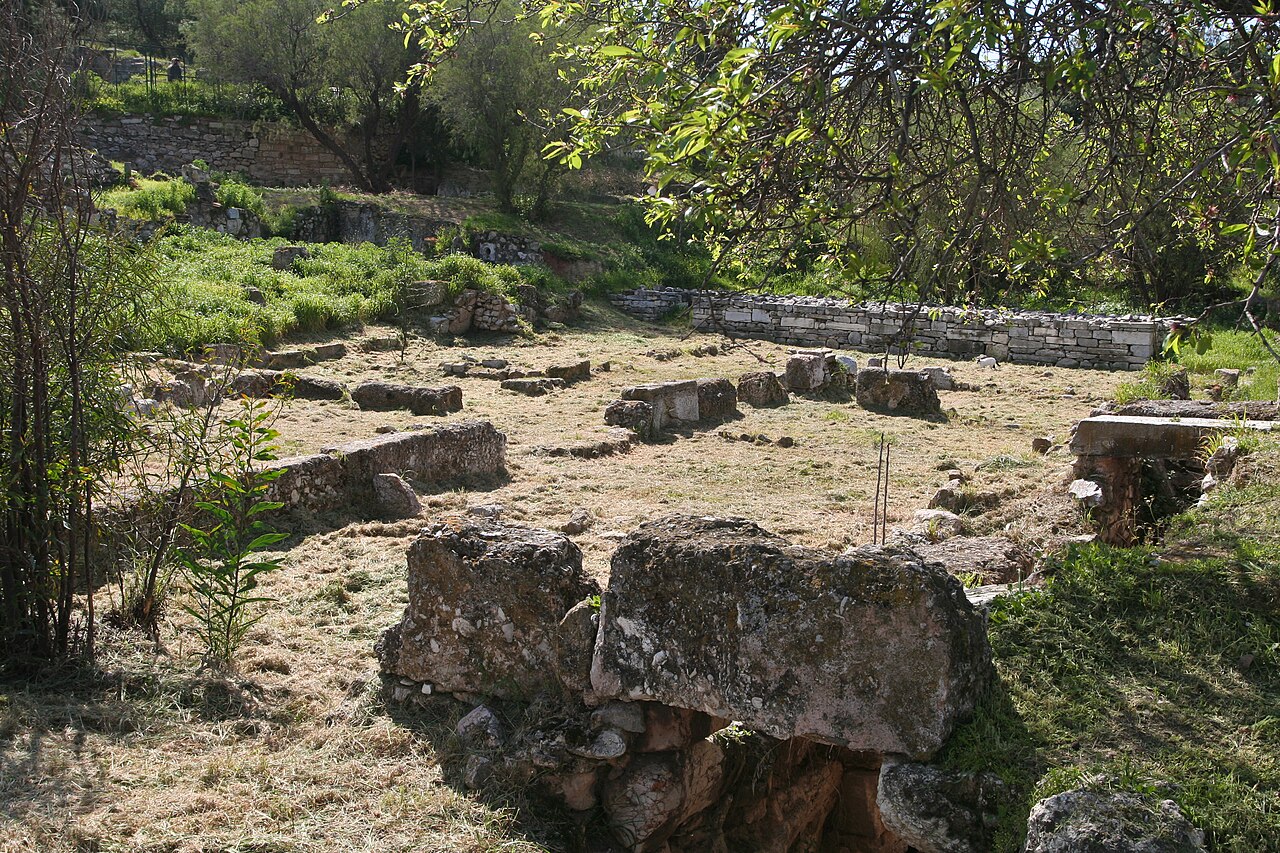
Excavated foundations of a building near the Athenian Agora proposed as the state prison where Socrates was held and executed.
This building is the leading candidate for the prison where Socrates was held and executed by hemlock.
About this source
What it is
This is a set of excavated stone foundations southwest of the Agora in Athens, dated to the 5th century BC. Archaeologists have proposed it as the site of the ancient Athenian state prison. Small medicine vials recovered there have been linked to doses of hemlock.
Why it matters
Historians do not know the exact location of the cell where Socrates spent his last weeks, but this building is the leading candidate. According to Plato's dialogues, Socrates was imprisoned here for about a month after being found guilty of impiety, before being executed by drinking hemlock. The site connects the physical remains of ancient Athens to the famous story of his trial and death.
Look closer
- What can plain stone foundations tell us, and what can they never tell us, about an event like an execution?
- Why do archaeologists rely on objects like medicine vials to support an identification?
- Why is there uncertainty about something as important as where Socrates died?
This artifact is part of the curated material that grounds the AI version of Socrates on Humy.ai — when students ask about related events, the AI can quote it and cite it.
More Socrates sources
Meet the AI Socrates →Secondary source
Apology
Plato · c. 395 BC
 Painting
Secondary source
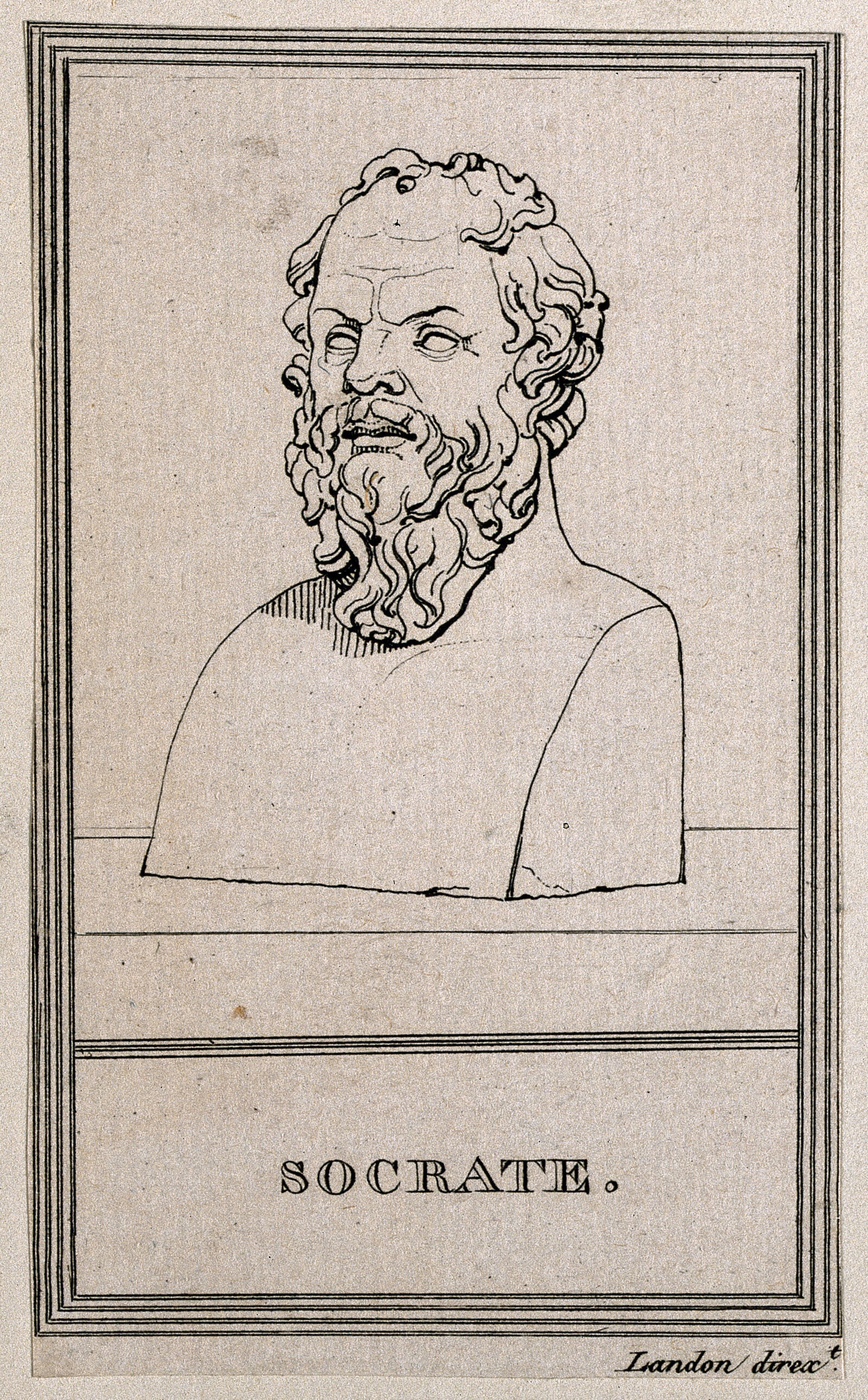
Line Engraving of Socrates by Landon
Charles Paul Landon
 Book
Secondary source
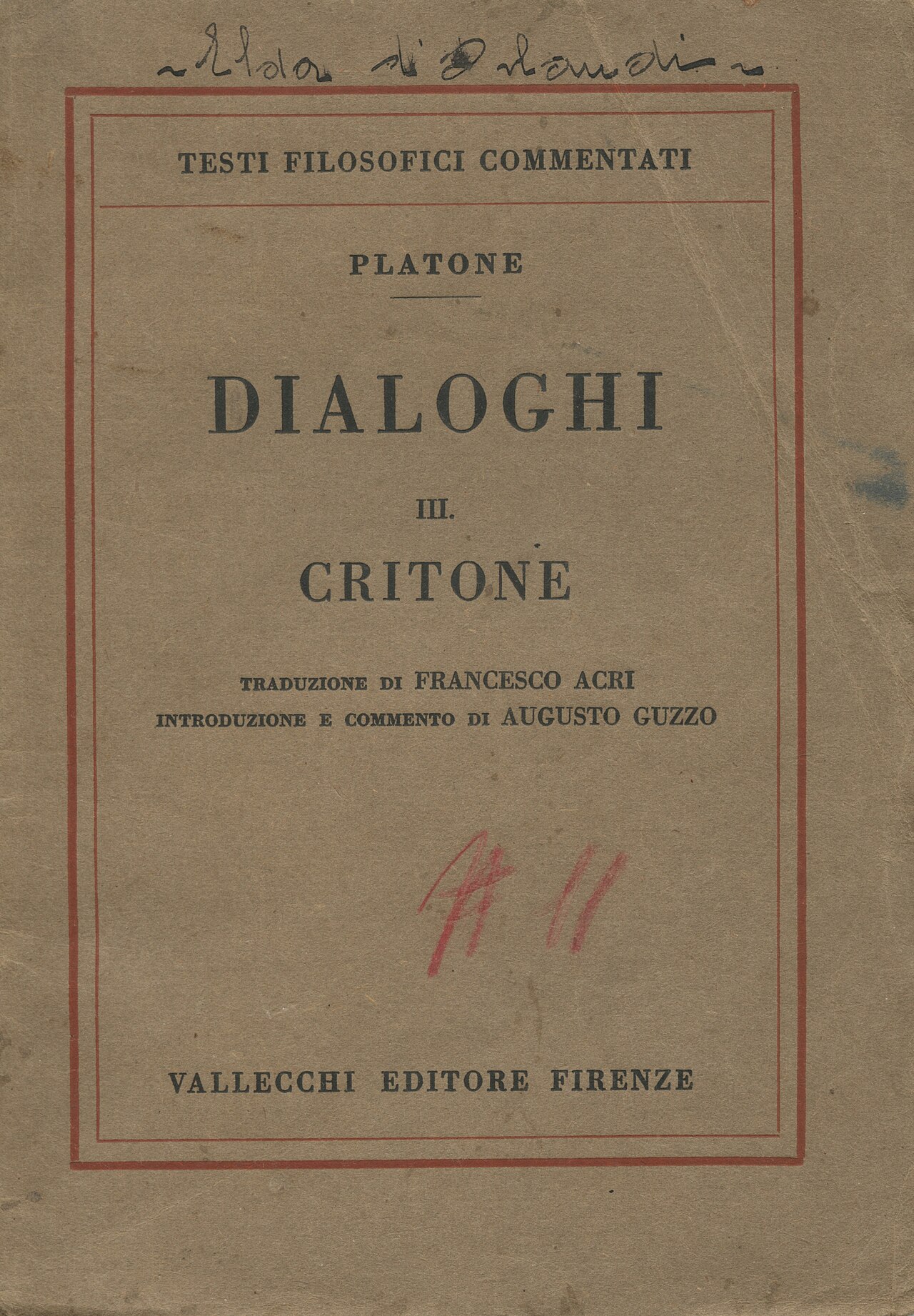
Crito
Plato · c. 400 BC
 Painting
Secondary source
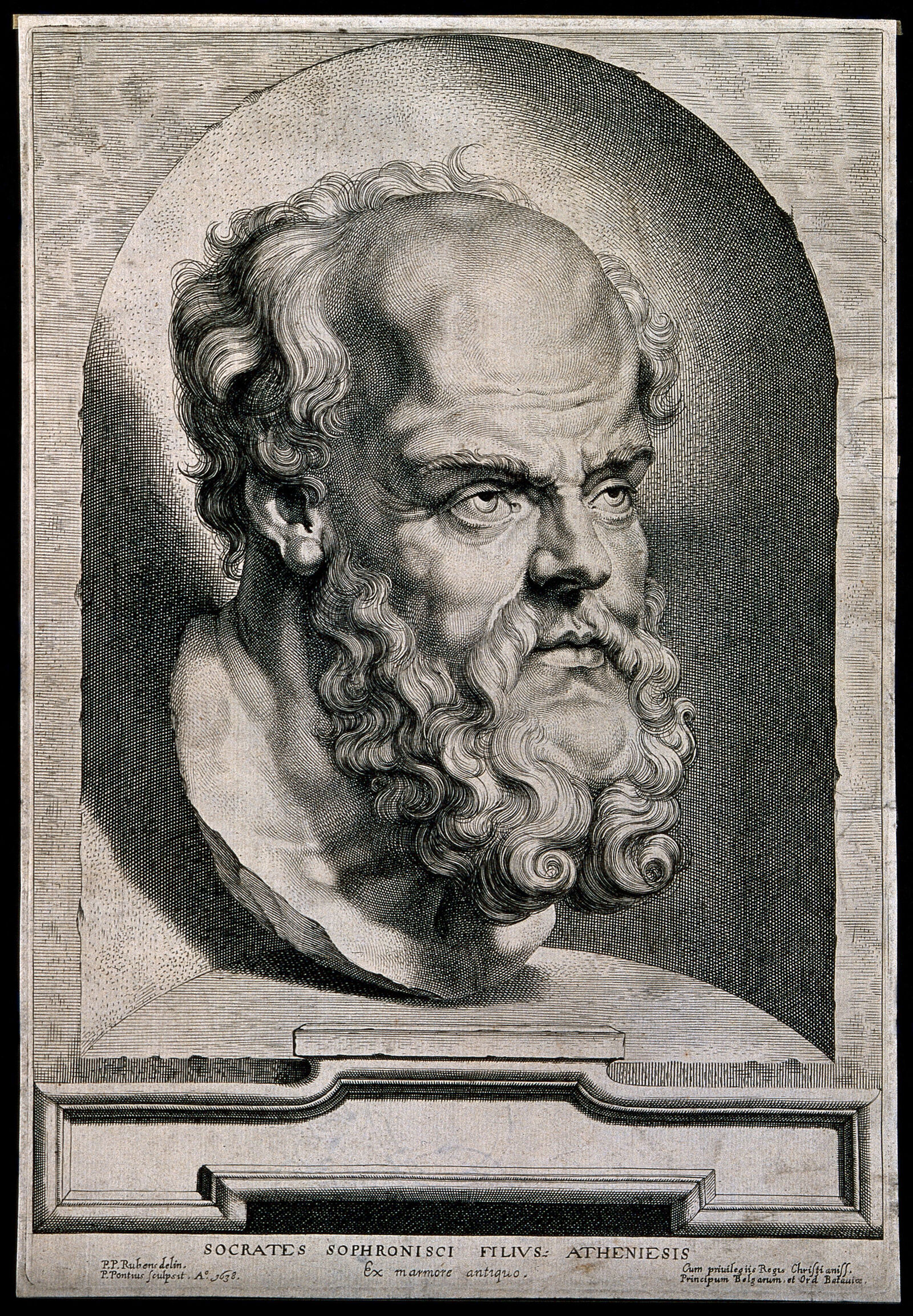
Socrates Engraving after Rubens by Pontius
Peter Paul Rubens · 1638
 Photograph
Secondary source
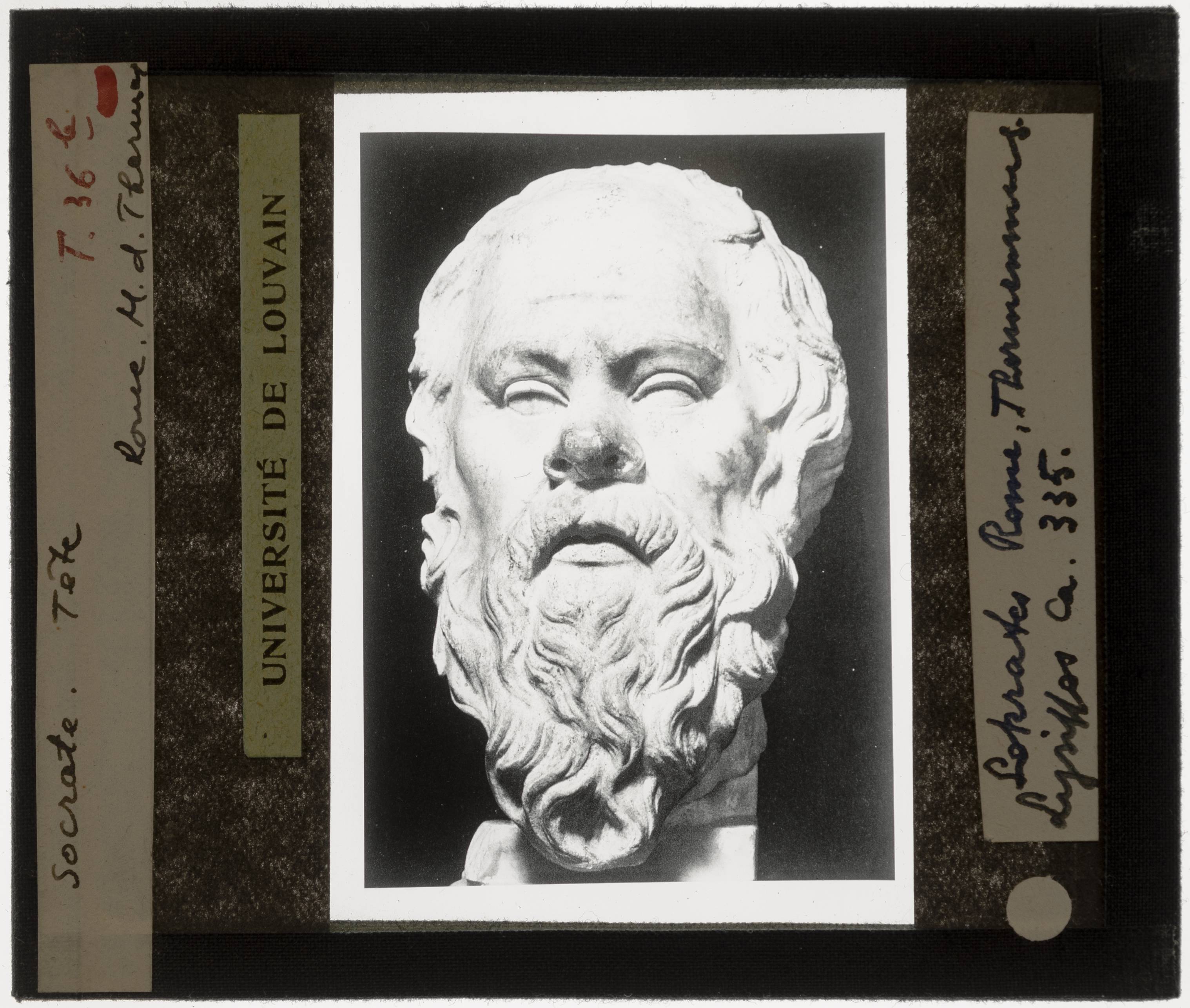
Roman Marble Bust of Socrates
between 1839 and 1939
Ready when you are
Start chatting with Socrates now.
20 messages free · No credit card · Available in 50+ languages.