


Primary sourceBook
Statesman
Plato
Plato's dialogue on the nature of political rule and the ideal statesman, in the original Greek.
This dialogue was written by Plato, setting out his ideas about political rule and the qualities of a true statesman.
About this source
What it is
The Statesman (or Politicus) is a dialogue written by Plato, continuing discussions begun in the Theaetetus and Sophist, in which Socrates, Theodorus, a visitor from Elea, and a young man named Socrates discuss what makes a true statesman. This is the critical Greek text edited by John Burnet in 1903.
Why it matters
The dialogue explores Plato's ideas about good government and leadership, themes closely tied to his broader political philosophy, including ideas later developed in his work The Republic. It shows how Plato used connected dialogues, with recurring characters, to build up a fuller picture of his philosophical system.
Look closer
- Why might Plato link this dialogue to the two that come before it, rather than writing it alone?
- What qualities does the dialogue suggest a true statesman should have?
- Why might Plato have cared so much about the question of who should rule?
This book is part of the curated material that grounds the AI version of Plato on Humy.ai — when students ask about related events, the AI can quote it and cite it.
More Plato sources
Meet the AI Plato →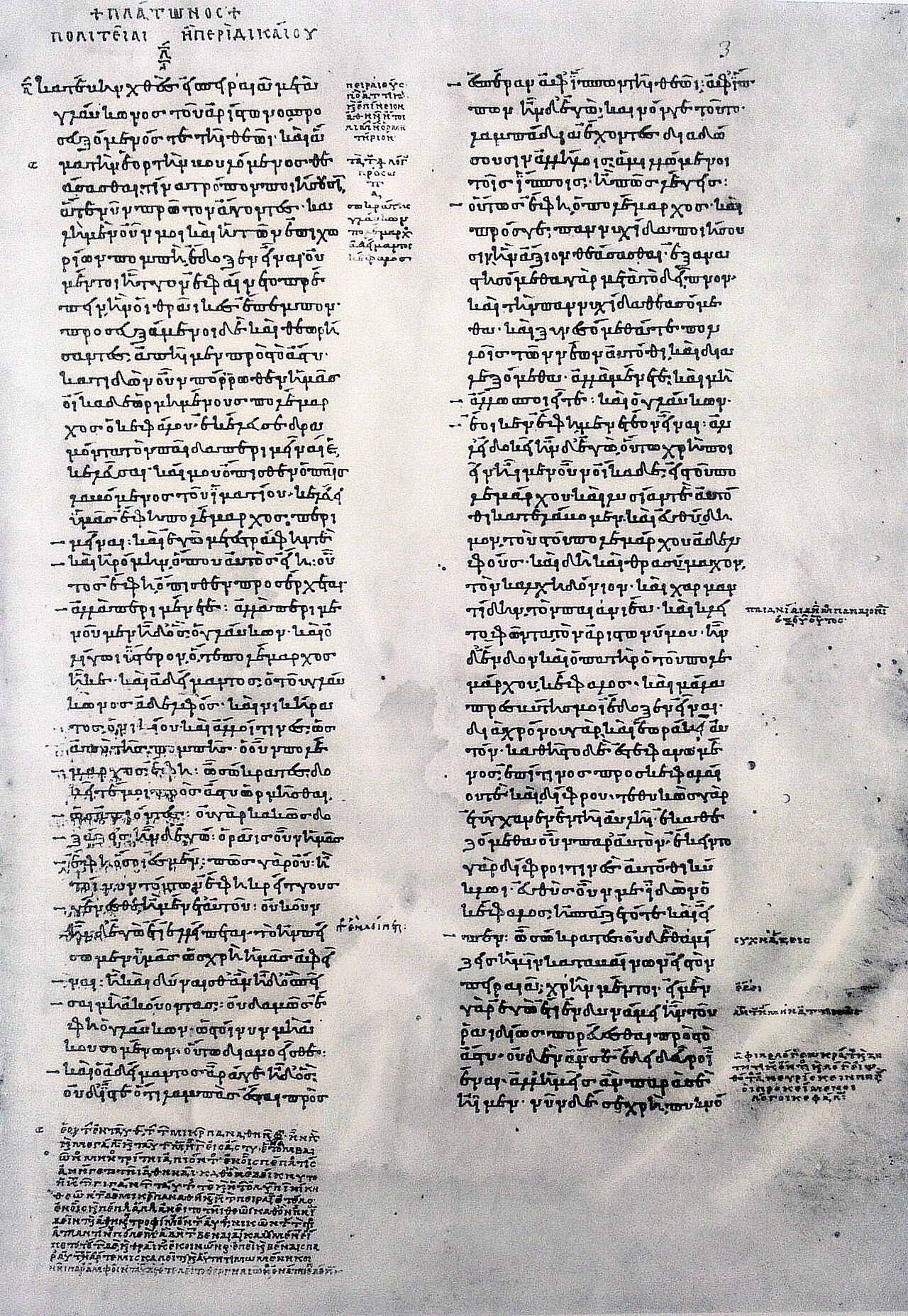 Book
Secondary source
The Republic
Plato · c. 375 BC
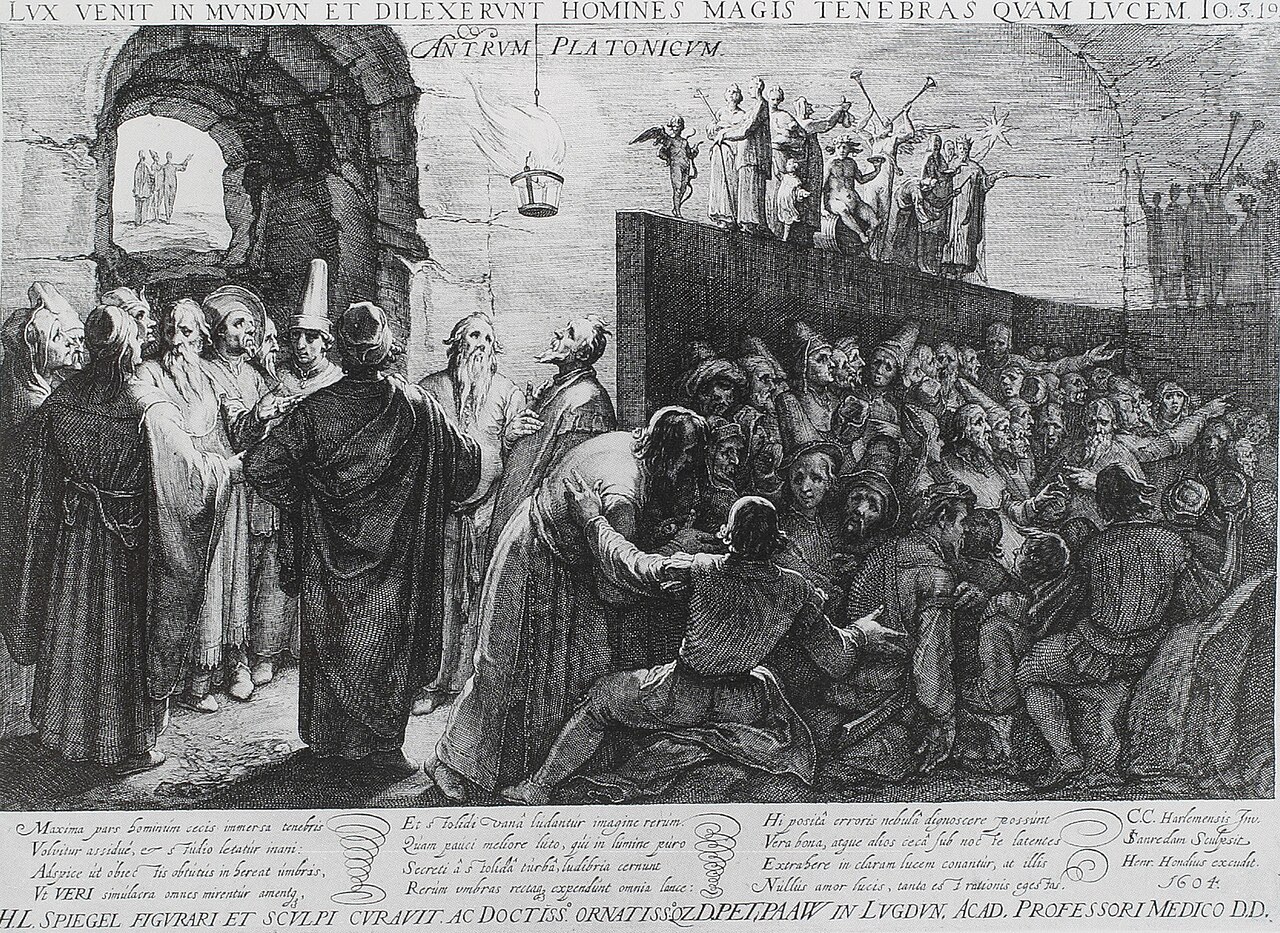 Book
Primary source
Allegory of the Cave
Plato · c. 400 BC
Secondary source
Apology
Plato · c. 395 BC
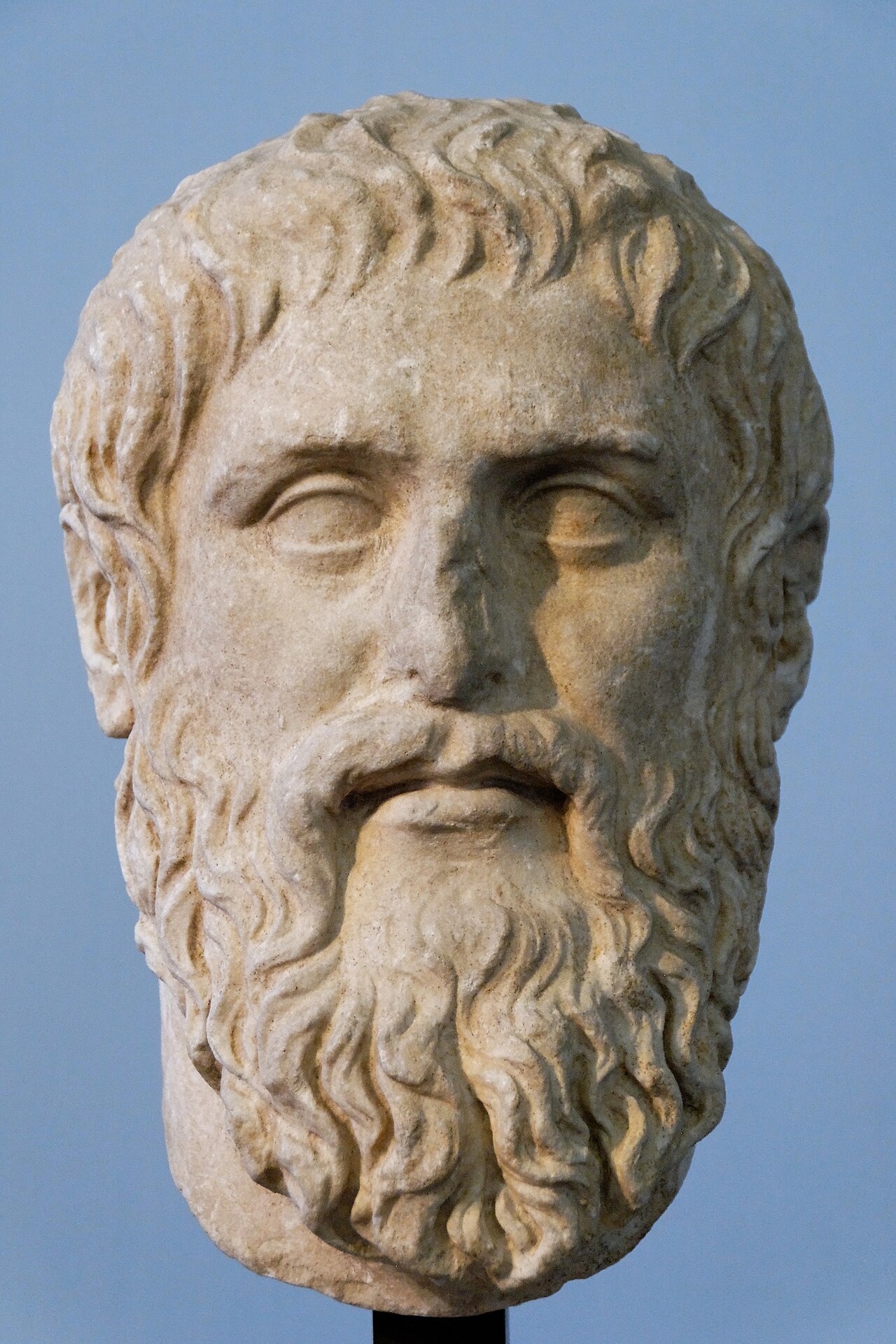 Sculpture
Secondary source
Portrait of Plato
Silanion (original type) · ca. 370 BC (original type); this copy Roman era
 Book
Secondary source
Phaedo
Plato · c. 360 BC
Ready when you are
Start chatting with Plato now.
20 messages free · No credit card · Available in 50+ languages.